








Among the most beautiful—and therefore most popular—cichlids from Lake Tanganyika are the cichlids of the genus Julidochromis. Traditionally, six species are recognized (dickfeldi, marksmithi, marlieri, ornatus, regani, and transcriptus); in 2023, three more were added because a critical review of the characteristics distinguishing the genera and molecular analyses revealed that the distinction between the former genus Chalinochromis and Julidochromis could not be maintained. The three former Chalinochromis species—brichardi, cyanophleps, and popelini—therefore now also belong to the genus Julidochromis.
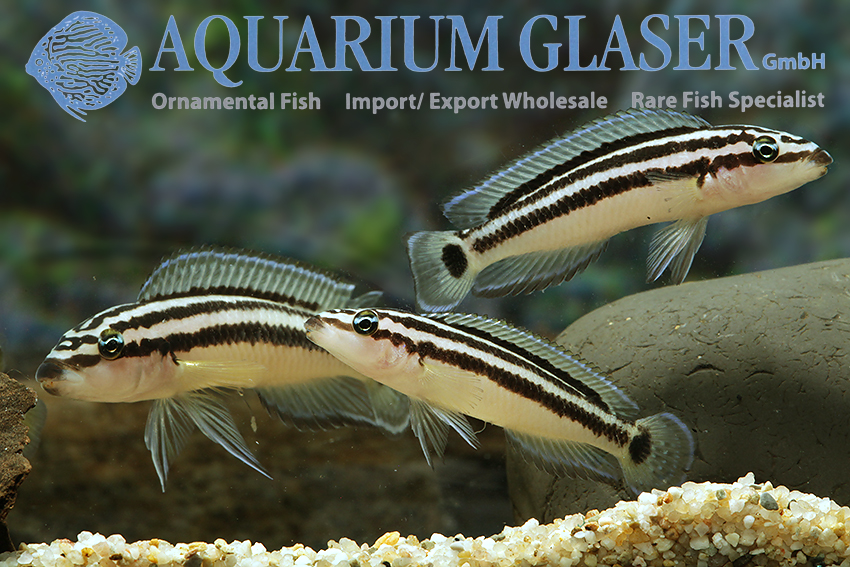
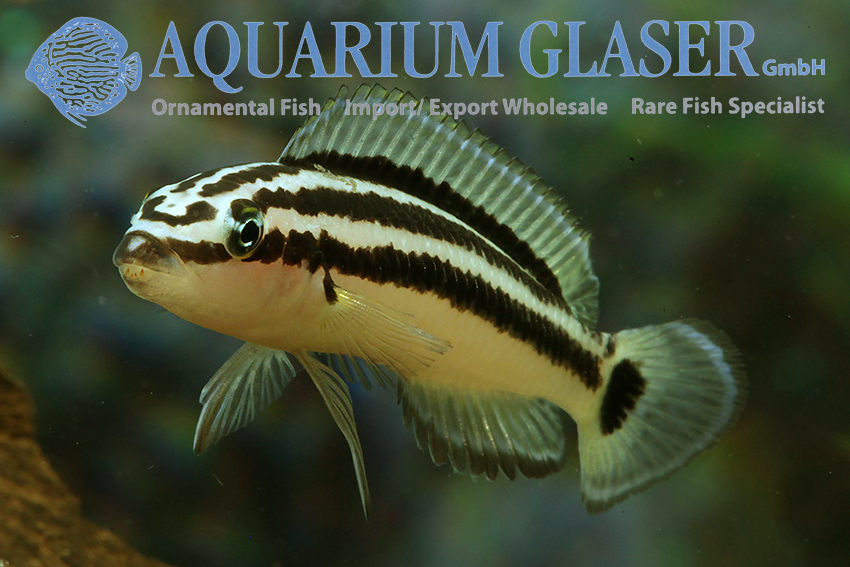
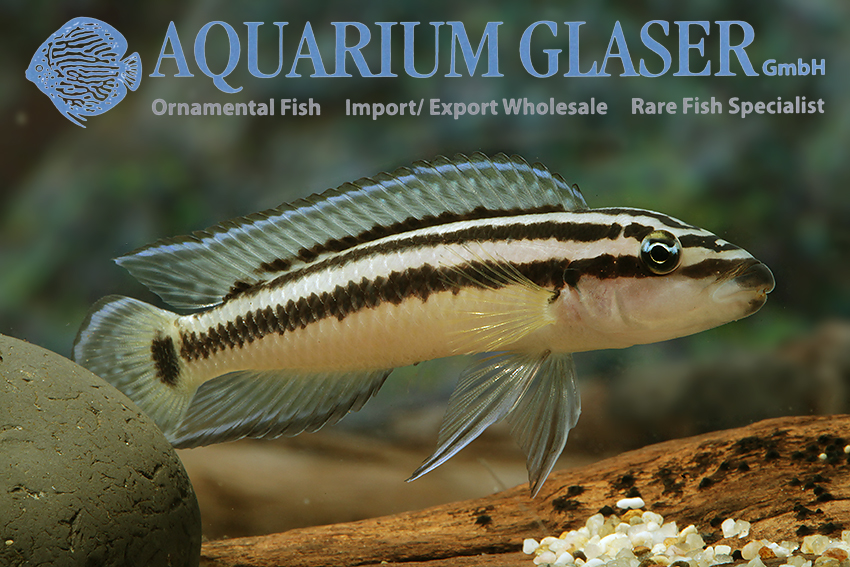
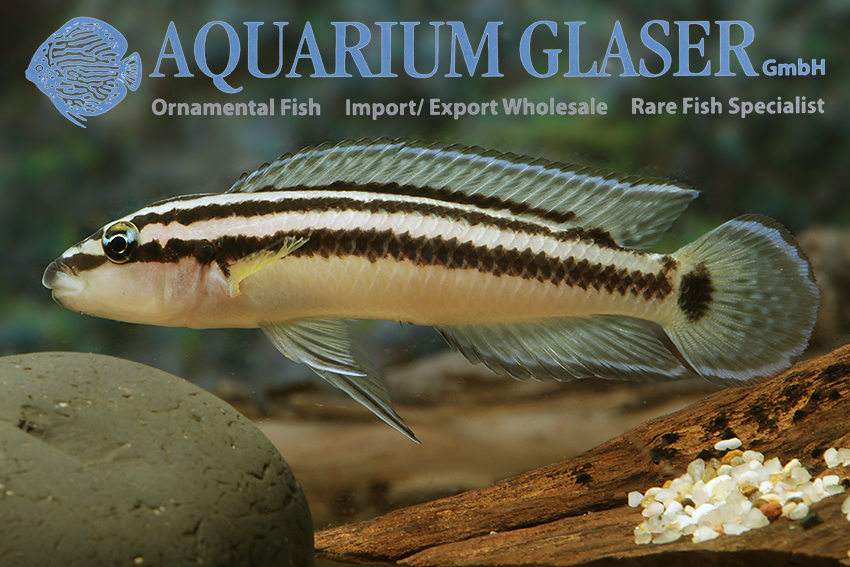
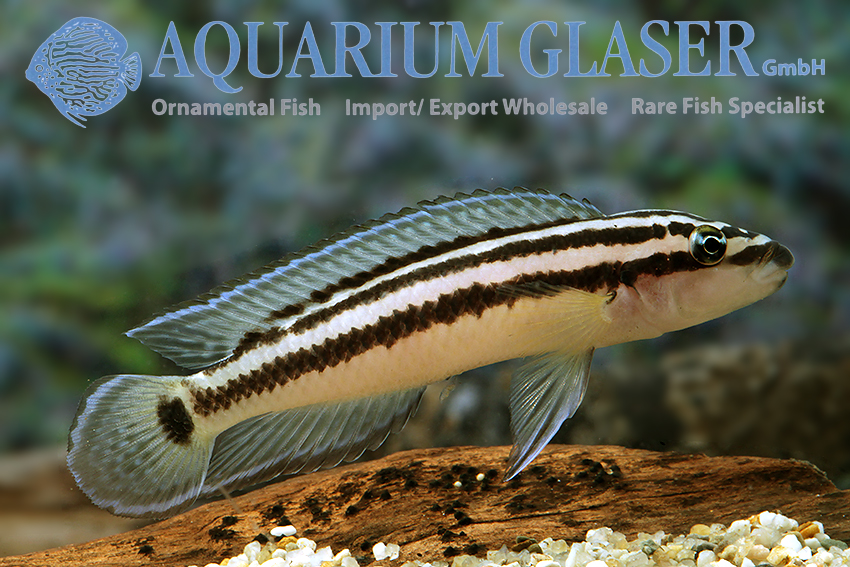
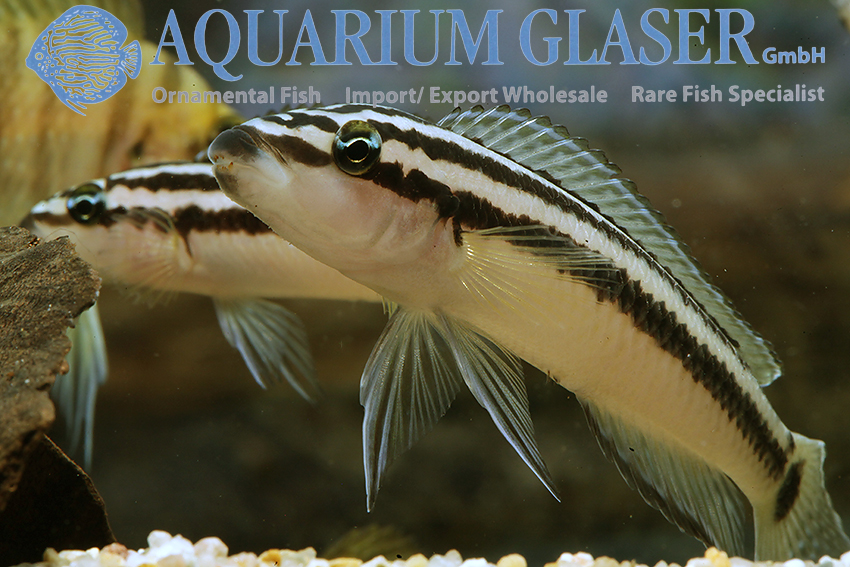
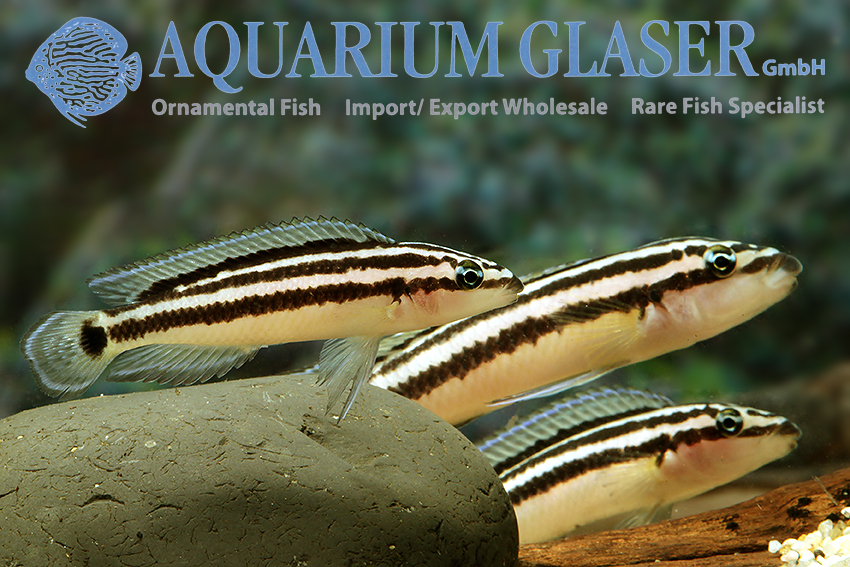
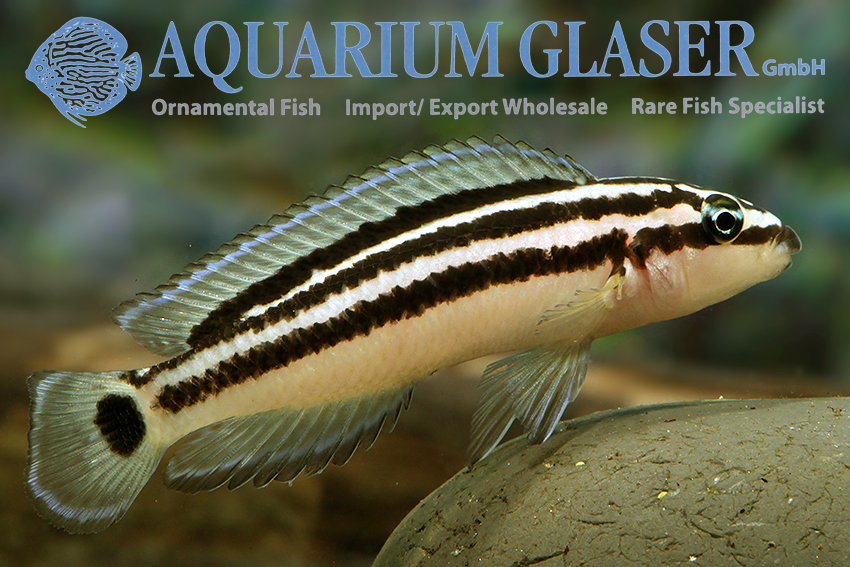
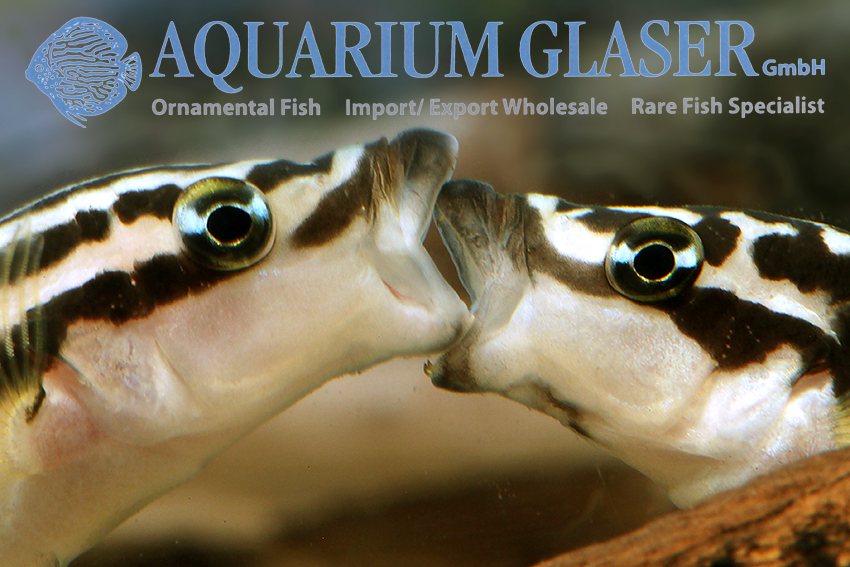
Julidochromis ornatus, found only locally in Lake Tanganyika, was among the first Lake Tanganyika cichlids to reach Europe and the U.S., sparking a veritable Lake Tanganyika cichlid boom. That was in 1958. Since then, this beautiful fish has been successfully bred in aquariums. Wild populations are known from Uvira and Kiku (Democratic Republic of the Congo) and Mbita Island, Isanga, and Chituta in Zambia. The species is classified as “Near Threatened” on the International Union for Conservation of Nature (IUCN) Red List of Threatened Species. The reason given is its small geographic range and the resulting risk of overfishing for the ornamental fish trade. However, this risk is likely only theoretical. Virtually all specimens available in the trade are captive-bred. For example, we have never had wild-caught specimens here.
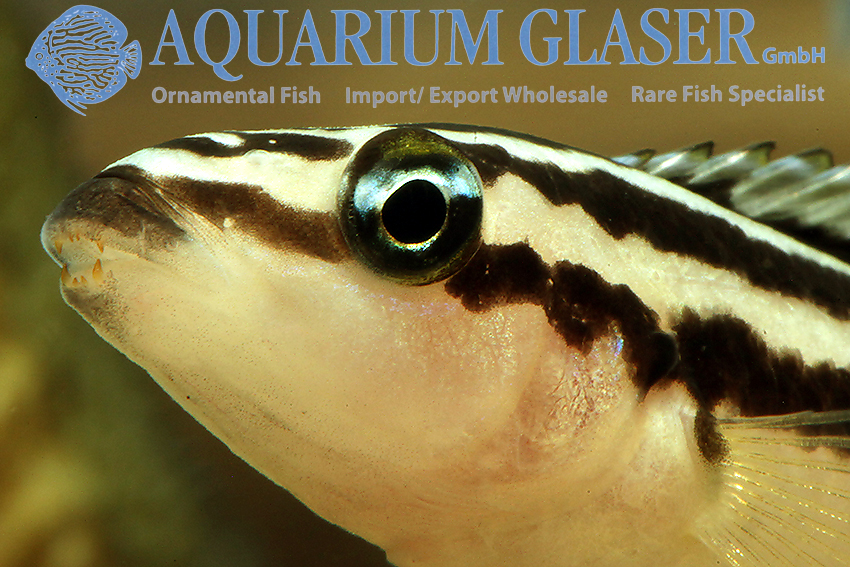
The slender Julidochromis species glide right along the rocks, searching for food consisting of all kinds of tiny organisms. Their dentition clearly shows that it is designed to snatch individual food particles, which may include insect larvae, juvenile fish, or small crustaceans. In the aquarium, care should be taken not to overfeed them. They gain weight easily, and then they’re no longer “slender cichlids.” The sexes are almost indistinguishable. When fully grown, the males are larger, have larger pelvic fins, and often have a slight forehead hump. As is always the case with cichlids, it is very easy to recognize a fully developed male, but very difficult to distinguish between lower-ranking males—who outwardly disguise themselves as females—and true females. Well-matched pairs form a more or less monogamous bond. Since the juveniles from earlier broods continue to be tolerated in the vicinity of the breeding cave, a very beautiful scene quickly emerges: a pair of parents with a larger school of juveniles of varying sizes. This is why this dwarf cichlid—which, moreover, is not particularly fond of swimming—should be kept in aquariums that are not too small.
Maximum size: approx. 9 cm; Temperature: 24–28°C; pH and hardness: Tap water is suitable almost everywhere; the water should be moderately hard to hard and slightly alkaline; Diet: Any dry, frozen, or live food of an appropriate size; Social behavior: You should purchase a group of juvenile fish from which a pair will form. The remaining fish should be given away.
For our customers: These fish are listed under codes 538601 through 538603 on our inventory list. Please note that we supply exclusively to wholesale customers.
Text & photos: Frank Schäfer
