








They still exist—those mythical fish. These are species of which only a very small number of specimens are known, and about which, consequently, very little is known. Leporinus amae undoubtedly belongs to this group of mythical fish. The species was described in 1980 based on eight specimens caught in Brazil. The type specimen comes from the Rio Apuaê, a tributary of the Rio Pelotas, which in turn is part of the Rio Uruguay drainage. Additional specimens come from the Rio Canoas and the Rio Caveiras, which also belong to the Uruguay River basin. Incidentally, Hypostomus luteus was described by the same author in the same paper. The author—Manuel Pereira de Godoy—investigated the effects of dam construction on the fish fauna.
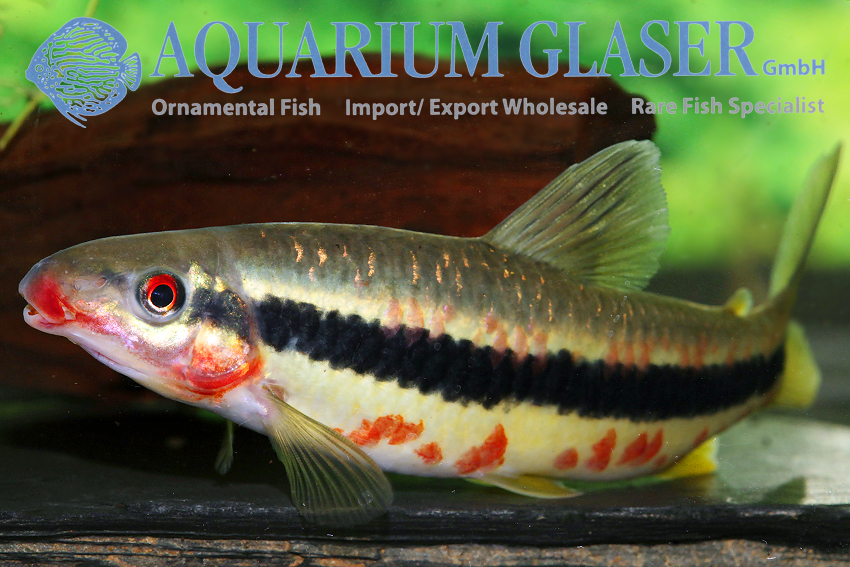
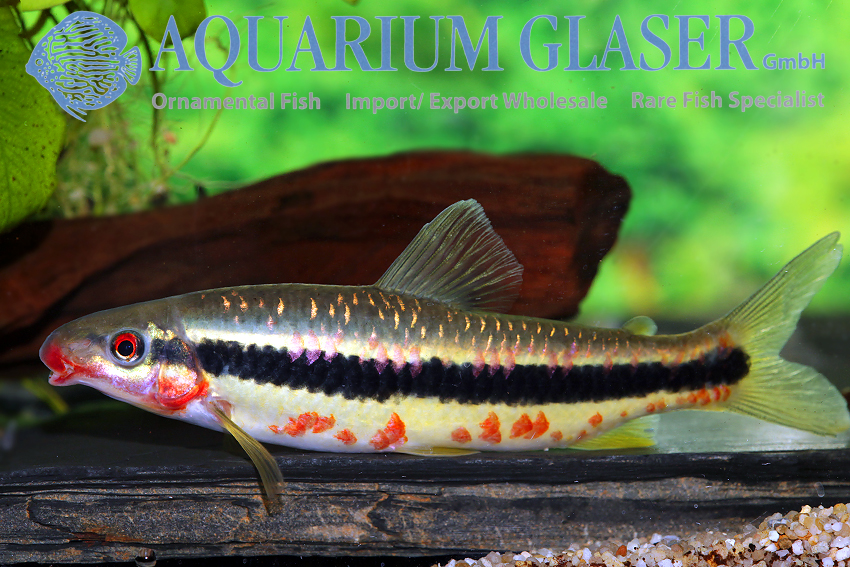
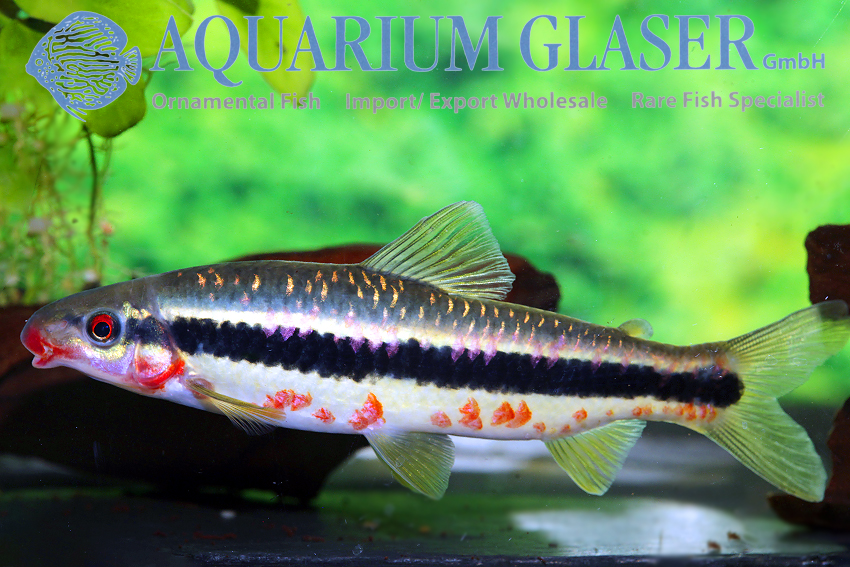
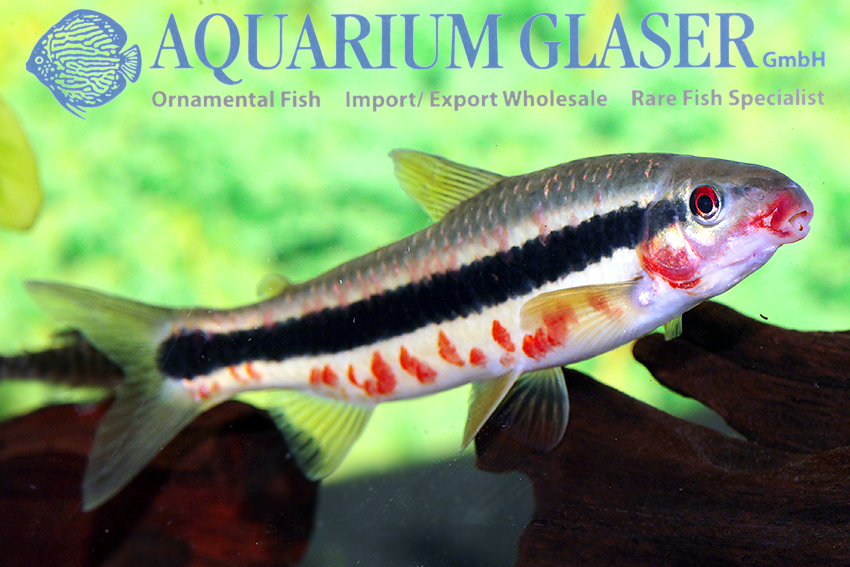
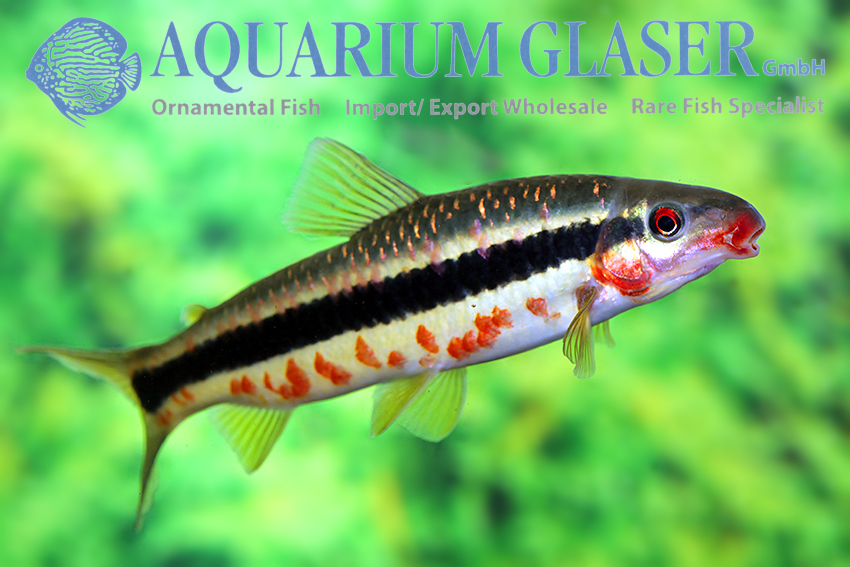
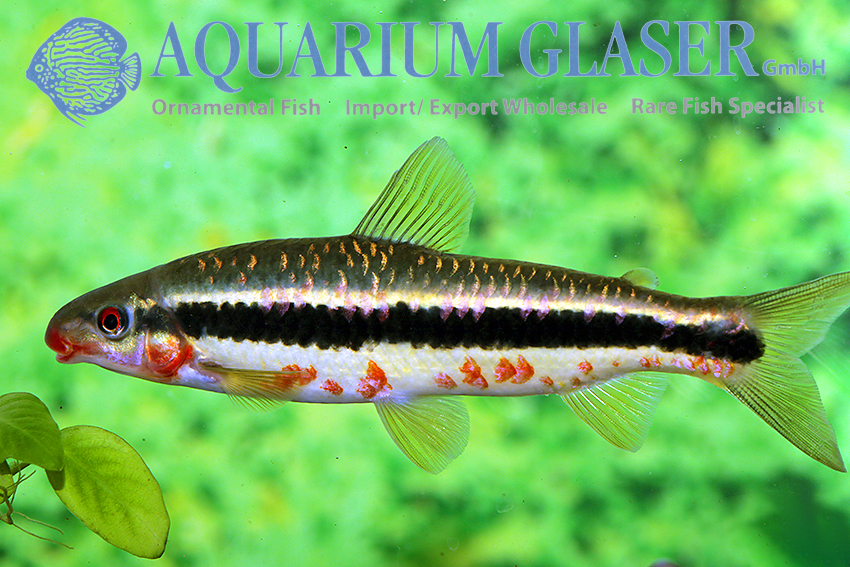
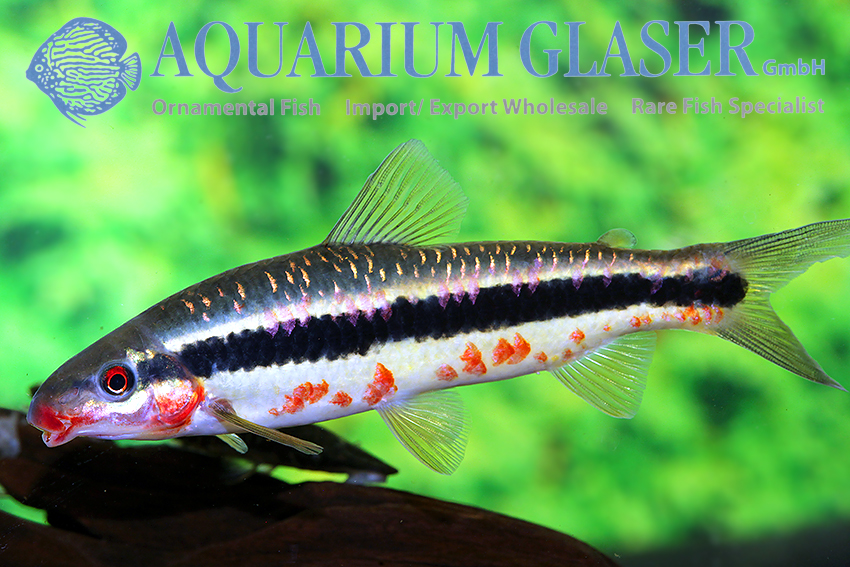
For a long time afterward, nothing more was heard of Leporinus amae. Then, in 2013, the species was rediscovered in the Argentine province of Misiones (also in the Rio Uruguay basin) and described in detail (Almirón et al.). This study also included color photographs of live specimens of this species—which grows to a maximum length of 12–15 cm—that made every fish lover’s heart beat faster.
Now, another 13 years later, we’ve managed to import five specimens of this legendary species for the first time. There’s a lot—and I mean a lot—of work involved between wanting to see a fish species in person and actually making that wish come true. Sometimes it never works out, and sometimes, as in this case, it takes years. In any case, we’re very excited about the fish.
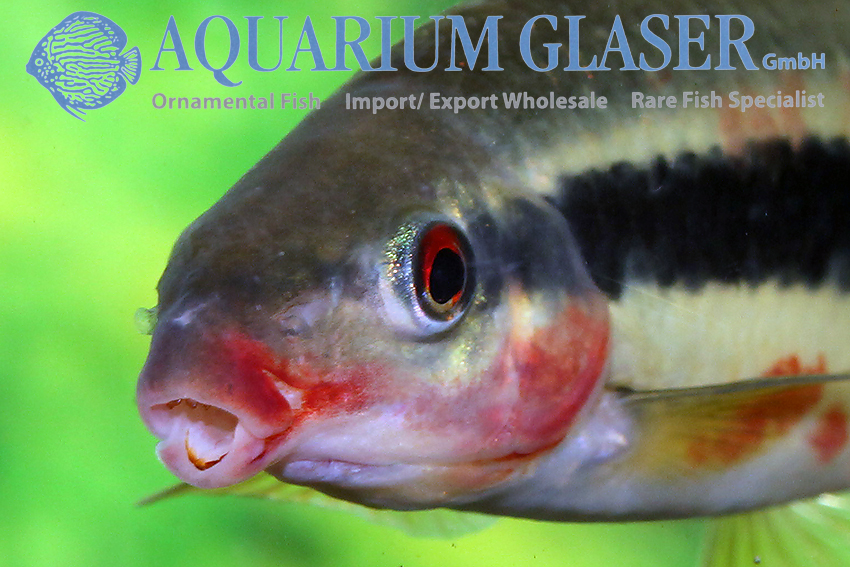
We can’t say anything about their social behavior, as we’re keeping these treasures separately for safety reasons. All five fish have a permanently red throat and a red-rimmed mouth, but the red spots on their bellies vary greatly in intensity depending on their mood—ranging from nearly invisible to the deep red shown by our photo model. Four of the fish are 12–15 cm long, and one is 14–16 cm. The latter specimen is thus the largest known individual of this species to date. Of course, we hope that all five will remain together and possibly form the basis of a breeding stock for this spectacularly beautiful species. Unfortunately, however, this is hindered by the very high price being asked for this rarity.
For our customers: the 12–15 cm long specimens have code 265873, and the 14–16 cm long specimen has code 265874 on our stock list. Please note that we supply exclusively to wholesale customers.
References:
Almirón, A. E., Casciotta, J. R., Bruno, M. C., Piálek, L., Doubnerová, K. & O. Říčan (2013): First record and supplementary description of Leporinus amae Godoy, 1980 (Characiformes: Anostomidae) from freshwaters in Argentina. Check List 9(4): 820–822.
Text & photos: Frank Schäfer
