








Currently, only two species are recognized in the genus Megalancistrus: M. barrae from the Rio São Francisco in Brazil and M. parananus from the tri-border region of Argentina, Brazil, and Paraguay. M. parananus has been assigned two L numbers to date: L113 and L234. This species is one of the largest of all armored catfish and can grow up to 80 cm long!
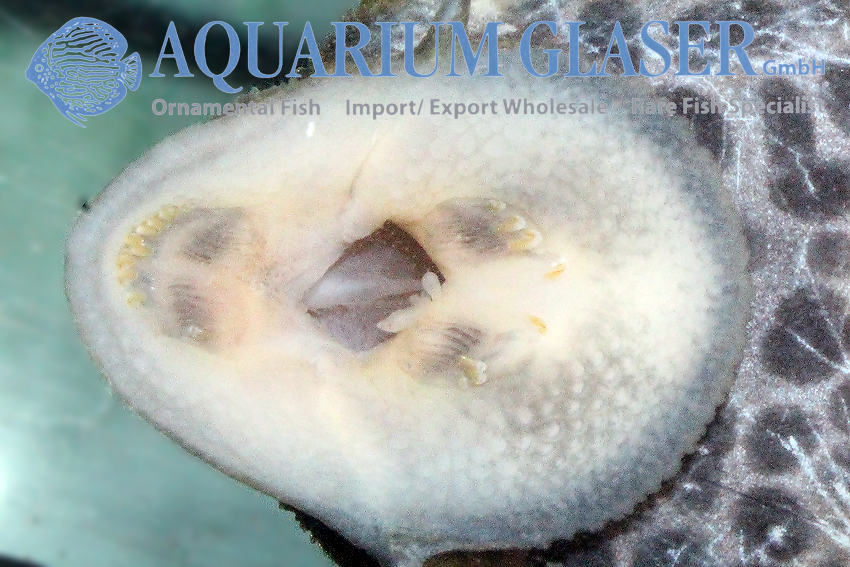
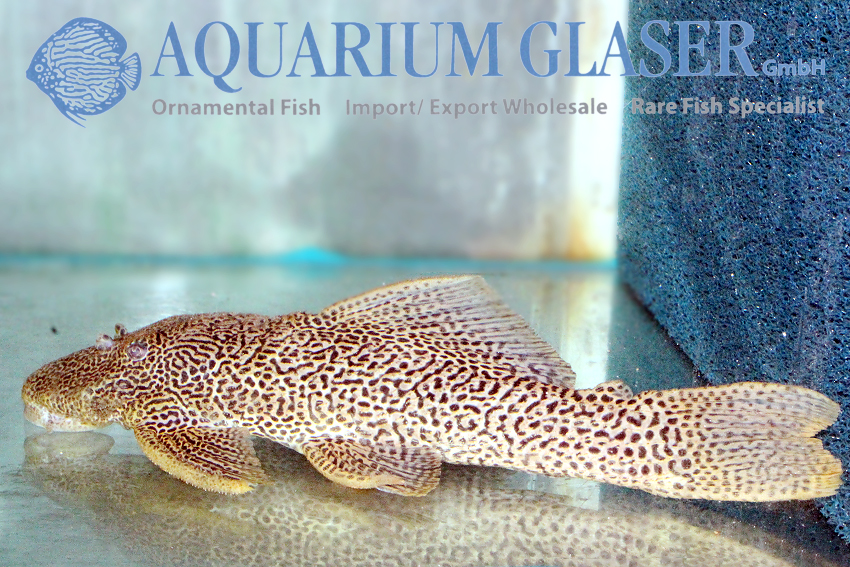
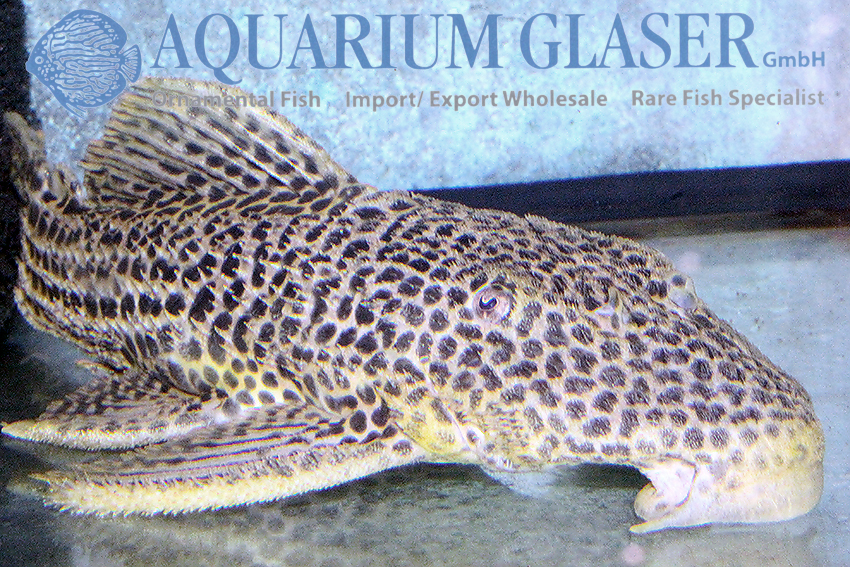
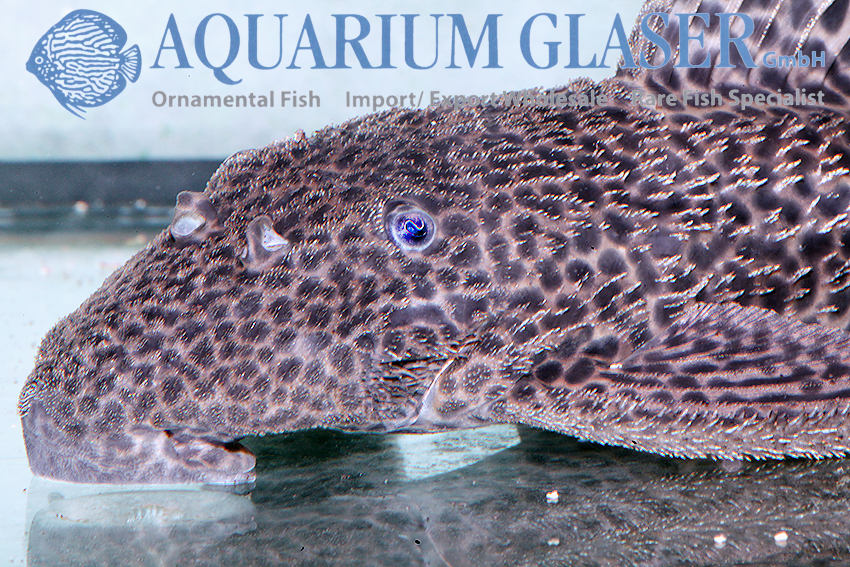
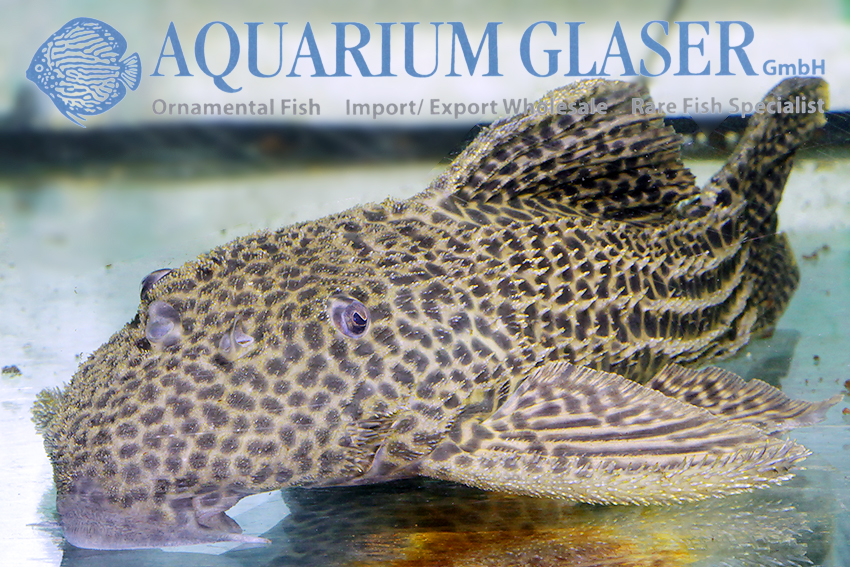
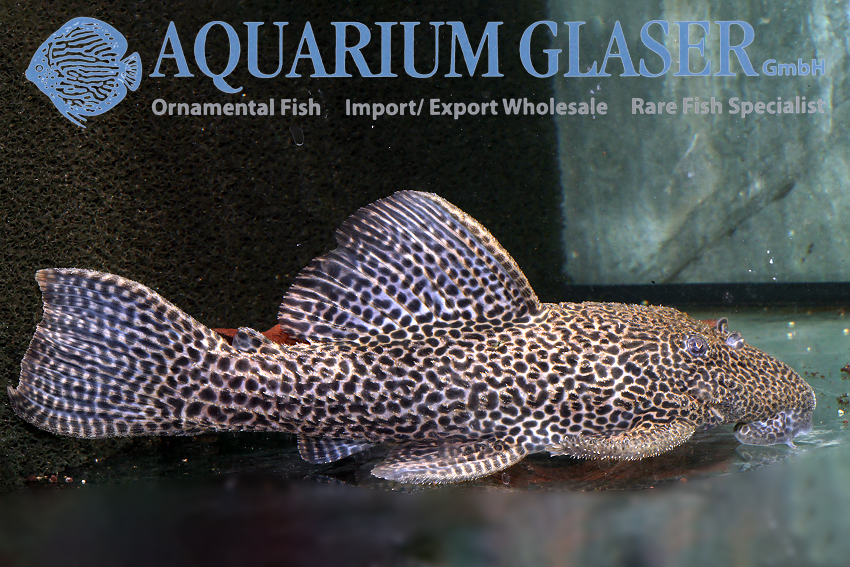
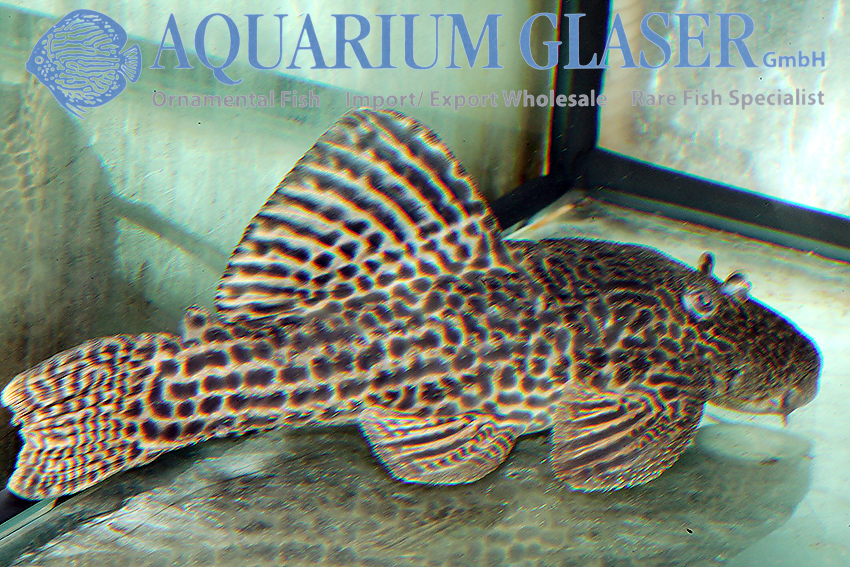
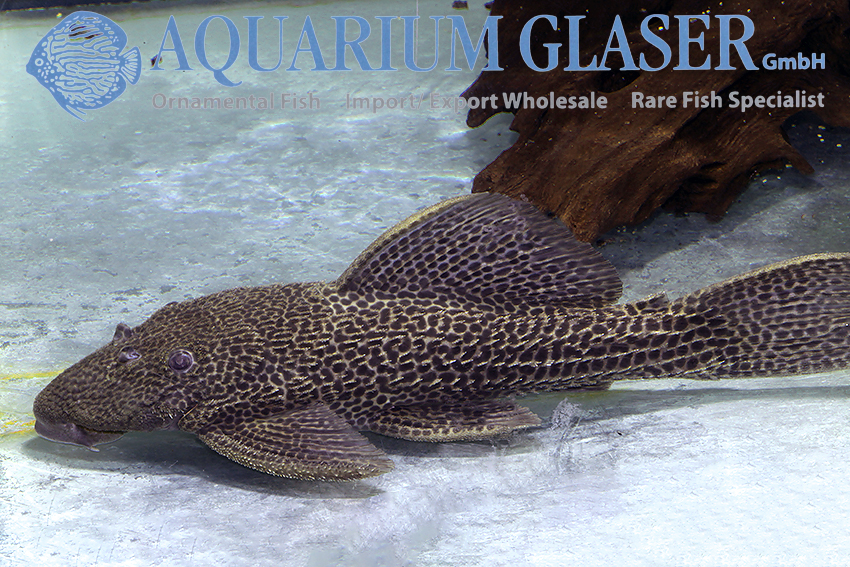
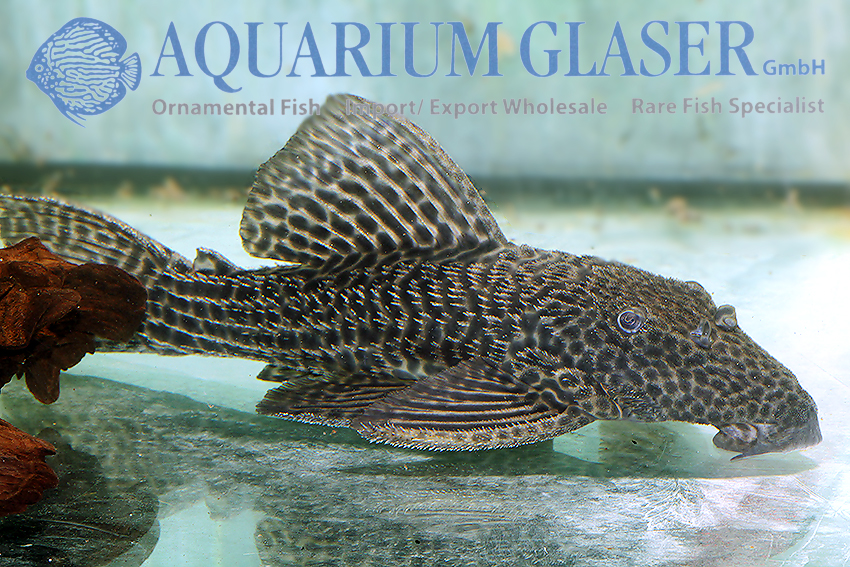
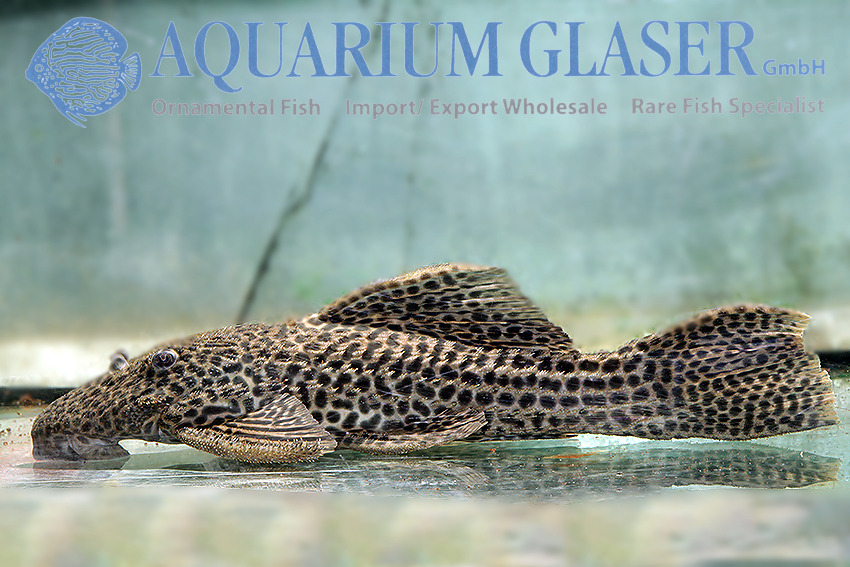
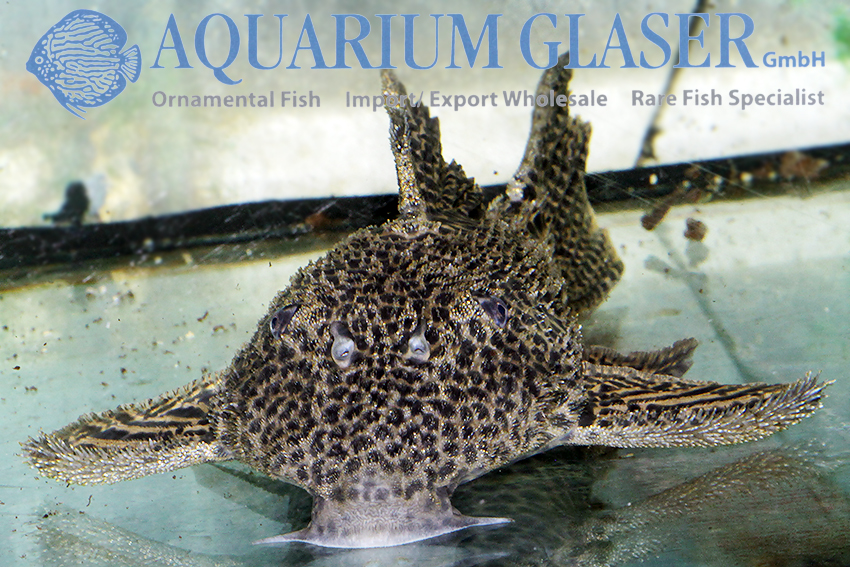
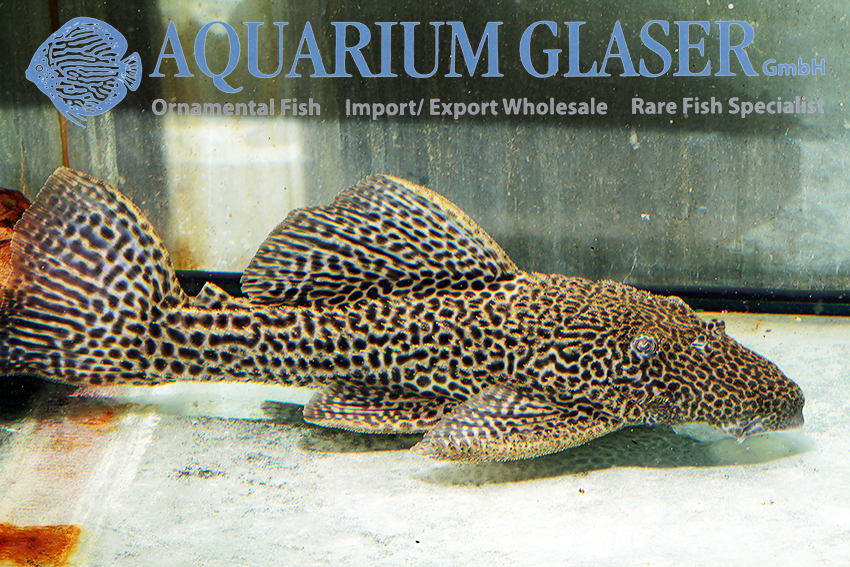
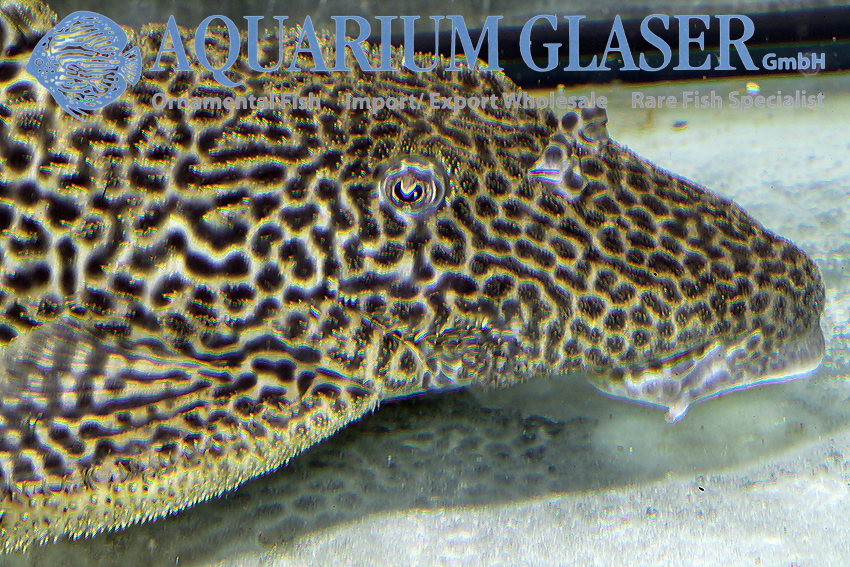
In general, the two scientifically accepted species (there are several synonyms, which we will not discuss here) differ quite distinctly. M. parananus has a higher back, its dorsal fin is relatively taller (similar to that of sailfin catfish of the genus Glyptoperichthys), and its body pattern consists of large black spots, whereas in the significantly flatter-bodied M. barrae, the dorsal fin is also relatively lower, and the body pattern consists of a line pattern. For information on the appearance of M. parananus, see https://www.aquariumglaser.de/en/10-catfishes/10b-catfishes-suckermouths-plecos-and-l-numbers/megalancistrus_parananus_l234_en/, https://www.aquariumglaser.de/en/10-catfishes/10b-catfishes-suckermouths-plecos-and-l-numbers/l234a_a_new_megalancistrus_en/ and https://www.aquariumglaser.de/en/10-catfishes/10b-catfishes-suckermouths-plecos-and-l-numbers/l234_megalancistrus_sp_rio_urguayo_en/
Both Megalancistrus species are rarely caught by fishermen. It is unknown whether this is because they are rare in their habitat (which is rather unlikely). It is more likely that their lifestyle makes it unlikely for them to be caught in gear designed for traditional food fish; it is conceivable, for example, that they live among deadwood in deeper waters. In any case, they are very rare in the trade, and consequently little is known about their natural coloration and intraspecific variability. Megalancistrus from the Rio São Francisco are generally referred to as M. barrae in scientific literature. In the hobby, however, there is some uncertainty about this, as the “Golden Dragon” specimens occasionally imported from there do not match the coloration typically associated with M. barrae. They are therefore usually designated as M. cf. barrae.
We were able to import a number of these very rarely available Megalancistrus cf. barrae in various sizes from the Rio São Francisco. Not a single one has a linear pattern on its flanks; all feature a dot or worm-like pattern. The intraspecific variability is so great that each individual specimen can be identified by its unique markings. As they age, they become increasingly spiny. These skin spines—called odontodes—eventually grow so densely that, under the right lighting, the fish appear to be draped in a silver or gold robe. Hence the common name “Golden Dragon.” In addition, freshly caught fish have a high proportion of yellow in their coloration.
Megalancistrus are only suitable for specialists with truly large aquariums. They are aggressive toward one another and can, under certain circumstances, inflict serious injuries. To keep multiple specimens, you therefore need truly massive aquariums that are set up to provide plenty of hiding places. Megalancistrus generally show no interest in fish of other species; however, as an exception, you should exercise great caution when keeping them with other armored catfish.
Maximum size: approx. 60 (up to 80?) cm; Temperature: 25–28°C; pH and hardness: not important for care (tap water); Diet: any dry or frozen food, vegetables, soft wood; Social behavior: solitary.
For our customers: The animals are listed under codes 267442 (10–12 cm) through 267447 (35–40 cm) on our stock list. Please note that we supply exclusively to wholesale customers.
Text & photos: Frank Schäfer
