








The genus Melanocharacidium (the name roughly means “black Characidium”) was established in 1993. The author assigned eight species to the new genus, six of which he described as new. Since then, only one additional species has been added: M. auroradiatum from the Rio Araguaia in Brazil. We were recently able to import a Melanocharacidium species from Peru for the first time in quite a while. Three of the nine species are reported from this country: M. dispilomma, M. pectorale, and M. rex. Of these three species, our new imports match the description of M. dispilomma very closely.
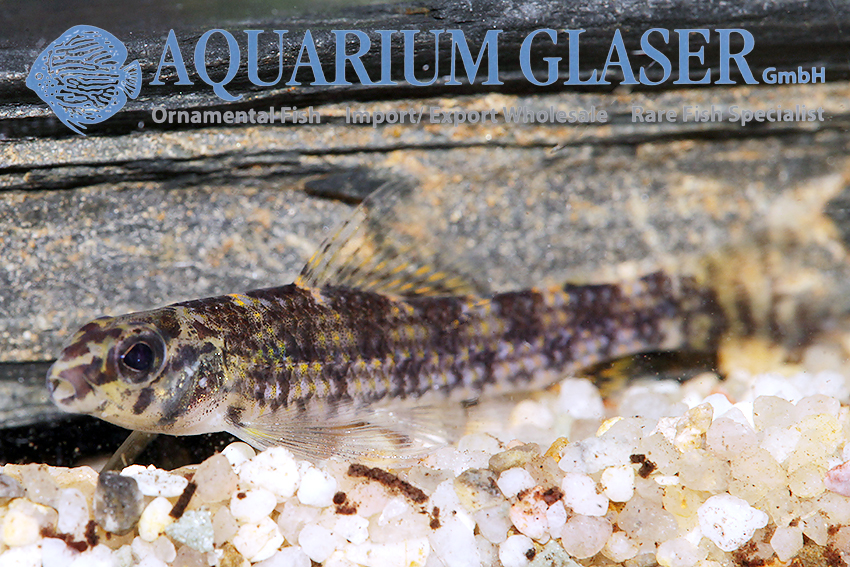
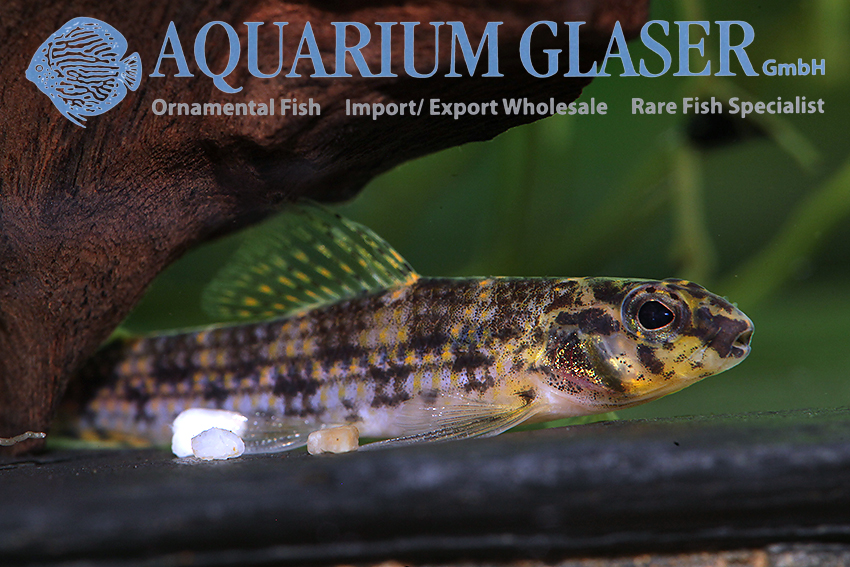
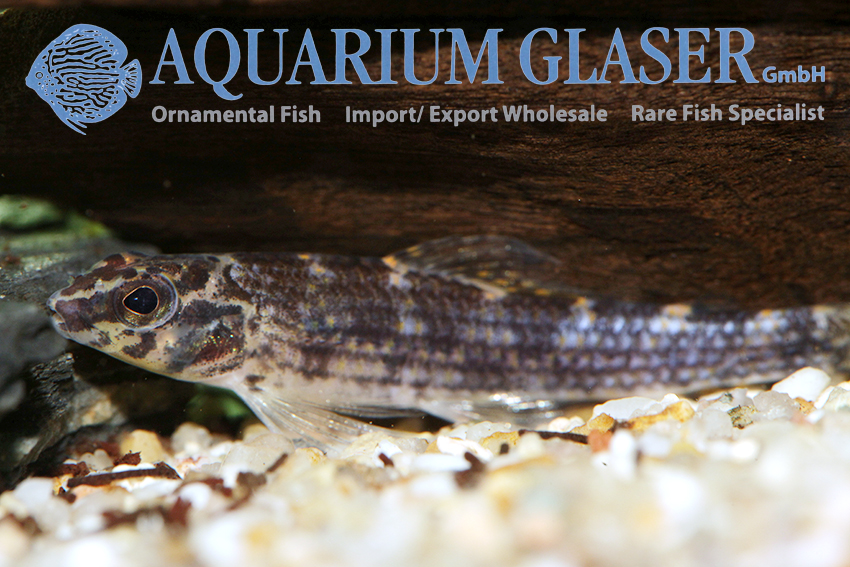
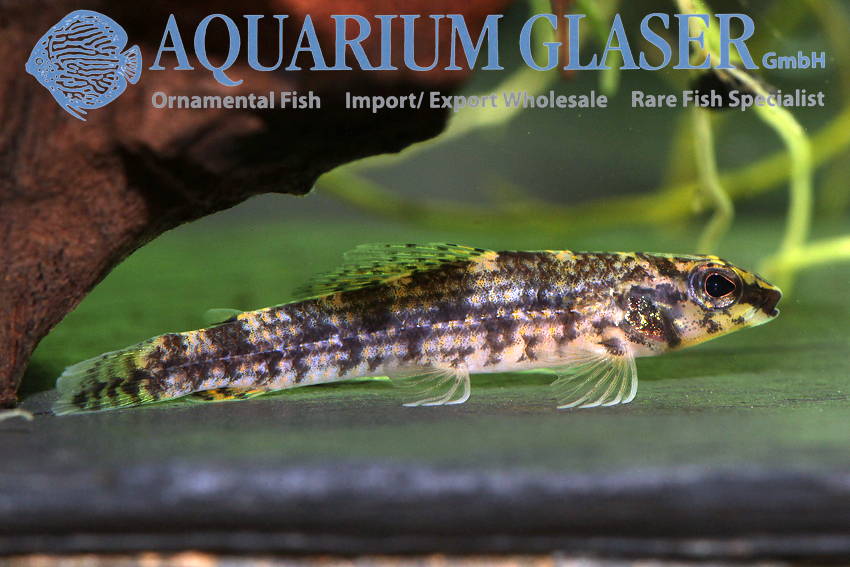
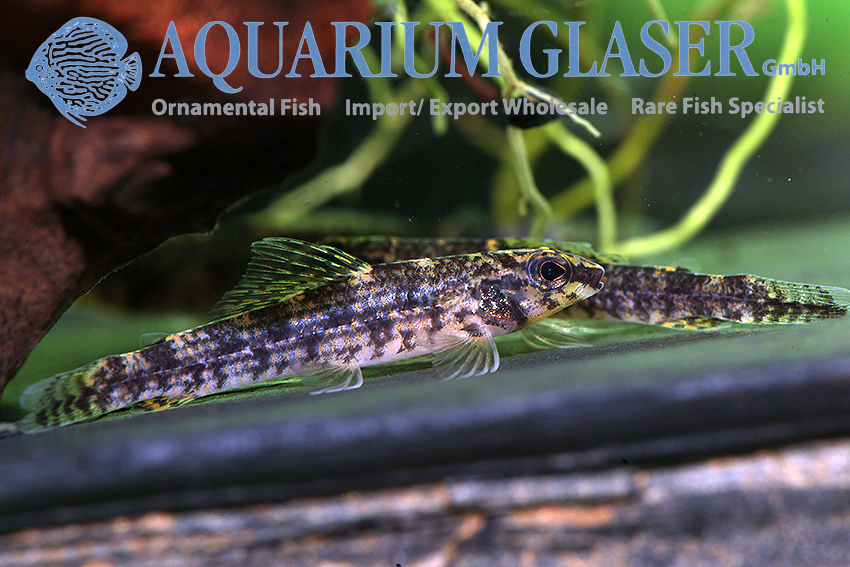
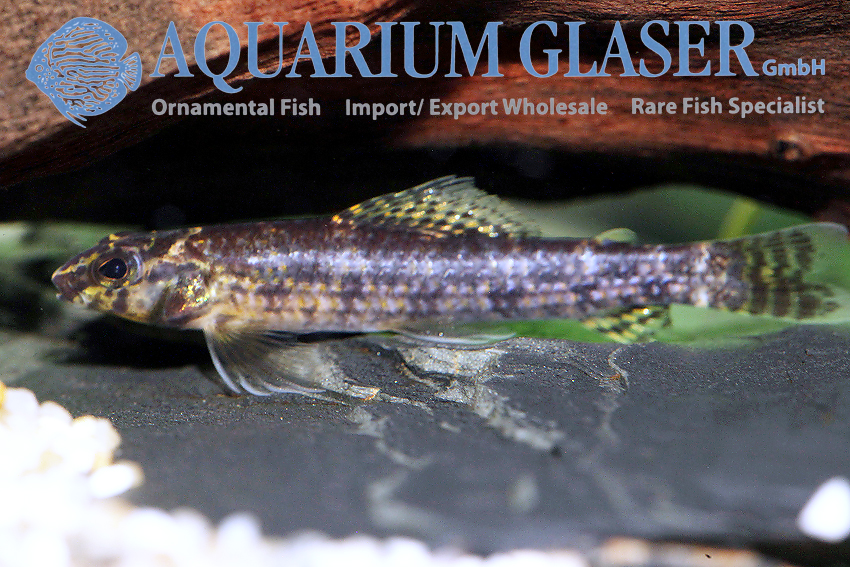
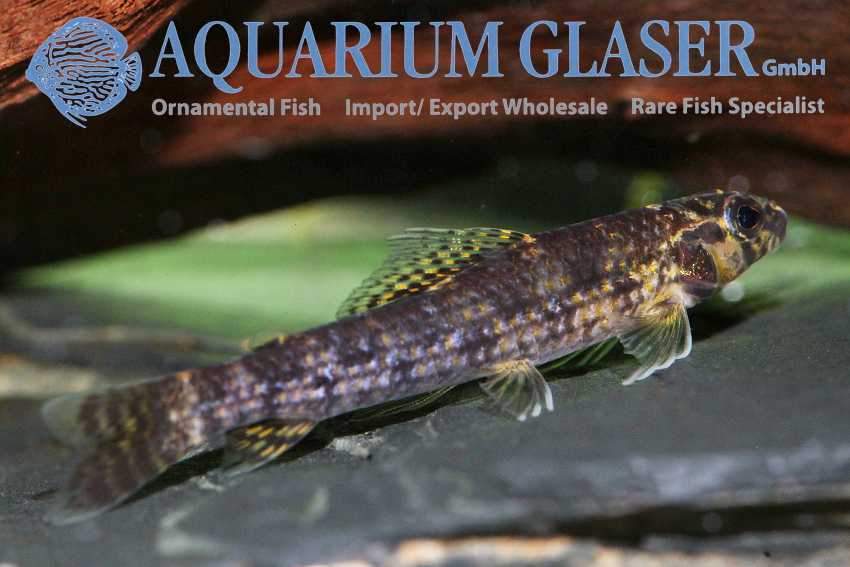
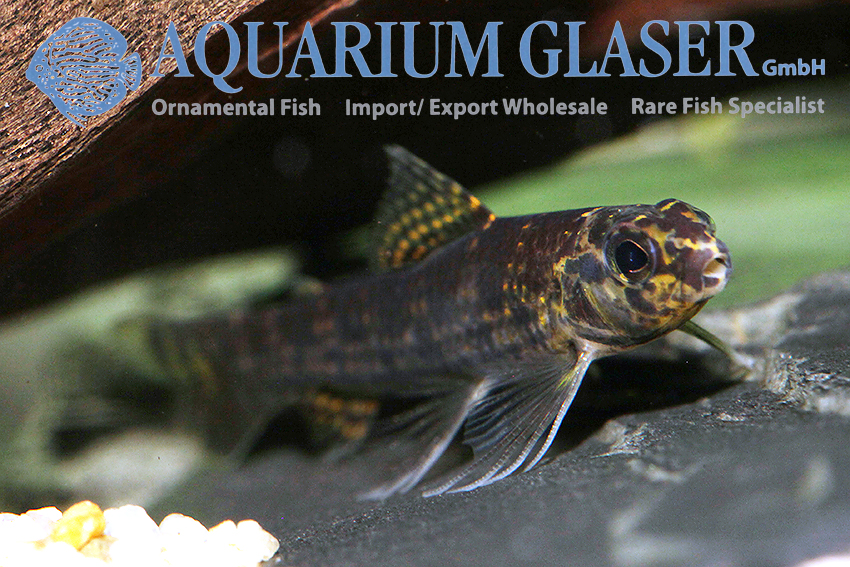
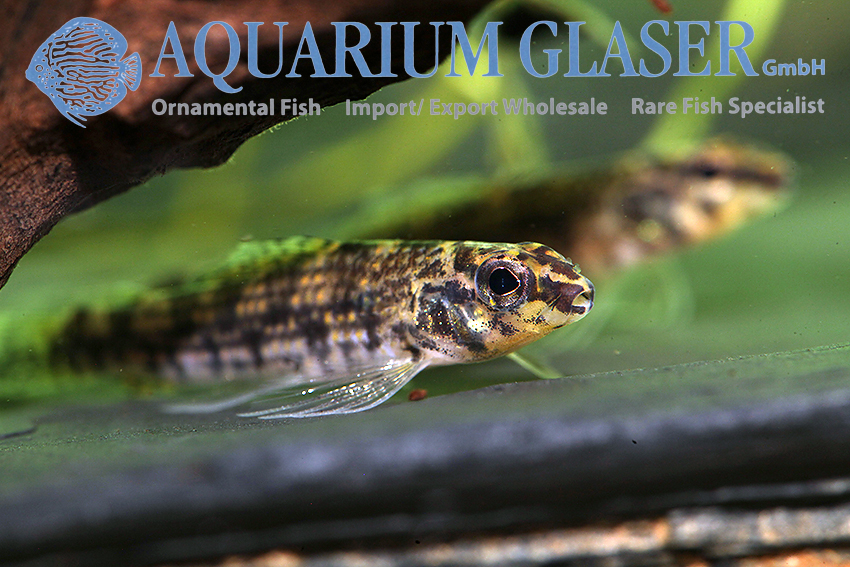
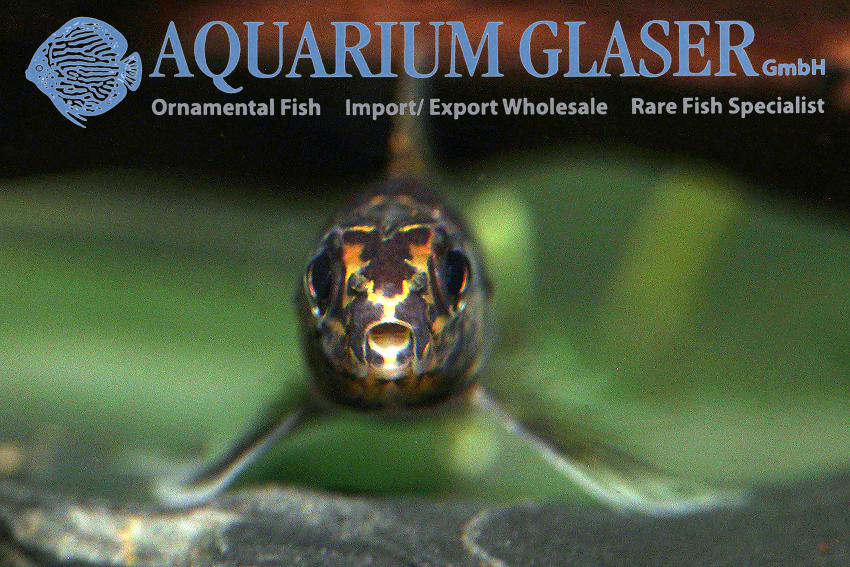
Melanocharacidium dispilomma has a very wide distribution in South America. Records exist from Bolivia, Brazil, French Guiana, Guyana, Colombia, Peru, Suriname, and Venezuela—in other words, practically all major river systems in the northern part of the subcontinent. In such cases, it stands to reason that we are likely dealing with a complex of very similar species rather than a single species. But who knows? We had previously imported a very similar species from Brazil, which we designated as “cf. dispilomma” (see: https://www.aquariumglaser.de/en/09-characoids-tetra-relationship/melanocharacidium-cf-dispilomma-2/). However, those specimens were noticeably slimmer in build. We were unable to identify another species from Peru at all: https://www.aquariumglaser.de/en/09-characoids-tetra-relationship/melanocharacidium-sp-peru-2/ : So there’s still plenty of room here for aquarists with a thirst for research.
But M. dispilomma are a real asset for everyone else, too. The comical behavior of these fish is just plain fun! Based on our observations, these Melanocharacidium appreciate some cover from above. At least in the photo tank, they clearly preferred perching spots where either a root arched over them like a cave or a plant provided cover. Among themselves, they are constantly busy teasing one another. However, we have not yet observed any damage to their fins or persistent bullying. These bottom-dwelling characins behave completely neutrally toward fish of other species. They will eat any ornamental fish food of a suitable size that is offered to them. This species reaches a total length of about five centimeters.
For our customers: these fish are listed under code 267662 on our inventory list. Please note that we supply exclusively to wholesale customers.
Text & photos: Frank Schäfer
