





The bubble-nest-building members of the labyrinth fish family from Africa are classified in the genus Microctenopoma. They are all extremely rare in the aquarium trade, as they combine several characteristics that make them difficult to keep for a broad audience and in the trade. First, they are shy animals that take quite a while to acclimate to the point where they will show themselves in the aquarium without hesitation. This can easily take several weeks. Until then, they hide inconspicuously in the corners, which makes displaying them in stores a challenge.
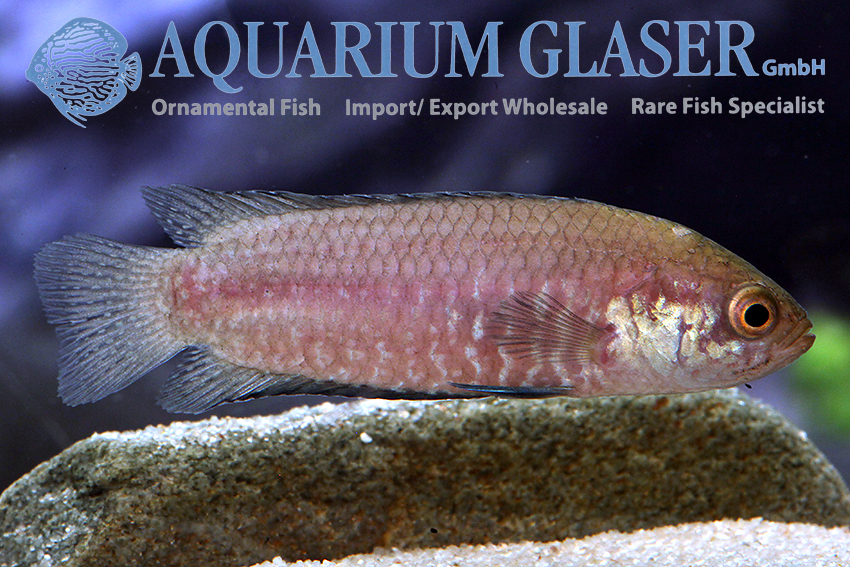
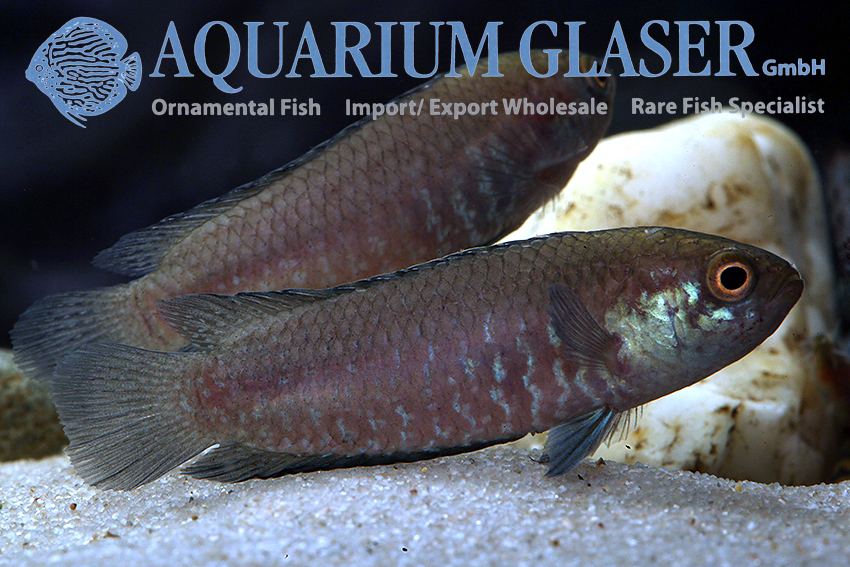
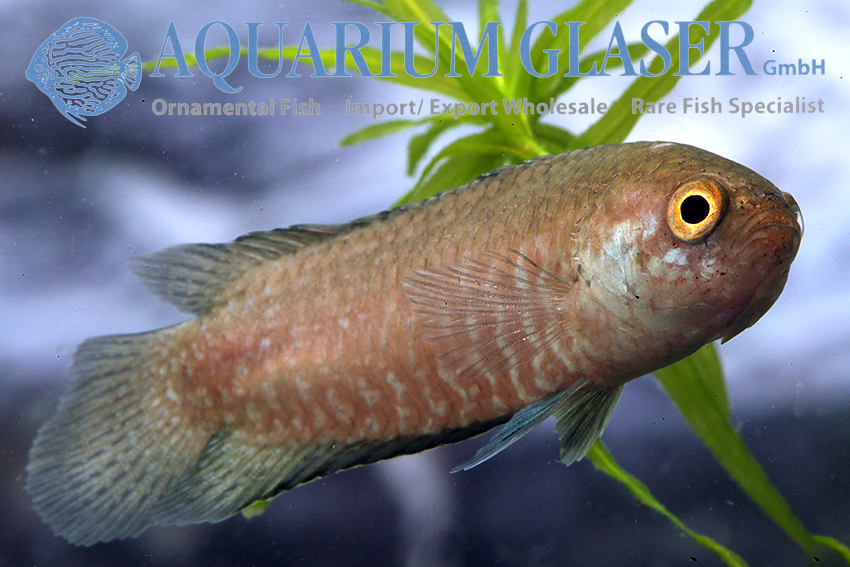
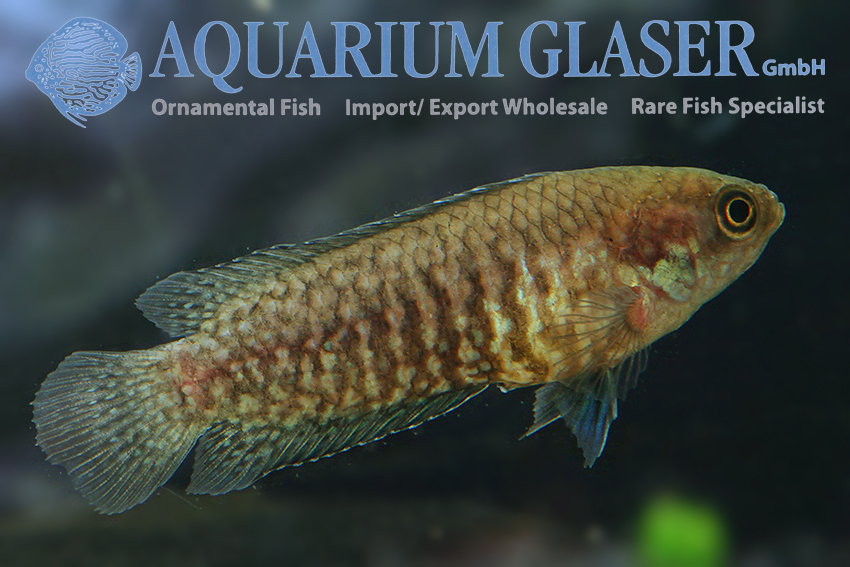
Second, they are somewhat unpredictable when it comes to breeding. Although all species have been bred, it is very difficult to schedule breeding cycles as reliably as is done with their Asian relatives. The fish usually resist such methods. When breeding does succeed, the offspring are numerous, as with gouramis and paradise fish. And this large brood is, for the reasons described above, difficult to market, which is why successful breeders often give up in frustration.
For true labyrinth fish enthusiasts, it is therefore a cause for great celebration when they happen to find one of these species available in stores. Most often, these are the Congolese M. ansorgii and M. fasciolatum or M. nanum from Cameroon. Even specialists usually know the remaining 16 described species only by hearsay.
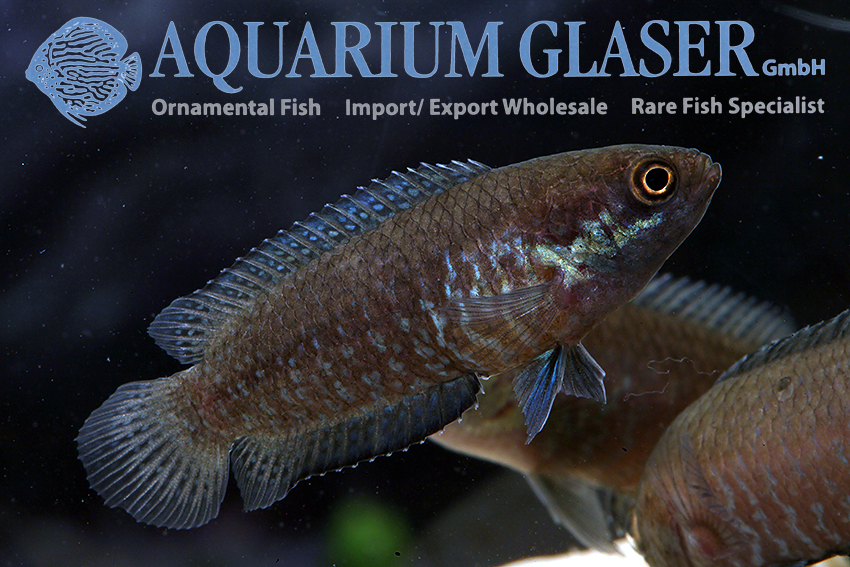
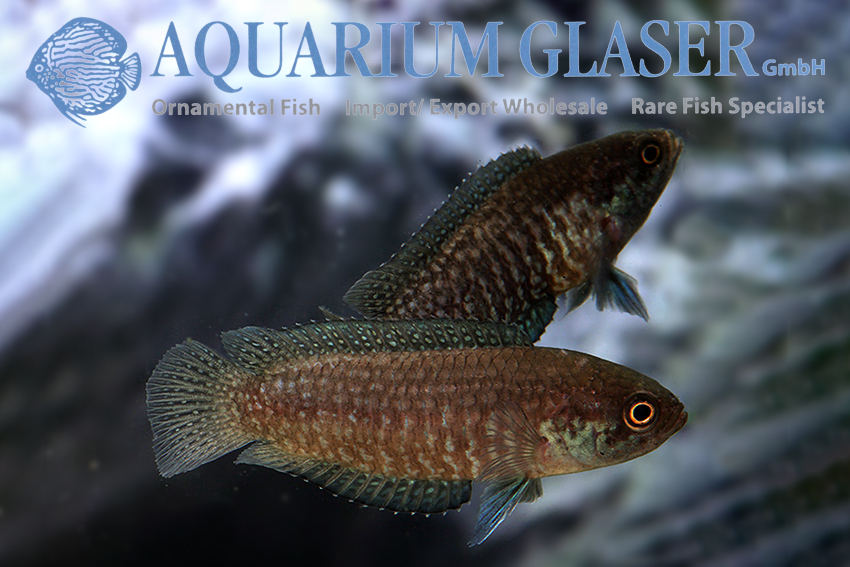
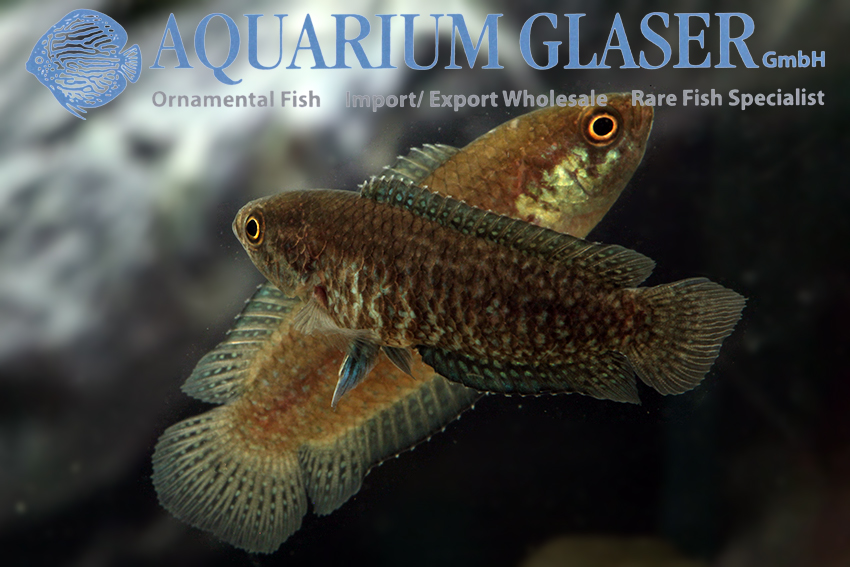
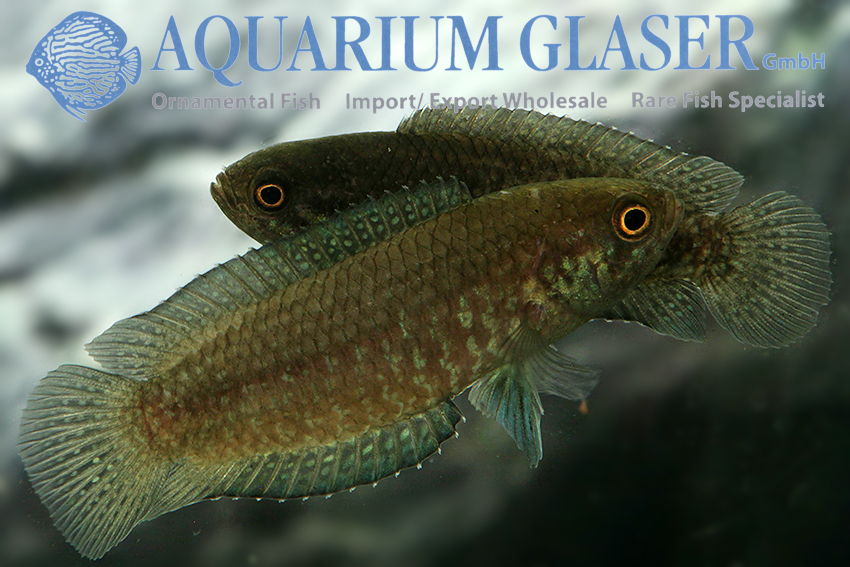
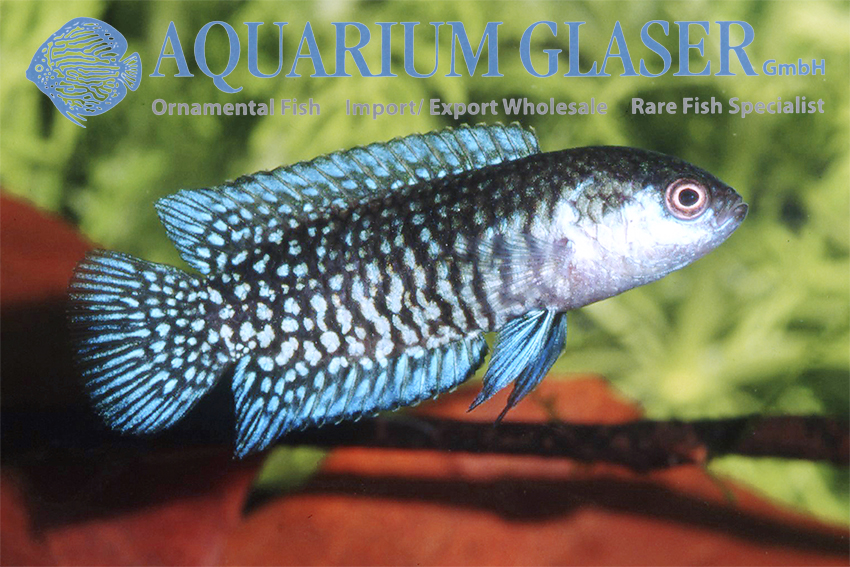
Microctenopoma damasi, the pearl bush fish, is native to the Lake Edward Basin (Uganda & DR Congo). It´s aquarium biology was described in detail as early as 1969 in a scientific paper, which compared the reproductive behavior of this bubble-nest-building species with that of a free-spawning species (in this case, Ctenopoma muriei, which is also found in Uganda). Densely planted, structurally rich aquariums, not-too-bright lighting, and a thoughtfully selected mix of other species are the key to ensuring that both the keeper and the fish derive maximum enjoyment from each other. Tankmates are particularly important because they help the bushfish overcome their shyness.
Maximum size: approx. 6–7 cm; males grow larger than females; temperature: 20–28°C; pH and hardness: not significant for care and breeding (tap water); diet: dry, frozen, and live food; social behavior: peaceful, shy fish with a social hierarchy.
For our customers: These fish are listed under code 116012 on our stock list. Please note that we supply exclusively to wholesale customers.
Text & photos: Frank Schäfer & Dieter Bork
