








Armored catfish are known to be a very species-rich and diverse group of fish. The largest species can grow to a length of one meter; Nannoptopoma are among the smallest known species, reaching only about 3-4 cm in total length.
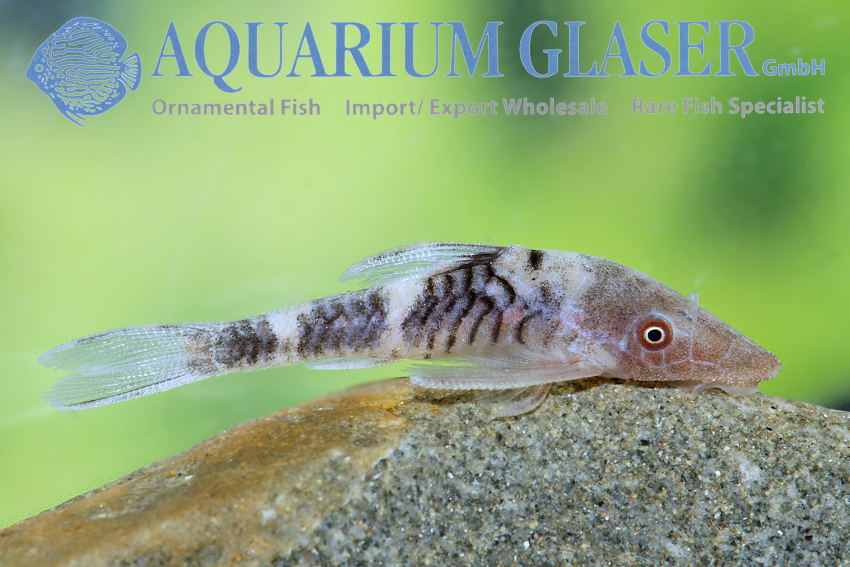
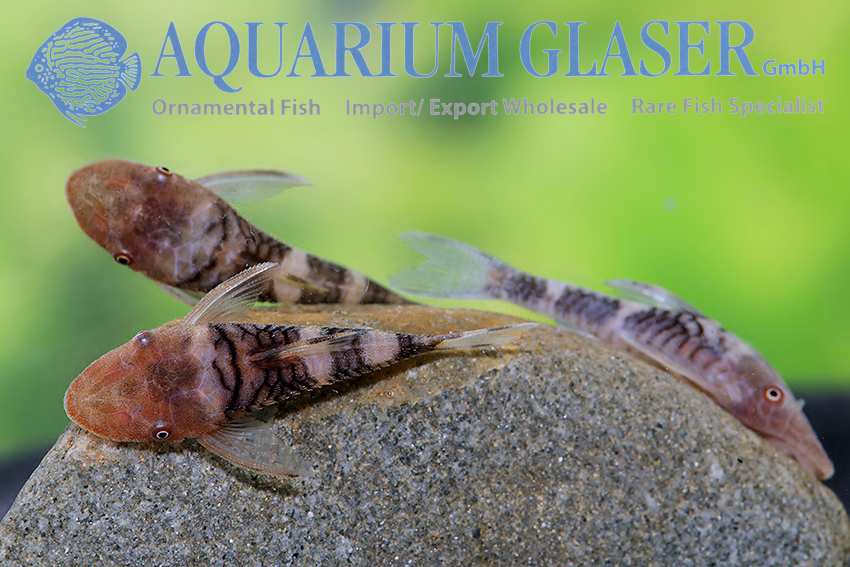
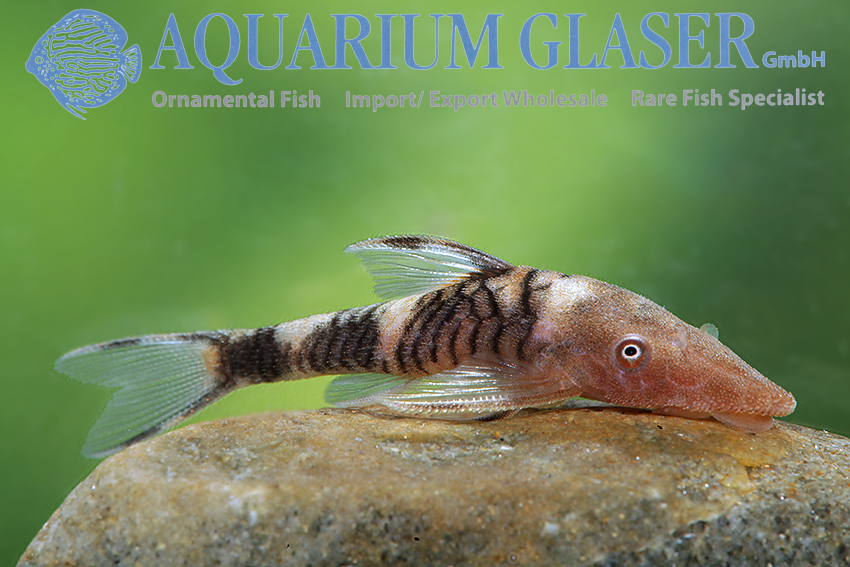
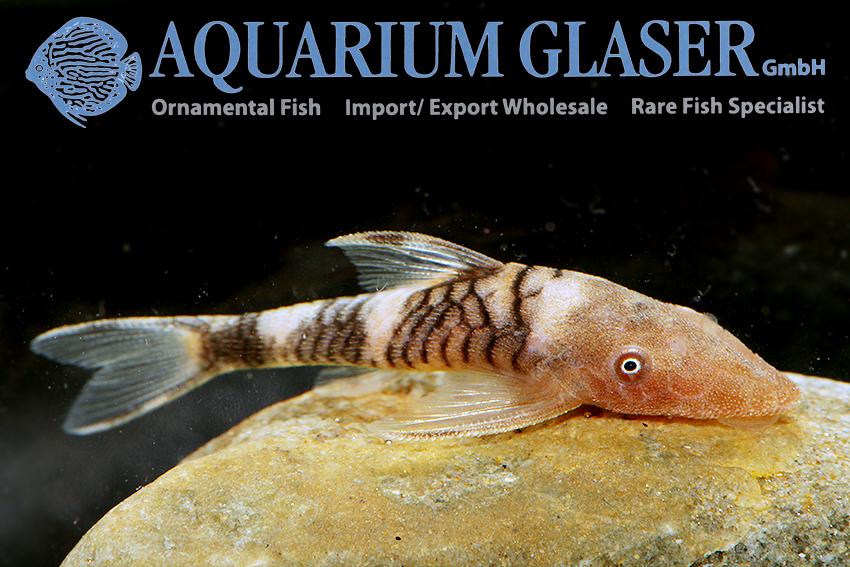
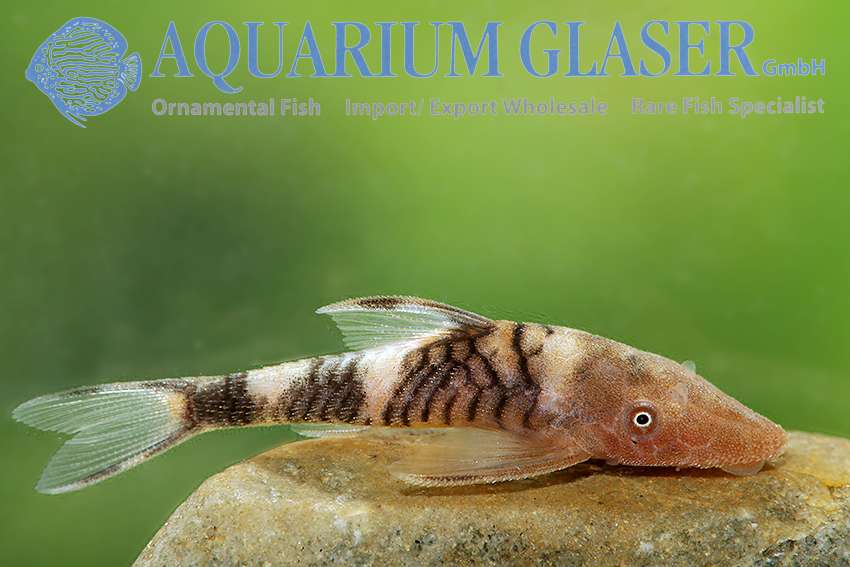
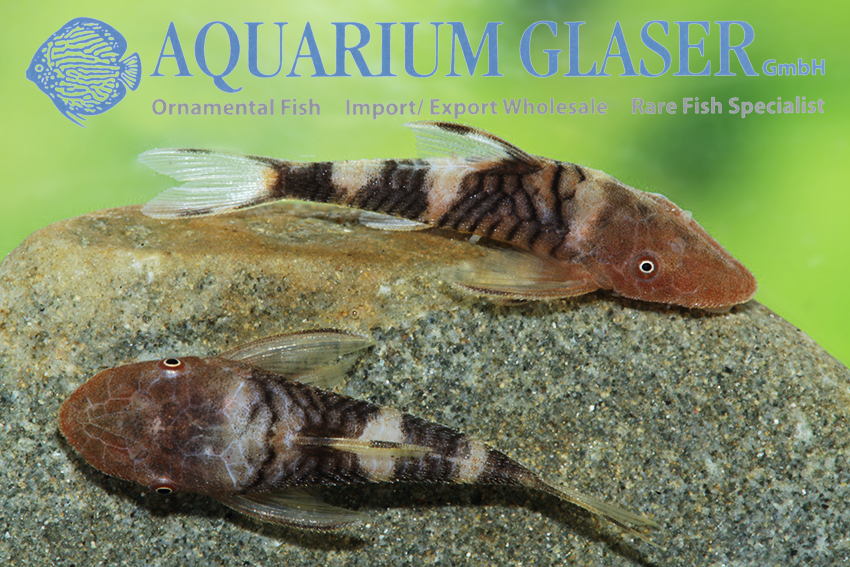
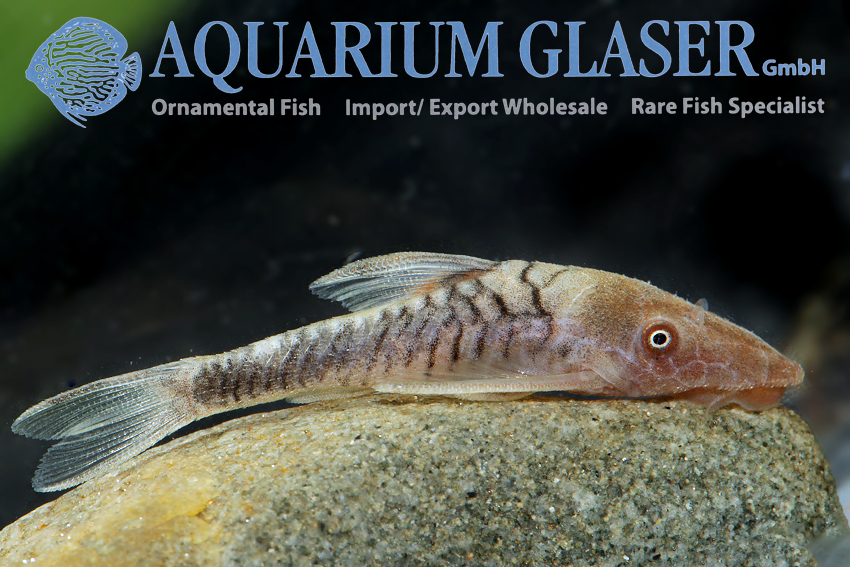
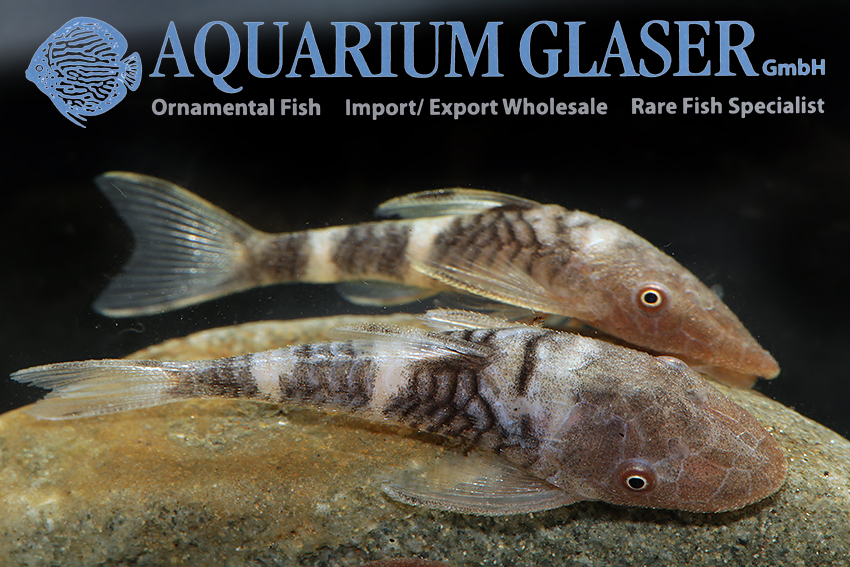
The genus Nannoptopoma is easily recognizable by its eyes, which are positioned very far to the sides of the head, allowing the fish to see both upwards and downwards. This eye position is otherwise only found in the considerably larger Hypoptopoma and Oxyropsis. At times, Nannoptopoma was even considered synonymous with Hypoptopoma, but the latest scientific research has reconfirmed the separation and independence of Nannoptopoma (Delapieve et al, 2018).
So far, only two species of dwarf sucker catfish of the genus Nannoptopoma have been scientifically described, namely N. spectabile and N. sternoptychum; in the hobby, we also know of two undescribed species from Peru, which were presented in Aqualog Bookazine #9 as LDA109 and 110. While N. spectabile and N. sternoptychum are not very striking in color and differ mainly anatomically (the pectoral fins are considerably longer in N. sternoptychum, and the species also has a row of conspicuous bone plates in the pectoral girdle area), LDA 109 and 110 are very attractively colored with high contrast and differ significantly from each other in color.
Freshly imported Nannoptopoma are quite sensitive, which is probably due to the quality of the holding conditions in their country of origin. Once they have successfully acclimatized (sturdy yogurt has proven to be a very effective food for rebuilding disturbed intestinal flora, Mike Meuschke, verbal communication), they are by no means extremely demanding. Sufficient dead leaves should always be available in the aquarium as a staple food (beech, oak, sea almond, small amounts of walnut). Some keepers recommend larger aquariums, which largely feed the animals on their own and offer more stable water conditions. In any case, Nannoptopoma species are only suitable for experienced aquarists, especially since they are often quite shy.
Nannoptopoma sp. Zebra / LDA110 from Peru (Rio Tigre basin) is anatomically closer to N. spectabile than N. sternoptychum and is also often referred to as N. spectabile in the trade. As with N. spectabile, the tips of the pectoral fins do not reach the base of the anal fin and there are no bony plates on the ventral side above the shoulder girdle. However, there is no doubt that LDA110 is a scientifically new, undescribed species, as N. spectabile is more or less uniformly brown in color. Nannoptopoma sp. Zebra Rio Tigre (LDA110) was and is also referred to as N. sp. “Peru,” which is unfortunate, as three of the four species mentioned here occur in Peru.
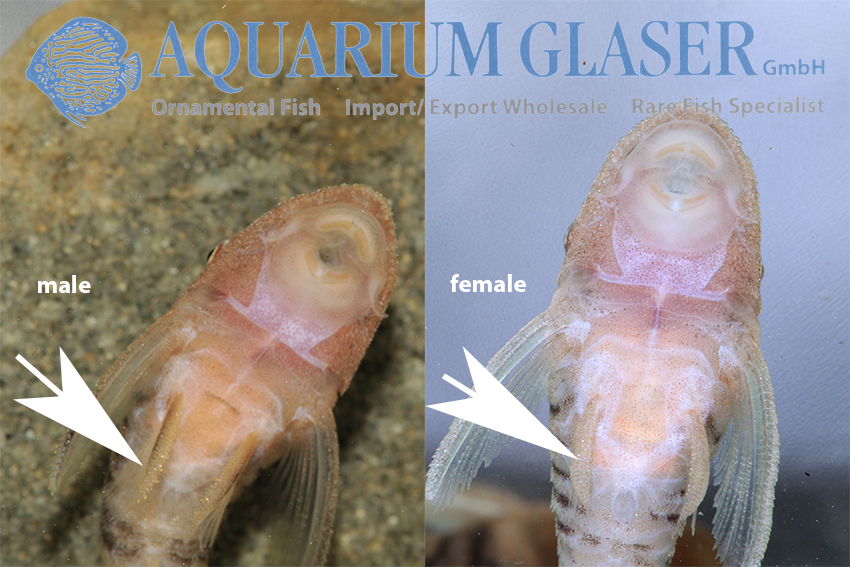
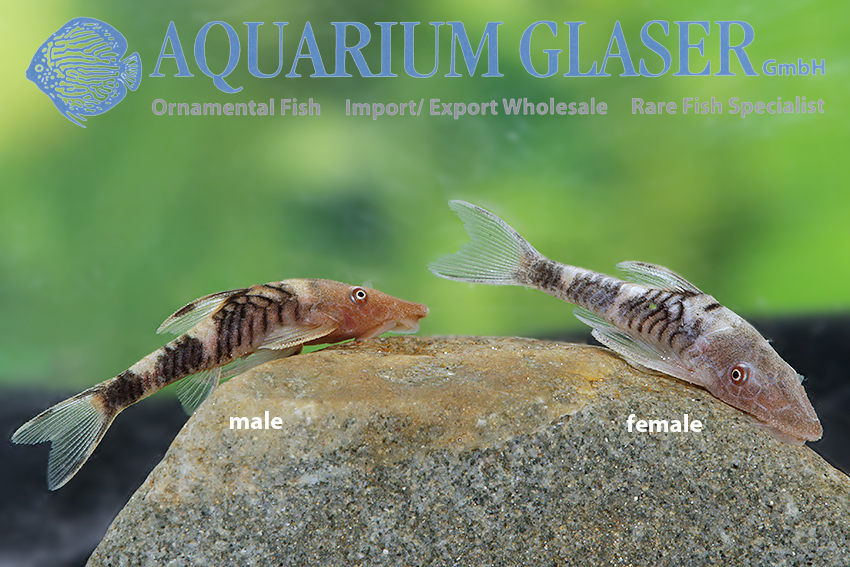
To our knowledge, breeding has not yet been reported, but the closely related N. spectabile has already been successfully bred in aquariums (Weidner & Dotzer, 2004). The reproductive behavior is reminiscent of Hypoptopoma, i.e., the animals are not cave spawners, but the eggs are laid openly (e.g., on one of the aquarium panes), but the males care for the brood until the young swim freely. Males and females seem to differ in LDA110 by the spines on their pelvic fins (with spines in the presumed males). In addition, the head coloration of some animals is rather reddish (presumed males), while others are rather pale (presumed females).
For our customers: the animals have code 271294 on our stock list. Please note that we only supply wholesale.
Literature:
Delapieve, M. L. S., P. Lehmann A and R. E. Reis (2018): An appraisal of the phylogenetic relationships of Hypoptopomatini cascudinhos with description of two new genera and three new species (Siluriformes: Loricariidae). Neotropical Ichthyology v. 15 (no. 4) e170079 (für den 18 Dez. 2017): 1-37
Weidner,T. & Dotzer,P.(2004): Klein, aber oho! Nannoptopoma cf. spectabilis. (Das Aquarium, 415,1:21-24): 2004/01:21-24
Text & photos: Frank Schäfer
