





A total of 19 described species are currently classified in the rheophilic genus Orthochromis. These are members of the Haplochromis relationship that practice mouthbrooding by females. Most species were only discovered and described in the past 30 years, though some have been known for a long time. None of them have gained significance in the aquarium hobby.
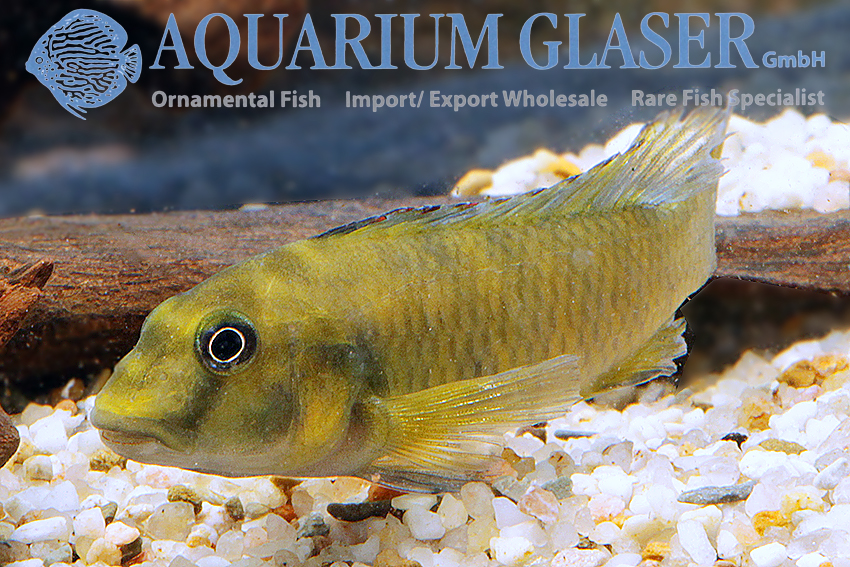
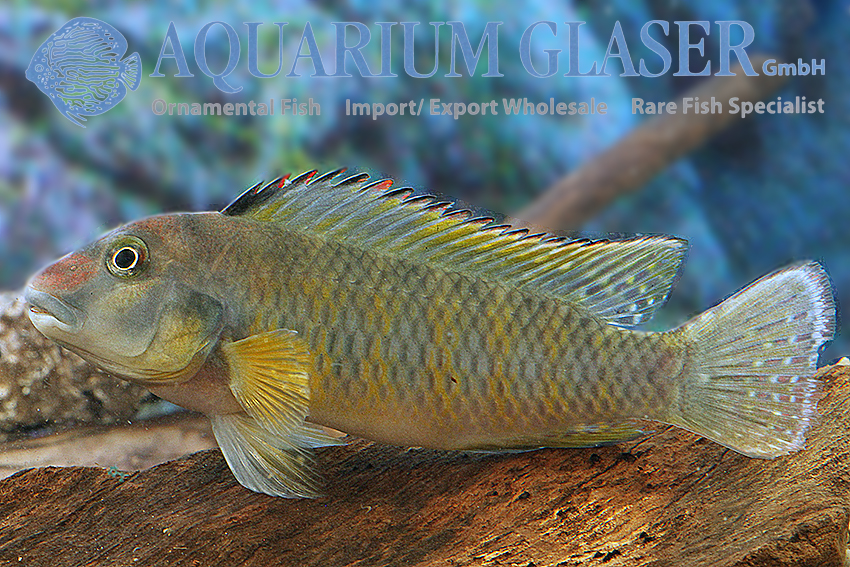
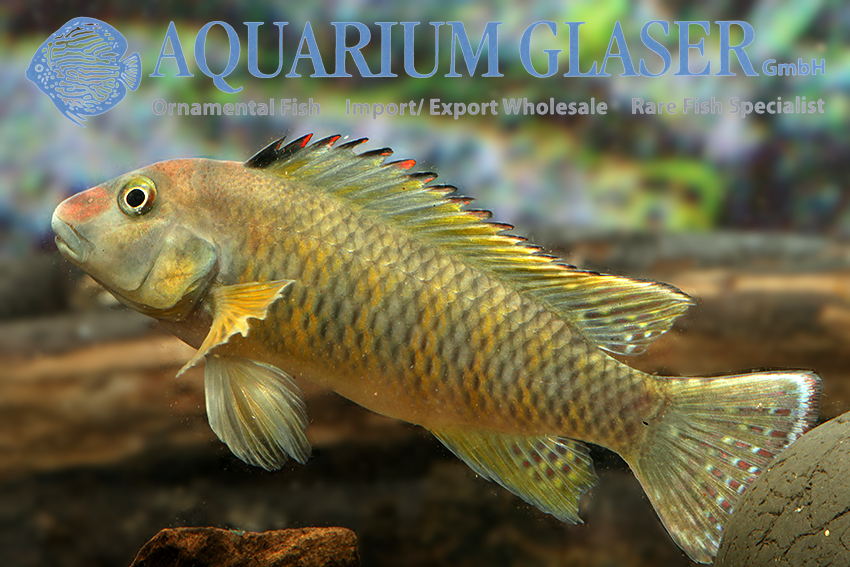
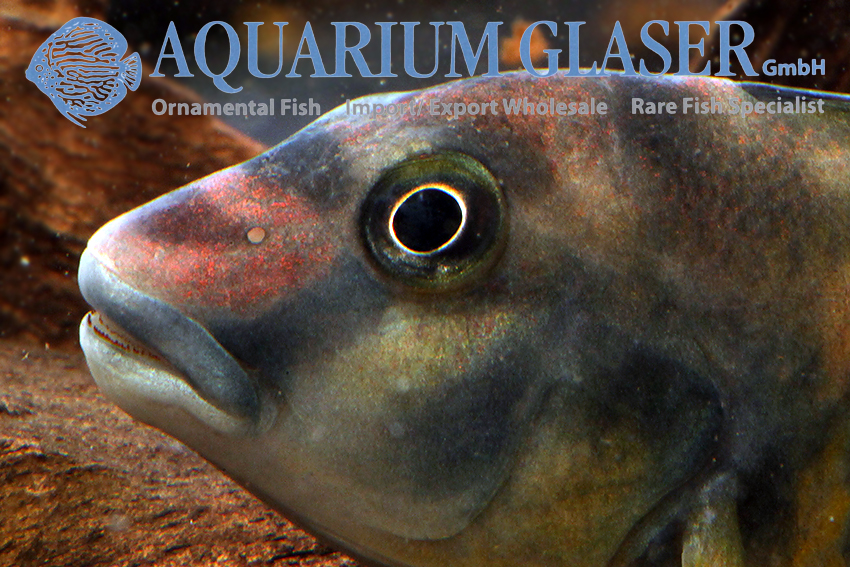
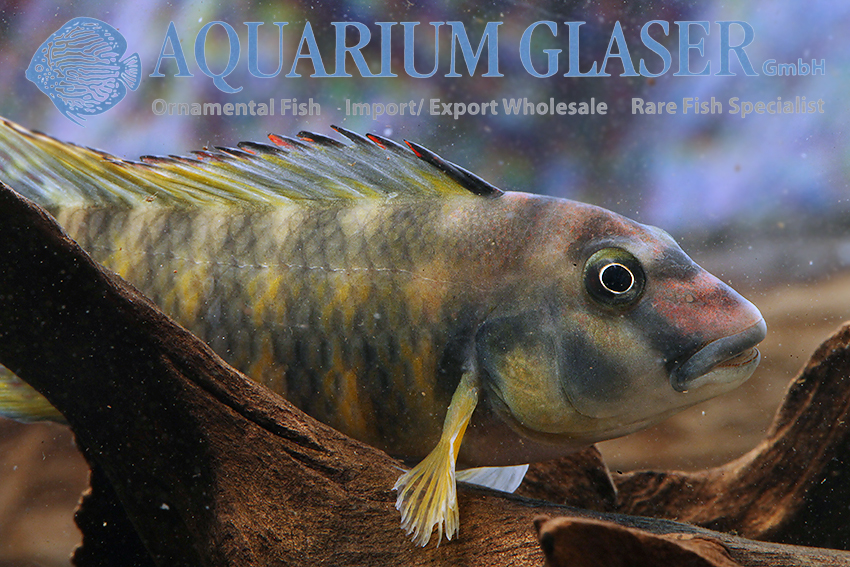
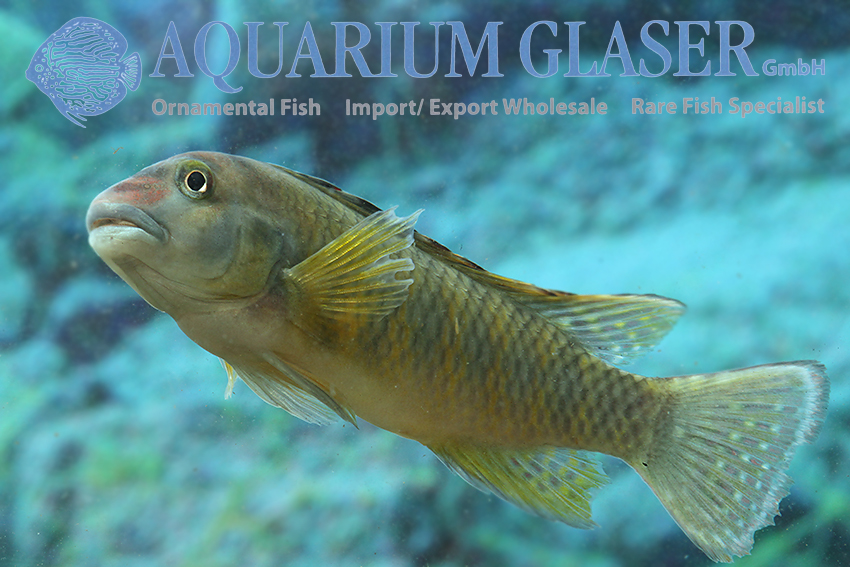
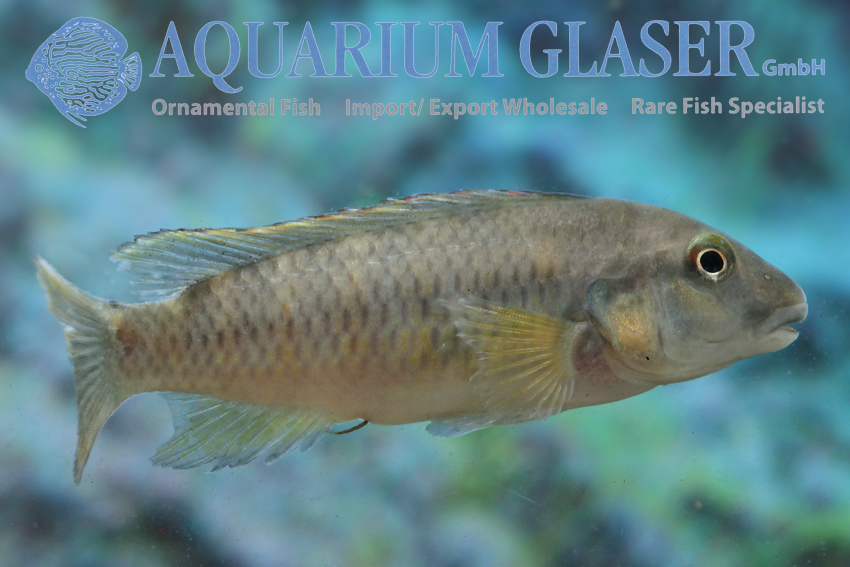
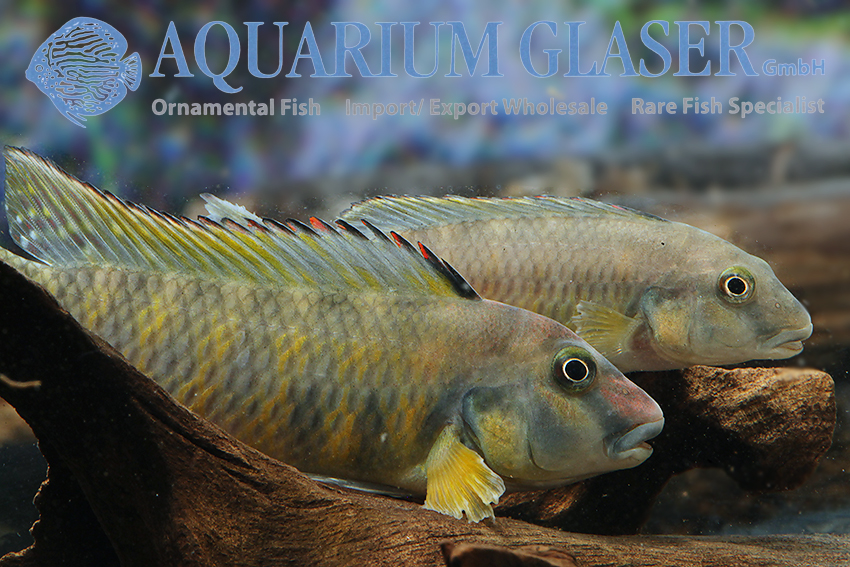
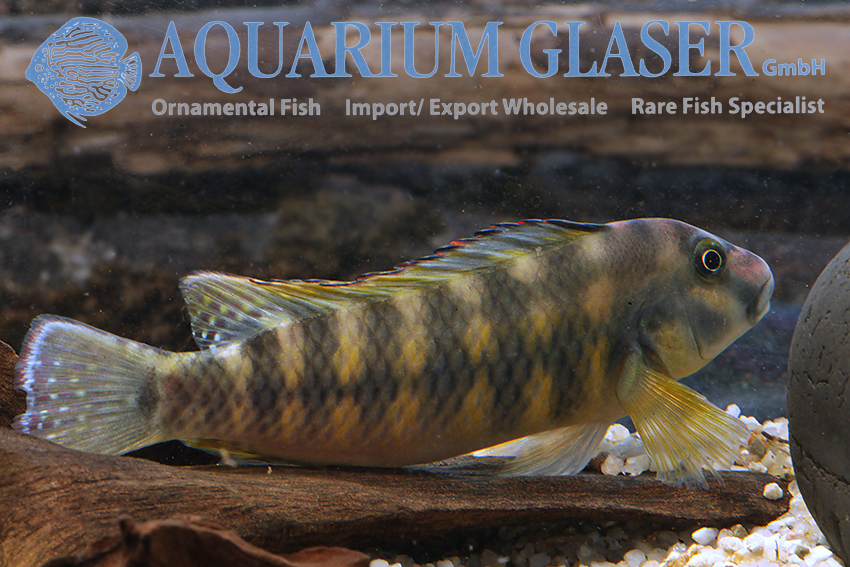
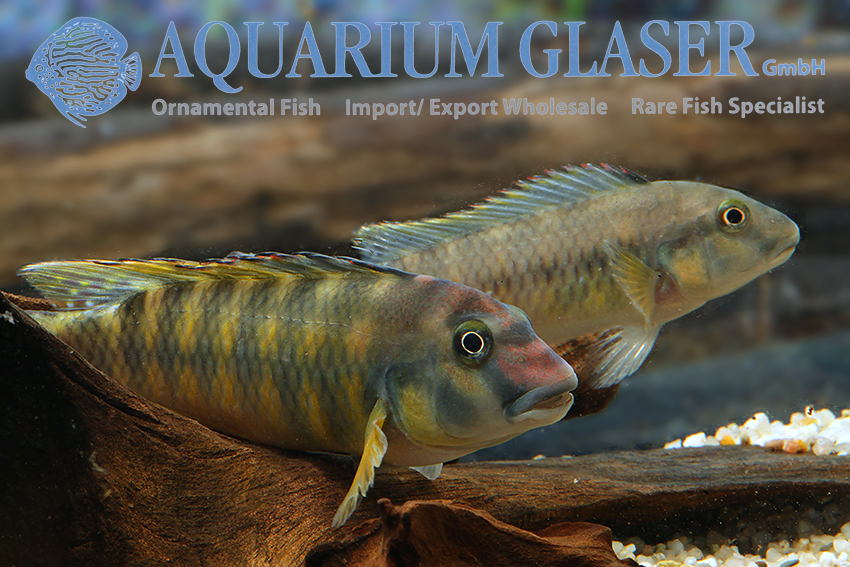
We have received a small number of German-bred specimens of a cichlid, which was first mentioned in the literature in 2014 and described as Orthochromis indermauri in 2018. Adult males of the species are easily recognized by the small spots in the upper right quadrant of the anal fin, which are interpreted as precursors to eggspots. Eggspots are found in many mouthbrooding cichlids. They were the subject of much discussion in the 1960s. It was initially assumed that these eggspots prompted the female to snap at them, thereby allowing the sperm necessary for fertilization to reach the eggs already in her mouth, where fertilization then takes place. In the meantime, however, so many types of eggspots (including those found in females) have been identified that the whole matter is likely much more complex. Furthermore, mouthbrooding also works in cichlids without eggspots in their anal fin.
In any case, we are fascinated by these fish, which look like a cross between Tanganyika clowns (Eretmodus) and humphead cichlids (Steatocranus). Unfortunately—as is typical for Haplochromis-like cichlids—they are very aggressive toward one another. You’ll search in vain for specimens with completely intact fins in a display tank containing several fish of this species. In a home aquarium, however, once the social hierarchy has been established, this issue resolves itself. There are reports suggesting it’s impossible to keep two males in the same aquarium, while other keepers have had no problems with this. The safest approach is probably to house one male with two to three females.
Orthochromis indermauri originates from the lower Lufubu River basin in Zambia, the third-largest tributary of Lake Tanganyika. The species name honors its discoverer, the Swiss ichthyologist Adrian Indermaur.
Maximum size: approx. 12 cm (males) and 8 cm (females); Temperature: 22–28°C; pH and hardness: not significant for care and breeding (tap water), but under no circumstances acidic; Diet: Aufwuchs-feeders; diet similar to Tropheus, Mbunas, etc.; Social behavior: aggressive cichlid with a distinct hierarchy.
For our customers: these fish are listed under code 556433 on our stock list. Please note that we supply exclusively to wholesalers.
Text & photos: Frank Schäfer
