








The small sucker catfish of the genus Otocinclus are among the most popular “cleaners” in aquariums. They tirelessly clean all surfaces they can reach. Since they usually only grow to 3-4 cm, rarely up to 5 cm in length, and perform their cleaning activities very delicately, they do not damage even relatively delicate plants, but ensure that they look clean and fresh.

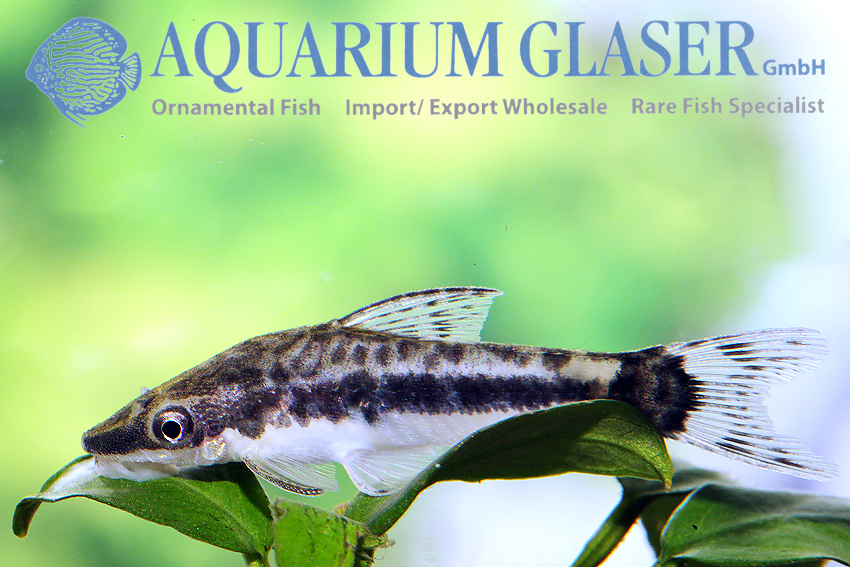


Unfortunately, most of the 20 currently accepted species look very similar to each other. In 1997, Scott A. Schaefer published a major revision of the genus, in which 15 species were distinguished. This revision was intensively discussed in aquarium circles, and attempts were made on its basis to finally assign the correct names to the species available in the hobby. The success was rather modest. The majority of Otocinclus traded still sail under the name “Otocinclus affinis,” although this inconspicuous species from southern South America is hardly ever found in stores. Most of the animals designated as such belong to the species O. vestitus.
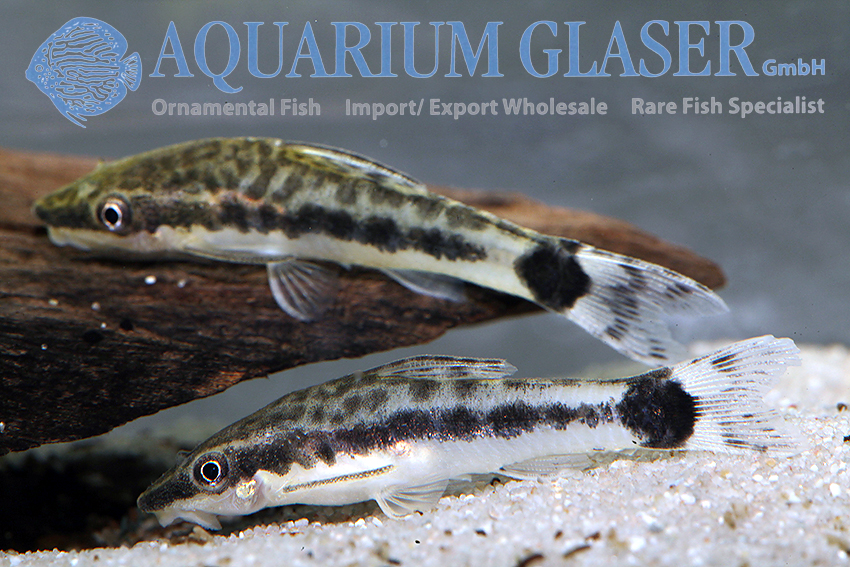
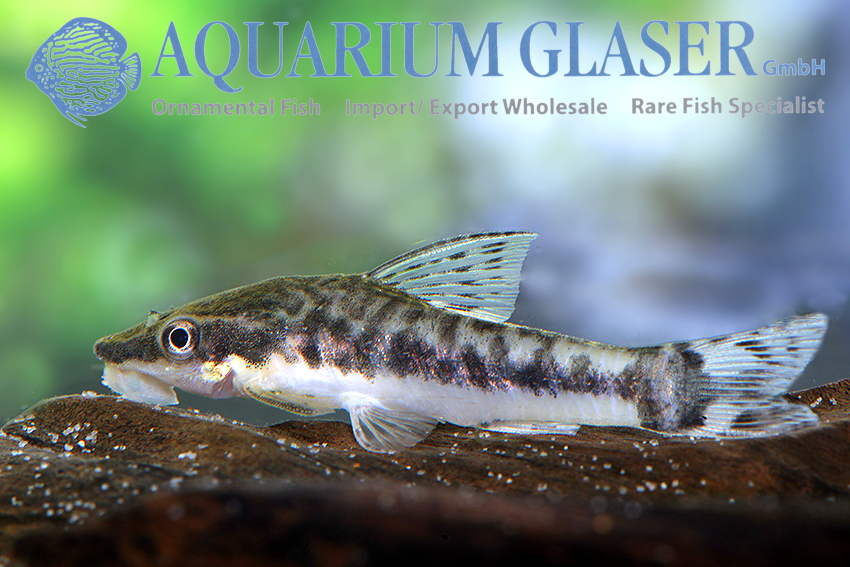
A pretty and very hardy species has been imported from Brazil for decades. It is called “Otocinclus cf. macrospilus” because of the very large spot on its tail root. The word ‘macrospilus’ means “with a large spot.” The species Otocinclus macrospilus was scientifically described as early as 1942 and illustrated in a very good drawing. The specimens on which the description was based were found in the Rio Morona, upper Amazon basin, Loreto department in Peru. Although the animals imported from Brazil visually matched O. macrospilus well, the locations where they were found were very far apart. Research revealed that the Brazilian specimens are caught in the Rio Purus; at least some of them come from the political municipality of Lábrea, located on the Rio Purus. This prompted the addition of “cf.” (stands for ‘confer’ and means “compare with”) to express a certain reservation in the determination. Rightly so, as it now turns out. One of the recently newly described species—Otocinclus mangaba from the Rio Madeira basin—is much more similar to the Otocinclus from the Rio Purus. The Rio Purus and the Rio Madeira flow parallel to each other for long stretches toward the Amazon and are only about 200 km apart on average.
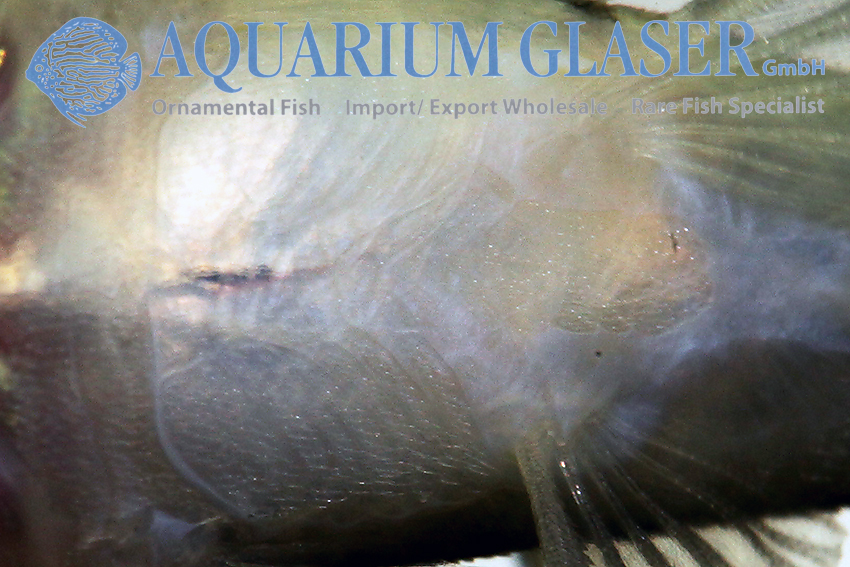
A feature that is rare in Otocinclus is typical of O. mangaba: the abdominal region between the large pectoral bone plates on the sides of the body is bare – just like in Otocinclus from the Rio Purus! The coloration of O. mangaba also corresponds very well to that of the animals from the Rio Purus. Some differences in detail are due to individual color variation, while others are mood-related. In the preserved holotype of O. mangaba, the large tail root spot appears to be divided into two parts, a front and a rear half. This is also the case in freshly imported animals, but this color feature largely disappears in well-acclimated animals.
Basically, it doesn’t matter which Otocinclus species you buy, as they are all excellent aquarium fish and outstanding cleaners. They should be kept in groups that are as large as possible, as they are social animals. And it is essential to ensure that they get enough food. Slices of vegetables (zucchini, potato, carrot, etc.) should always be available (replace daily, otherwise it will pollute the water), along with fine frozen food (cyclops, artemia, water fleas) and food tablets. This is the recipe for round and happy otos. Hardness and pH value are insignificant for these fish; any tap water suitable for drinking is suitable for their care. Males are smaller and slimmer, but there are no other differences between the sexes. Breeding is similar to that of armored catfish, i.e., the animals spawn in groups. Otocinclus do not care for their young.
For our customers: Otocinclus cf. macrospilus/O. mangaba have codes 274113-274116 on our stock list, depending on size. Please note that we only supply wholesale customers.
Text & photos: Frank Schäfer
