








From time to time, we are able to offer a beautiful and extremely rare Otocinclus from Paraguay, namely O. mimulus. In addition to all the well-known positive characteristics that this species shares with other members of the Otocinclus genus – i.e., small size, peaceful nature, good algae cleaning on plant leaves, diurnal activity – this particular species has another special feature. It lives together with a Hoplisoma species that resembles it in color. This phenomenon is called mimicry. We sometimes also have the armored catfish species H. diphyes (see https://www.aquariumglaser.de/en/10-catfishes/10a-catfishes-corydoras-co/corydoras_diphyes_and_otocinclus_mimulus_en/) in stock. This gives us the opportunity to observe both species together in the aquarium.
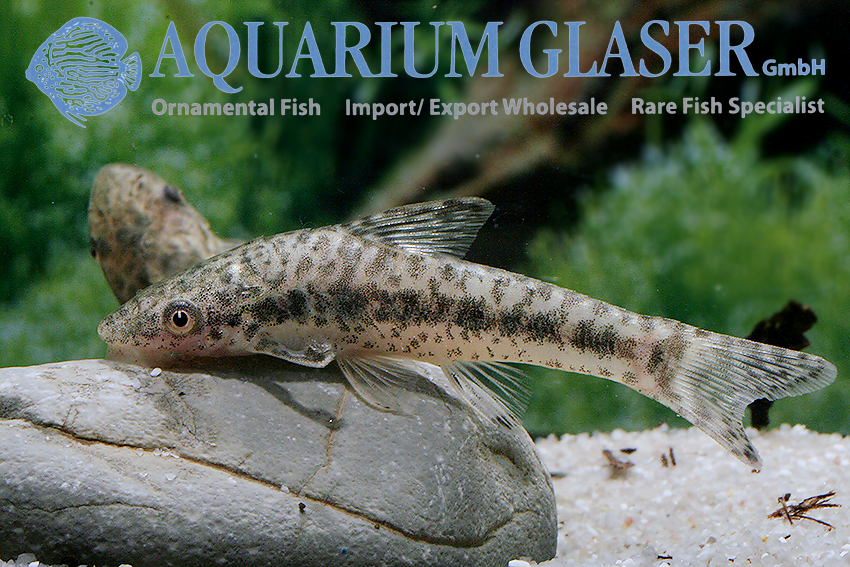
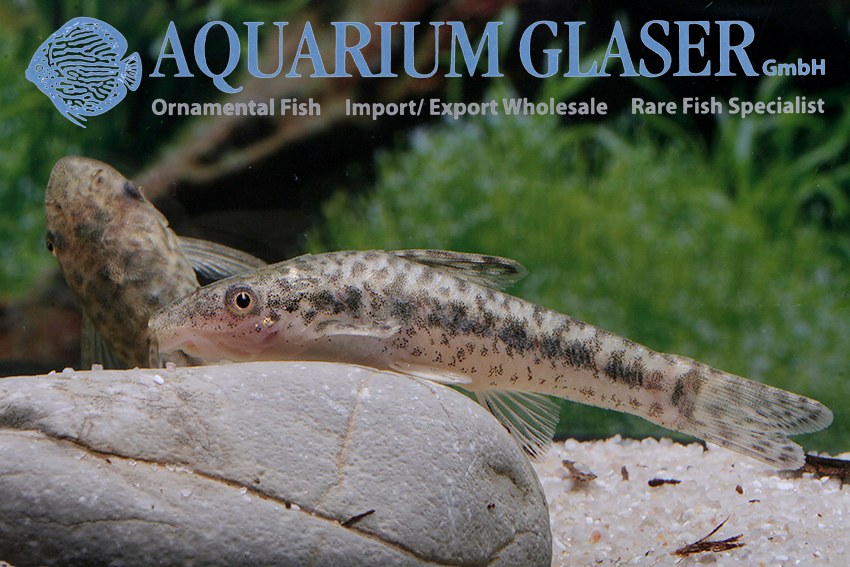
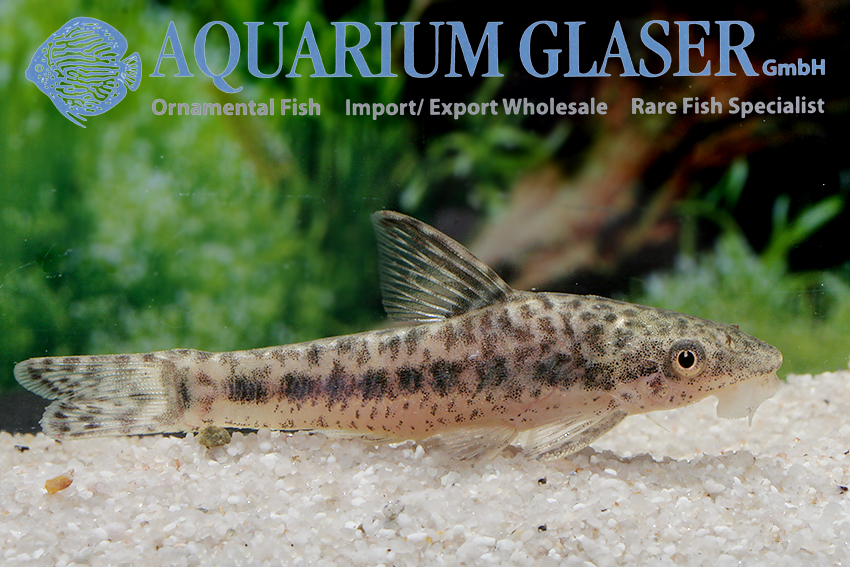
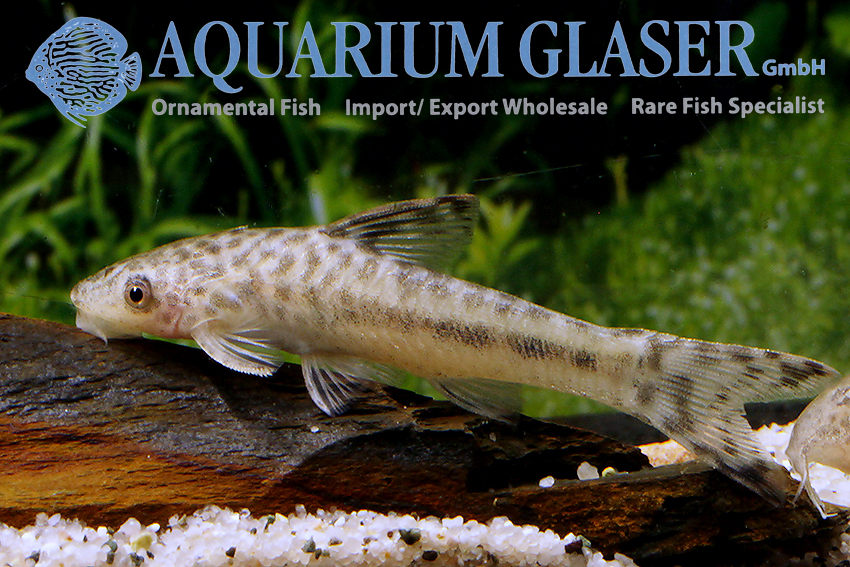
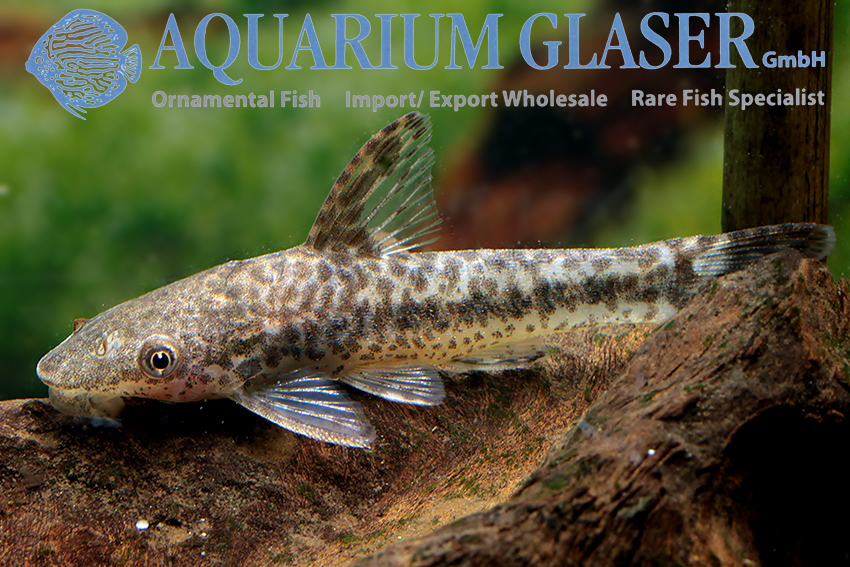
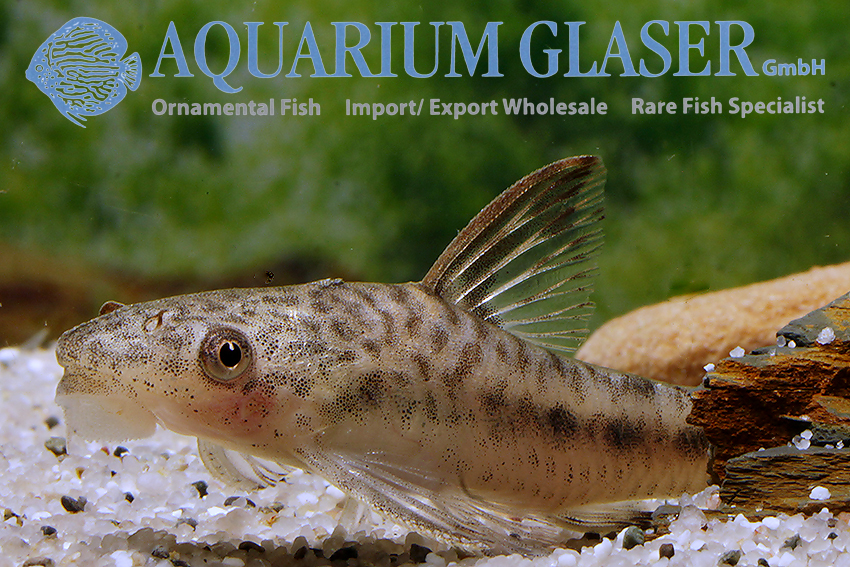
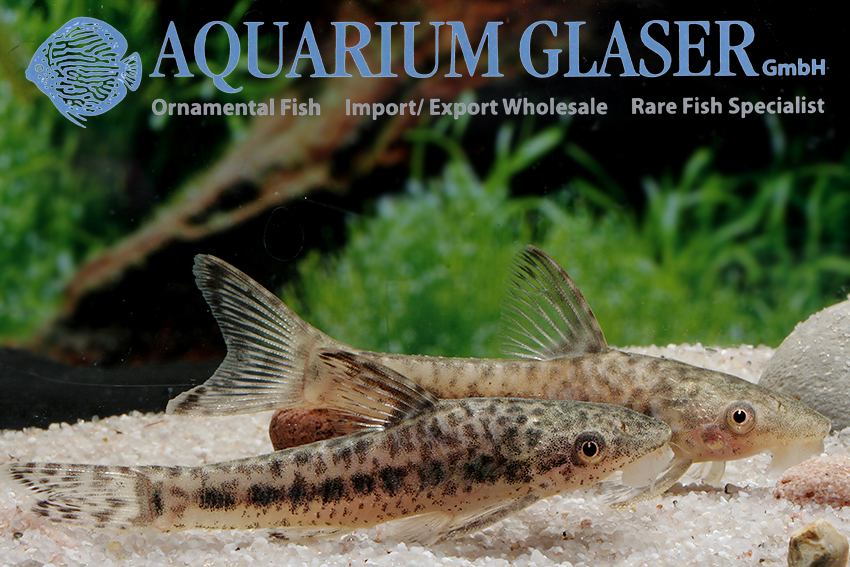
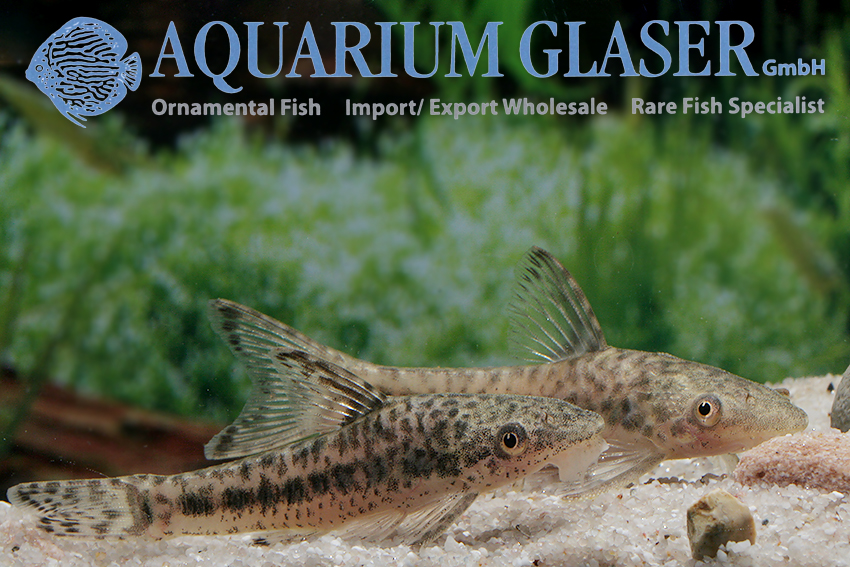
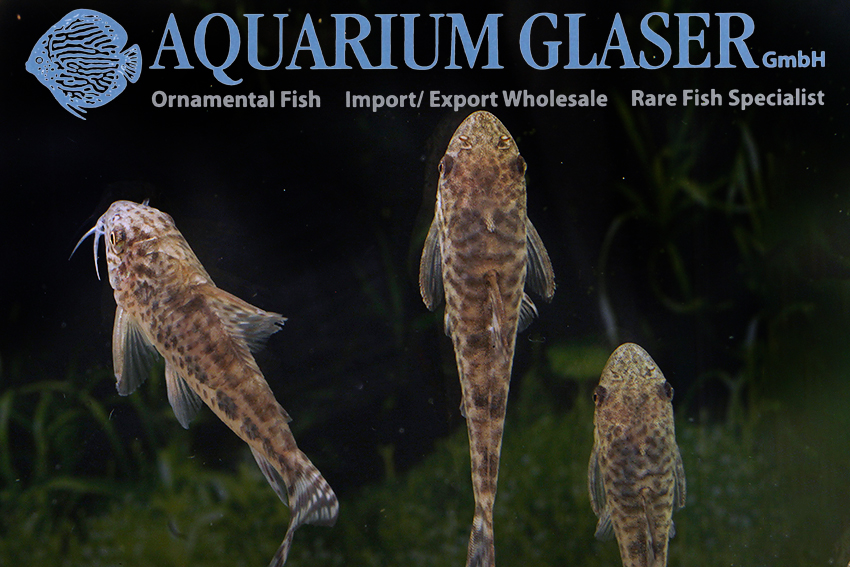
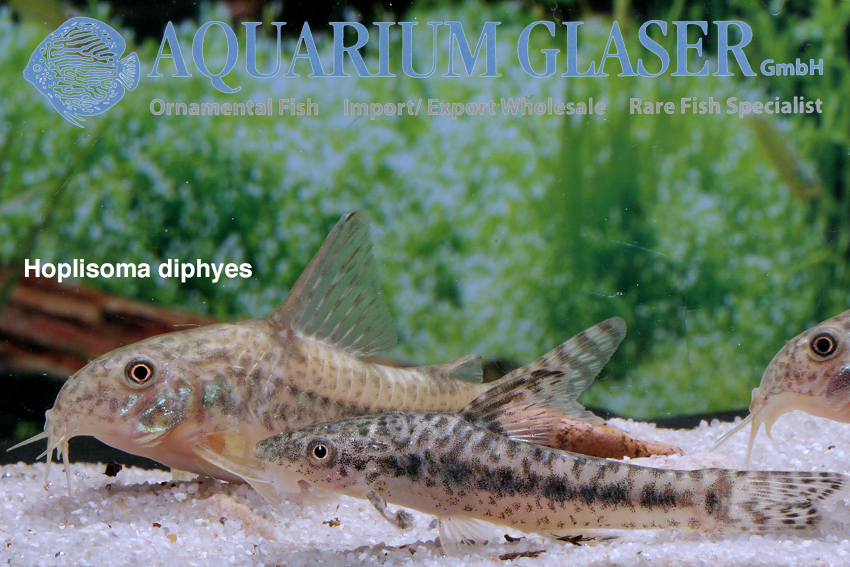
The armored catfish Hoplisoma (formerly: Corydoras) diphyes and Otocinclus mimulus originate from the Rio Monday basin, a right-bank tributary of the Rio Parana in Paraguay.
In their natural habitat, Hoplisoma diphyes and Otocinclus mimulus live in large schools, with the pattern of O. mimulus resembling those of H. diphyes. In this way, the Otocinclus try to protect themselves from their enemies, in this case mainly Saxatilia (formerly Crenicichla) lepidota (pike cichlid). The pike cichlids avoid the spiny armored catfish, which inflict painful wounds when they try to eat them. The Otocinclus benefit from this. But even when viewed from above, Otocinclus mimulus and Hoplisoma diphyes look extremely similar. Fish-eating birds such as herons, storks, etc. avoid armored catfish, just like pike cichlids, because the spines of the armored catfish also hurt them when swallowed.
Otocinclus mimulus are easy to care for. Water values are irrelevant; any drinking water is suitable for their care. When it comes to temperature, these fish, which live in southern South America, are somewhat special because they experience seasons like we do. Therefore, they should not be kept at constant temperatures all year round, but rather at slightly cooler temperatures (18-22°C) for part of the year and slightly warmer temperatures (24-28°C) for the other part of the year. Freshly imported animals are of course still in the opposite rhythm; when it is winter here, it is summer in Paraguay. For this reason, specimens imported in winter are acclimatized at higher temperatures. These animals are therefore only allowed to experience their first winter period with cooler temperatures after a year. They tolerate this without any problems.
For our customers: Otocinclus mimulus has code 273994 on our stock list. Please note that we only supply wholesale customers.
Text & photos: Frank Schäfer
