





There are few fish species that are as commonly found in the pet trade and about which so little is known as the banded eel-loaches of the Malay Peninsula and the Indonesian archipelago. Perhaps the most important point to note upfront: although nearly all banded eel-loaches in the pet trade are wild-caught, there is no evidence that this has a negative impact on wild populations.
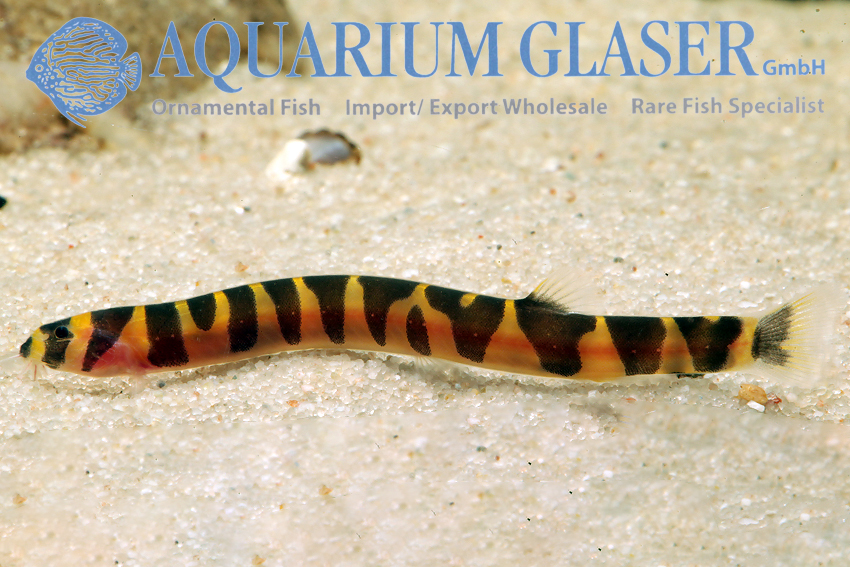
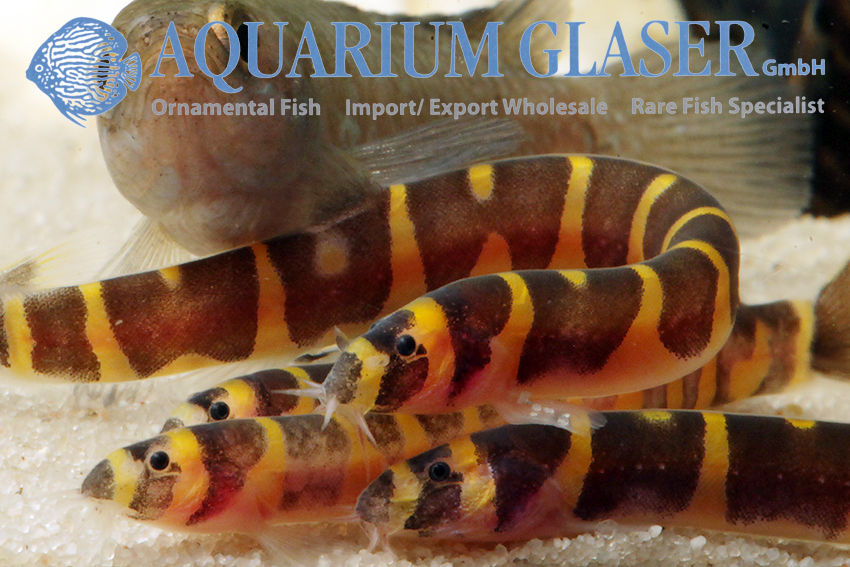
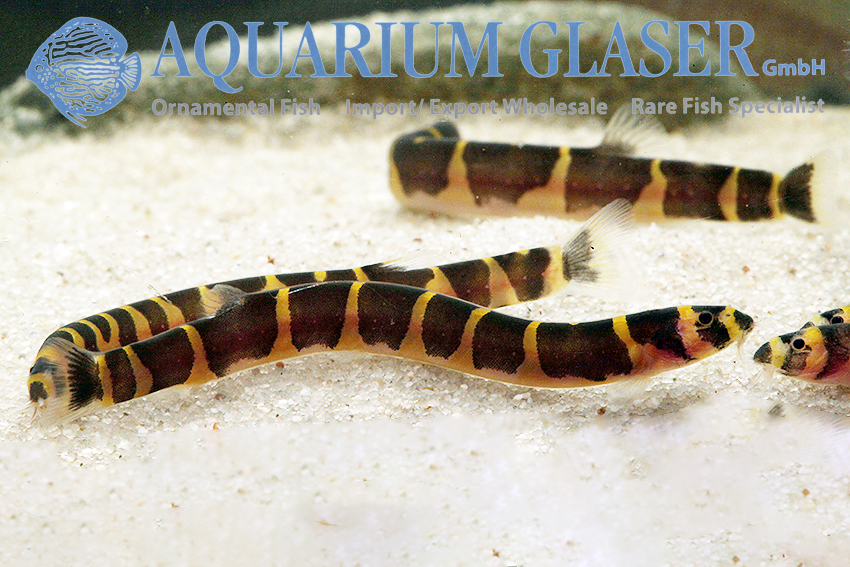
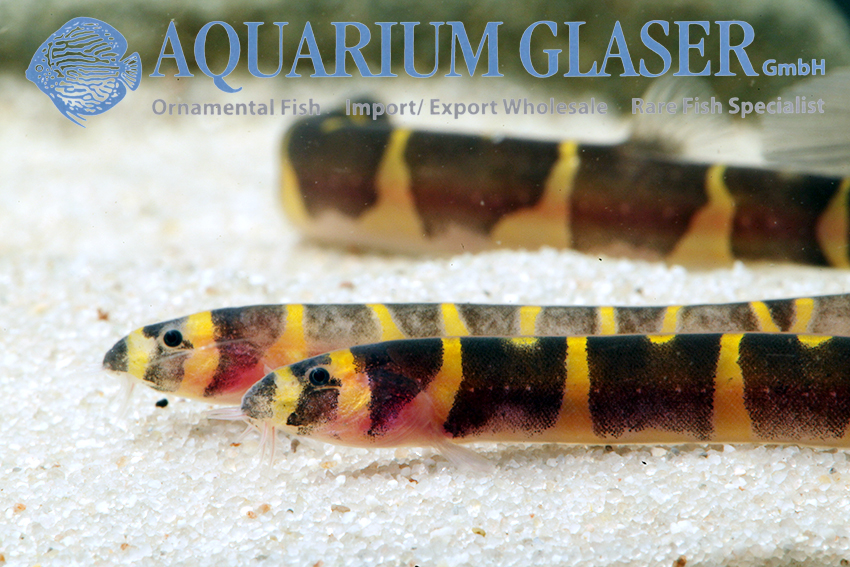
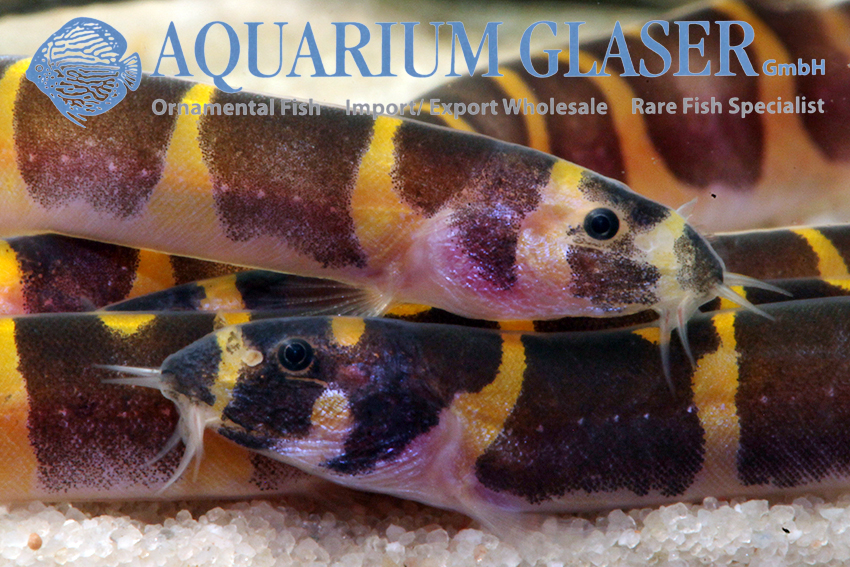
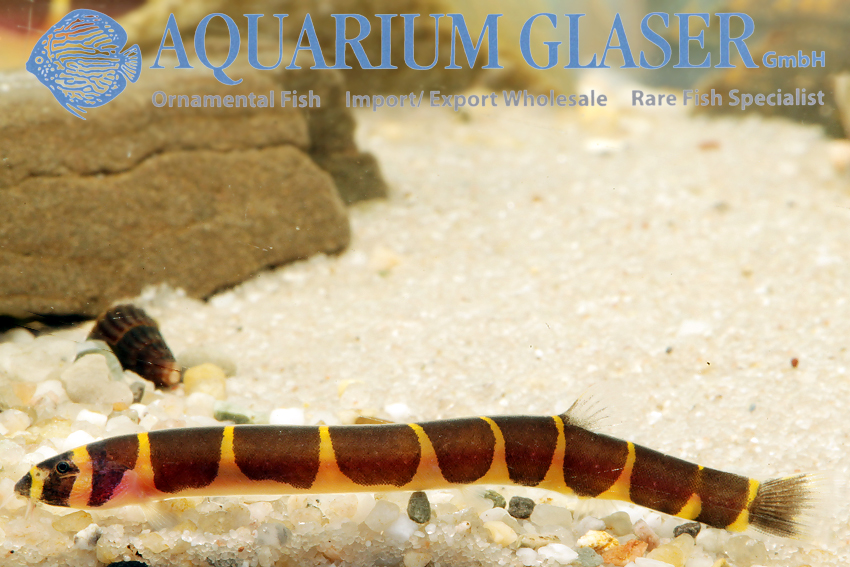
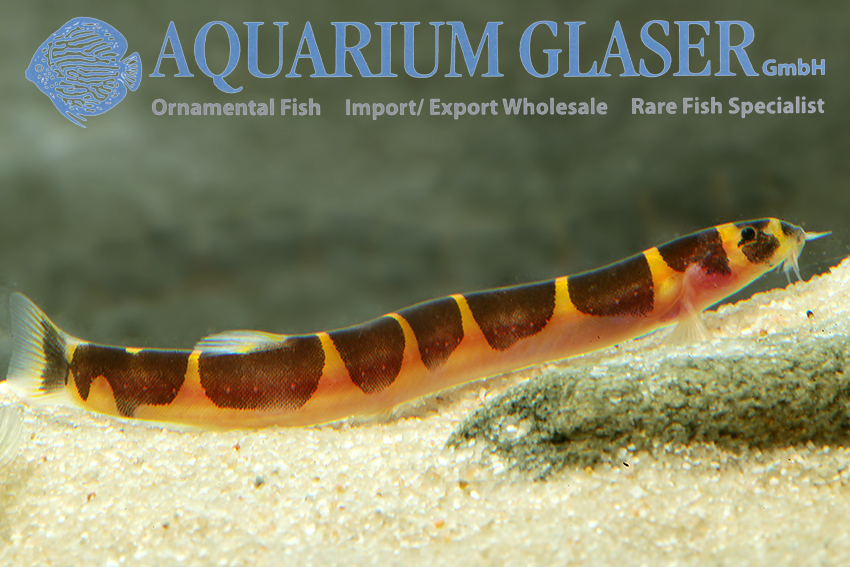
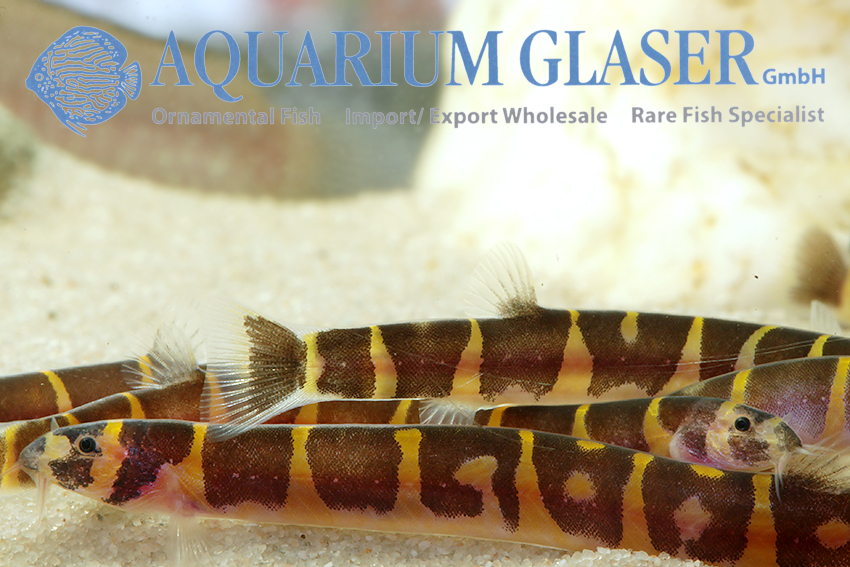
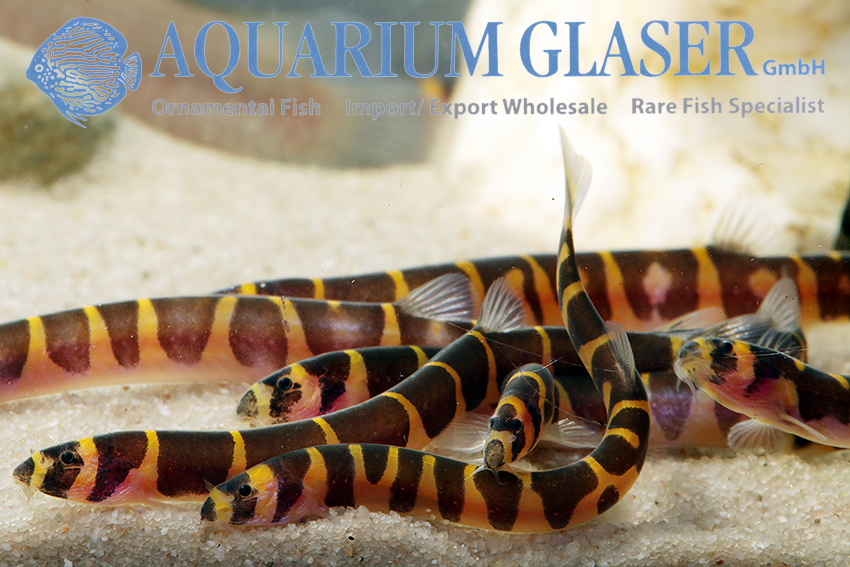
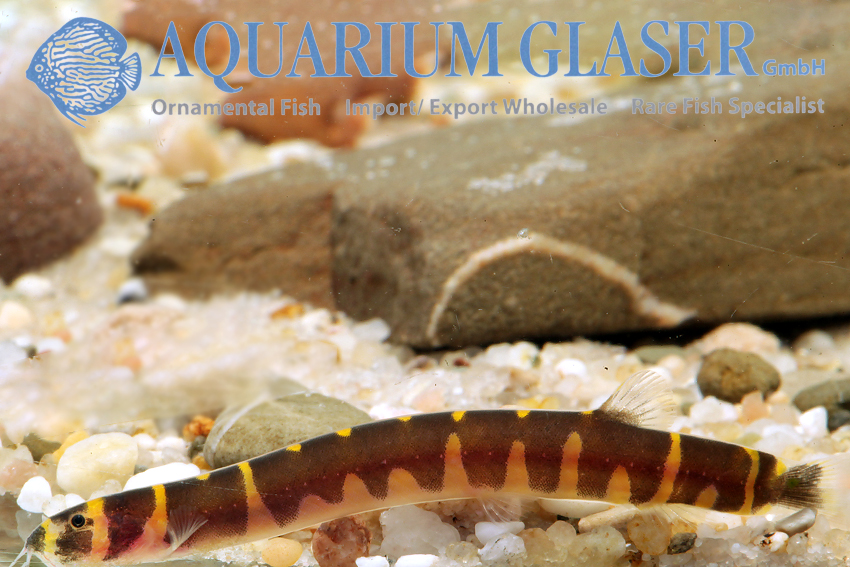
The reasons for the great popularity of banded eel-loaches are manifold: they look pretty, are completely peaceful, reliably eat all leftover food, and are extremely adaptable. Their downside: you often don’t see them for weeks on end. There are anecdotal reports of an aquarium stocked with a dozen banded eel-loaches where the fish weren’t seen again until the aquarium was cleaned out years later.
From a scientific/taxonomic perspective, these banded eel-loaches are a nightmare. Their coloration is extremely variable—so much so that there are hardly two individuals with identical markings. By the way: all the photos published in this post were taken of fish from the same import shipment from Indonesia. When considering the extreme forms within this broad spectrum, it’s easy to conclude that these are distinct species. Pangio semicincta was scientifically described in 1940 as a subspecies of P. kuhlii, which had already been described in 1846. Later, this subspecies was declared invalid and treated as a synonym of P. kuhlii (along with other banded eel-loaches). Today, the prevailing view is that P. kuhlii occurs only on Java and is a separate species from P. semicincta. As far as we know, the “true” P. kuhlii has never been kept in an aquarium. To our knowledge, there is also only one good, recent illustration of the true P. kuhlii (in Kottelat, 2012: Fig. 4.16.16, p. 37). This fish has a completely black caudal fin, whereas, despite all other variations in P. semicincta, its caudal fin pattern is absolutely consistent: a black rectangle that always leaves a wide transparent border at the tip of the fin.
The term “Coolie Loach,” commonly used in the English-speaking world, is a misinterpretation of the scientific name Pangio kuhlii. This name does not refer to the exploited Asian laborers of the 18th and 19th centuries, who were called “coolies”; the species was named in honor of its discoverer, the Hanau-born Heinrich Kuhl, who paid for his thirst for knowledge with his life at the age of only 24 on the island of Java. He died of an infectious disease in 1821.
Maximum size: approx. 6-8 cm; Temperature: 22–28°C; pH and hardness: not important for care (tap water), but soft and acidic for breeding; Diet: Omnivorous; Social behavior: Peaceful schooling fish.
We’ve also created a short video about these fish, which you can watch here: https://www.youtube.com/watch?v=LWjve_DFrpM
For our customers: these animals are listed under codes 361501 through 361506 on our stock list. Please note that we supply exclusively to wholesale customers.
Reference cited:
Kottelat, M. (2012): Conspectus Cobitidum: an inventory of the loaches of the world (Teleostei: Cypriniformes: Cobitoidei). Raffles Bulletin of Zoology Suppl. No. 26: 1-199.
Text & photos: Frank Schäfer
