








In the 1980s, the blue-eyed Panque was one of the most common loricariid catfishes on the market. Incidentally, the correct name is Panaque suttonorum. For unknown reasons, the animals are hardly available nowadays. There are a lot of rumors that an environmental disaster is to blame or that a madman has poisoned the river or that the Colombian drug mafia controls the fishing area. Be that as it may, fortunately the species cannot be extinct, as we occasionally get a few specimens from Colombia. By the way, we recently had a very large specimen here—35–40 cm long—that found an enthusiastic buyer very quickly…
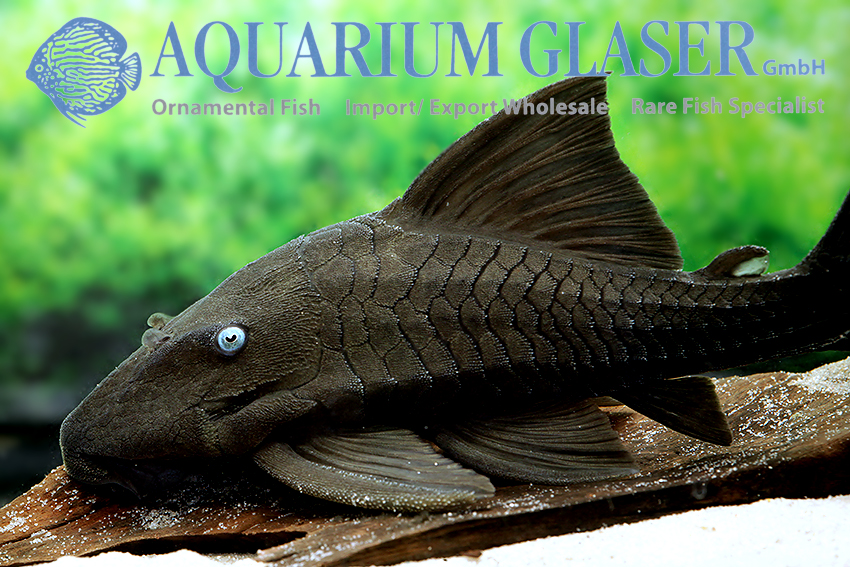
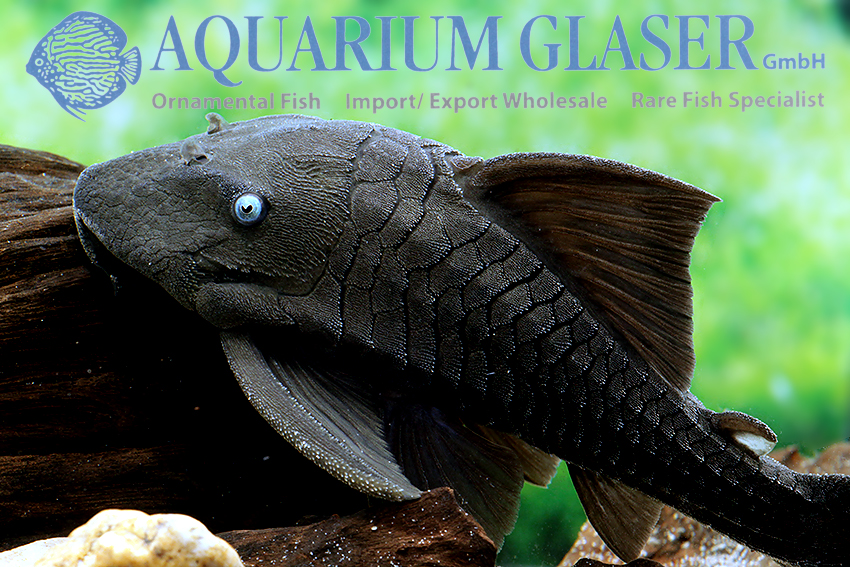
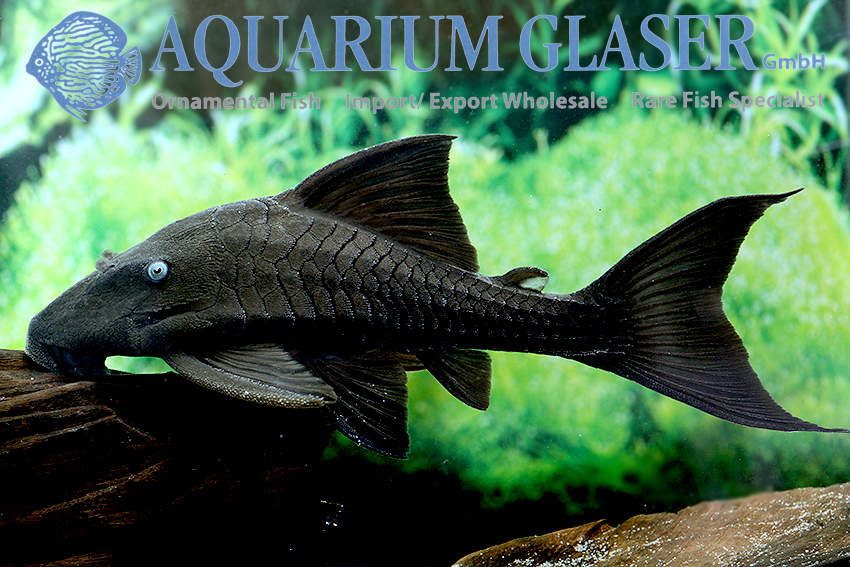
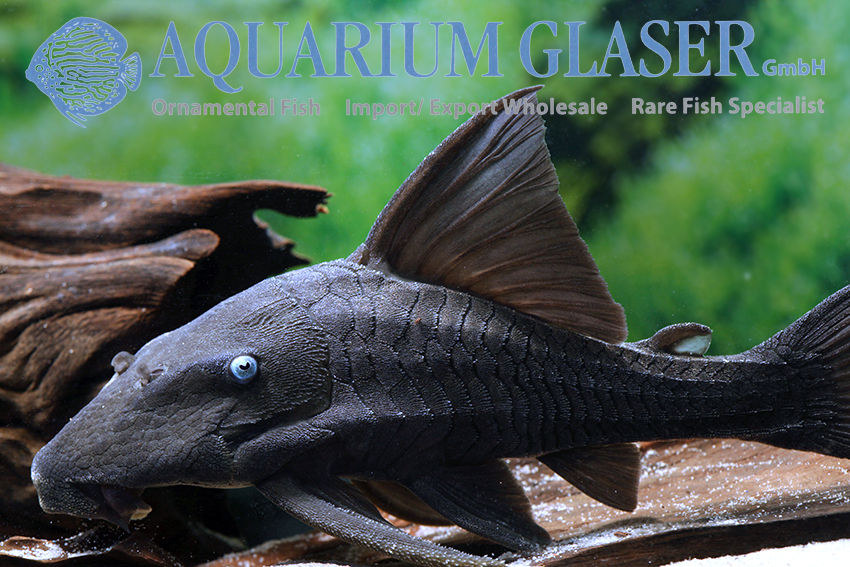
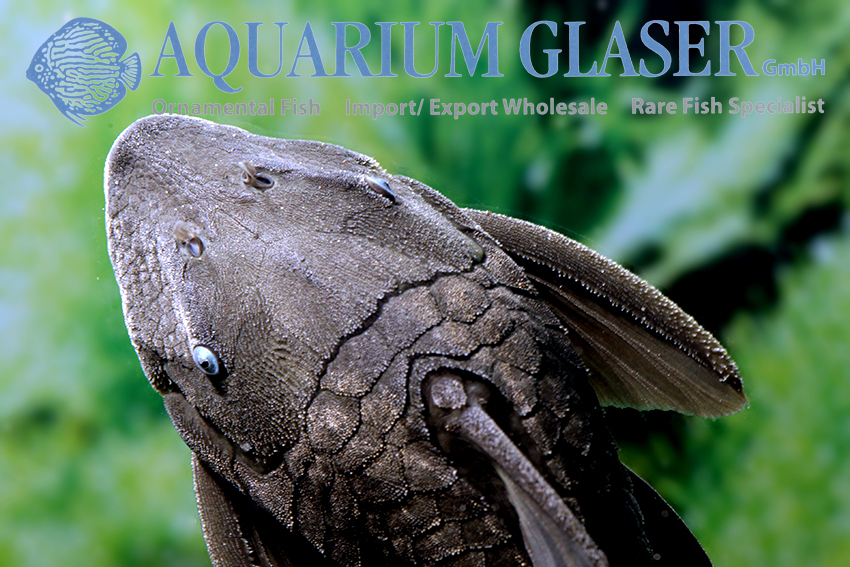
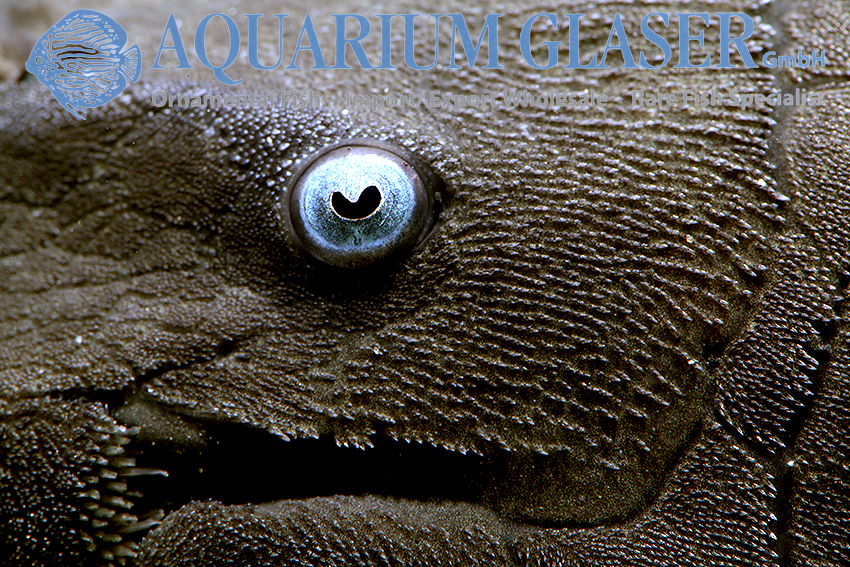
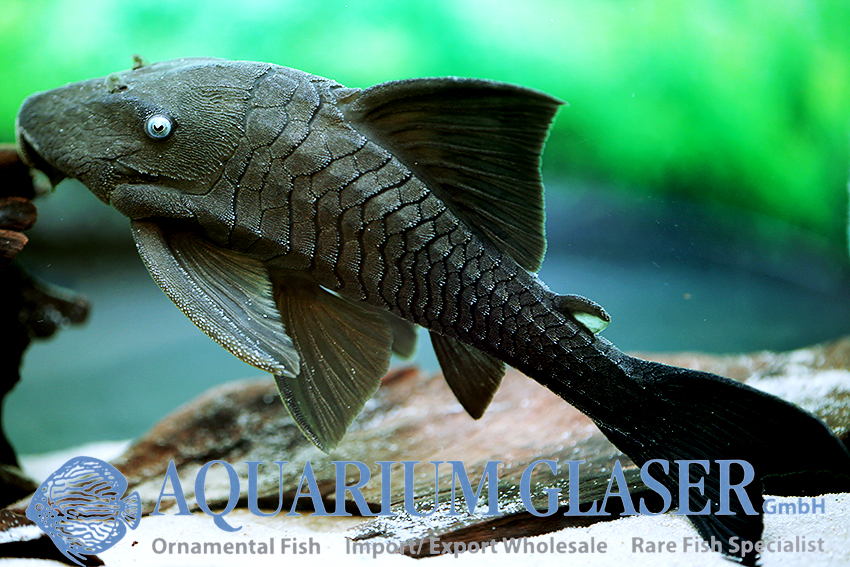
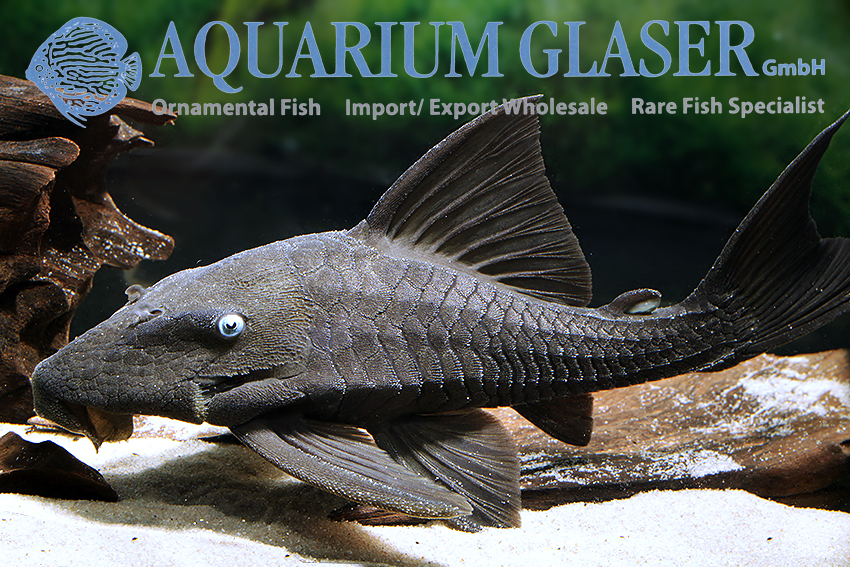
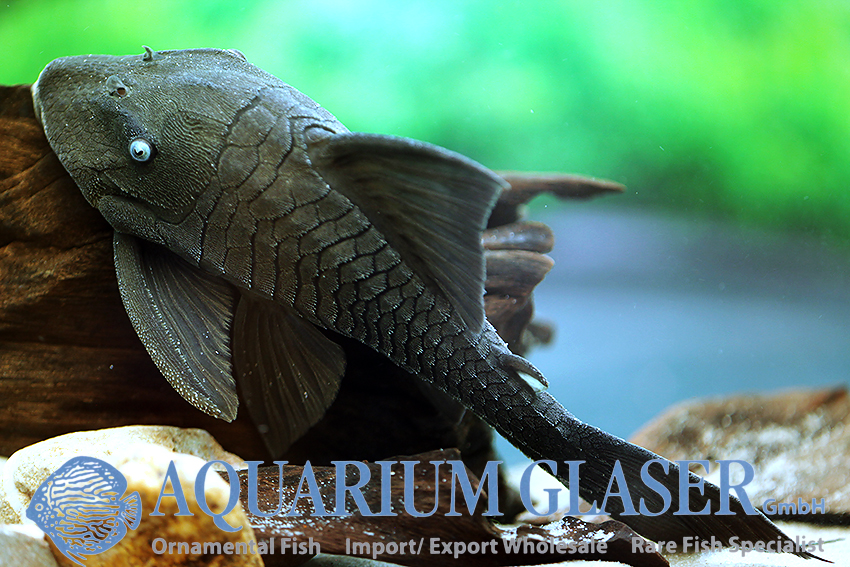
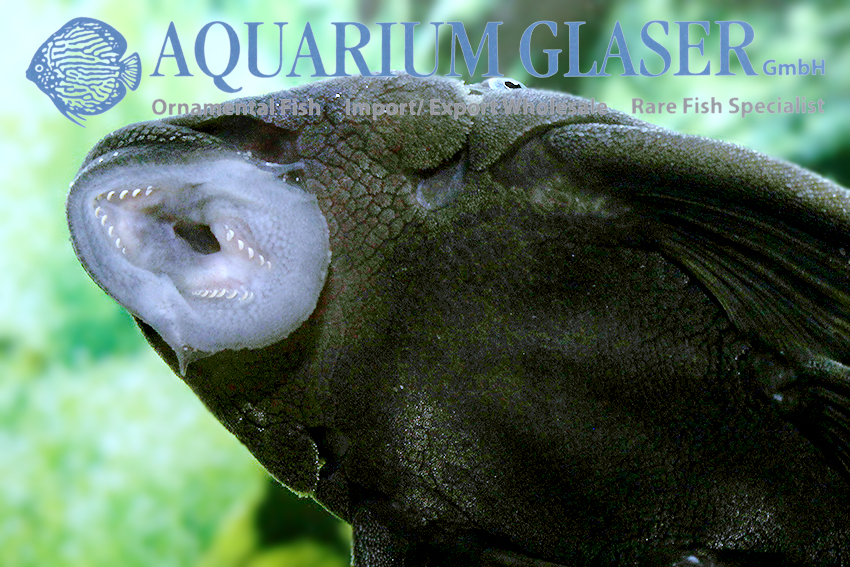
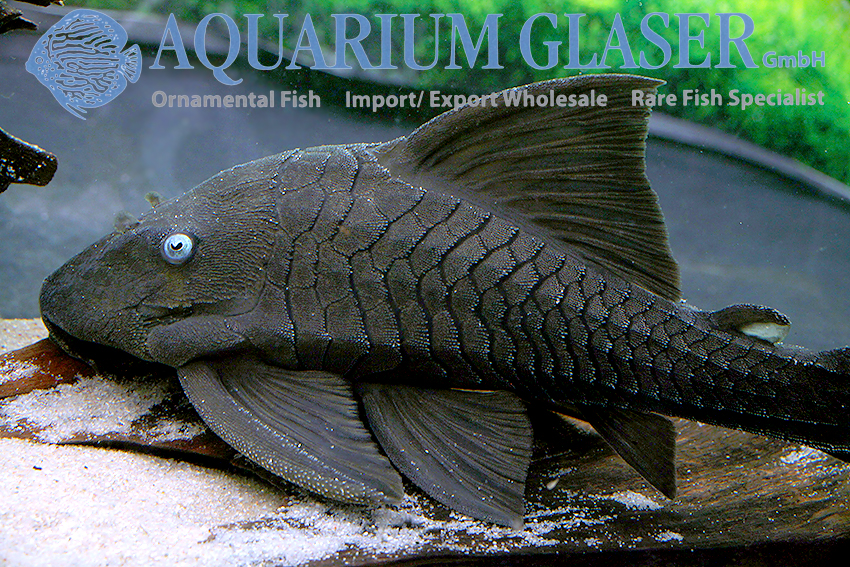
The different spellings of the species name (suttoni/suttonorum) are based on Latin grammar. The describer of the species, Leonard P. Schultz, named the species in 1944 in honor of Dr. and Mrs. Frederick A. Sutton, to whom Schultz was very grateful for their hospitality during the time he lived at the Lago Petroleum Corporation camp on Lake Maracibo in Venezuela. So the species was described in honor of two people, ergo the plural gender must be used, which ends in -orum, while the ending -i represents the singular gender.
Like all large panaque, these also need soft wood as a staple food, as well as vegetables of all kinds. Frozen, granulated and flake food, including food tablets, are readily accepted, but should only be given as supplementary food, not as the main food, in order to prevent fatty degeneration of the organs. Very (!) good filtration is important, the wood food is very low in nutrients, resulting in large quantities of excrement. Adult Panaque can become incompatible with each other. Large aquaria in which the fish grow up together usually prevent serious conflicts. Nevertheless, males that are ready to spawn can, under certain circumstances, harass the weaker females to an extreme, which in extreme cases can lead to the death of the oppressed animal. Anyone deciding to keep a group of these magnificent catfish should therefore have alternative tanks to separate specimens in case incompatibilities are observed.
For our customers: Depending on their size, these animals are listed on our stock list under codes 275001 (6–8 cm) through 275009 (35–40 cm). Please note that we supply exclusively to wholesale customers.
Text & Photos: Frank Schäfer
