





The whiptail catfish of the genus Pseudohemiodon, which currently comprises nine recognized species, are found in Ecuador, Peru, Brazil, Colombia, Venezuela, Paraguay, Uruguay, and Argentina. These fish are specialized for life on sandy substrates. If we occasionally present photos taken on other substrates, it is for technical reasons. When disturbed, Pseudohemiodon immediately burrow into the substrate. After resurfacing, grains of sand still cling to them, which the untrained eye might easily mistake for Ichthyophthirius (spot disease). All Pseudohemiodon species, as far as they have been kept and bred in aquariums to date, are mouthbrooders of the male sex. This means that the male carries the fertilized egg mass on his lower lip—which enlarges during the breeding season—until the young hatch. Pseudohemiodon are sensitive to transport and tolerate water contaminated with bacteria very poorly. Therefore, they must be carefully acclimated after every transport. Once acclimated, they are no longer particularly sensitive—provided there is good water hygiene and adequate feeding.
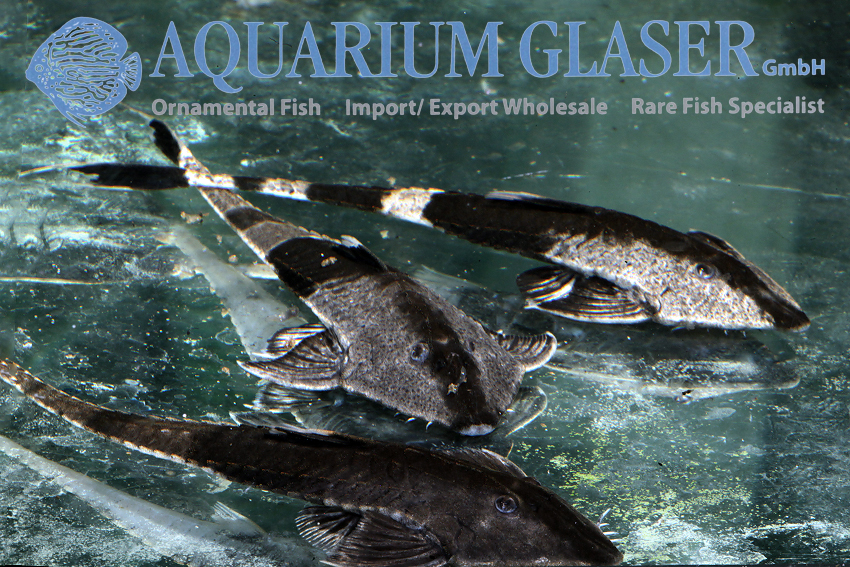
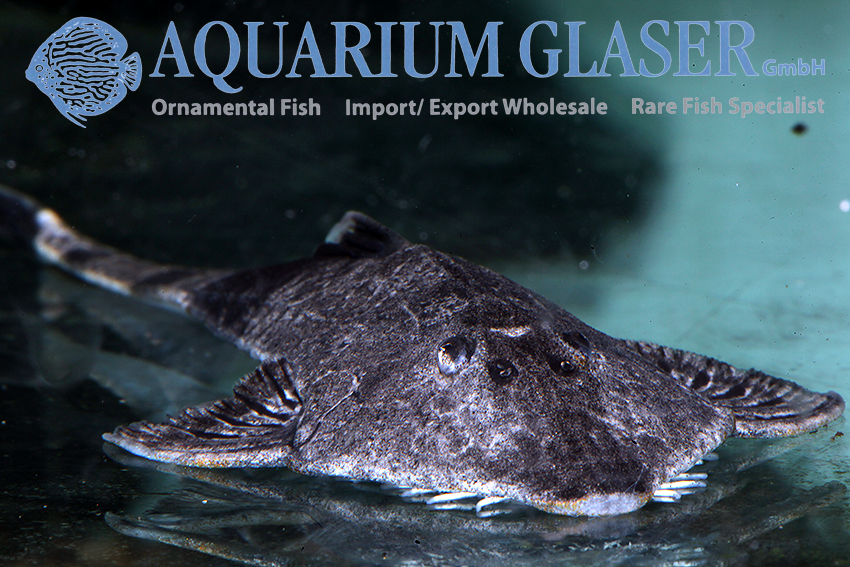
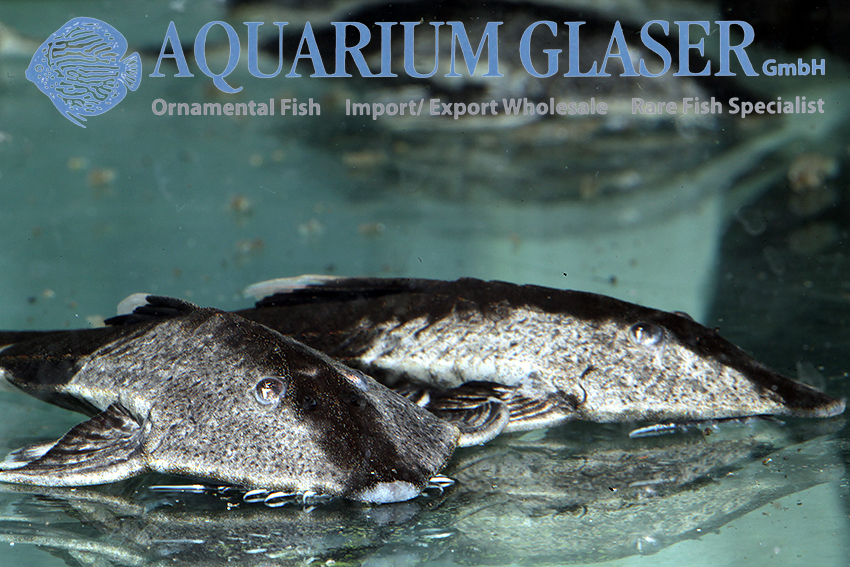
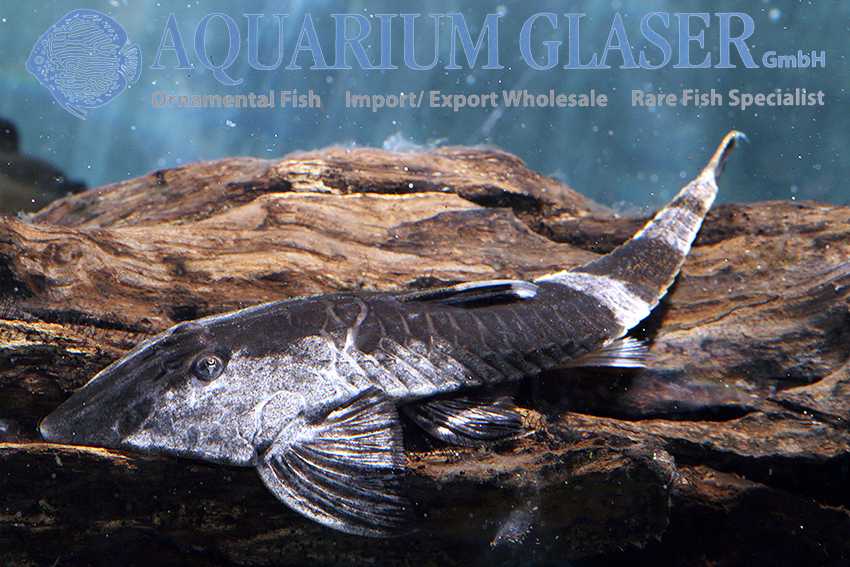
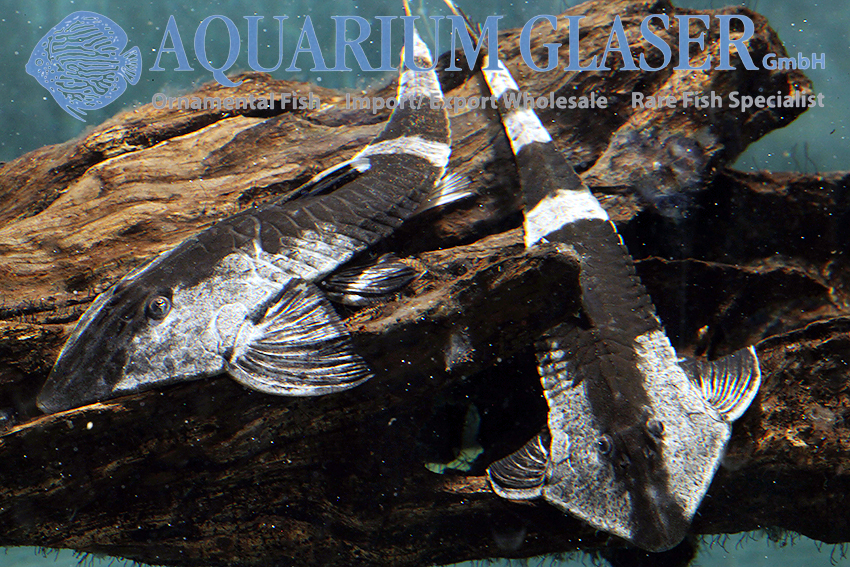
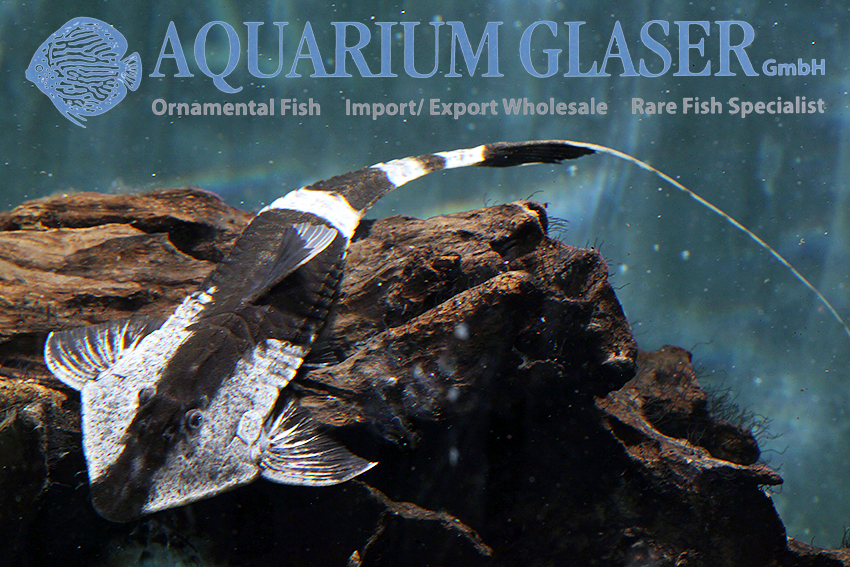
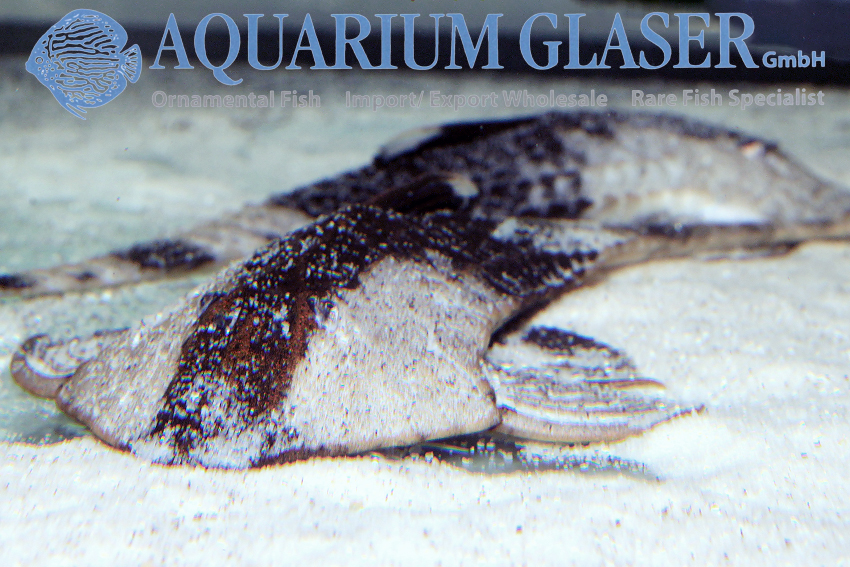
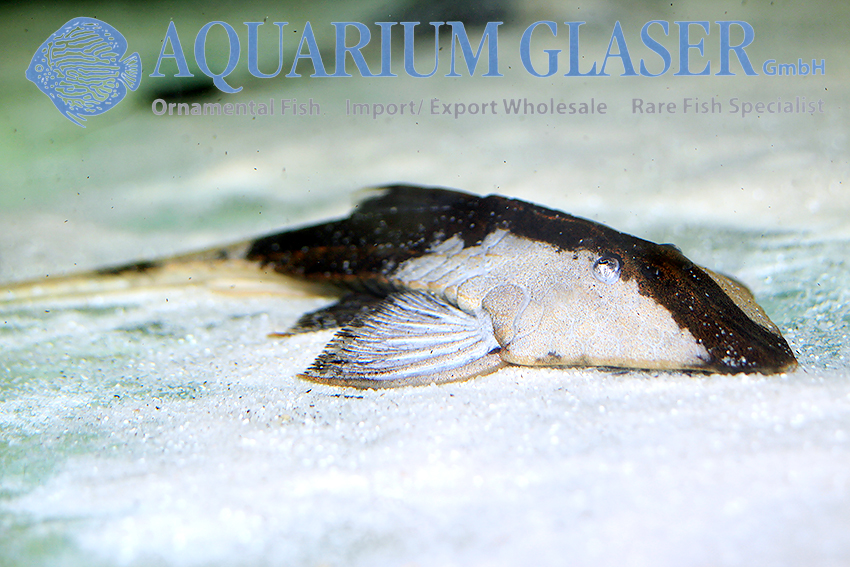
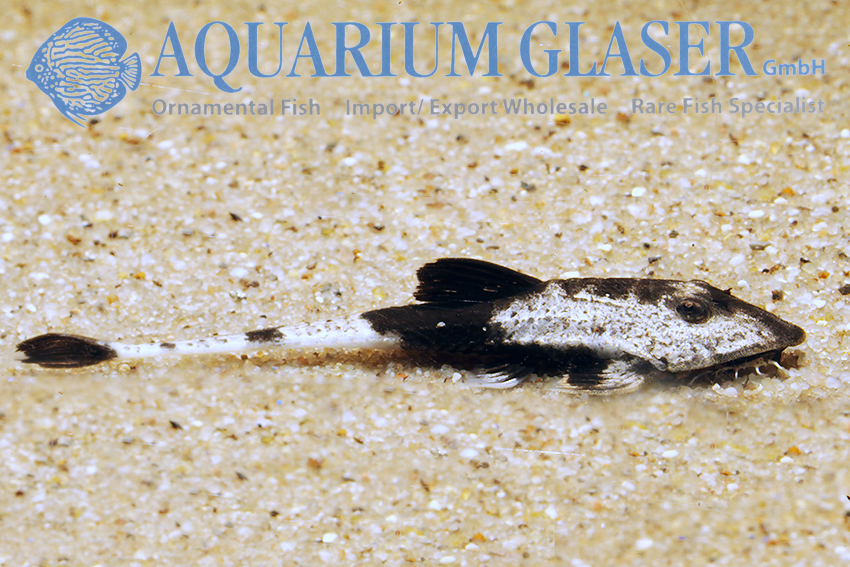
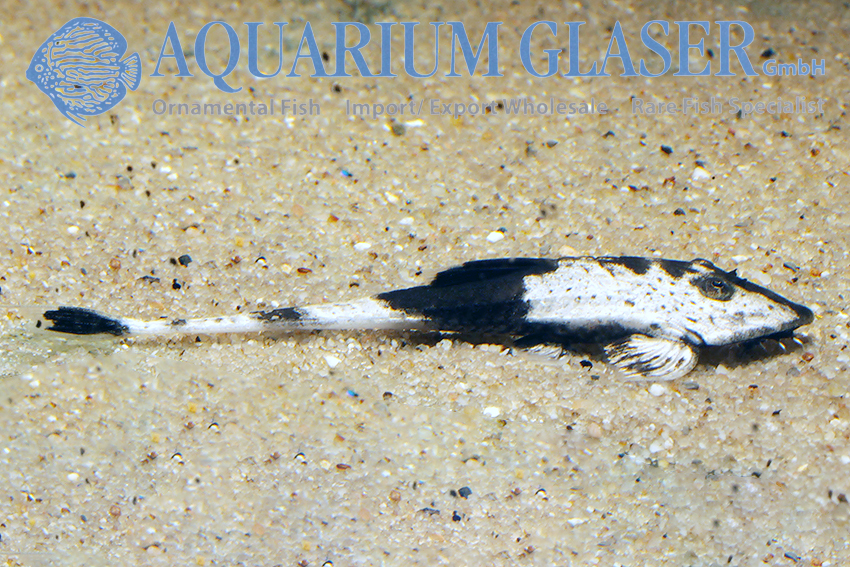
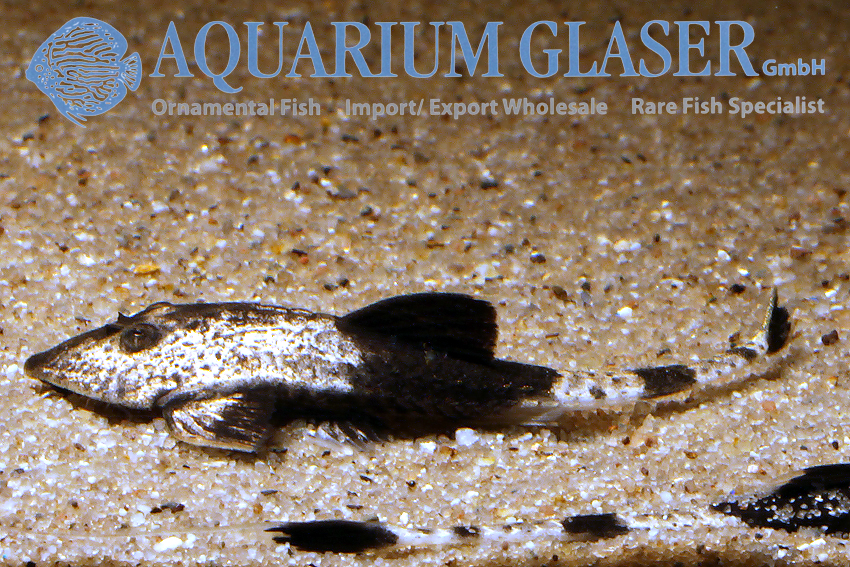
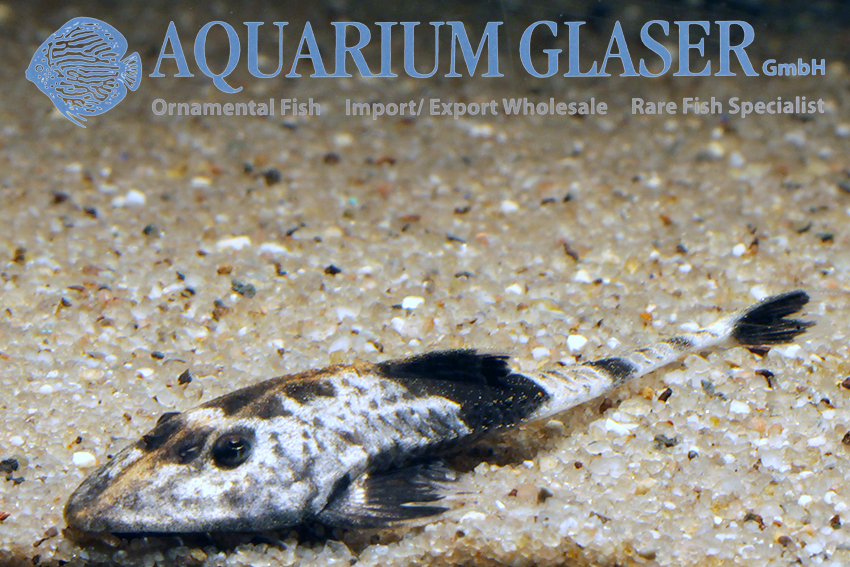
The “chameleon whiptail catfish” from Peru is, for many catfish enthusiasts, the most beautiful Pseudohemiodon—and certainly the one with the most striking markings. Its markings are always black and light gray, though each individual can undergo a drastic color change at any time. None of the chameleon whiptail catfish ever maintains the same pattern of markings permanently; rather, they change it both depending on their mood and for other reasons from time to time. The purpose of this behavior is unknown. The first imports of this species from Peru were identified as Pseudohemiodon apithanos. All essential physical characteristics match those of this species from Ecuador. However, the “true” P. apithanos has a distinct worm-like line or stripe pattern on the light-colored areas of its head, which is always absent in specimens from Peru. These specimens have, at most, small dots in these areas. Based on current knowledge, the Peruvian specimens—which, incidentally, are reportedly found not far from Iquitos in the Rio Itaya—belong to a species that has not yet been scientifically described. We are currently able to offer very stable, long-acclimated specimens.
Maximum size: approx. 18 cm; Temperature: 25–28°C; pH and hardness: not critical for care (tap water), but avoid soft and acidic water; moderately hard water (up to approx. 15°GH) and a pH slightly above 7 have proven effective for care and breeding; Diet: Omnivorous with a preference for meat-based foods; Social behavior: Establishes a hierarchy among themselves; usually completely indifferent toward other fish.
For our customers: Depending on their size, these fish are listed under codes 284221 through 284226 on our stock list. Please note that we supply exclusively to wholesale customers.
Text & photos: Frank Schäfer
