








Retroculus species—of which there are four—have always been and remain extremely rare in the aquarium hobby. From time to time, we are able to offer the beautiful Retroculus lapidifer from Brazil (Rio Tocantins/Rio Araguaia), though always in very limited quantities. The photos illustrating this post show specimens measuring 8–10 cm and fully grown breeders.
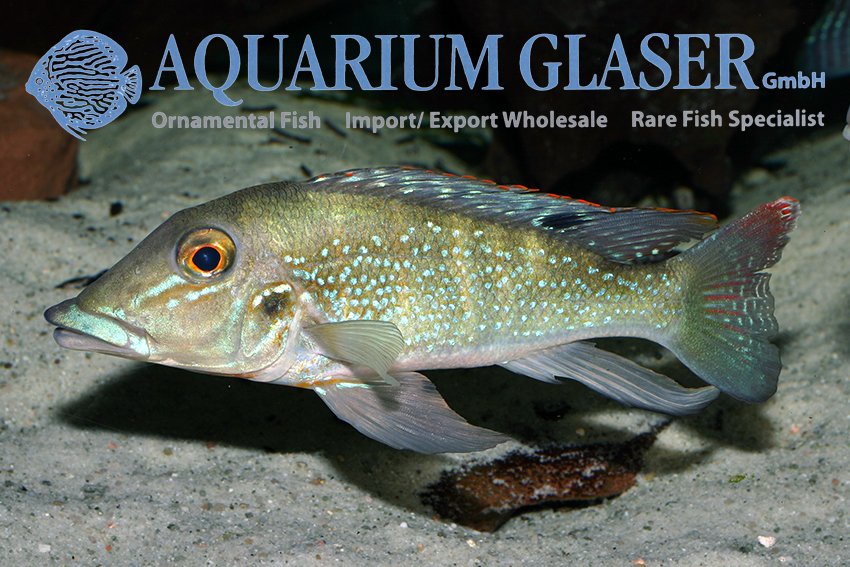
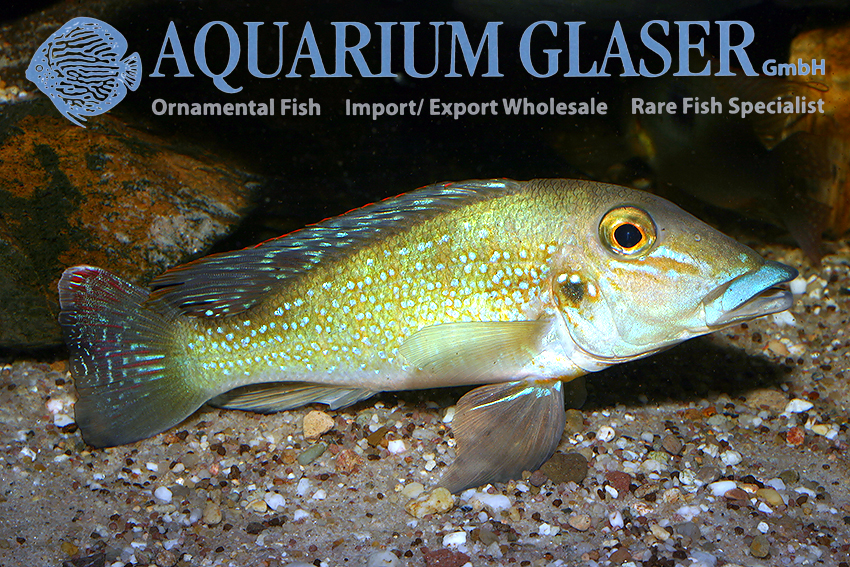
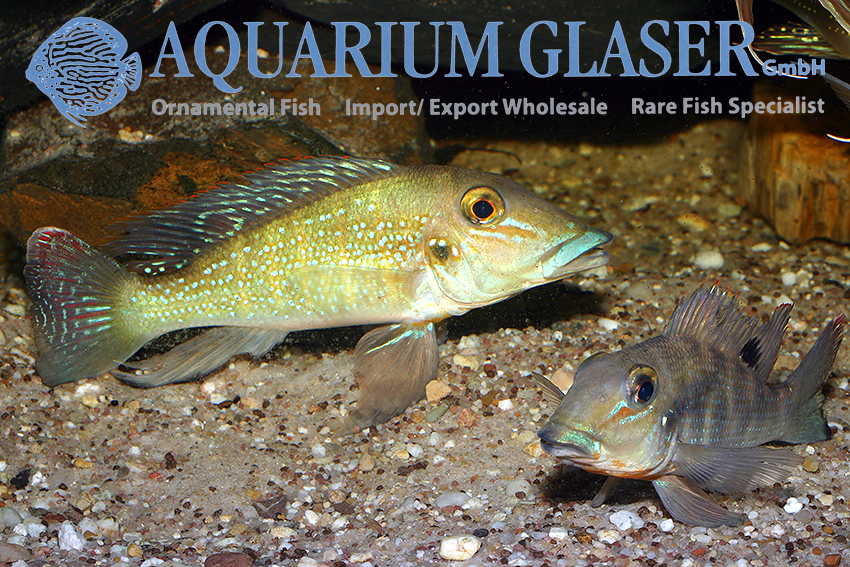
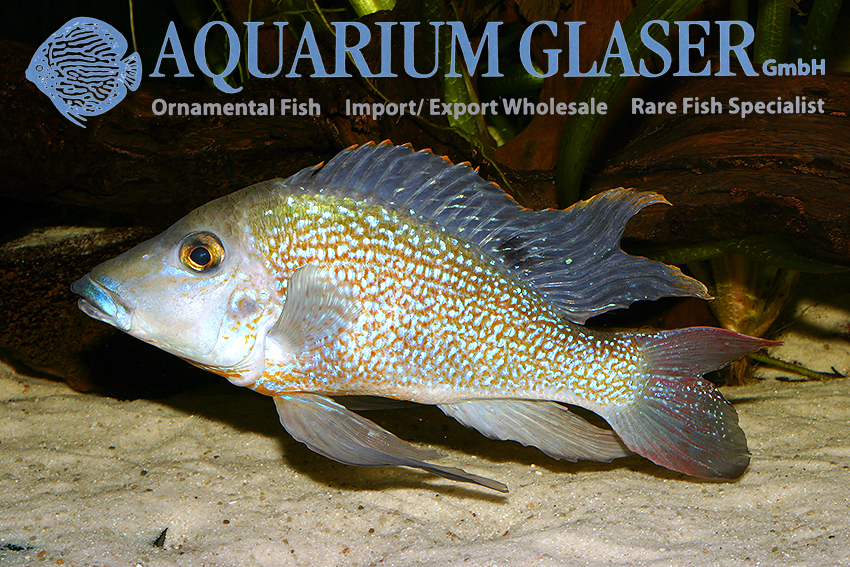
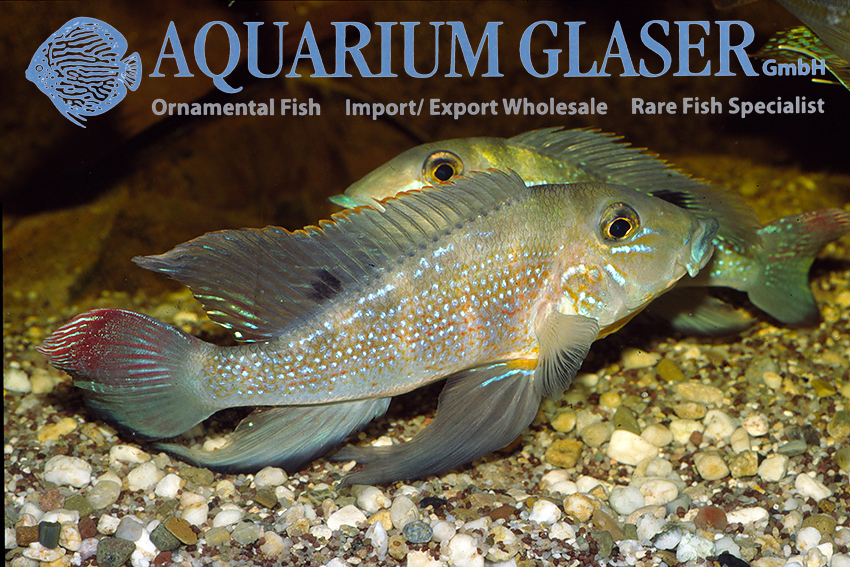
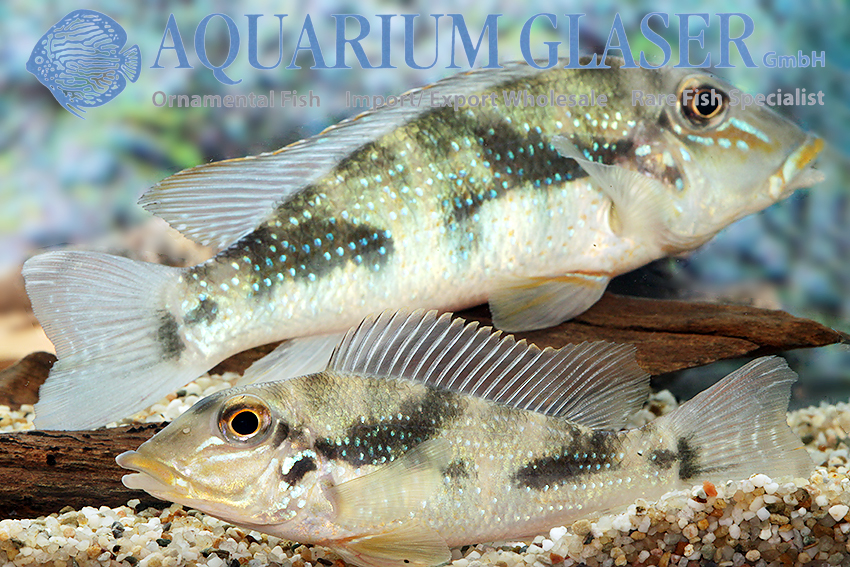
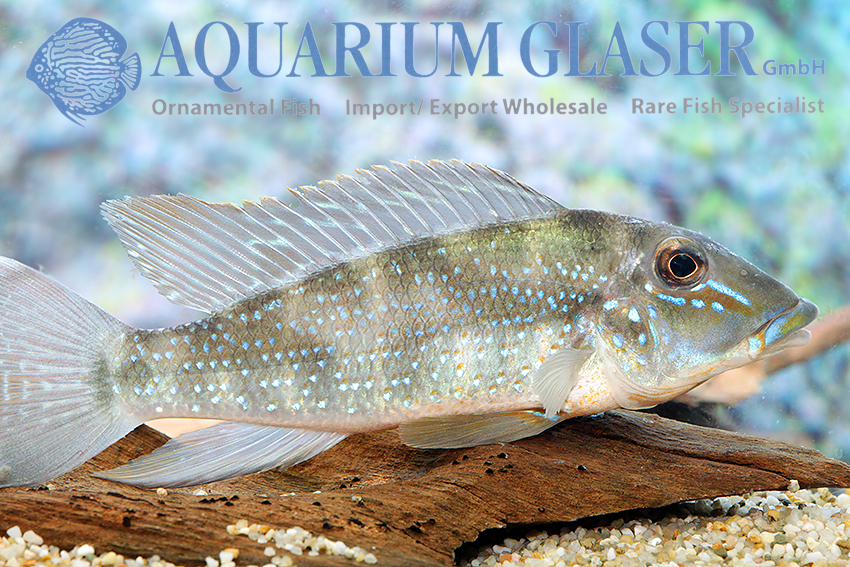
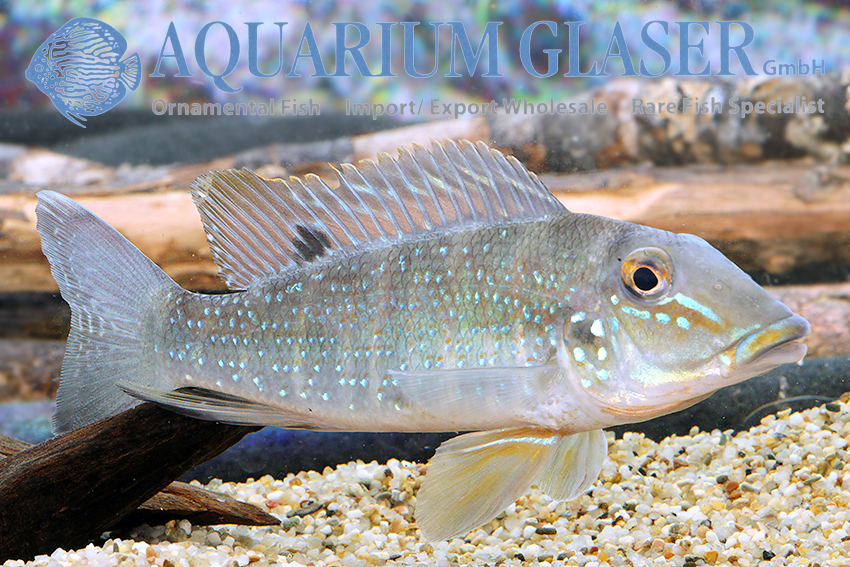
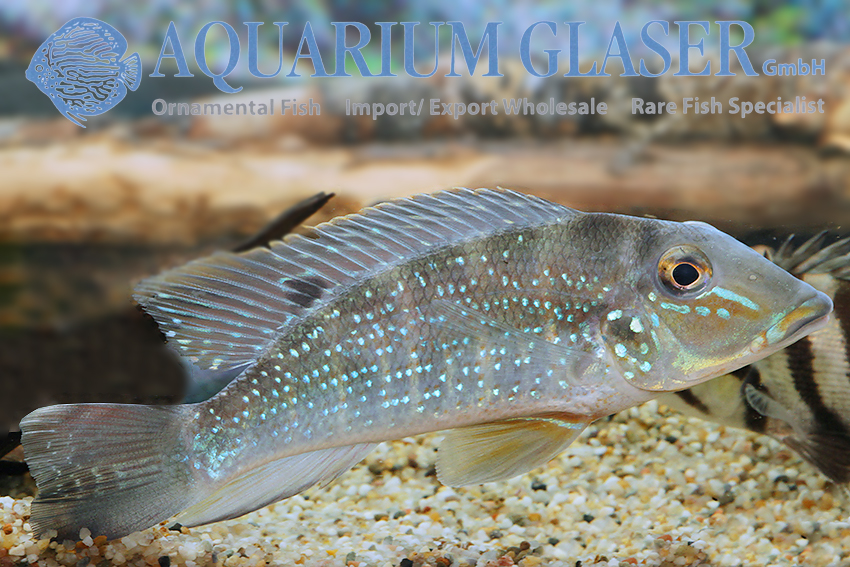
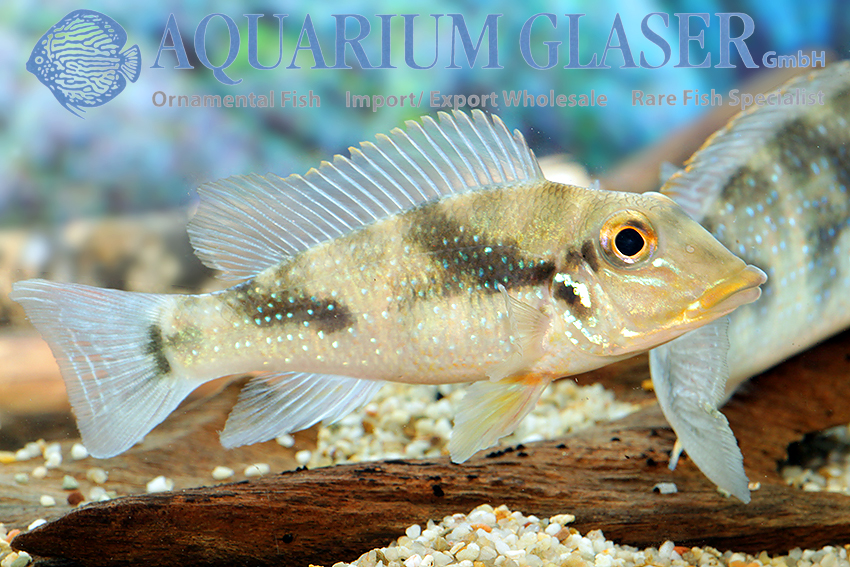
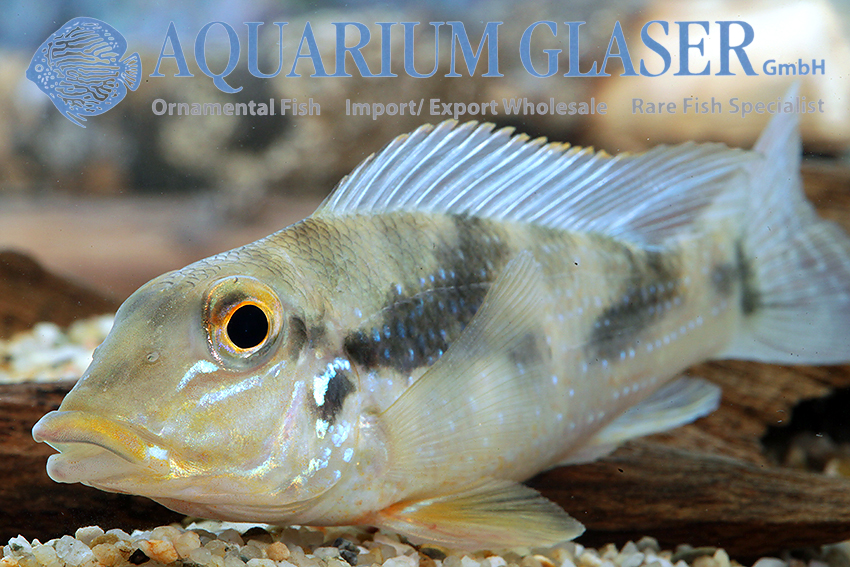
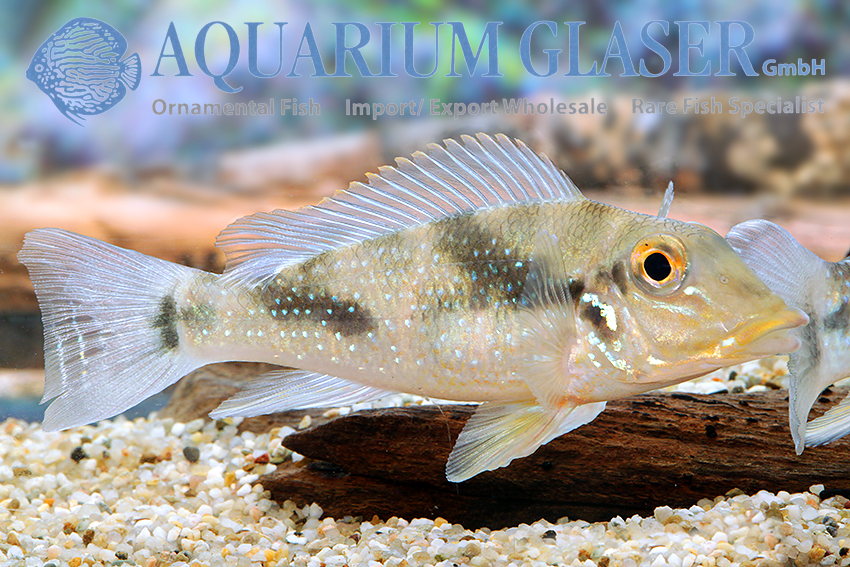
Despite their outward resemblance, Retroculus are not closely related to the Geophagus species but form their own subfamily in the zoological system, the Retroculinae. They are considered the most primitive cichlids among the New World species.
The swim bladder in Retroculus is atrophied, making it impossible for them to float freely in the water. In the wild, these fish live in close proximity to rapids. When danger threatens, they flee into the strong current, where it is difficult for predators to follow them. But once the danger has passed, the fish are very fond of resting in calm or still water. While strong filtration and good water flow are therefore important in the aquarium—also because Retroculus are very sensitive to pollution—it is essential to provide resting areas as well.
The scientific species name “lapidifer” means “stone-bearer,” because it was already known as early as 1855 that these animals spawn in nests made of stones. The fish carry stones to the nest one by one in their mouths. In the aquarium, these fish have spawned on several occasions, and it has also been possible to raise the fry. A basic requirement for successful breeding is an aquarium with a base area of at least 150 x 80 cm (preferably larger), since the nest pit is approximately 60 cm in diameter.
Retroculus should always be kept in a group of at least four individuals; otherwise, they become shy. The substrate in the aquarium should consist mainly of fine sand, which the fish often sift through in search of food. These fish are not picky eaters; they will consume any standard fish food. The water should be soft and slightly acidic (pH 5.5 to 6.8). These fish are adaptable when it comes to water temperature; in their natural habitat, temperatures ranging from 21.5 to 35°C have been recorded. In an aquarium, 22–28°C is appropriate; for breeding, the temperature should be about 2°C higher. Retroculus lapidifer grows to about 20–25 cm in length.
We’ve also created a short video about these fish, which you can watch here: https://www.youtube.com/watch?v=R3aVJcT3OFU
Maximum size: approx. 25 cm; Temperature: 22–28°C; pH and hardness: soft and slightly acidic for care and breeding; Diet: omnivorous; Social behavior: relatively peaceful cichlid with a distinct social structure.
For our customers: Depending on their size, the fish are listed on our stock list under codes 687501 (3–6 cm) through 687509 (20–25 cm). Please note that we supply exclusively to wholesale customers.
Text & Photos: Frank Schäfer & Thomas Weidner
