








It’s time to learn something new again. For several years now, dwarf armored catfish with green spots have been captivating more specialized aquarists. The blue-green to mint-green shiny spots on their bodies are characteristic of this dwarf species—or so it was thought. The species was classified under Parotocinclus eppleyi, described in 1993 (see https://www.aquariumglaser.de/en/10-catfishes/parotocinclus-eppleyi-2/), and was popularly known as the Peppermint Oto.
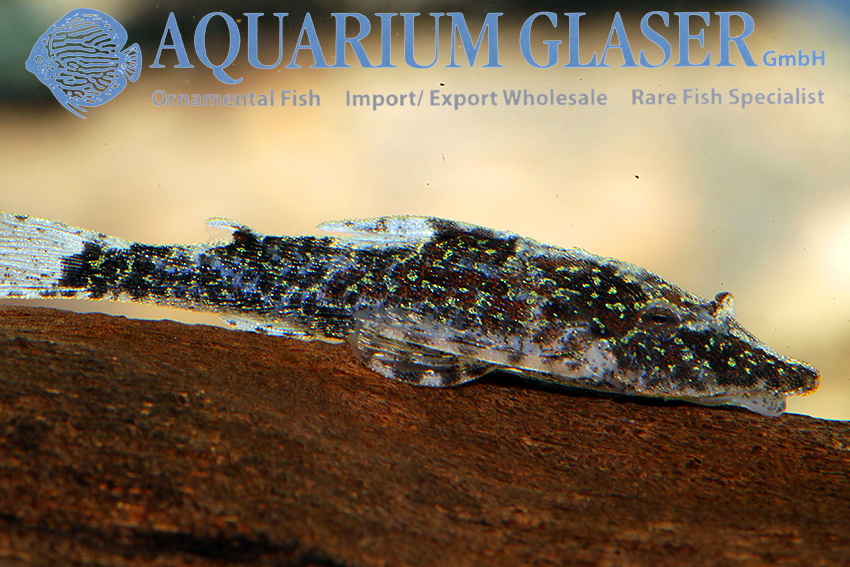
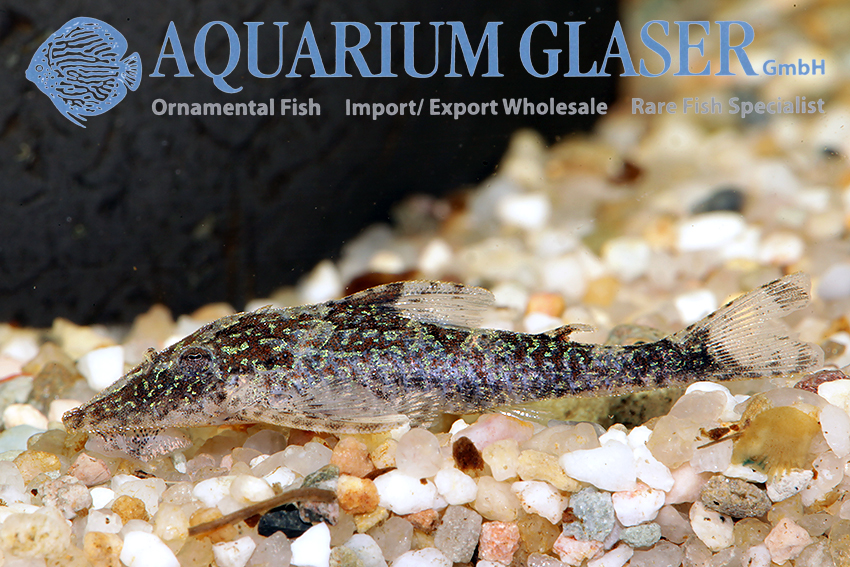
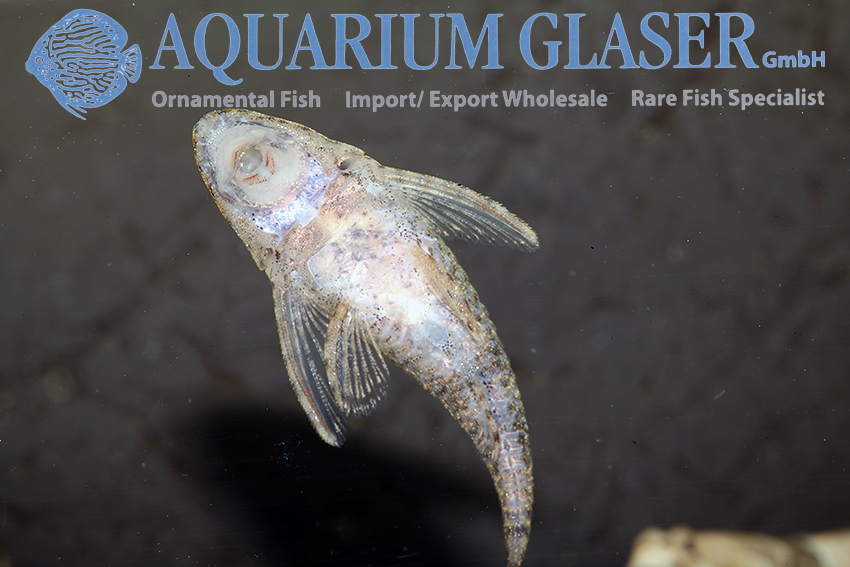
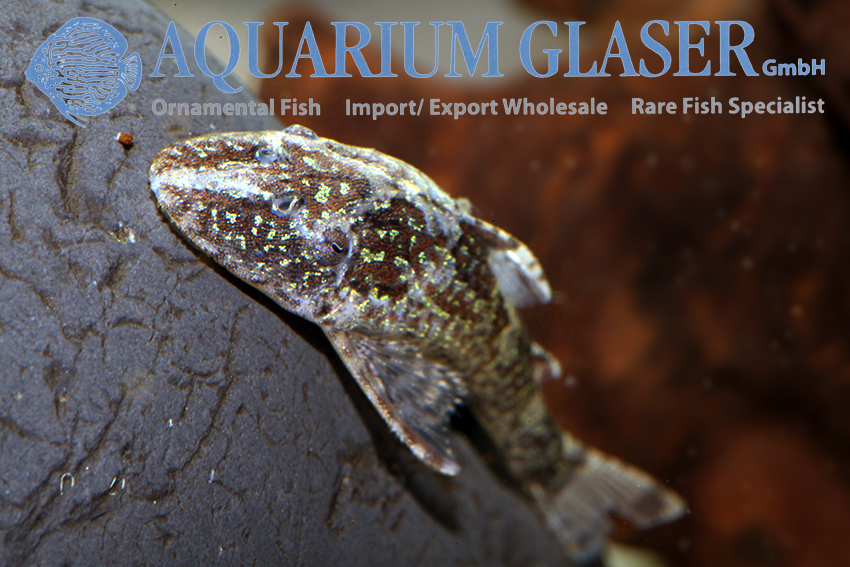
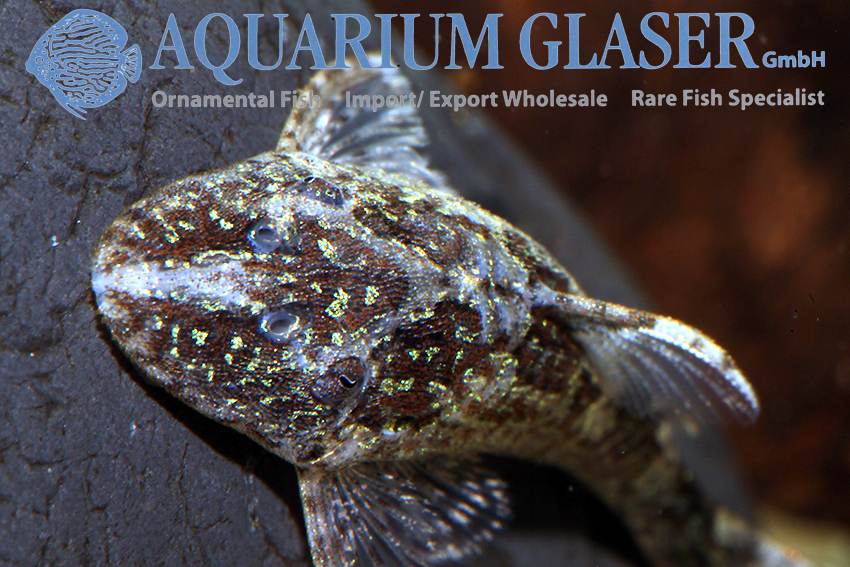
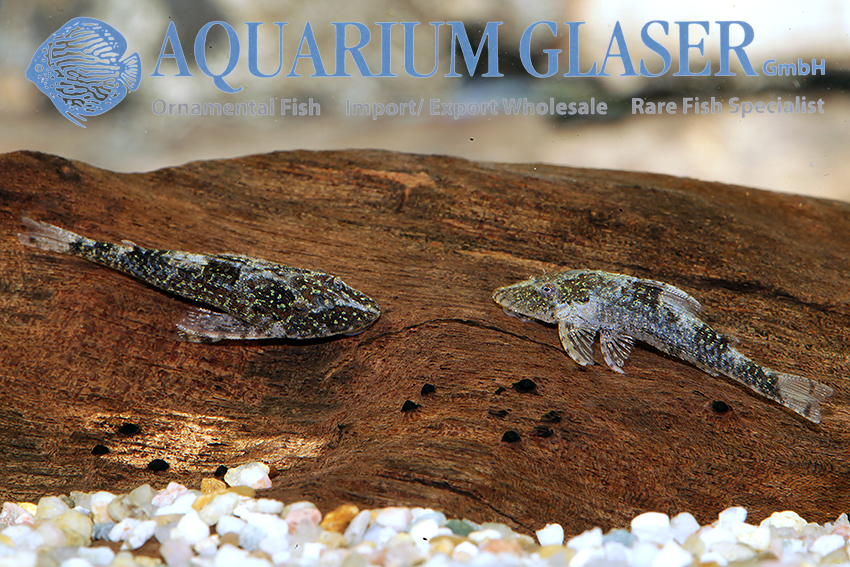
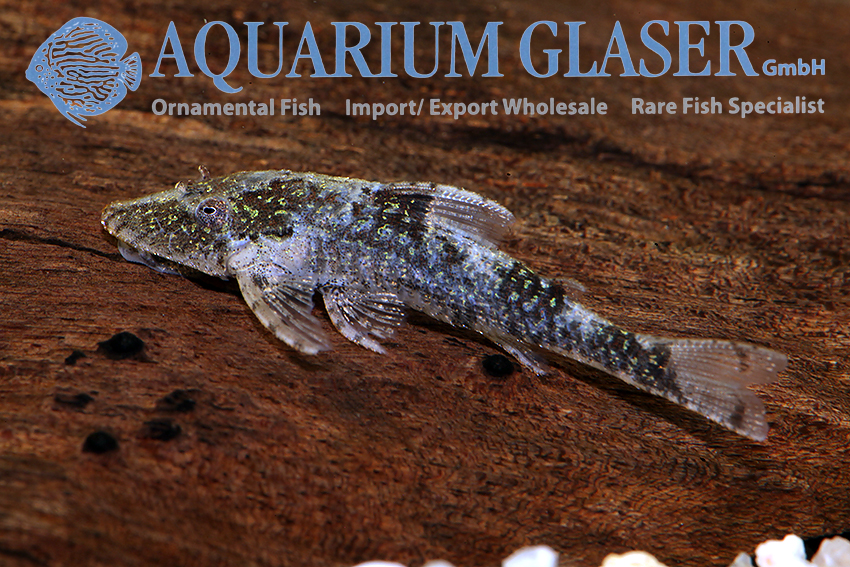
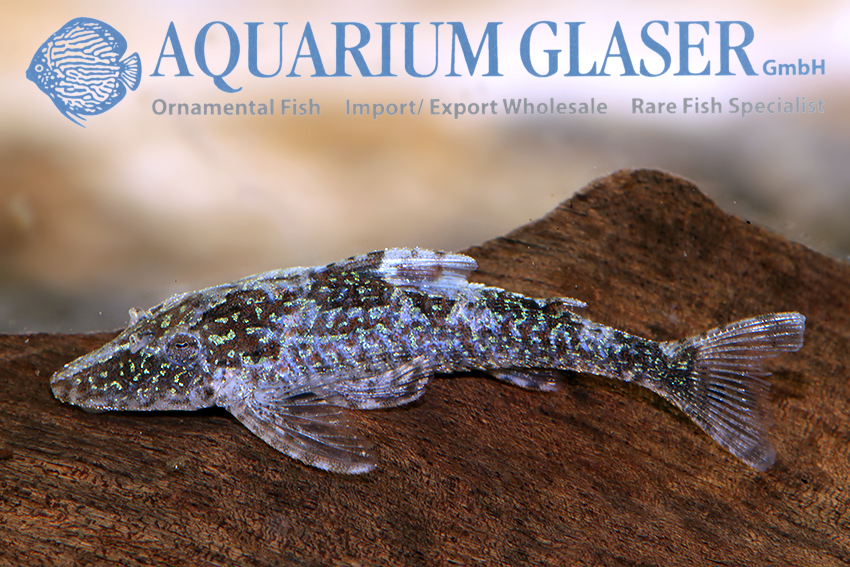
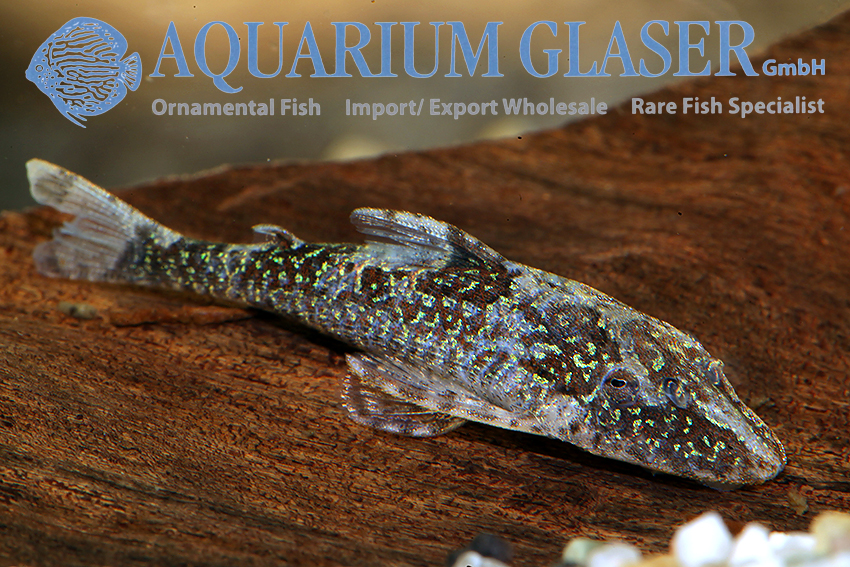
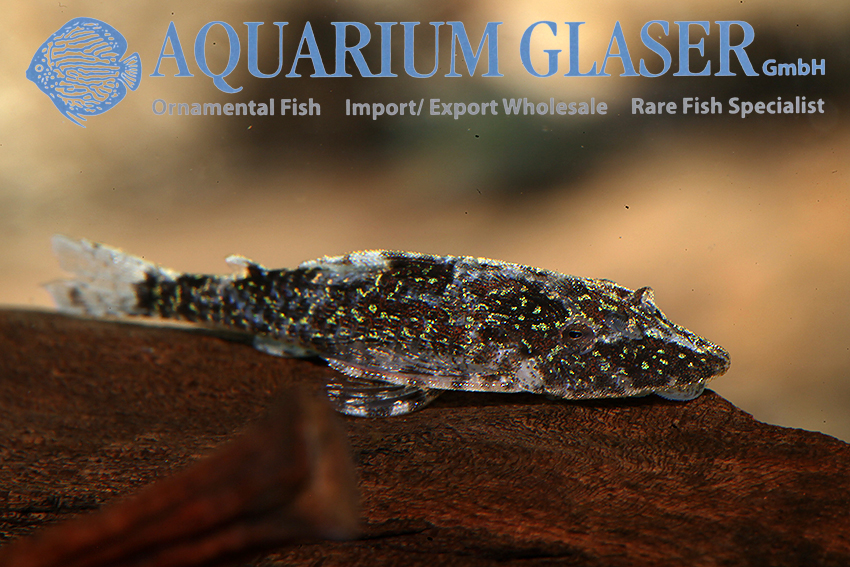
In 2022, dwarf suckermouth catfish were reclassified, and the new genus Rhinotocinclus was established, into which 18 species from the genera Parotocinclus, Hisonotus, and Curculionichthys were transferred, along with 5 new species. The type species of the genus is R. longirostris. In August 2026, another species was added, bringing the total number of Rhinotocinclus species to 24. Regarding the Peppermint Otos, we learn that there are two species that are indistinguishable to the naked eye: R. eppleyi from the Orinoco (Colombia and Venezuela) and R. longirostris from the Amazon (Brazil). The difference can only be seen in dissected specimens. R. longirostris has more teeth (an average of 30 in both the upper and lower jaws), while R. eppleyi has an average of 26 in the upper jaw and 25 in the lower jaw.
In terms of care, the two species are identical. It is very important to provide plenty of dead leaves—that is, leaves that have fallen from the tree—and not picked and dried green leaves (which are too high in sugar and can pollute the water). European beech, oak, and sea almond are the most suitable. It is particularly important for aquarists who wish to breed these fish to know that there are two virtually indistinguishable species. Therefore, when attempting to breed them, always use only specimens whose origin is known beyond a doubt. In the trade, the names R. eppleyi and R. longirostris are most likely frequently confused; you cannot rely on them. The photos accompanying this post show Brazilian specimens, which are definitely R. longirostris, the photos in the post about R. eppleyi show animals from Venezuela, so they have been correctly identified.
Maximum size: approx. 2.5–3 cm; Temperature: 26–30°C; pH and hardness: soft and acidic, above all low in bacteria; Diet: Aufwuchs eaters; Social behavior: very peaceful
For our customers: these animals are listed under code 276583 on our stock list. Please note that we supply exclusively to wholesalers.
Text & photos: Frank Schäfer
