





At least three different species of argus fish (scats) of the genus Scatophagus live in the Asian part of the Indian Ocean: the green scat, the red scat, and the Hooghly scat. From a scientific standpoint, all three are currently classified as a single species, known as Scatophagus argus. While this is incorrect, this is not the appropriate place to discuss such matters. Suffice it to say: the “true” Scatophagus argus is the Red Scat; the others should actually be given different names.


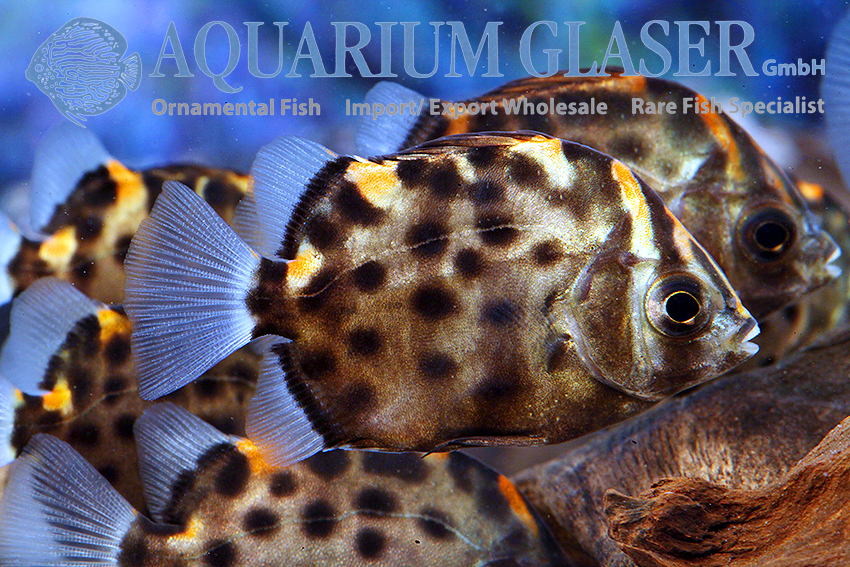
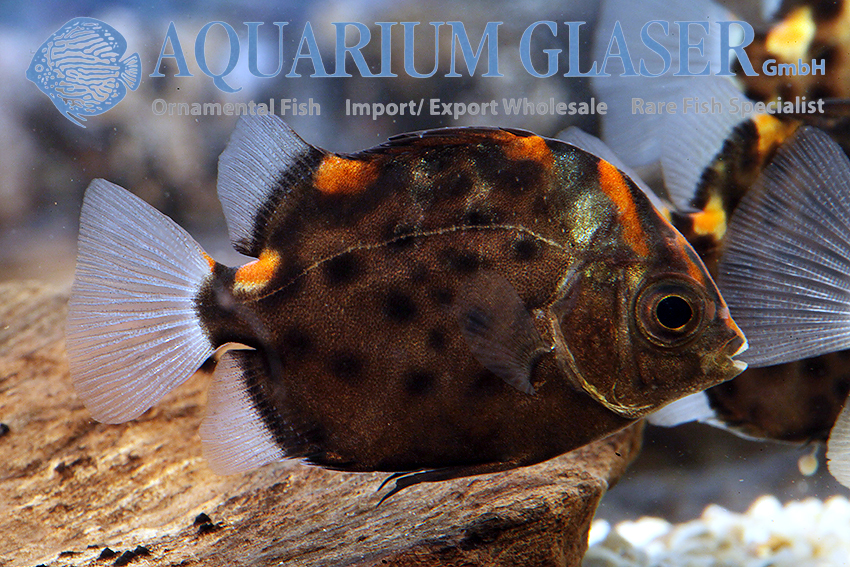
All scats are so-called euryhaline fish, meaning they can move back and forth between saltwater and freshwater at any time. In the wild, even fully grown argus fish are occasionally found in freshwater. However, scats prefer to live in the transitional zone between saltwater and freshwater, known as brackish water. In an aquarium, it is very important that the pH level does not drop below 7. Furthermore, scats are very sensitive to nitrite and nitrate in freshwater.
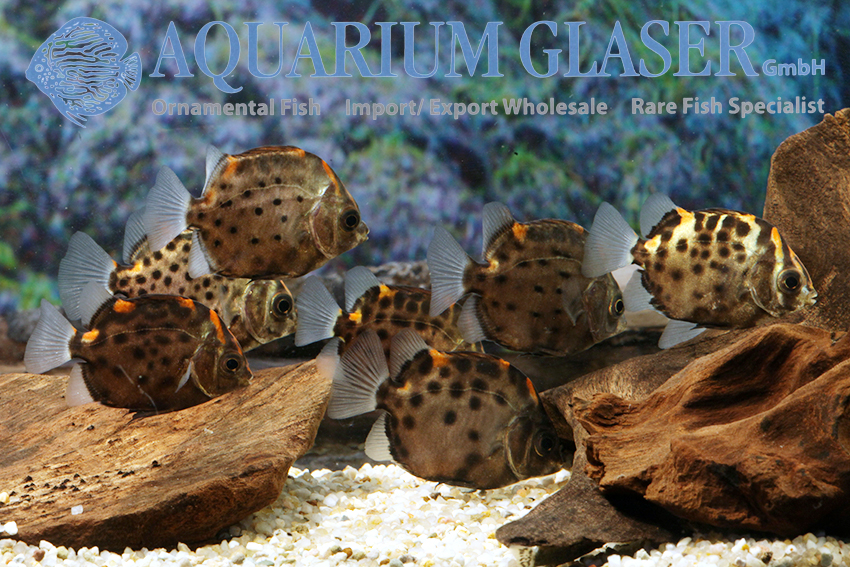
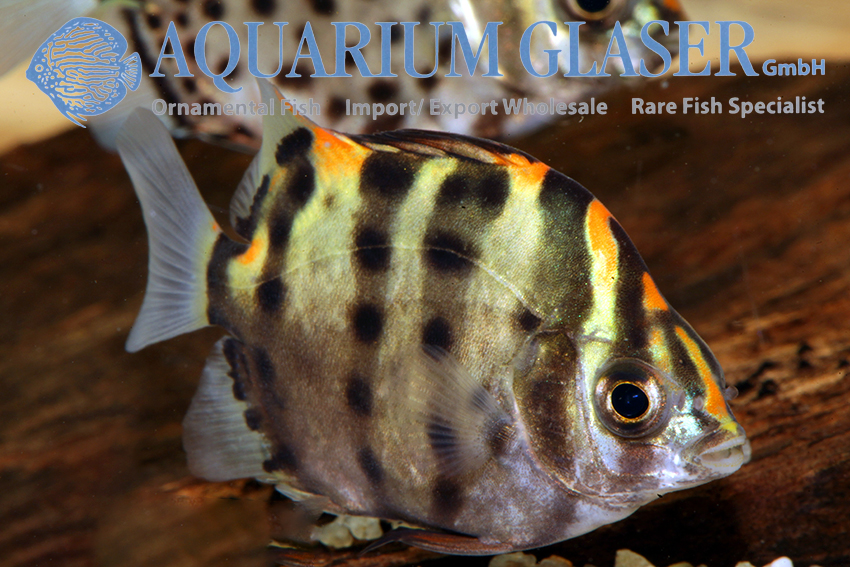
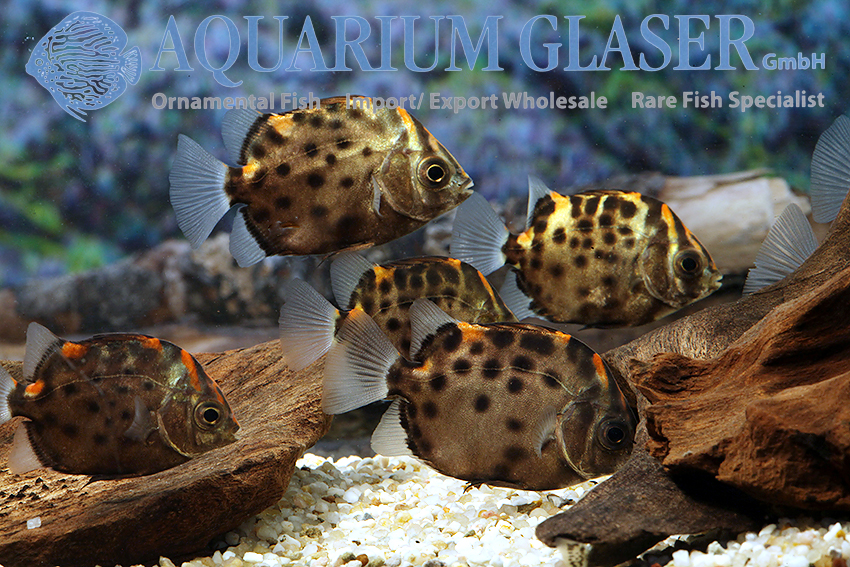
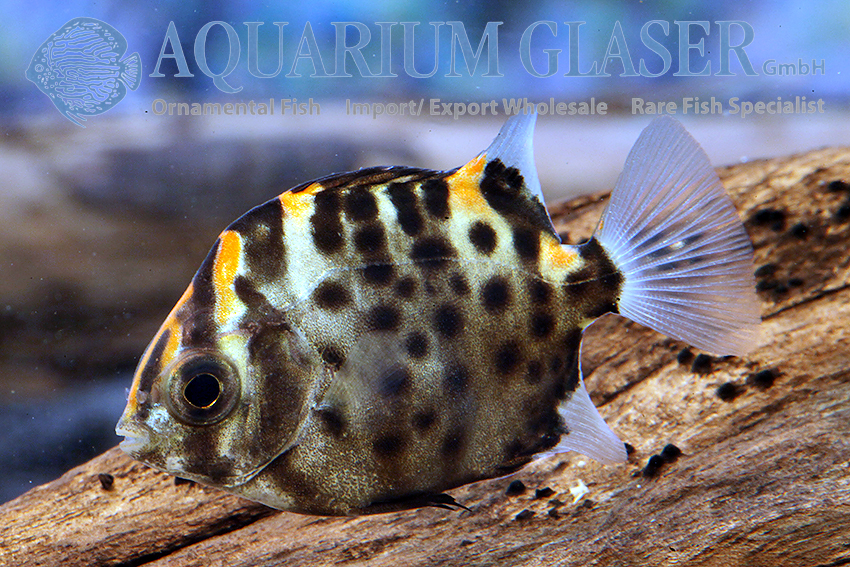
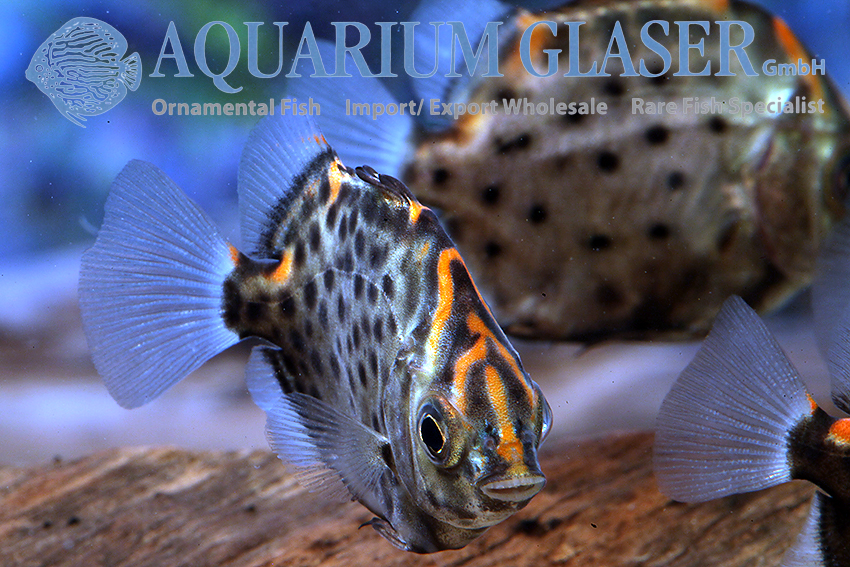
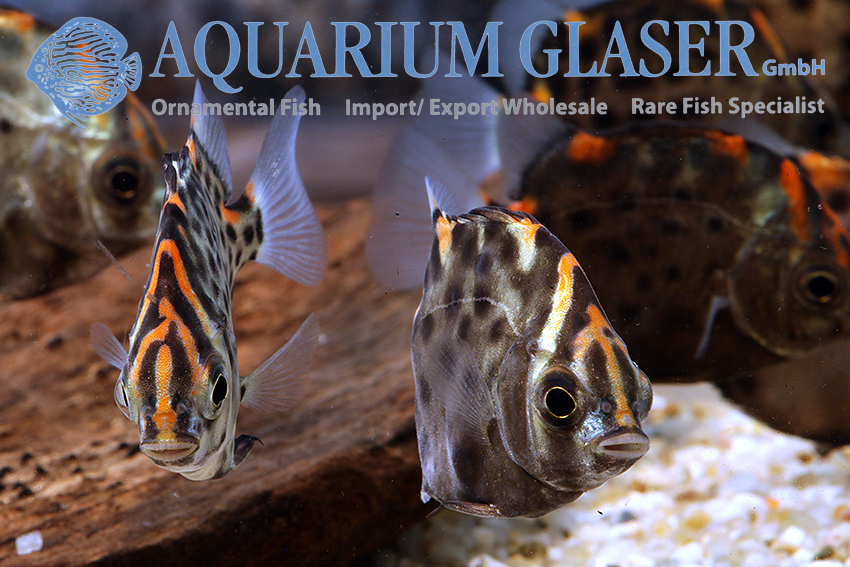
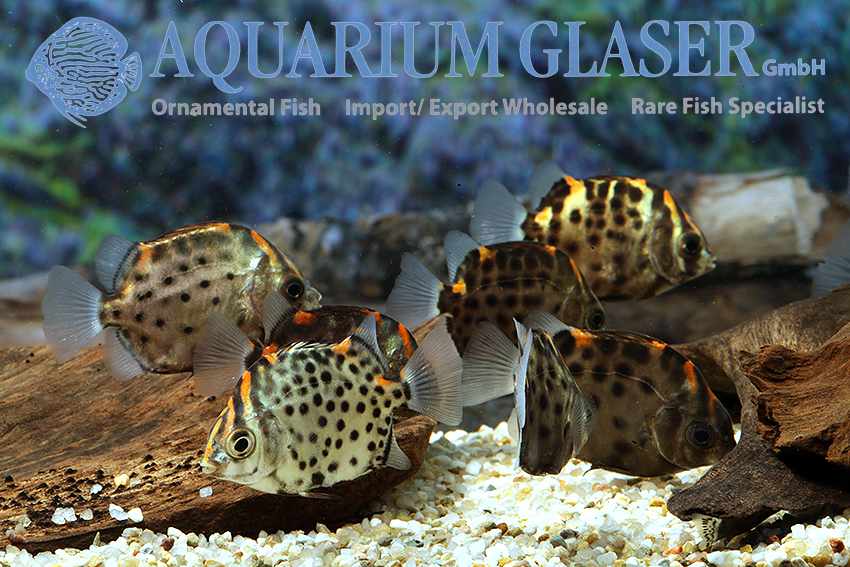
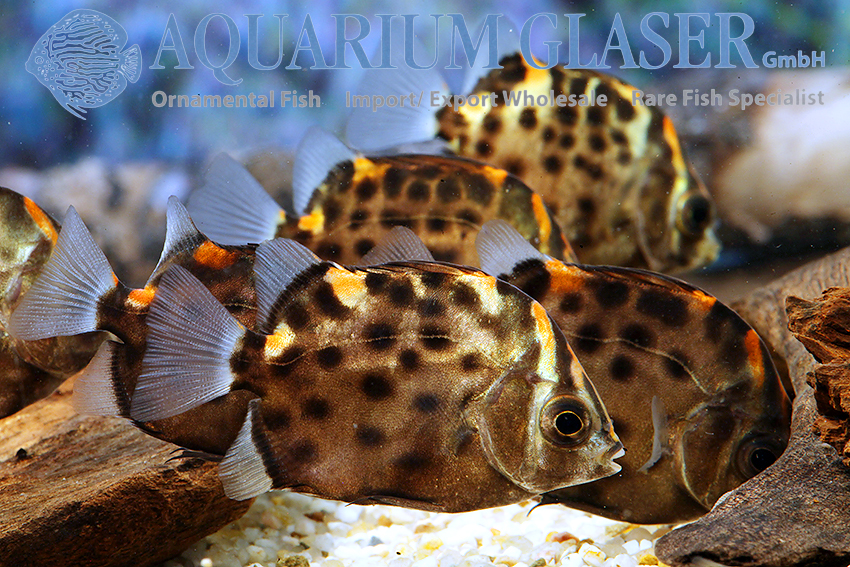
Young scats live in schools; once sexually mature, they become quarrelsome with one another, especially the males. A school of red scats is always a sight to behold; the fish photographed for this post come from Vietnam. Interestingly, juveniles exhibit a wide variety of spot and stripe patterns, whereas sexually mature individuals (8 cm or longer) all display a similar spot pattern. In some areas—such as along the Thai coast—red scats and green scats live together (though they have different spawning seasons in these areas), while in other places only a single species of scat fish is found. Most red scats come from Indonesia.
Maximum size: approx. 30 cm; Temperature: 25–30°C; pH and hardness: brackish water is best (10–20 g sea salt per liter), pH not below 7, preferably above 8! Diet: Omnivorous; Social behavior: Juveniles in schools, adults in social groups, peaceful toward fish of other species.
For our customers: Red scats are listed on our stock list under codes 454800 through 454804, depending on size. Please note that we supply exclusively to wholesale customers.
Text & photos: Frank Schäfer
