








The genus Spatuloricaria comprises 13 scientifically described species. The genus has an extremely wide range, extending from southern South America (Argentina, Paraguay, Uruguay, southern Brazil) to Panama in the north. It is also found on both slopes of the Andes. Eleven of the 13 species were described by 1945; it was not until 70 years later that two new species were added: S. tuira from the Xingu and Tapajós rivers in Brazil (2014) and S. terracanticum from the Orinoco basin (2018). Unfortunately, these two most recent studies, in which the newly described species must necessarily be distinguished from existing species, are somewhat contradictory in parts. In addition, at least one very distinctively colored species from Peru has apparently not yet been scientifically recorded, but is occasionally imported (see: https://www.aquariumglaser.de/en/10-catfishes/spatuloricaria-sp-black-white-peru-2/).
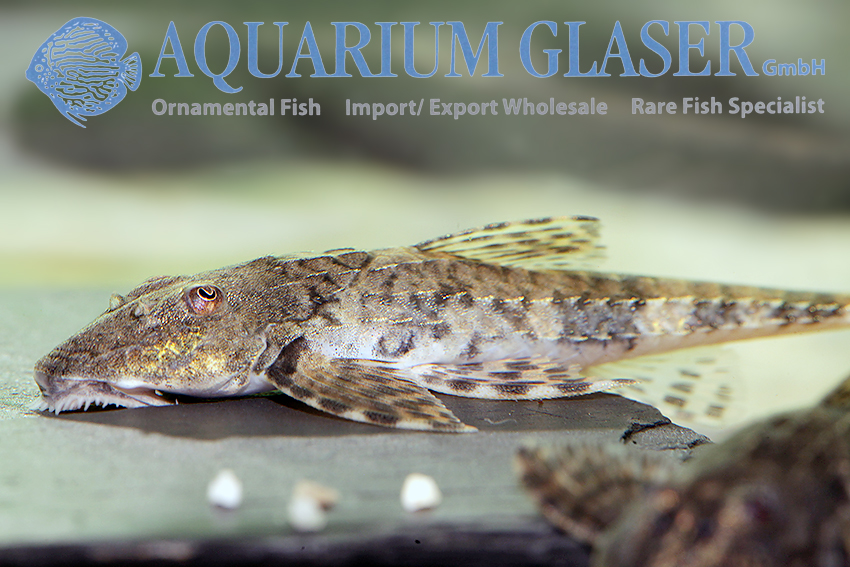
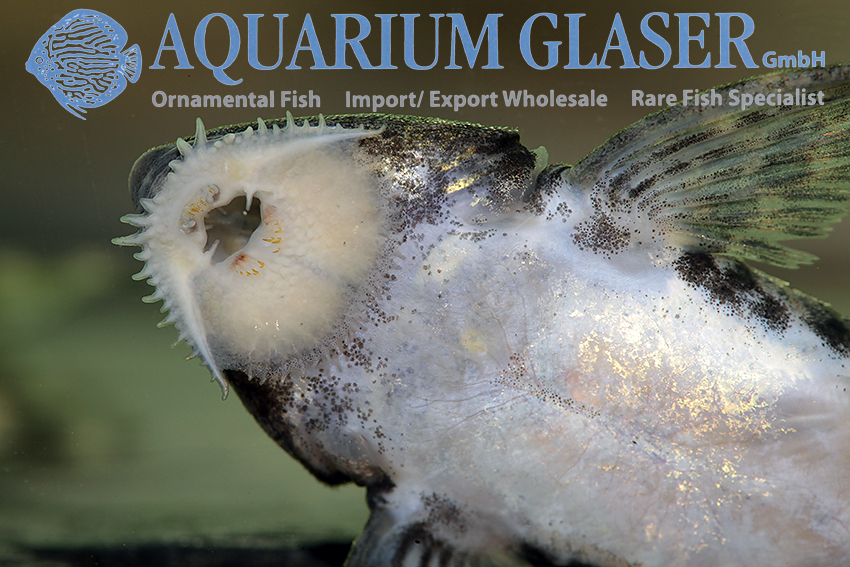
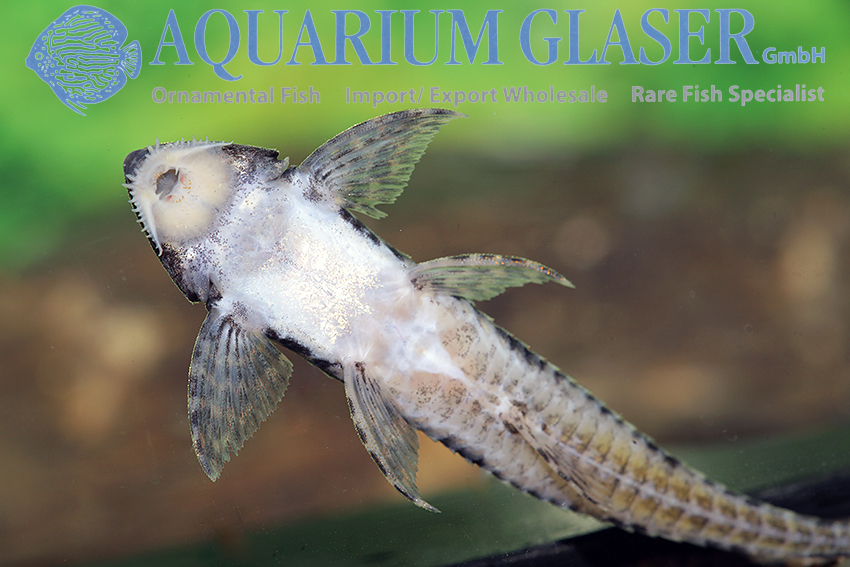
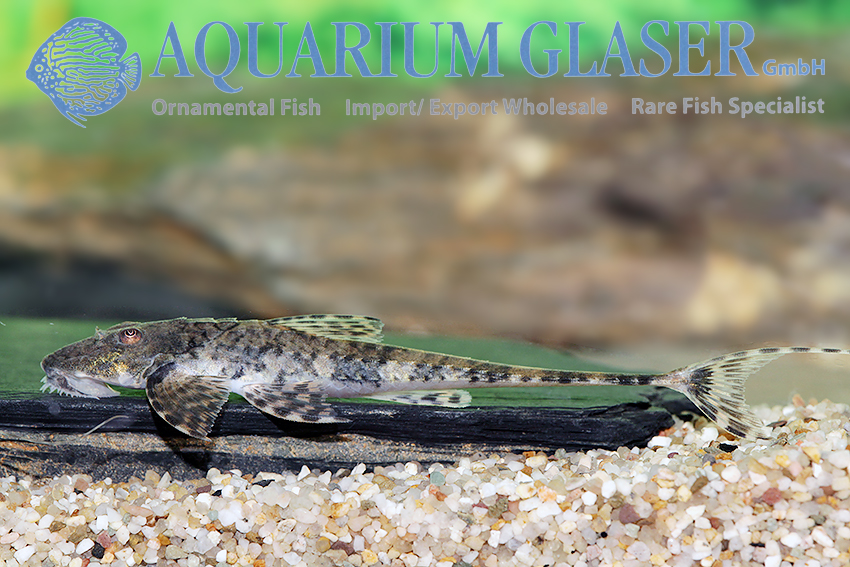
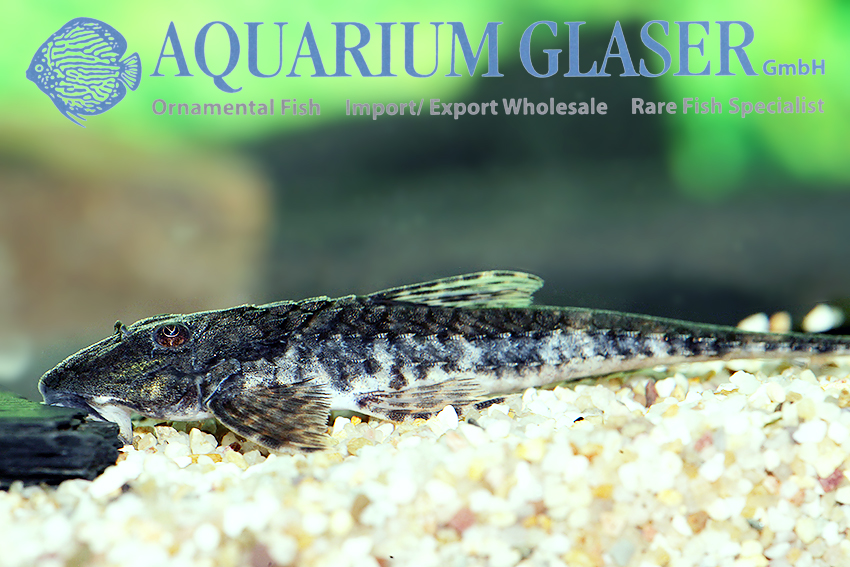
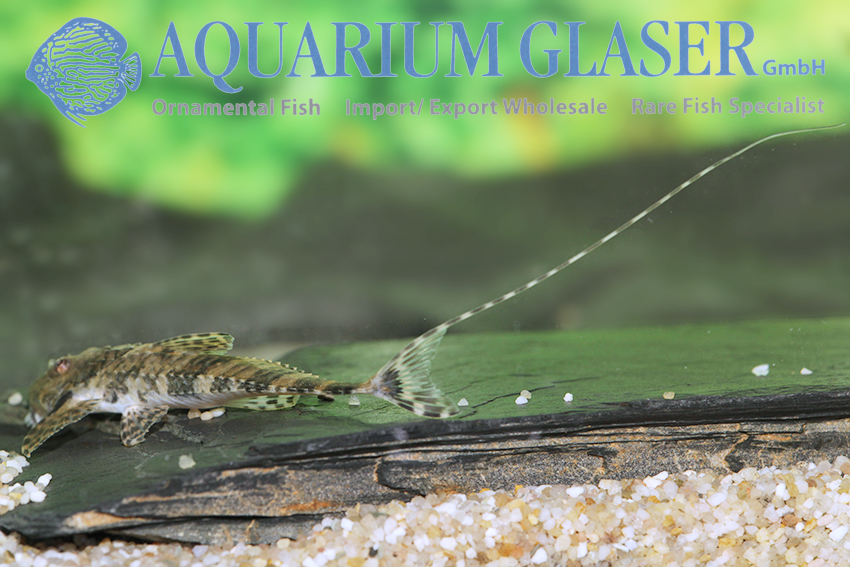
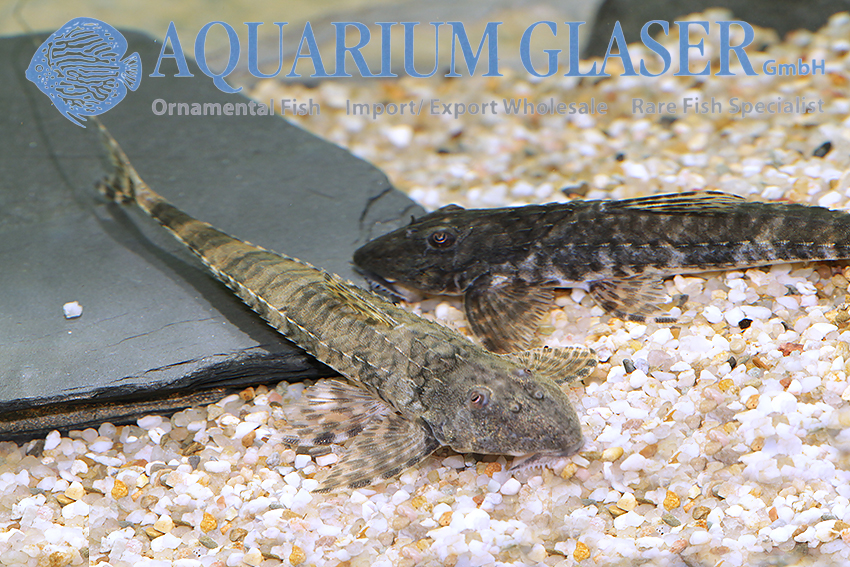
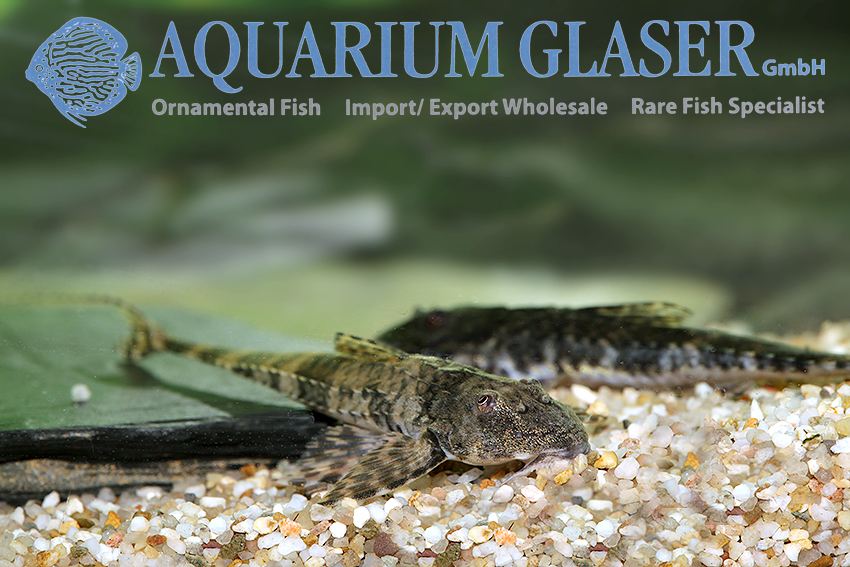
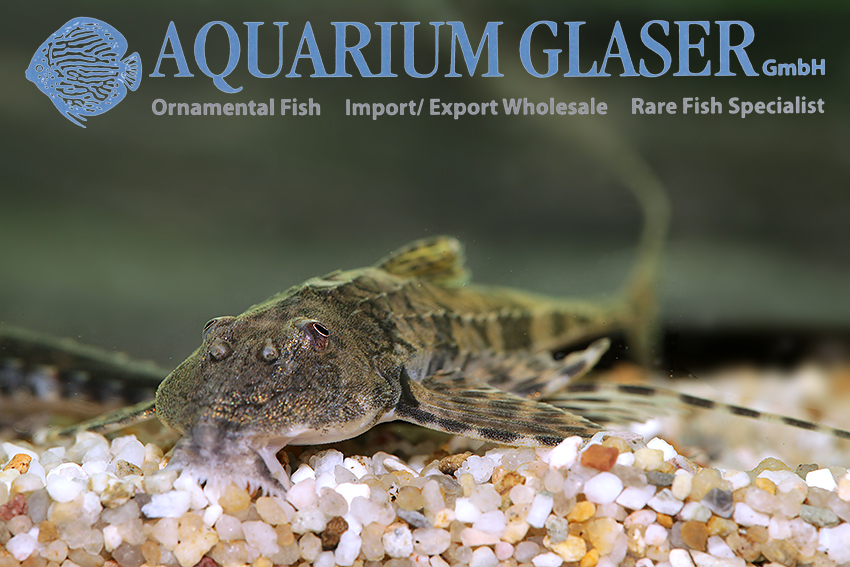
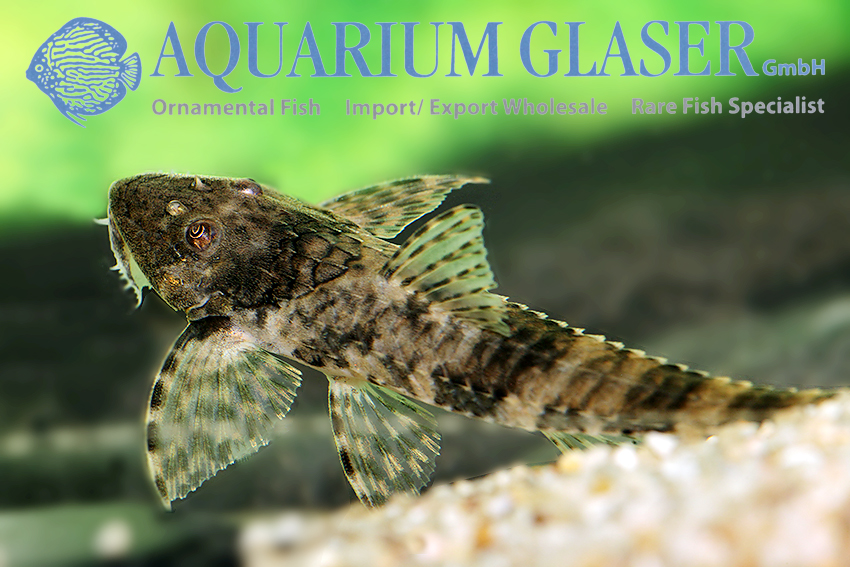
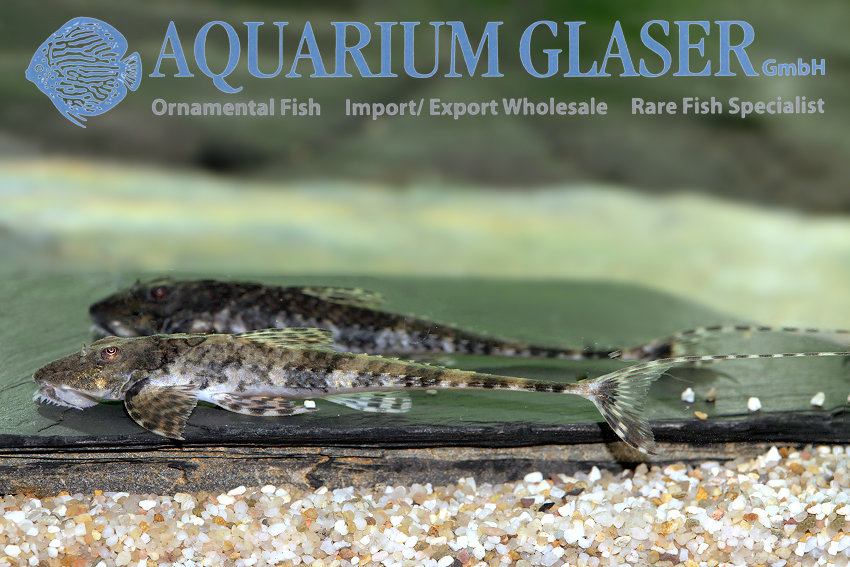
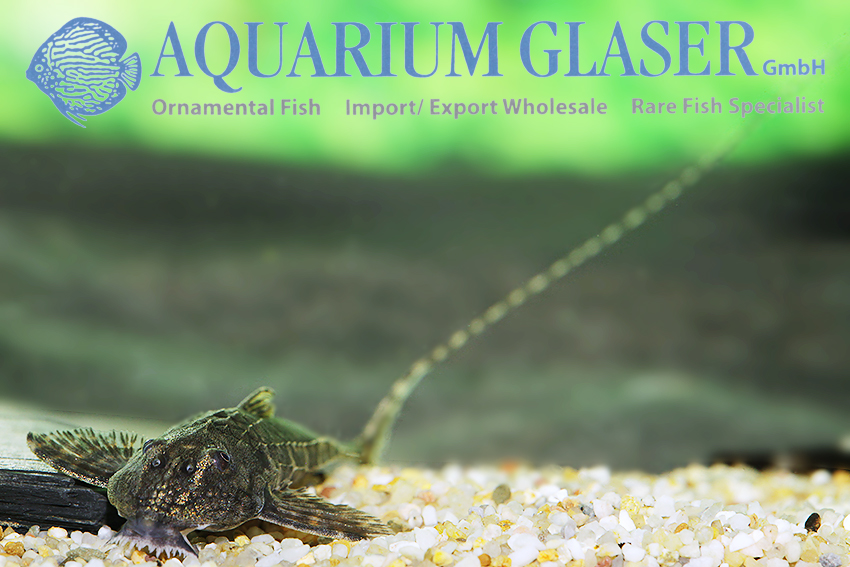
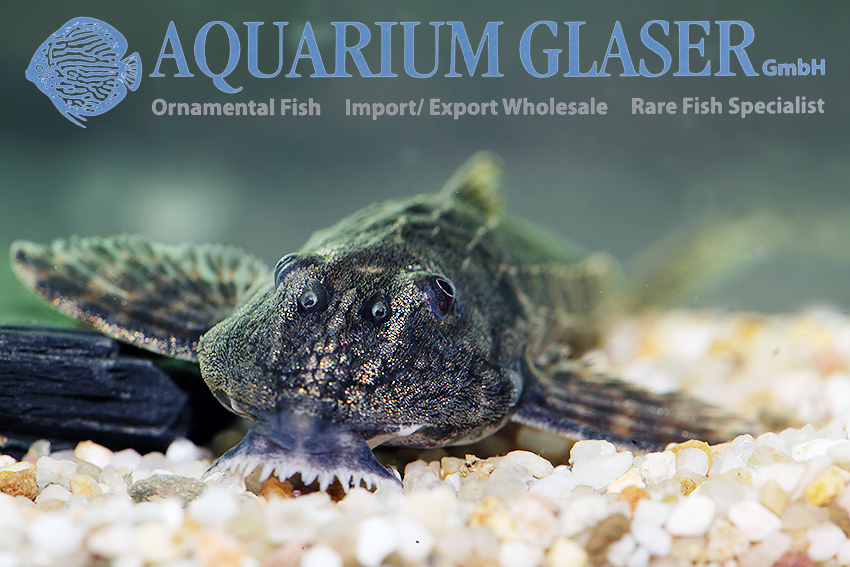
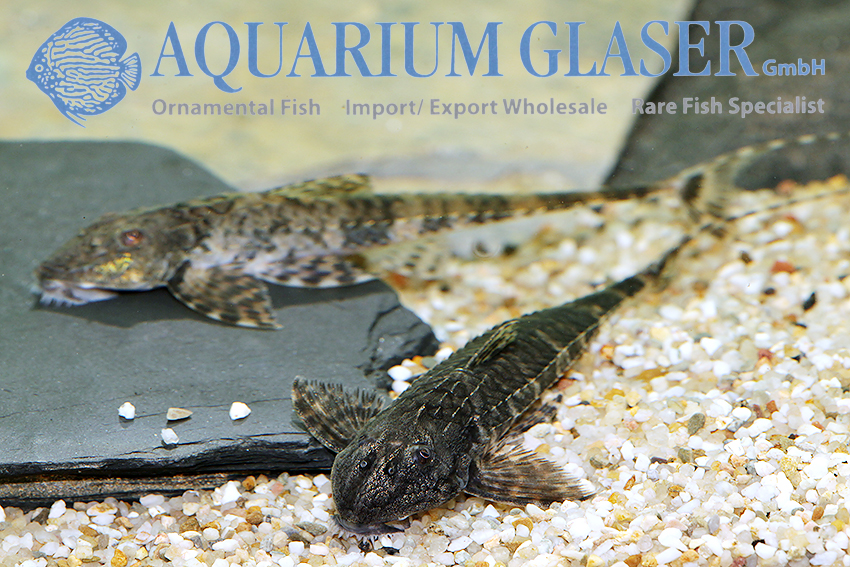
The species Spatuloricaria tuira from Brazil (the Xingu and Tapajós river basins) is the smallest species in the genus. In the wild, sexually mature males have a standard length (i.e., excluding the caudal fin) of between approximately 9 and 15 cm. In addition, all Spatuloricaria species have a very long filament on the upper edge of the caudal fin. In the aquarium, they will likely grow slightly larger but remain manageable nonetheless. The species S. tuira is easy to identify because it has a completely naked belly. Within the genus, this characteristic is otherwise found only in S. nudiventris (found in the drainages of the La Plata and São Francisco rivers in Argentina and Brazil); all other Spatuloricaria species have bony plates on their bellies. S. tuira differs easily recognizable from S. nudiventris in the number of transverse bands on the back: five in S. tuira versus four in S. nudiventris.
During the breeding season, male Spatuloricaria develop an enormous “beard,” which regresses after the breeding period. Spatuloricaria are cave breeders that prefer to spawn on the underside of flat stone slabs. Breeding reports can be found in the aquarium magazine Amazonas, Issue 12 (7/8, 2007) on pages 47–55.
Spatuloricaria are omnivores with a preference for animal-based foods. However, they can also be fed plant-based flake food occasionally, for example. The long, curved fangs in the upper jaw suggest that this species primarily feeds on snails in the wild, as such teeth only make sense in this context: for pulling the snail’s soft body out of its shell. Aquarium observations on this topic are still pending.
For our customers: the fish are listed under code 293794 (8–14 cm) on our stock list. Please note that we supply exclusively to wholesalers.
Literature:
Fichberg, I., O. T. Oyakawa & M. C. C. de Pinna (2014): The end of an almost 70-year wait: a new species of Spatuloricaria (Siluriformes: Loricariidae) from the Rio Xingu and Rio Tapajós basins. Copeia 2014 (no. 2): 317-324.
Londoño-Burbano, A., A. Urbano-Bonilla, Y. Rojas-Molina, H. Ramírez-Gil & S. Prada-Pedreros (2018): A new species of Spatuloricaria Schultz, 1944 (Siluriformes: Loricariidae), from the Orinoco River basin, Colombia. Copeia vol. 106 (no. 4): 611-621.
Text & photos: Frank Schäfer
