








The number of species in the genus Sternarchorhynchus has exploded in recent years. In 1994, only four species were known, but by 2006, the number had risen to ten, and today (2025), 32 species are recognized! This makes Sternarchorhynchus the most species-rich genus within the Apteronotidae family.
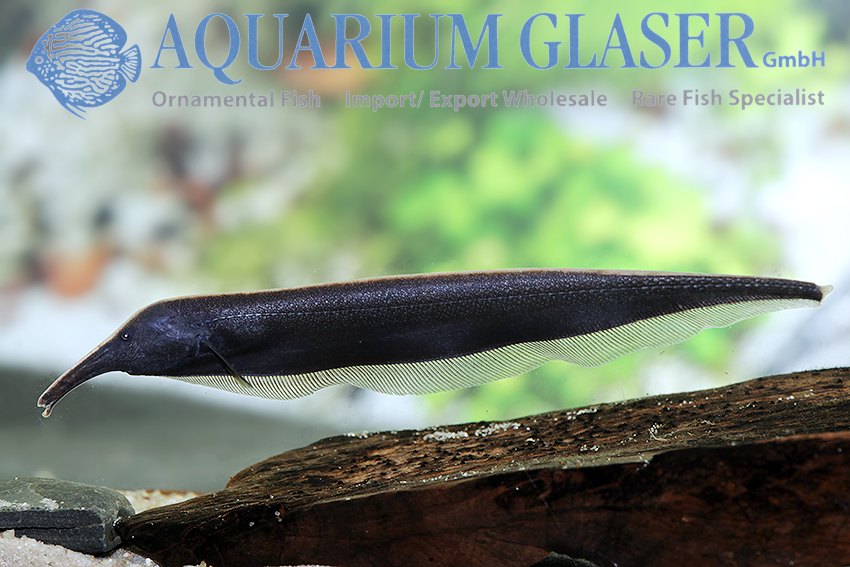
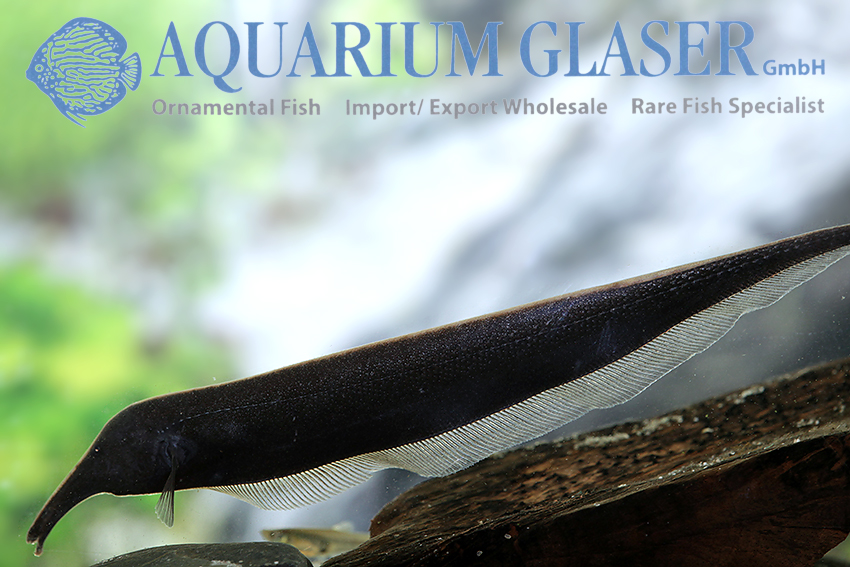
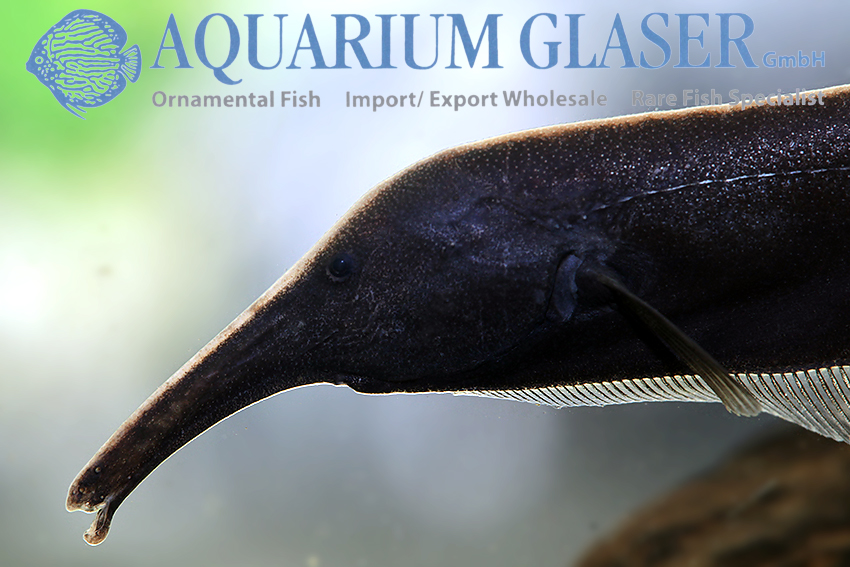
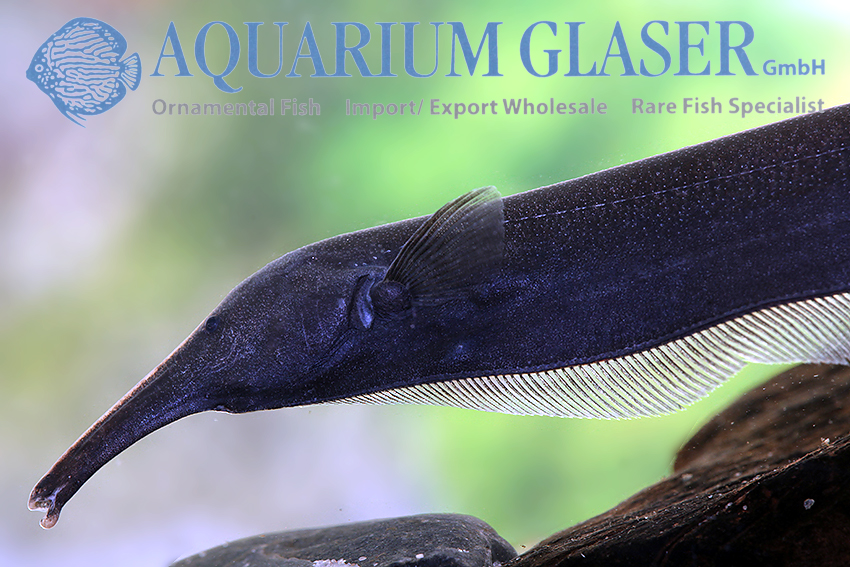
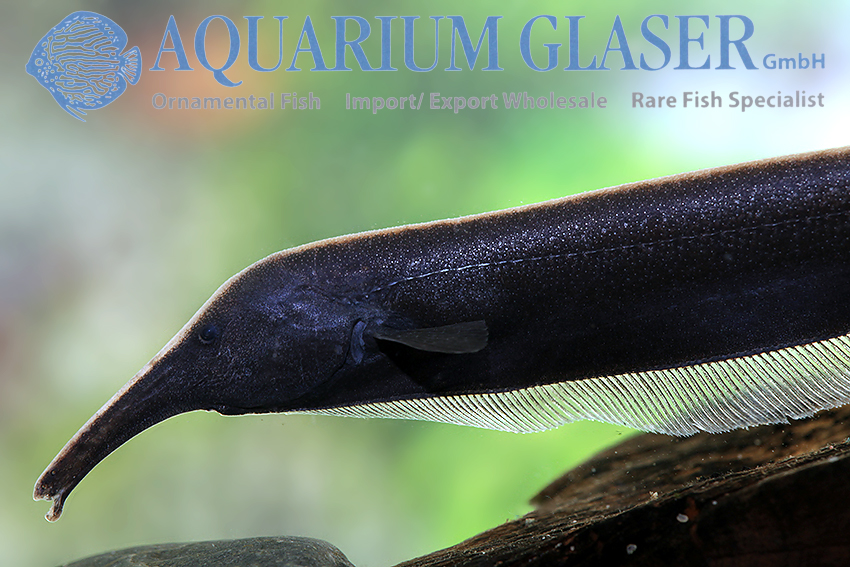
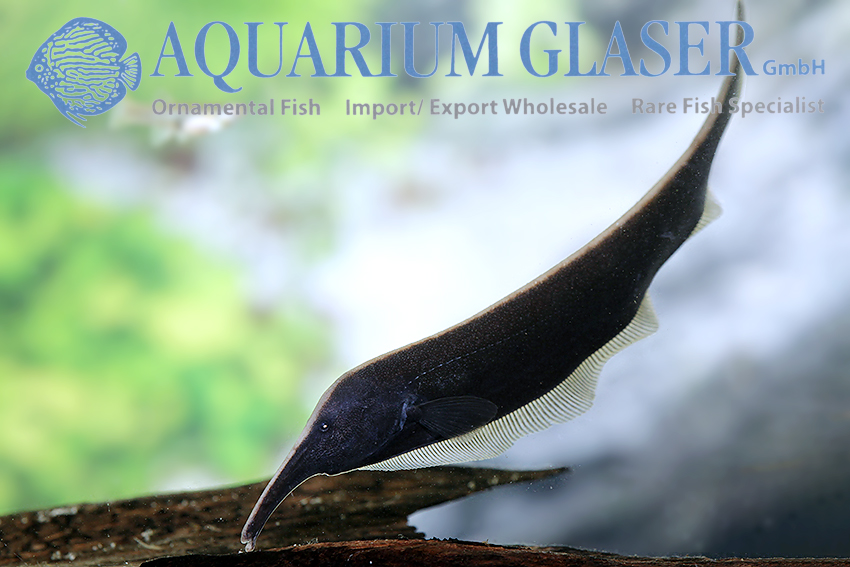
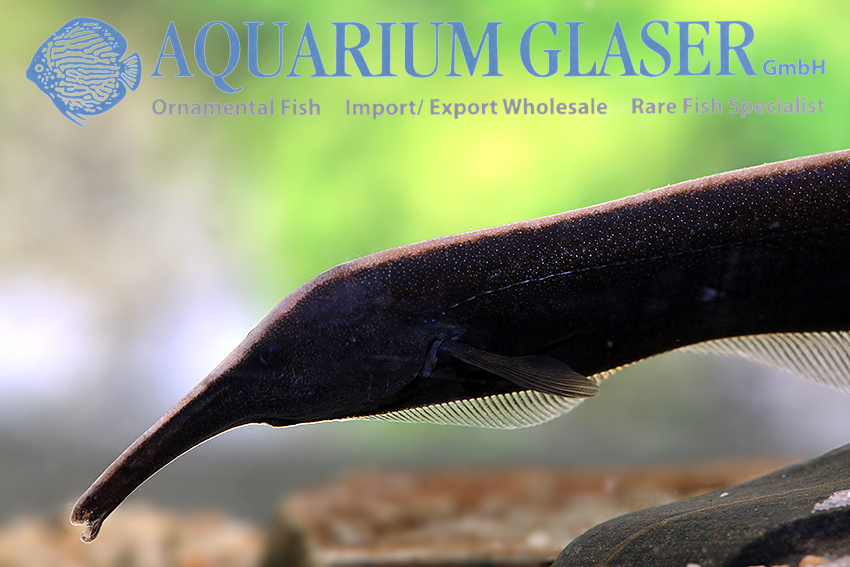
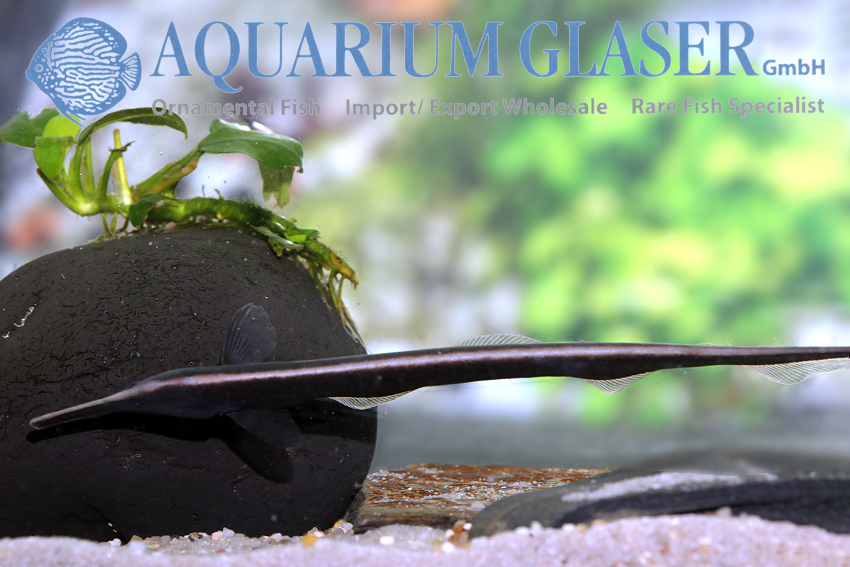
With a shipment of Apteronotus macrostomus (in the hobby known as A. leptorhynchus, see https://www.aquariumglaser.de/en/11-gymnotiformes-knifefishes-of-the-new-world/apteronotus-leptorhynchus-a-macrostomus-2/) from Colombia, we also received a single specimen of a Sternarchorhynchus species. According to the latest revision of the genus by de Santana & Vari (2010), there are seven species of the genus in Colombia: S. gnomus, S. marreroi, S. mendesi, S. mormyrus, S. oxyrhynchus, S. roseni, and S. yepezi. There are hardly any color differences between the species. Almost all are monochromatic dark brown with a light eel stripe; only S. gnomus lacks the light dorsal stripe or has only a faint one. If one follows the identification key for the species from the Orinoco in the aforementioned work, the shape of the mouth initially leads to S. oxyrhynchus; however, for those of us who are not deeply familiar with the subject matter, this characteristic is somewhat deceptive because we do not have good means of comparison.
The remaining key leads to S. mendesi (distinct dorsal stripe, no scales on the back). S. oxyrhynchus has 212–242 fin rays in the anal fin, making it a very elongated fish, while S. mendesi has 174–182. The photographed animal has approximately 177 anal fin rays (without an X-ray, slight inaccuracies in counting are possible at the very front and very back, but these are not critical for species identification). So it’s official: we have successfully imported Sternarchorhynchus mendesi for the first time!
This is remarkable in that S. mendesi is currently known from only eight specimens, all of which were found in the Río San Juan and Río Guanipa river basins in northeastern Venezuela. Apteronotus macrostomus, on the other hand, is caught in the Rio Meta basin in Colombia for export as an ornamental fish.
The largest specimen of S. mendesi known to date was just over 20 cm long. The imported fish has proven to be easy to care for so far; its current length is about 15 cm. At the end of its body, it has a small regenerative tail; as is well known, knifefish have the very unusual ability to regenerate lost parts of their spine at the end of their body, provided that no vital internal organs are affected. The animal proved to be completely peaceful towards even small tank mates (three-quarter-sized guppies). Sternarchorhynchus can be easily fed with frozen and live food in the aquarium; tubifex and bloodworm are particularly popular. South American knifefish have generally proven to be very adaptable in terms of water parameters such as hardness and pH value. The animals are mainly crepuscular, but come out of hiding during the day when feeding. The animals are only moderately compatible with conspecifics, see https://www.aquariumglaser.de/en/11-gymnotiformes-knifefishes-of-the-new-world/sternrachorhynchus-from-peru/. Since Sternarchorhynchus have sharp teeth in their mouths, they can theoretically injure each other. When keeping several animals together, it is therefore important to pay close attention so that you can intervene in time if necessary.
For our customers: the animal has code 293984 on our stock list. Please note that we only supply wholesale customers.
Literature:
de Santana, C. D. & R. P. Vari (2010): Electric fishes of the genus Sternarchorhynchus (Teleostei, Ostariophysi, Gymnotiformes); phylogenetic and revisionary studies. Zoological Journal of the Linnean Society v. 159 (no. 1): 223-371.
Text & photos: Frank Schäfer
