








The classic fishing grounds for green discus are the Rio Tefé and the region where it widens into a lake at its confluence with the Amazon, known as Lago Tefé; the city of Tefé lies on the shores of Lago Tefé. The entire Tefé region is located in Brazil, in the state of Amazonas, and covers approximately 23,700 km²; it is inhabited by about 73,700 people, who call themselves Tefeenses. The Rio Tefé is a blackwater river; near the city of Tefé, the Rio Japurá flows into the Amazon. The distance from Tefé to Manaus is about 525 km (as the crow flies); by river, it is about 595 km.
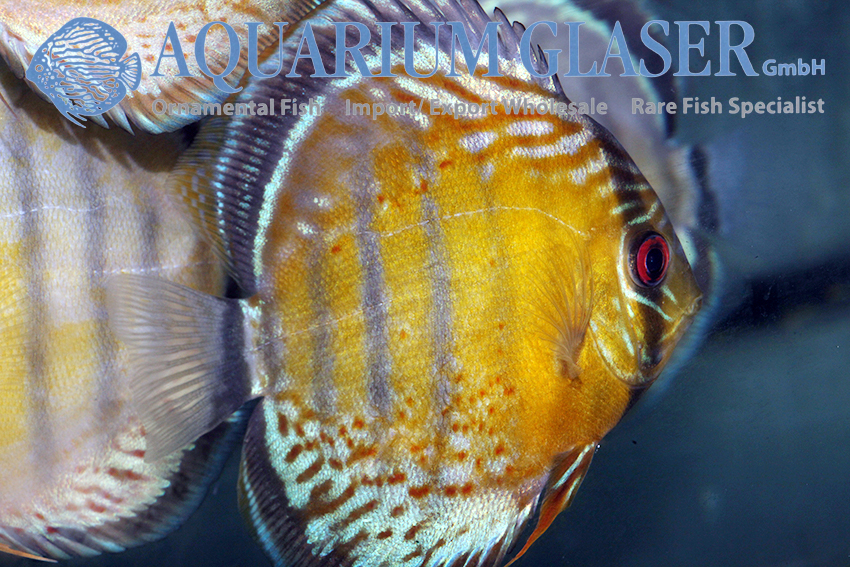
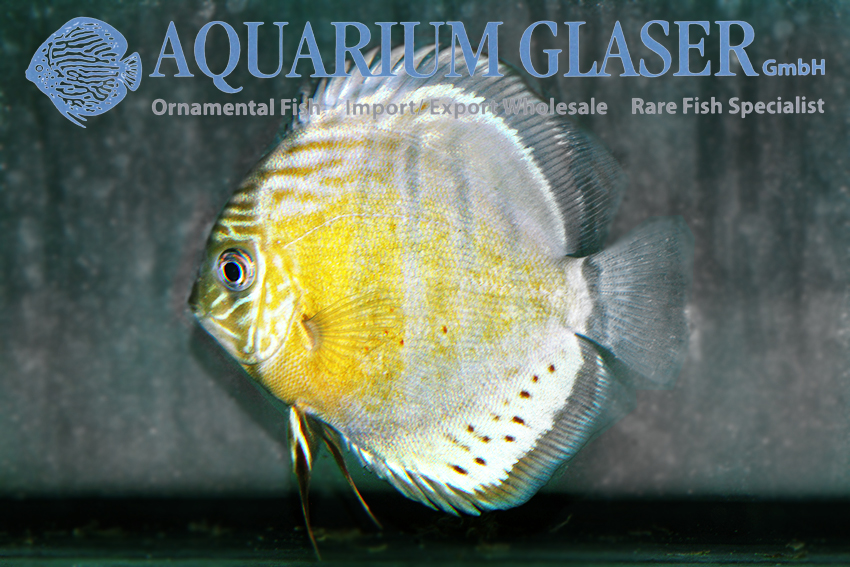
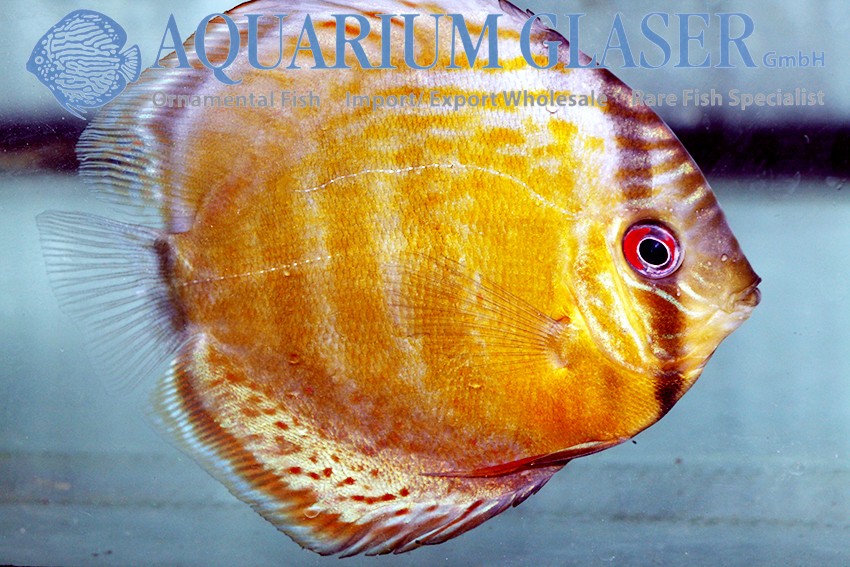
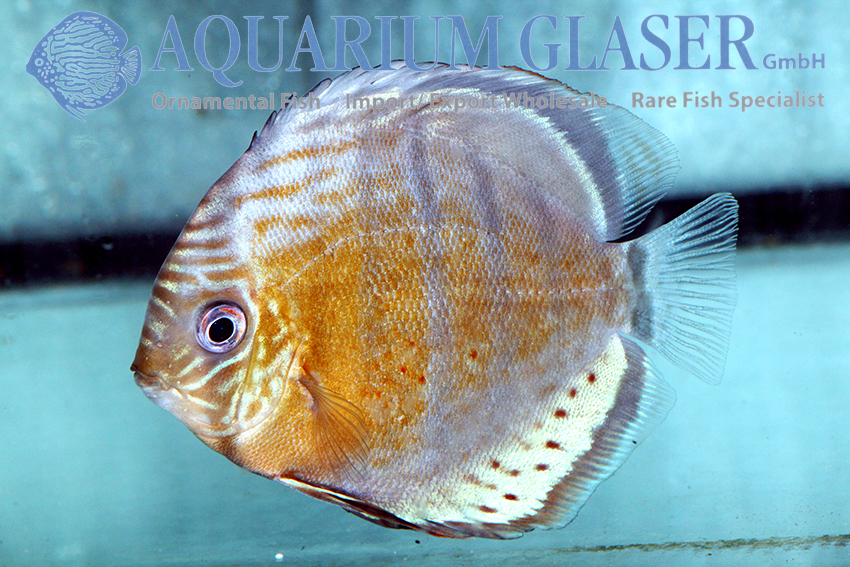
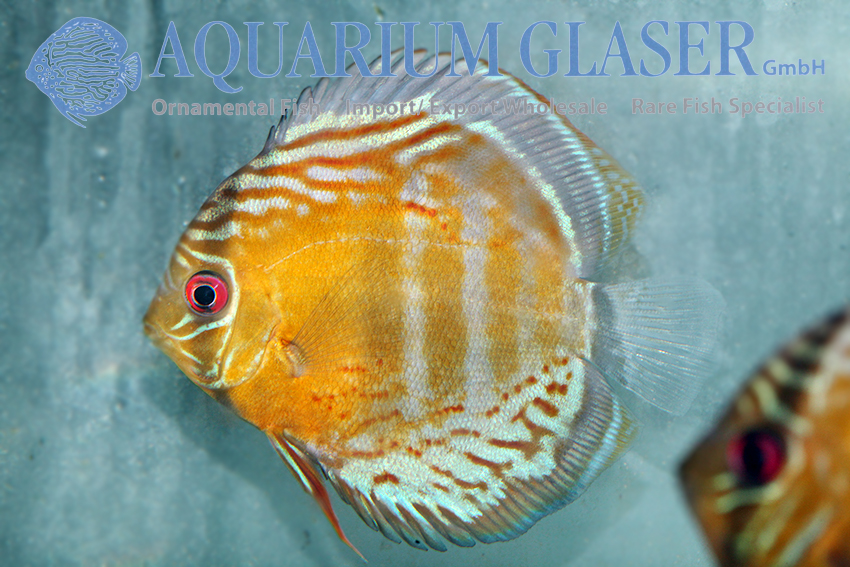
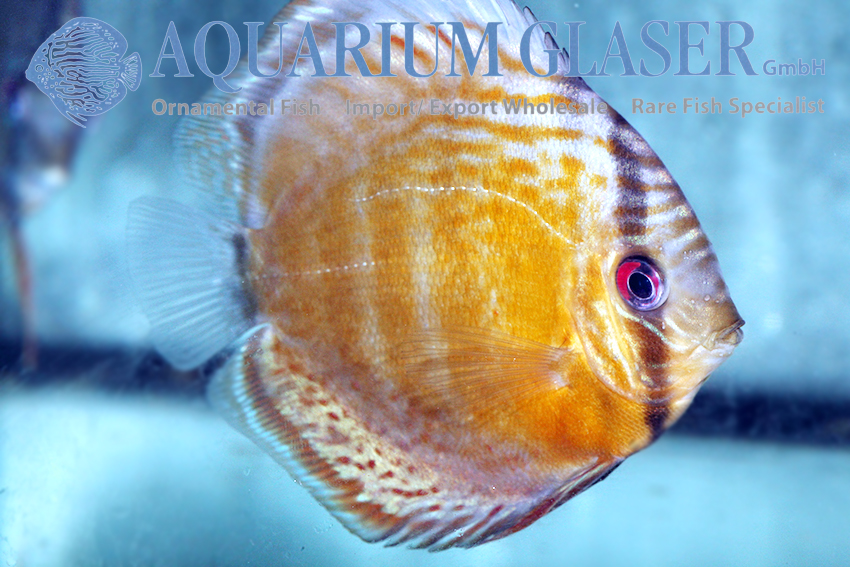
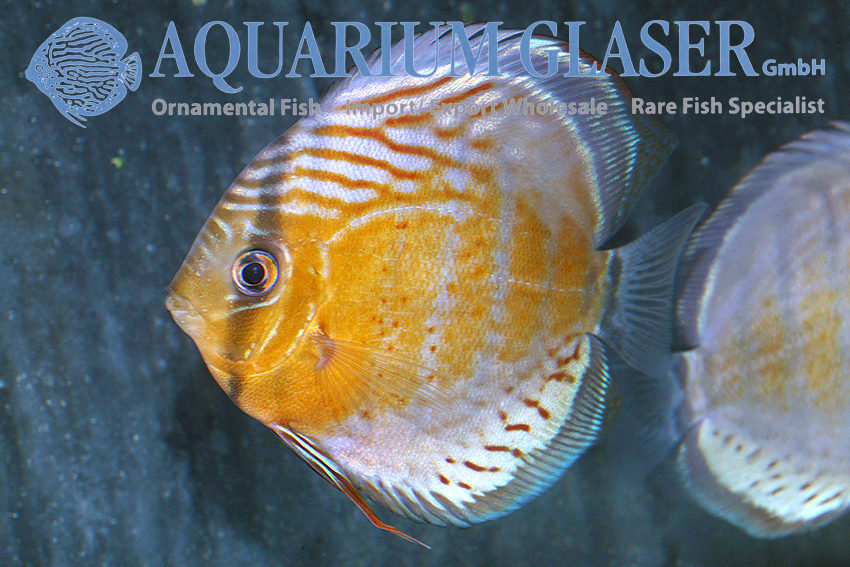
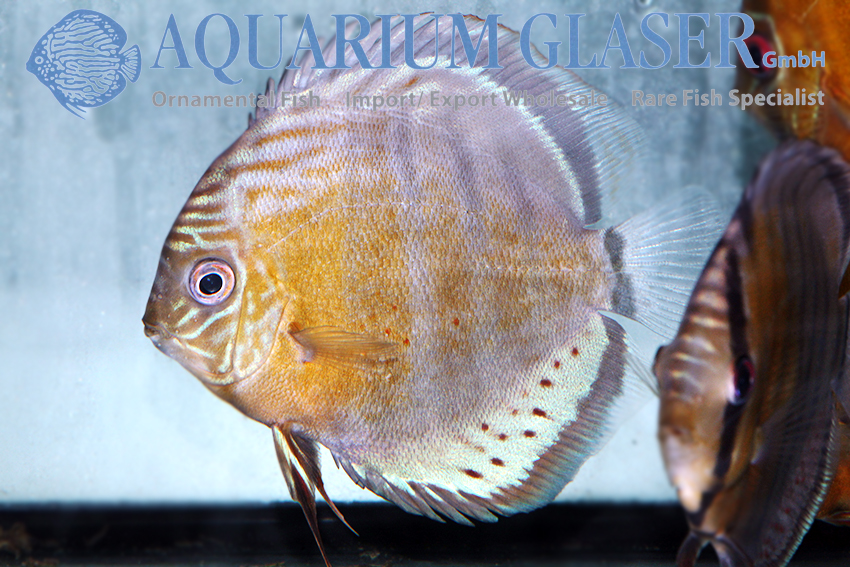
In terms of coloration, river and lake fish do not really differ; both include many Royals (fish with horizontal green-blue body stripes extending across the entire body) as well as specimens with many or few red spots on their flanks. Depending on their coloration, the fish are sorted at the collection site and classified into different price categories; it is important to note: Royals, spotted, and unspotted discus are not distinct local forms, but live together in the wild. The color variations within the discus population are referred to as polychromatism. The most important difference between lake and river fish is their shape. Discus from Lake Tefé generally have a higher back than their river counterparts.
In young fish, these differences—as well as certain color variations—are not yet particularly pronounced. This means you can purchase many a gem at a bargain price, whereas you’d have to dig much deeper into your pockets for the same fish once they reach adulthood. The larger the fish, the more expensive they are, since shipping costs account for the lion’s share of the price, as is well known. The larger the fish, the fewer specimens can be packed per box, and the higher the shipping cost becomes as a proportion of the price of the individual fish. The 9–12 cm size—we’re showing a selection of such fish here—is the perfect compromise between already largely developed coloration and purchase price. At this size, discus cichlids are just reaching sexual maturity. Keep in mind: Unlike most other cichlids, discus are schooling fish outside of the breeding season. Many problems that arise when keeping fewer fish (stress and resulting susceptibility to disease, poor feeding, shyness, and associated lackluster coloration, etc.) do not occur, or occur only rarely, when the fish are kept in a school of 10 or more.
For our customers: the Green Discus Tefé 9–12 cm have code 733064 on our stock list. Please note that we supply exclusively to wholesalers.
Text & photos: Frank Schäfer
