








When the first black-and-white “Tatia” appeared in the ornamental fish trade a few years ago, they were hailed as a sensation. These fish, native to Brazil, were initially identified as Tatia musaica. In 2017, a team of scientists published a study on Centromochlus species and described the species from Brazil (a tributary of the Rio Nhamunda), previously known as Tatia musaica, as a new species, Centromochlus orca. However, they confirmed Tatia musaica as a valid species from the Rio Orinoco. The “true” Tatia musaica differs in color from C. orca due to a higher proportion of black in its coloration (see https://www.aquariumglaser.de/en/10-catfishes/tatia-musaica-centromochlus-musaicus-2/). It was surprising that these two species, which are so similar to one another, were placed in different genera.
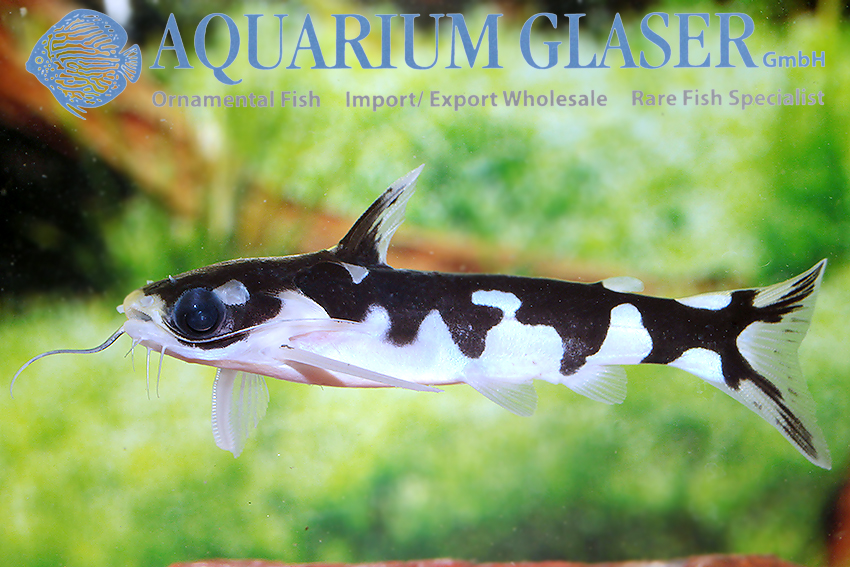
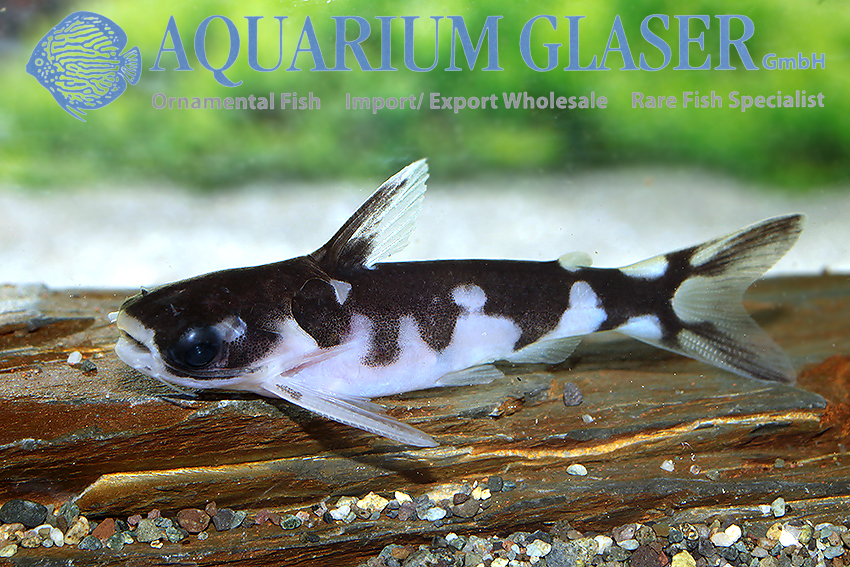
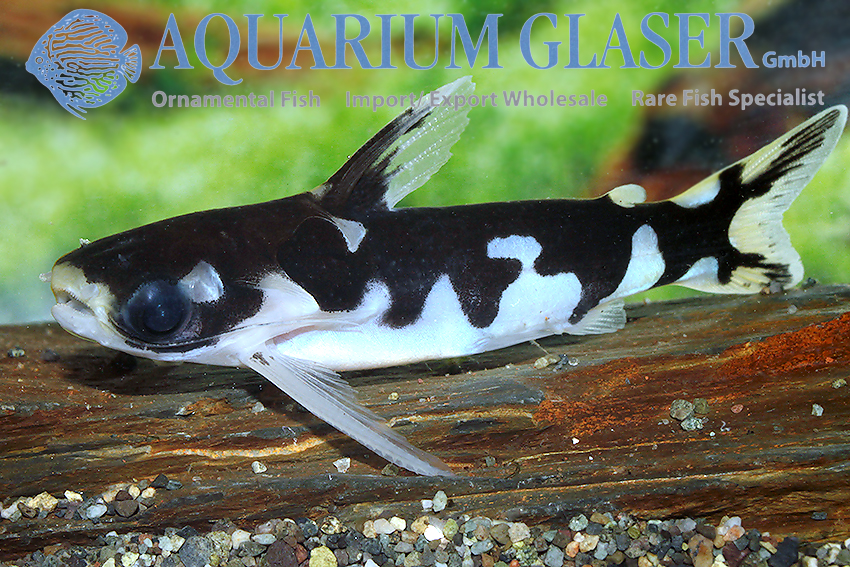
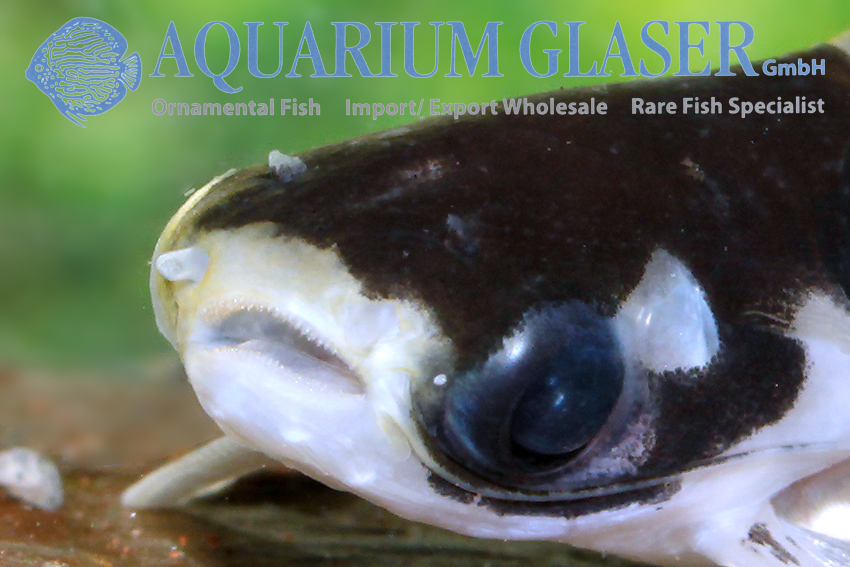
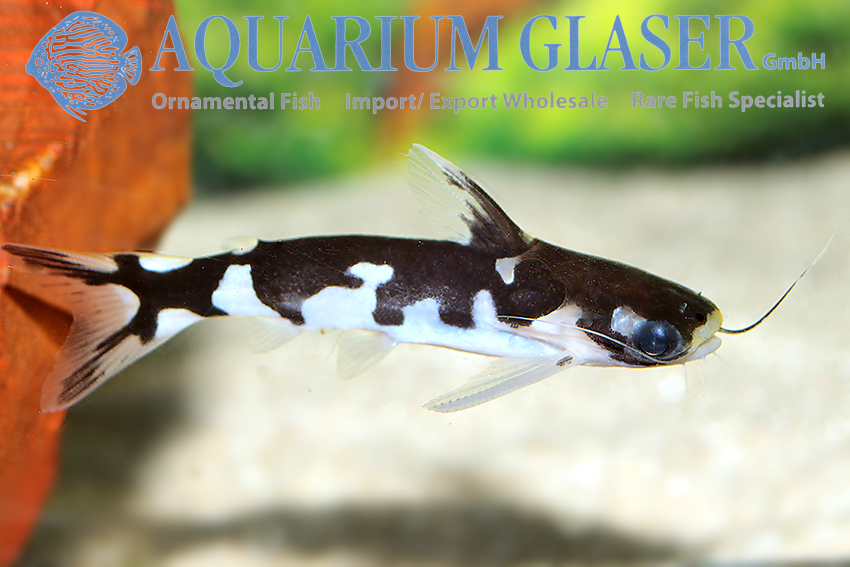
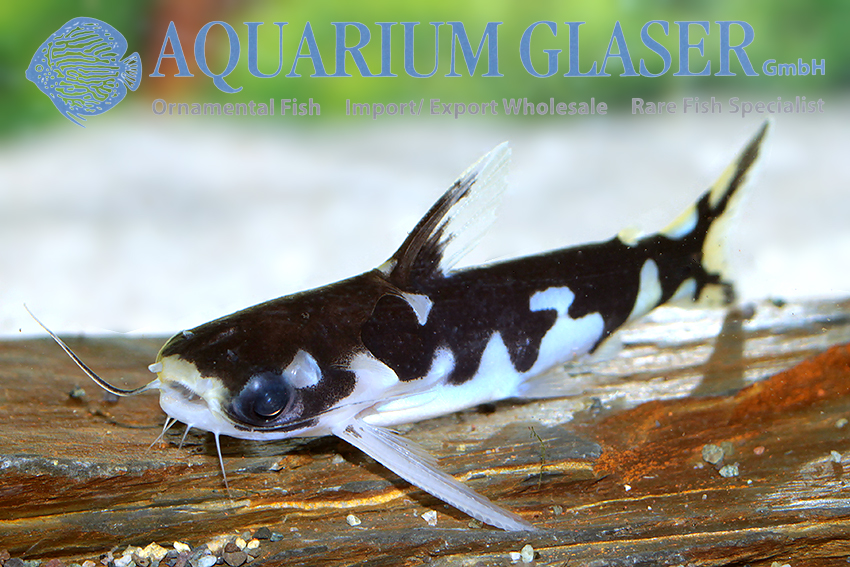
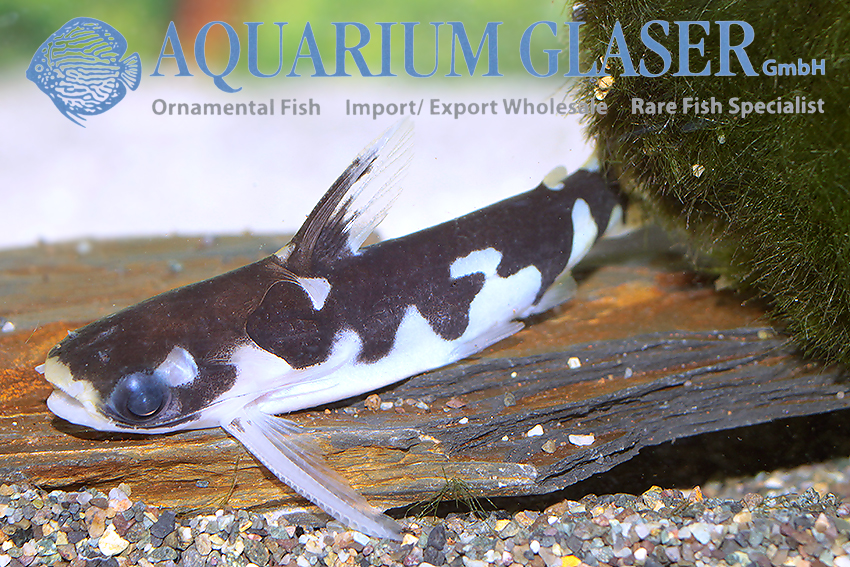
Unfortunately, this team of scientists had overlooked a 2015 paper by Steven Grant, in which Grant established several new (sub)genera, including Sauronglanis for the species then identified as T. musaica. So now there were already three genus names for the small (5–6 cm long) black-and-white tatia!
In 2019, another team of scientists published a study on the phylogenetic relationships of the driftwood catfish, in which both species (orca and musaica) were reclassified under Tatia, and Sauronglanis was declared a synonym of Tatia.
This did not go unchallenged; in a study published in 2020, both species were reclassified and placed in the genus Centromochlus, so they should now be called C. orca and C. musaicus. And Grant is not yet convinced that his genus Sauronglanis is truly a synonym, as he writes in his book on banjo, dorads, and driftwood catfish, published in 2021.
Regardless of what they’re called “these days,” the beautiful black-and-white driftwood catfish are highly recommended aquarium fish. In keeping with their origin, they prefer slightly higher temperatures (26–30°C), which is especially important during the acclimation period. Fish kept at cooler temperatures are more prone to Ichthyophthirius infections than those kept at warmer temperatures. Since Tatia/Centromochlus are generally nocturnal, they tend to hide a lot, especially at first, so that an infection is often not noticed until the fish already looks like a “Müller-style trout” and is severely weakened.
Tatia/Centromochlus are naturally insectivorous; in the wild, they feed at night on terrestrial insects that have fallen onto the water’s surface. In the aquarium, however, they are not very picky and will eat frozen and live food as well as pellets. Just be sure not to feed them food that is too high in fat, and remember that dietary fiber is important. All Tatia/Centromochlus are cave breeders that reproduce through internal fertilization, meaning the females lay their eggs in the absence of the male. Tatia/Centromochlus are peaceful fish that generally get along well with both conspecifics and fish of other species.
For our customers: these fish are listed under codes 295851 (3–5 cm) and 295852 (6–8 cm) on our stock list. Please note that we supply exclusively to wholesale customers.
Text & Photos: Frank Schäfer
References:
Calegari, B. B., Vari, R. P. & R. E. Reis (2019): Phylogenetic systematics of the driftwood catfishes (Siluriformes: Auchenipteridae): a combined morphological and molecular analysis. Zoological Journal of the Linnean Society v. 187 (no. 3): 661-773.
Grant, S. (2015): Four new subgenera of Centromochlus Kner, 1858 with comments on the boundaries of some related genera (Siluriformes: Auchenipteridae: Centromochlinae). Ichthyofile No. 3: 1-16.
Grant, S. (2021): Banjos, Dorads and Woodcats. Aspredinidae, Doradidae and Auchenipteridae Catfishes. ATS-Aquashop, Neustadt am Rübenberge: 1-300.
Sarmento-Soares, L. M., Lazzarotto, H., Rapp Py-Daniel, L. H. & R. P. Leitão (2017): A new Centromochlus Kner, 1858 (Siluriformes: Auchenipteridae: Centromochlinae) from the transition between Amazon floodplain and Guiana shield, Brazil. Neotropical Ichthyology v. 14 (no. 4): 1-11.
Sarmento-Soares, L. M. & R. F. Martins-Pinheiro (2020): A reappraisal of phylogenetic relationships among auchenipterid catfishes of the subfamily Centromochlinae and diagnosis of its genera (Teleostei: Siluriformes). Proceedings of the Academy of Natural Sciences of Philadelphia v. 167: 85-146.
