








This particularly beautiful goodeid (Xenotoca doadrioi) was formerly known as “Xentotoca eiseni San Marcos.” Unfortunately, the species—which was not “officially” described as a distinct species until 2016—is critically endangered. Over 50% of the originally known populations have already disappeared, and the remaining populations show a steady downward trend. The causes are always the same: water pollution from agriculture and intense competitive pressure from non-native fish (Pseudoxiphophorus bimaculatus and tilapia), which, moreover, cope far better with the changed environmental conditions than X. doadrioi. Catching these fish for aquarium maintenance has no impact whatsoever on wild populations. Furthermore, all specimens kept in the hobby are captive-bred.
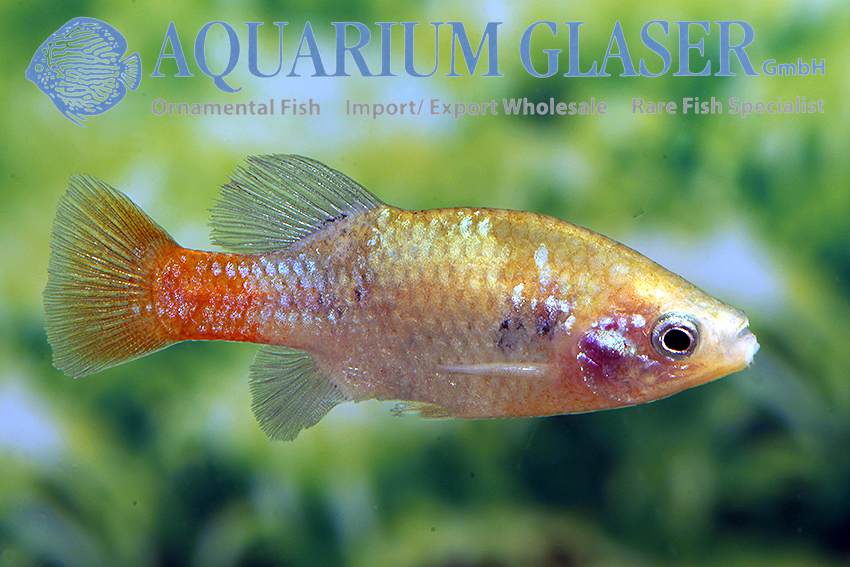
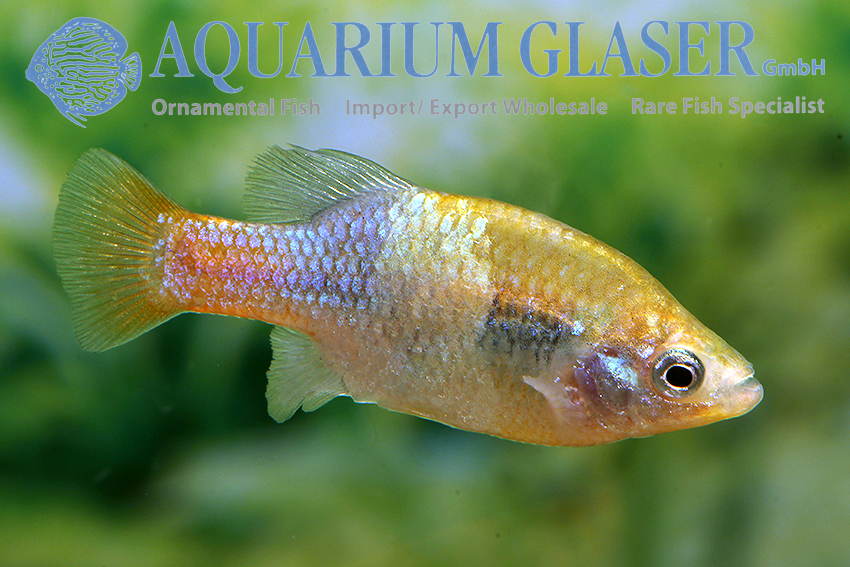
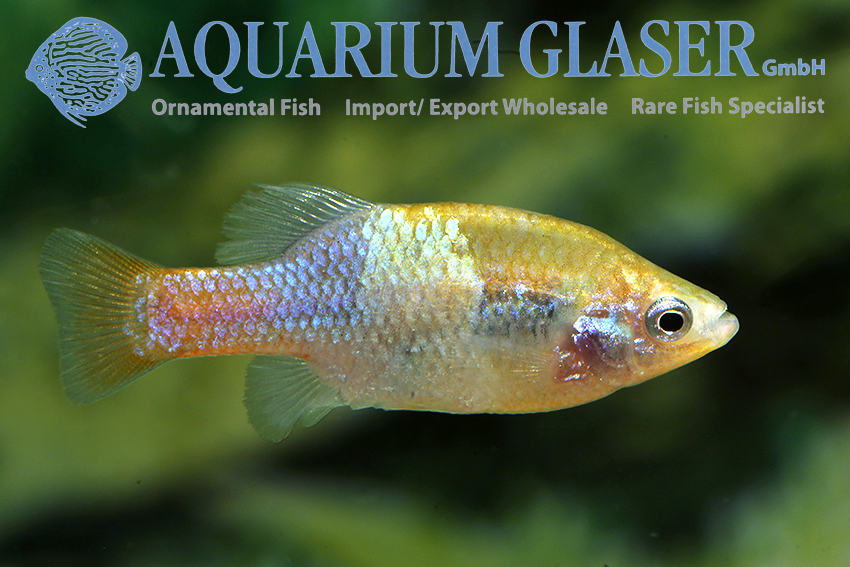
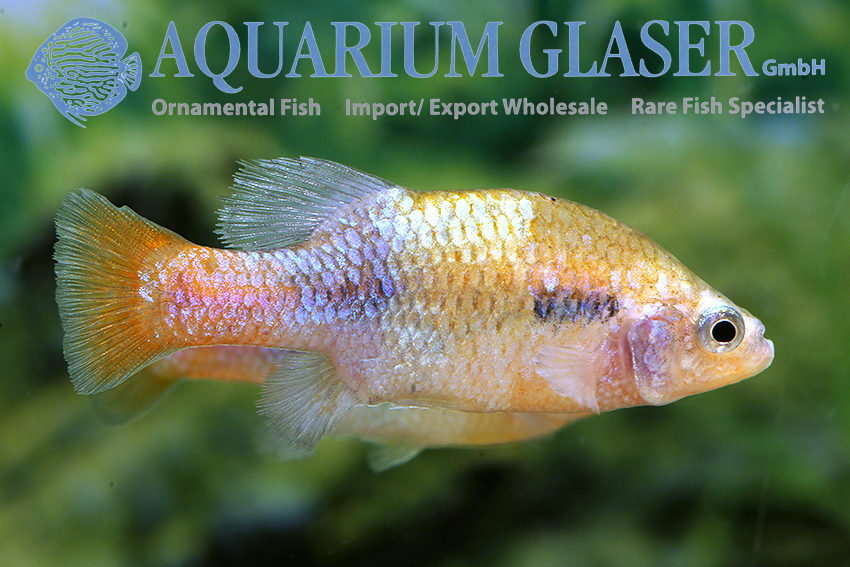
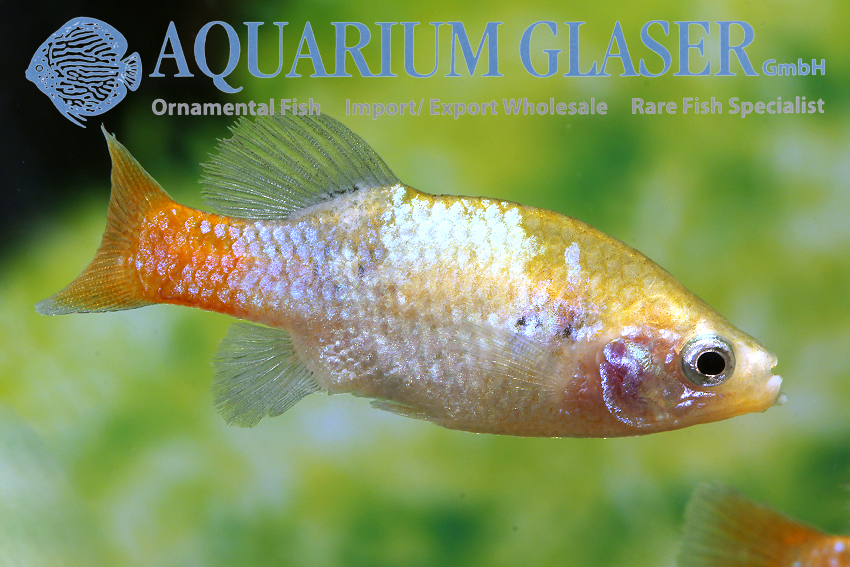
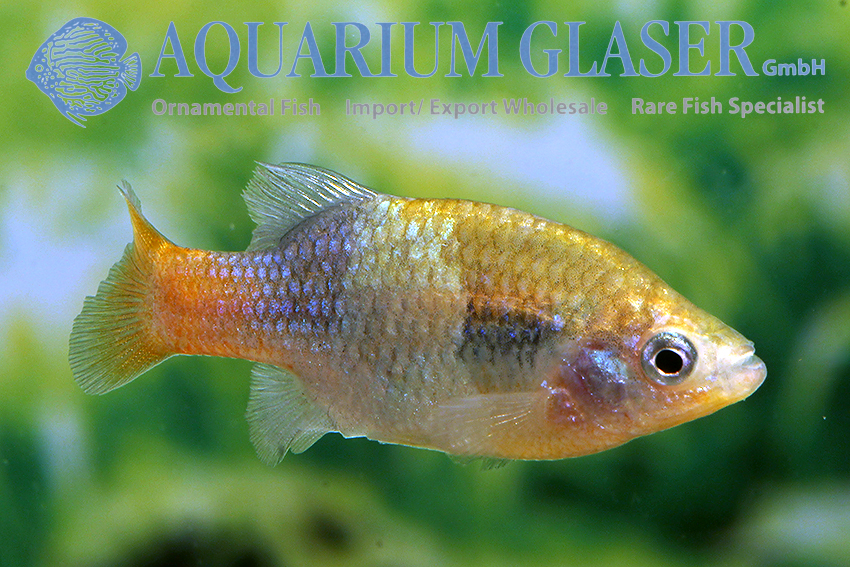
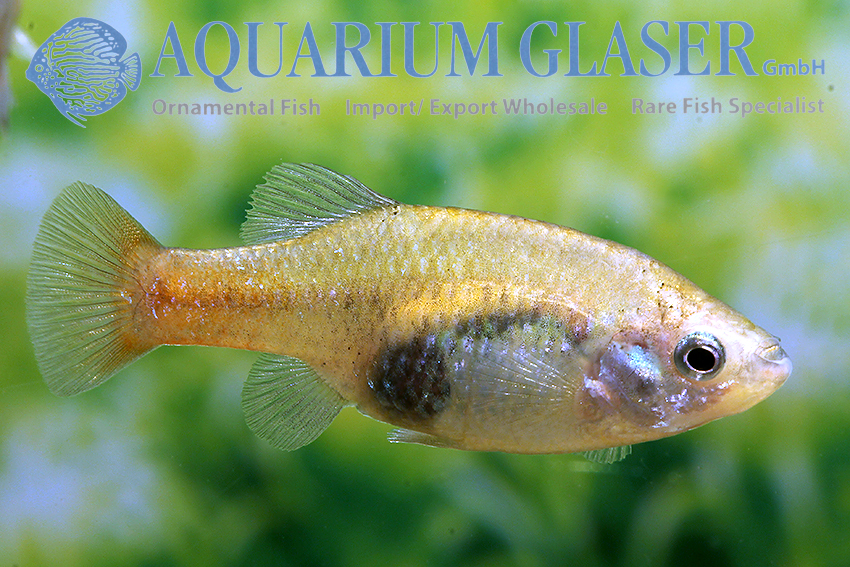
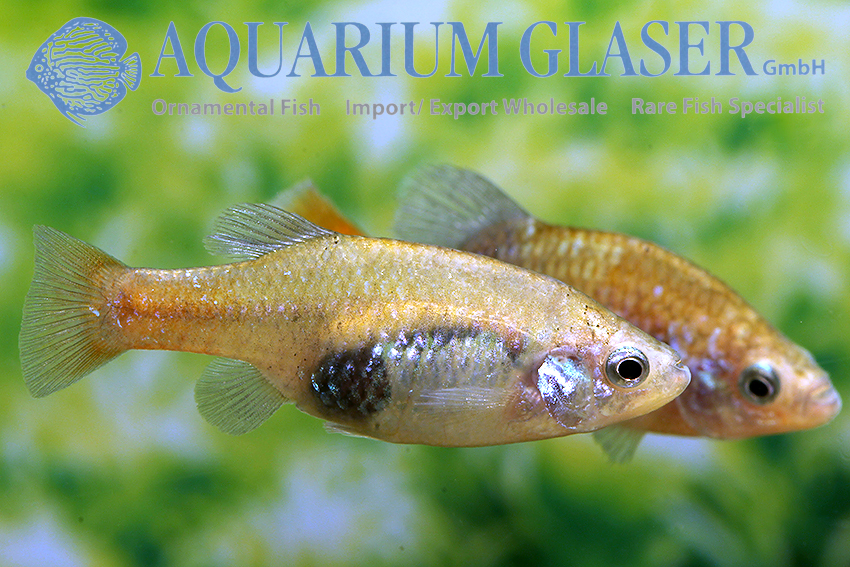
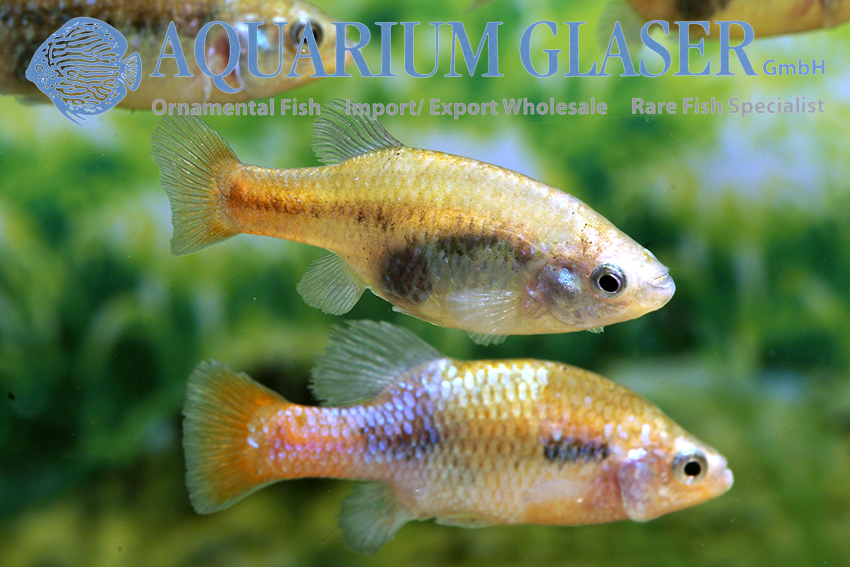
We occasionally have Xenotoca doadrioi in stock, so any aquarist who wants to contribute to species conservation at home can get involved. This is an exceptionally colorful strain—even the females have a touch of red on their caudal peduncle! Care and breeding are not difficult. For these fish, ensure the water is as uncontaminated as possible with good water flow, medium hardness, and a stable pH level, ideally around 7.5–8. Generous water changes (60–70% of the tank volume) are very beneficial for the fish. They will eat any standard ornamental fish food, though live plant matter should make up a significant portion of their diet. This can be provided either as specialized plant-based flake food or as blanched lettuce leaves, dandelion leaves, chickweed, or similar items. The fish are livebearers. At birth, the fry still have the peculiar “nourishment cords” (trophotaeniae) on their bellies, which—similar to the umbilical cord in mammals—supply the embryo with nutrients while in the womb. Xenotoca are very lively fish that thrive best in large aquariums. The temperature should fluctuate throughout the year. It is important to provide a sort of “winter break” with water temperatures of 17–20°C. The temperature should not consistently rise above 25°C. Keeping them outdoors during the warm months, when there is no risk of the temperature dropping below 17°C, is very beneficial to the health of these fish.
We’ve posted a short video featuring our animals: https://www.facebook.com/AquariumGlaser/videos/583392523143542
For our customers: the animals are listed under codes 476511 (sm) and 476513 (md-lg) in our inventory. Please note that we supply exclusively to wholesale customers.
Text & Photos: Frank Schäfer
