








As we have mentioned several times, Apistogramma agassizii is a polychromatic species. The word “polychromatic” literally means “multicolored.” This means that many color characteristics in this species are highly variable and therefore not diagnostic for species identification. As a rule, multiple color variants occur within a single population. If imports give a different impression, it is because exporters sort the fish by color pattern at the source. For example, in Tefé, Brazil, there is not only the famous “Tefé-Agassizi” with its zigzag pattern on the flanks, but also A. agassizii with completely normal coloring. Breeding has shown that some characteristics can be stably bred for. With others, this is only possible to a limited extent. These are then usually phased out of breeding relatively quickly because no breeder can afford to have only a small percentage of fish with the desired color combination in a brood. As small fry, they all look the same. Only once the fish have been raised to maturity can their colors be reliably identified.
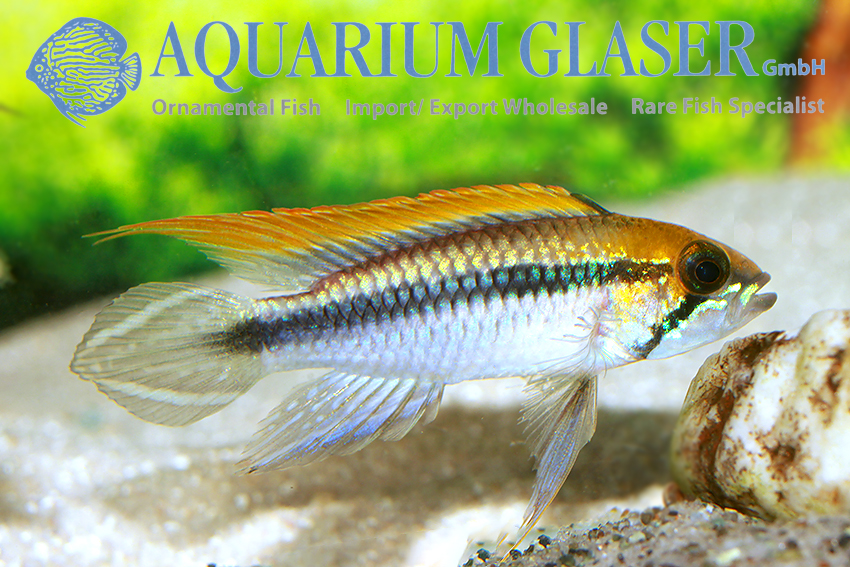
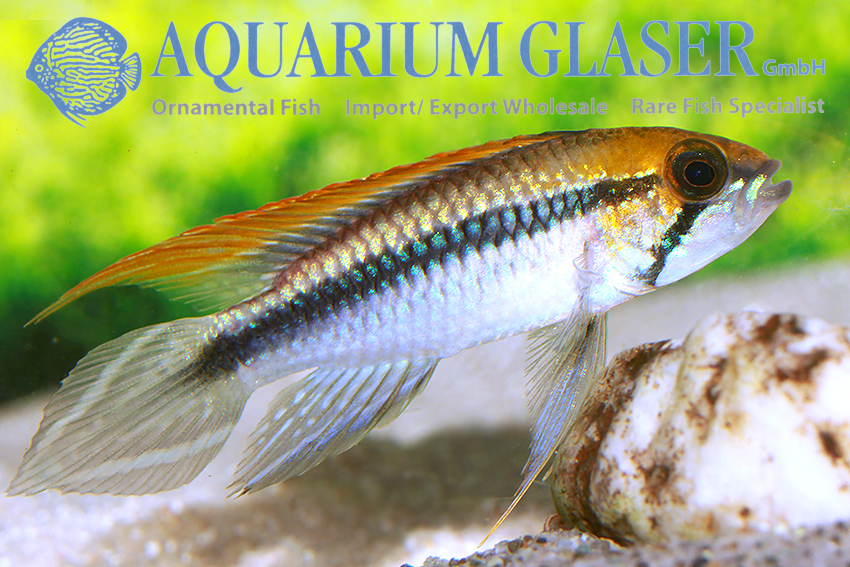
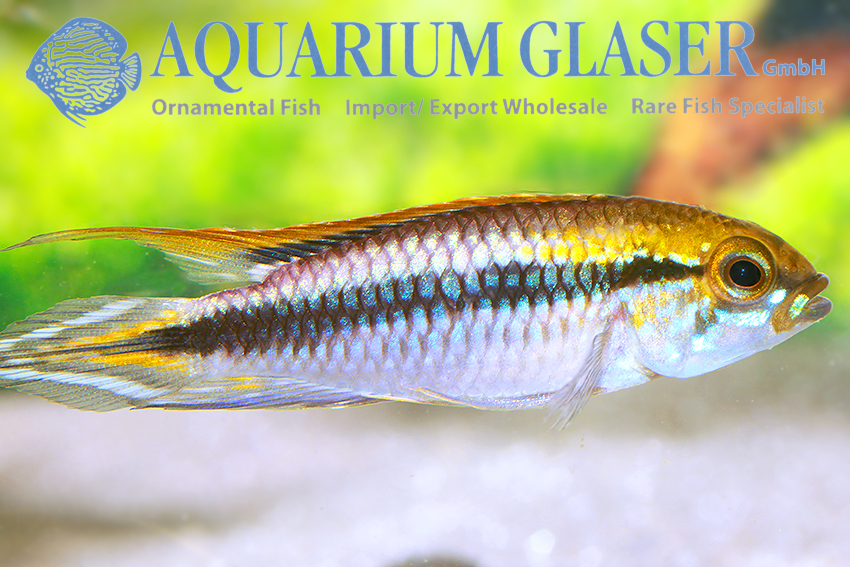
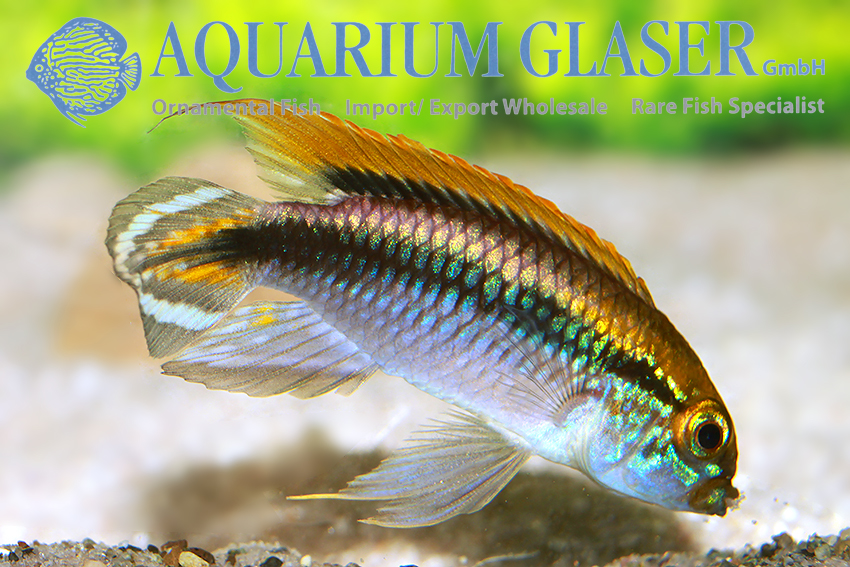
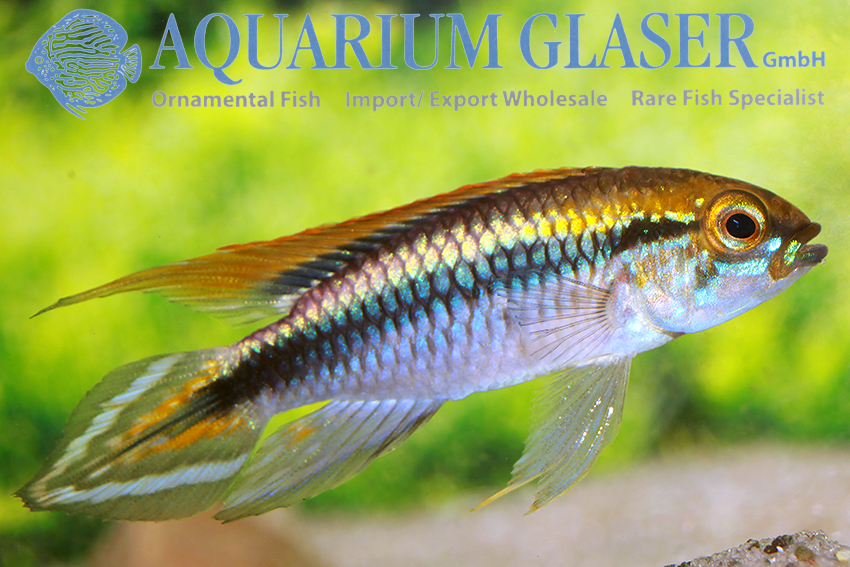
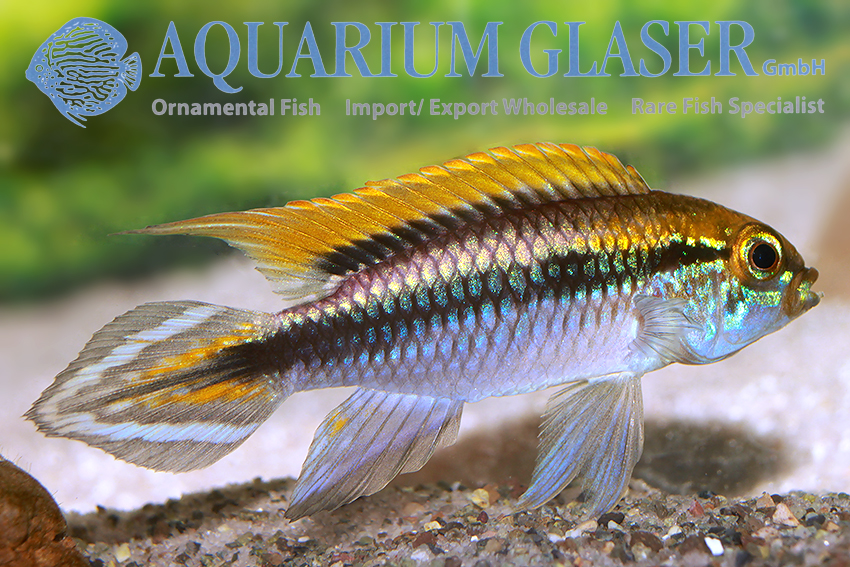
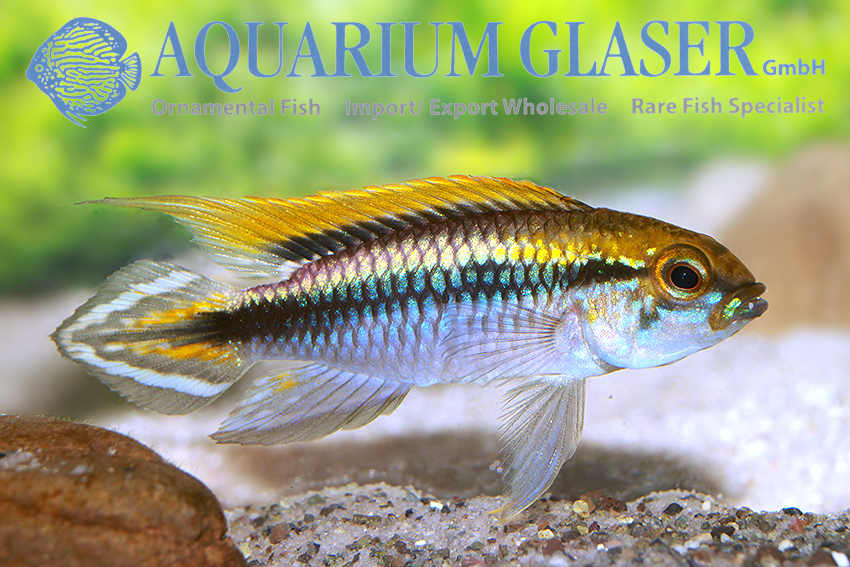
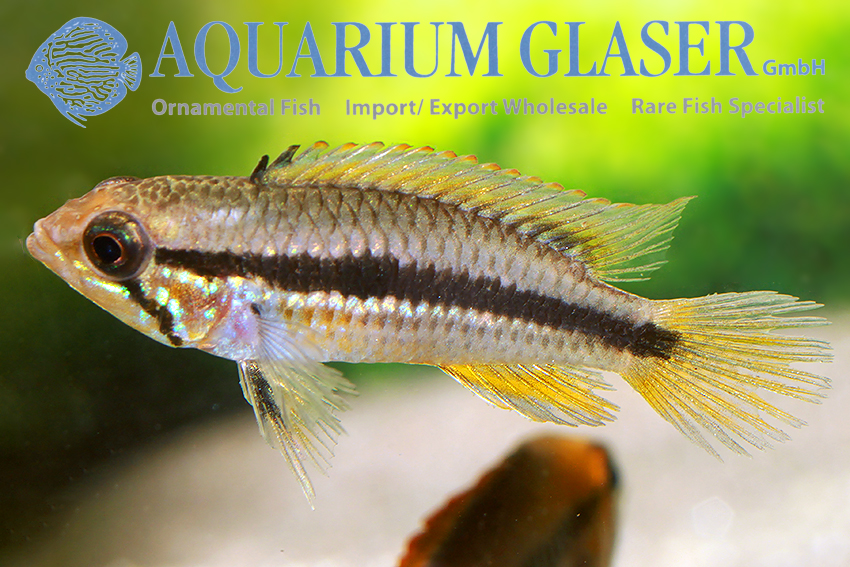
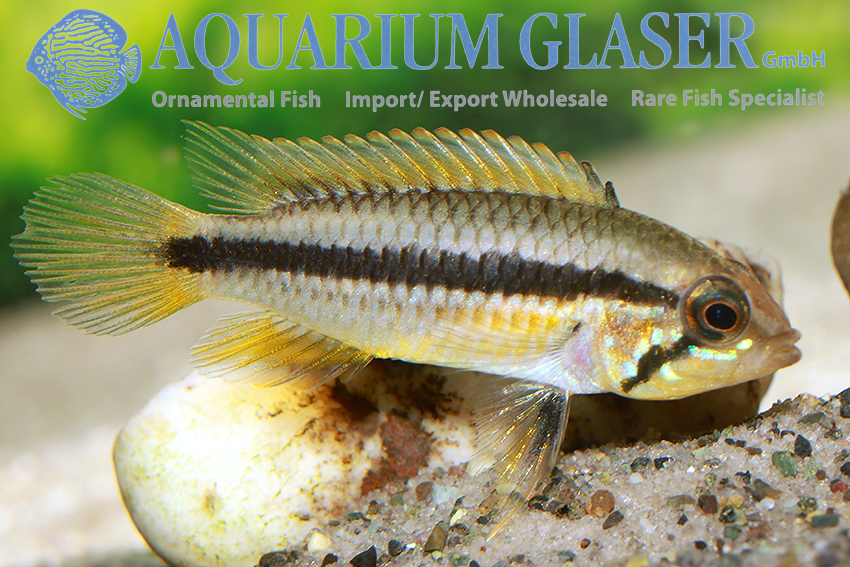
The “Flamenco Agassizii” comes from Peru. During earlier imports, the exporters told us that only a small portion of the fish delivered to them had the coveted “Flamenco” coloration with the orange dorsal fin. It has since become clear that this color variant appears to occur primarily in the border region between Ecuador and Peru (the Rio Tigre basin, Rio Amaya, etc.). Other sought-after Apistogramma species also live there, so after 15 years we are once again able to offer this very beautiful color variant.
In terms of care requirements, the “Flamenco” does not differ from the well-known Apistogramma agassizii. The most important basic requirements are: a substrate that is partly fine sand, which the fish can chew through; conditions with as few bacteria as possible; and a temperature that is not too warm (22–24°C). They will eat any commercially available ornamental fish food of the appropriate size. For breeding, the pH should be below 6. They are cave breeders with a mother family. The female cares for the eggs and the young, while the male defends the territory. If there is enough space, you can keep several females per male in the aquarium.
For our customers: “Flamenco” has codes 614182 (md) and 614183 (md-lg) on our stock list. Please note that we supply exclusively to wholesalers.
Text & photos: Frank Schäfer
