








In this day and age, when absurd debates are being held about banning private animal husbandry as far as possible (“positive list”), we must always remember the great successes that have been achieved with many fish groups thanks to the aquarium hobby. The genus Apistogramma is a prime example of this. Until 1977, 31 species were known, but only 20 of these were valid. Today, almost 100 valid species are known (94 to be precise), and there are still a few that are already known in the hobby but have not yet been scientifically described. This enormous increase in knowledge would have been unthinkable without the interest of aquarists in these fish. If we now consider that knowledge of species is the absolute prerequisite for every conceivable form of species protection, the example of Apistogramma clearly shows that wild imports do not threaten species, but on the contrary form the basis for their protection.
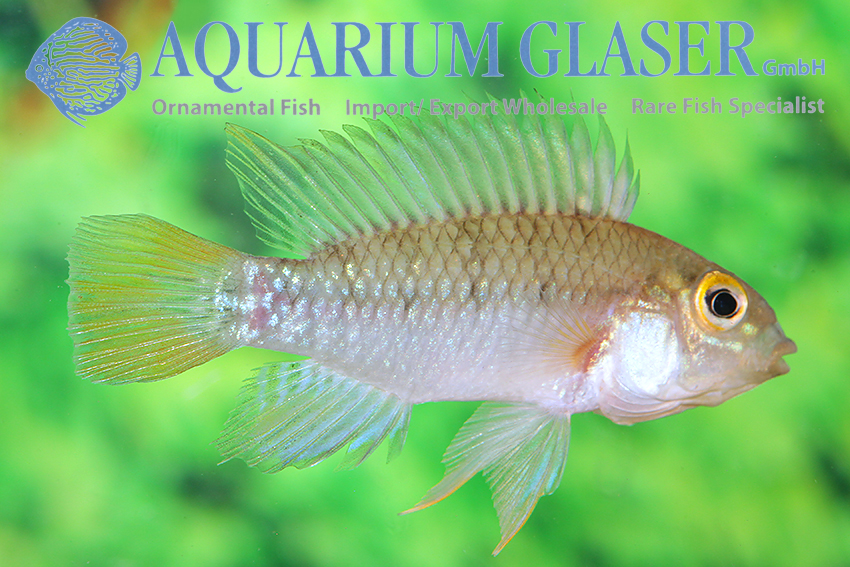
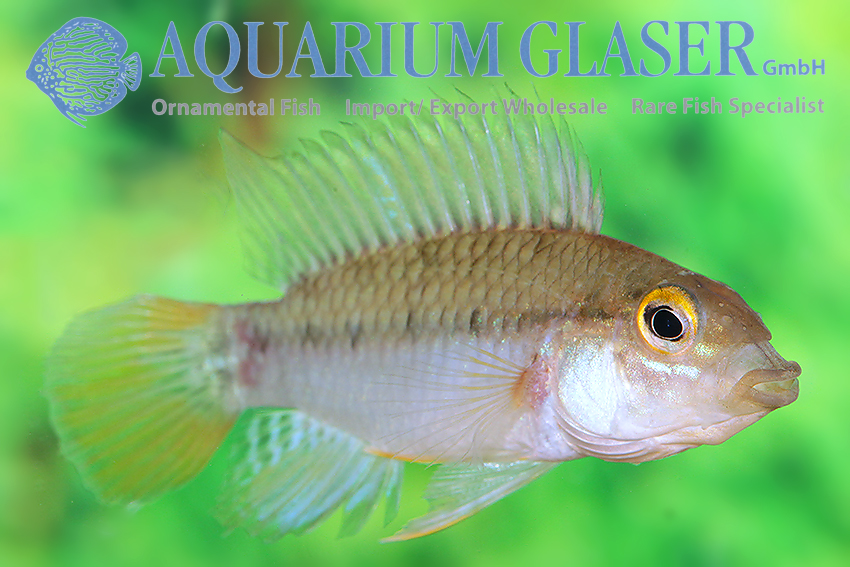
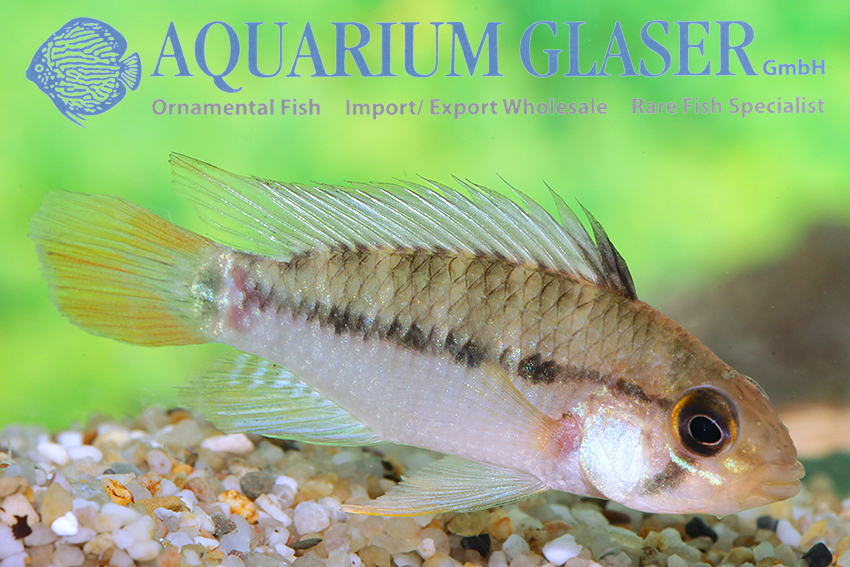
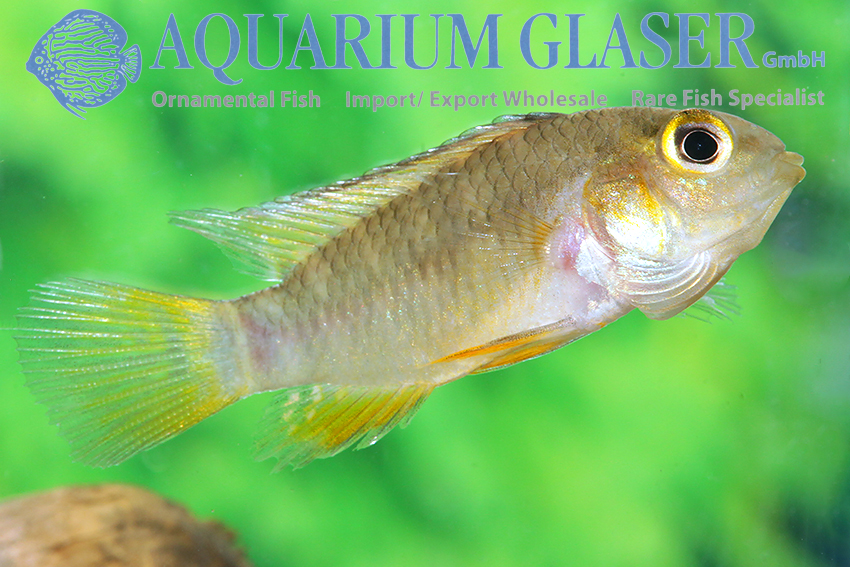
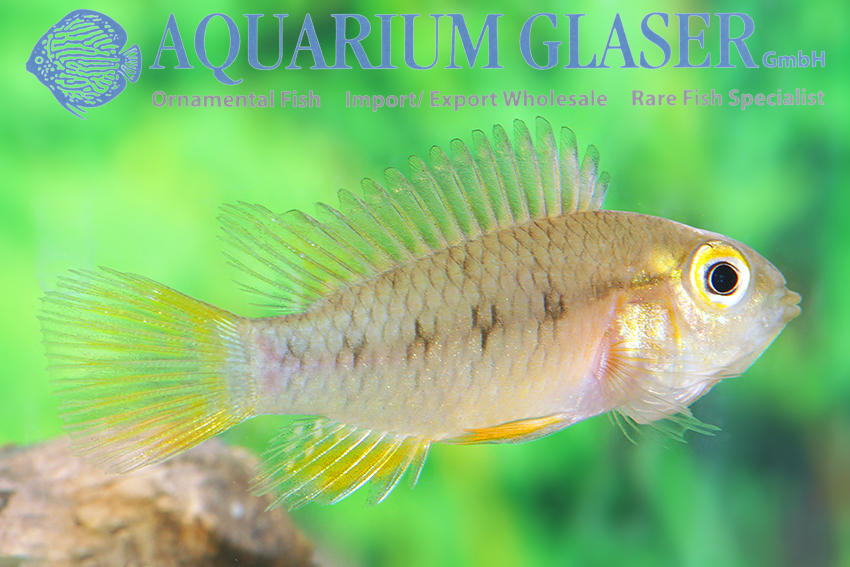
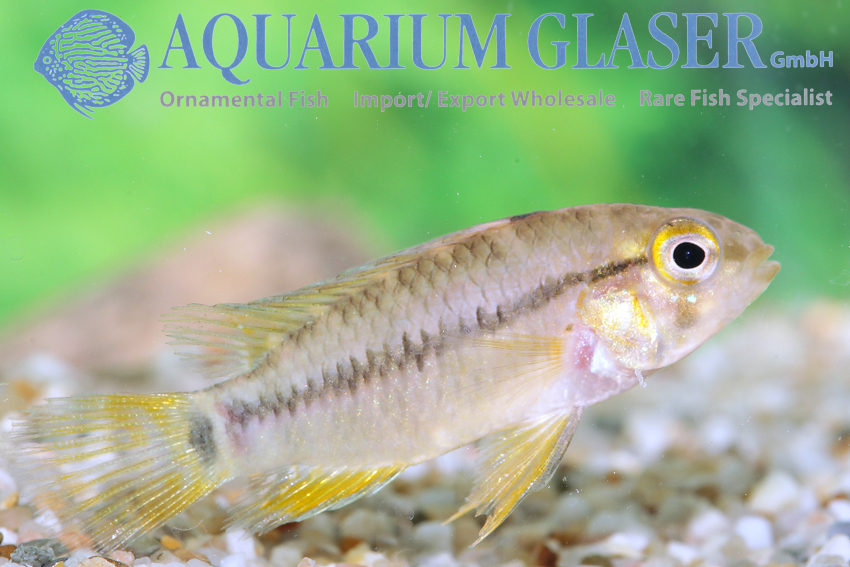
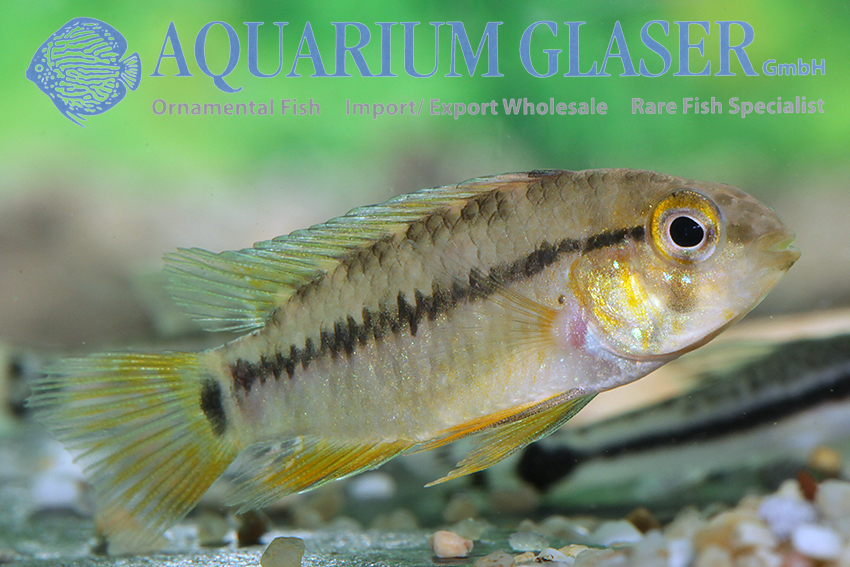
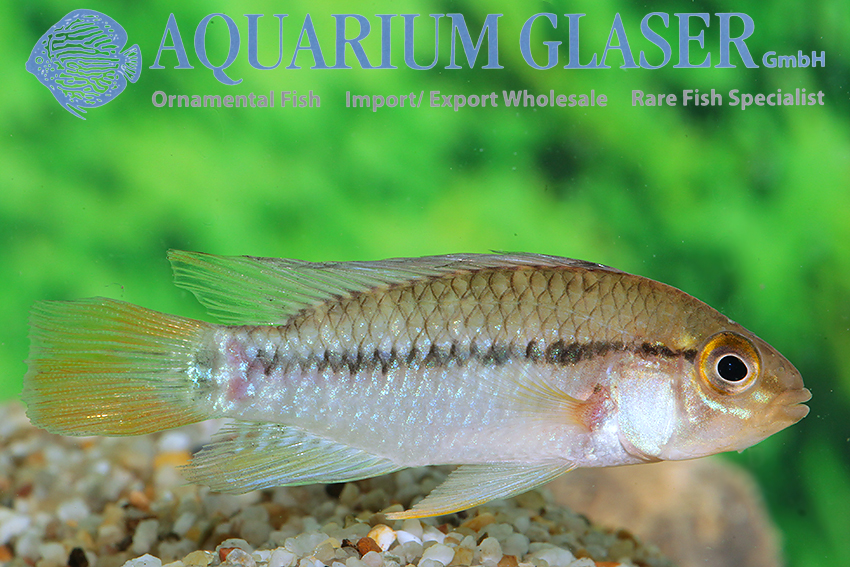
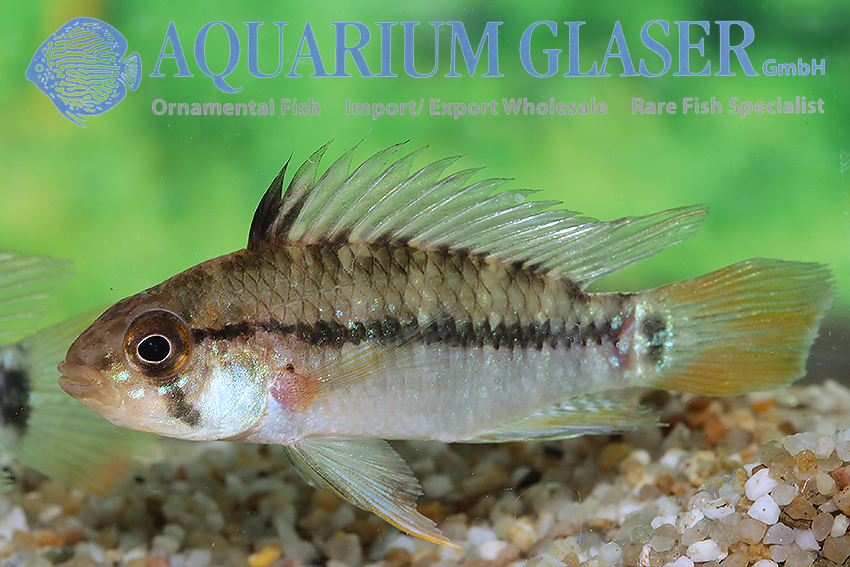
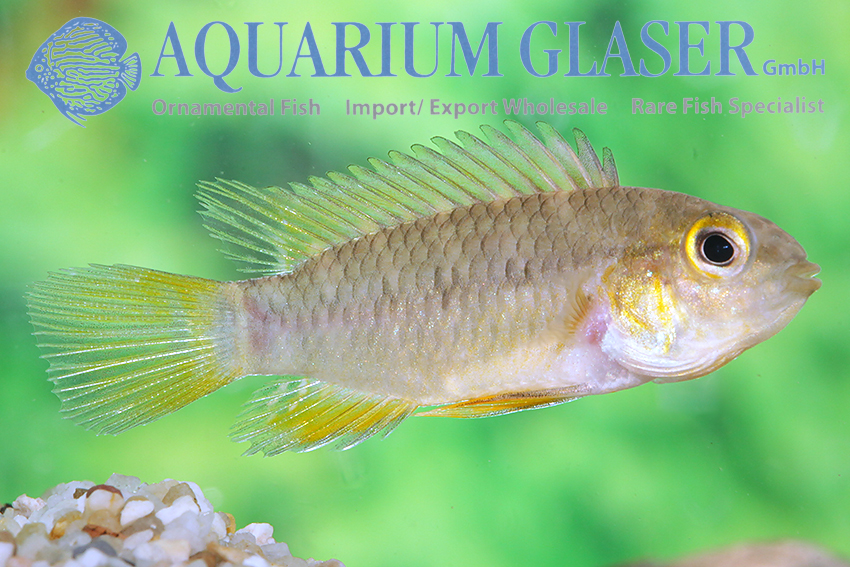
The “first wave” of Apistogramma discoveries in the early 1980s also included a species from Peru that became known in the hobby as the “orange-tailed Apistogramma”: A. eunotus. This species, which is quite large by Apistogramma standards—males can easily reach 8.5 cm in length—originates from lowland rivers in Peru and neighboring areas of Colombia. Like almost all Apistogramma, the males are polychromatic, meaning that males of different colors can be found at the same location. However, the orange-tailed color morph, which is considered particularly attractive in the hobby, is relatively rare. Very often, entire imports of A. eunotus do not contain any males with colored tail fins. However, we have just received an import from Peru with a high proportion of such fish.
Apistogramma eunotus is special in that it not only dislikes the highly acidic water values (pH below 5.5) required for breeding in many species of the genus, but actually avoids them. A. eunotus also does not appreciate high concentrations of humic substances, which are almost essential for many Apistogramma species. Breeding this typical cave spawner with a mother-father family is also successful in slightly alkaline water of medium hardness. In nature, very different values have been found in A. eunotus biotopes, but never very acidic water. The water temperature in the aquarium should be between 23 and 27°C; in the wild, values between 18 and 31°C have been measured. Like all Apistogramma species, this one also needs places with fine sandy soil to chew through. Feeding is unproblematic; any commercially available ornamental fish food of a suitable size is readily accepted.
For our customers: the animals have code 619002 on our stock list. Please note that we only supply wholesale customers.
Text & photos: Frank Schäfer
