








When the first „Papagei Apistogramma“ were imported from Peru around the turn of the millennium, they were met with great enthusiasm by aquarists. They are truly magnificent, colorful fish. In the years that followed, these and similar forms appeared on the market under a wide variety of names: Apistogramma sp. Nanay, A. sp. Algodon1, A. sp. Algodon2, A. sp. Pebas, A. sp. Ampyacu, A. sp. Dolly, A. sp. Larinus, A. sp. Morado, A. sp. Noronha, etc., and the term “Papagei” (German for parrot) was also used in the spellings “Papagey” and “Papagai.”
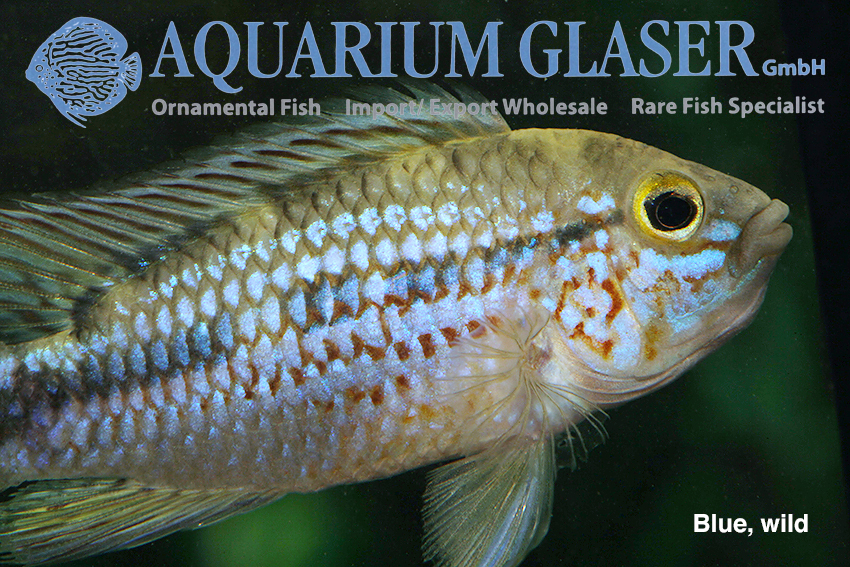
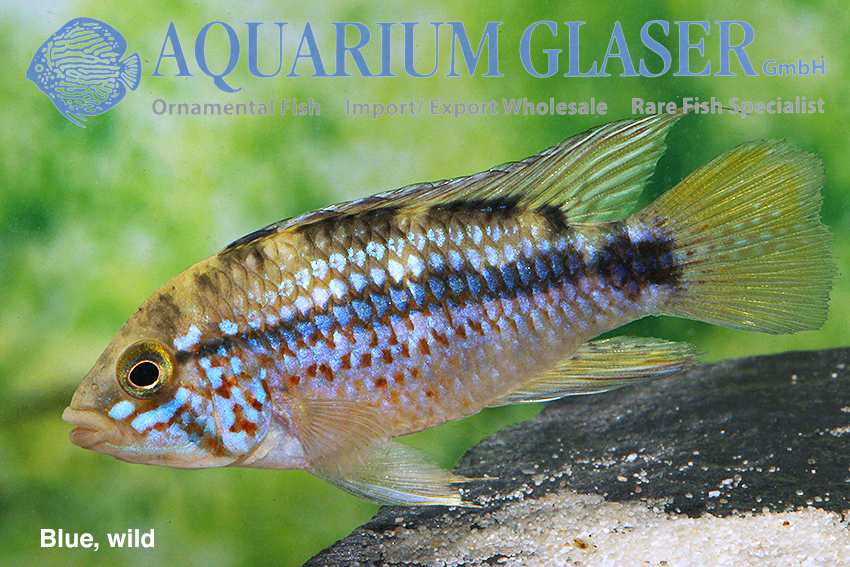
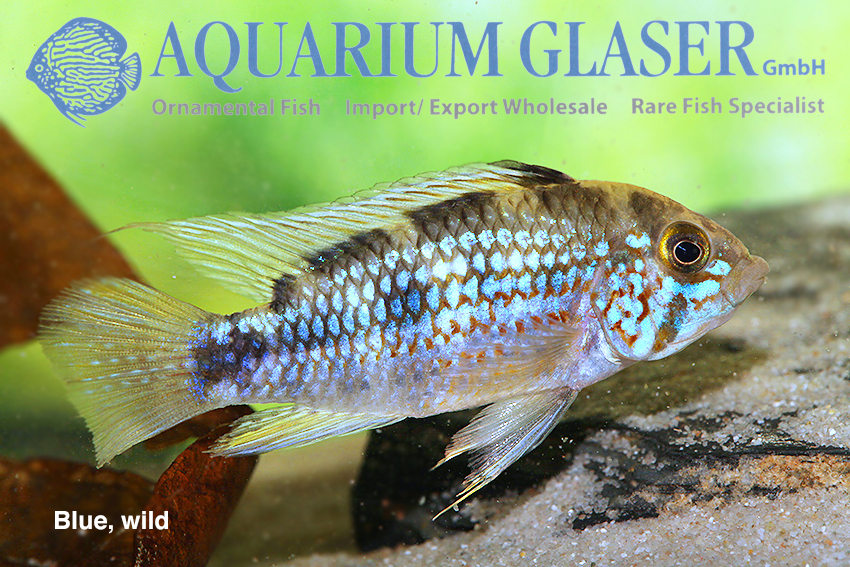
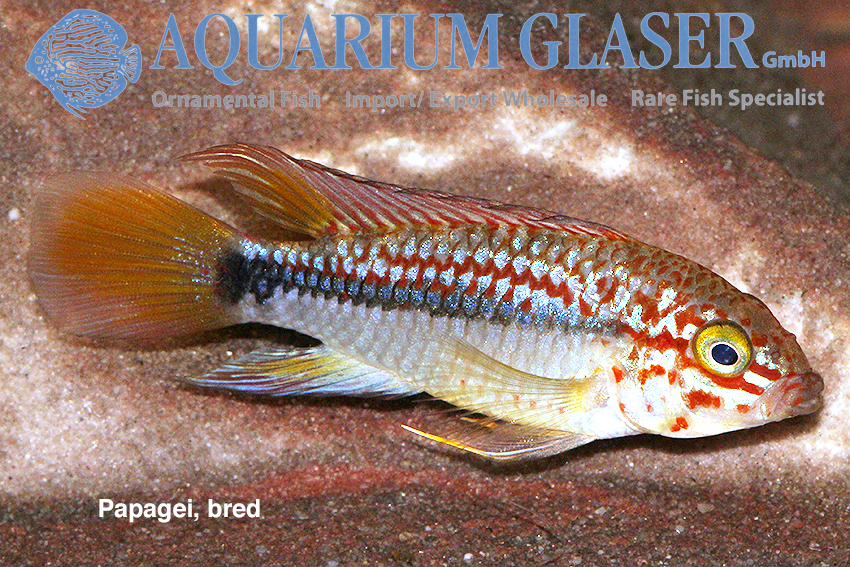
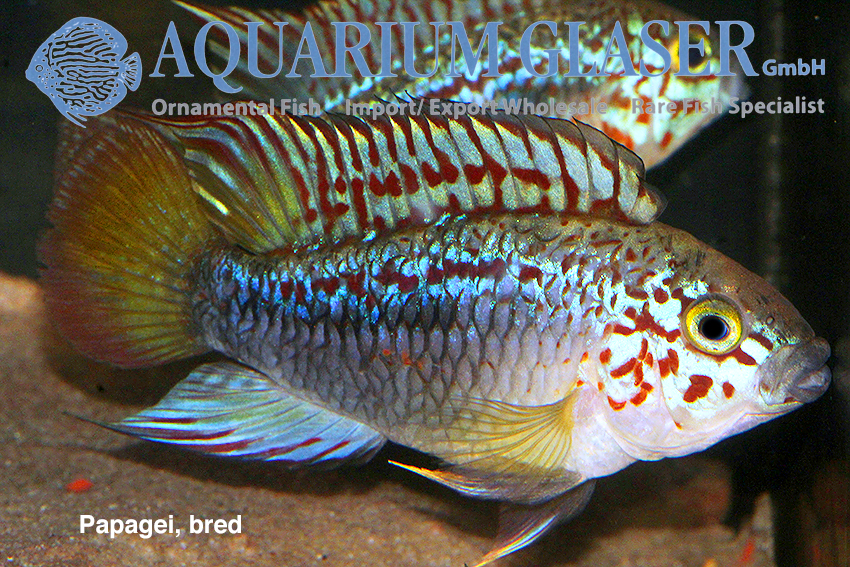
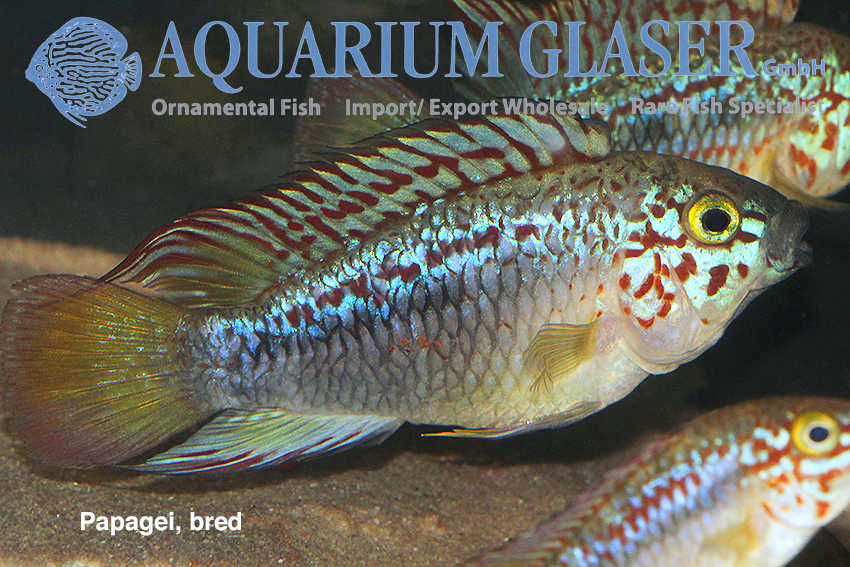
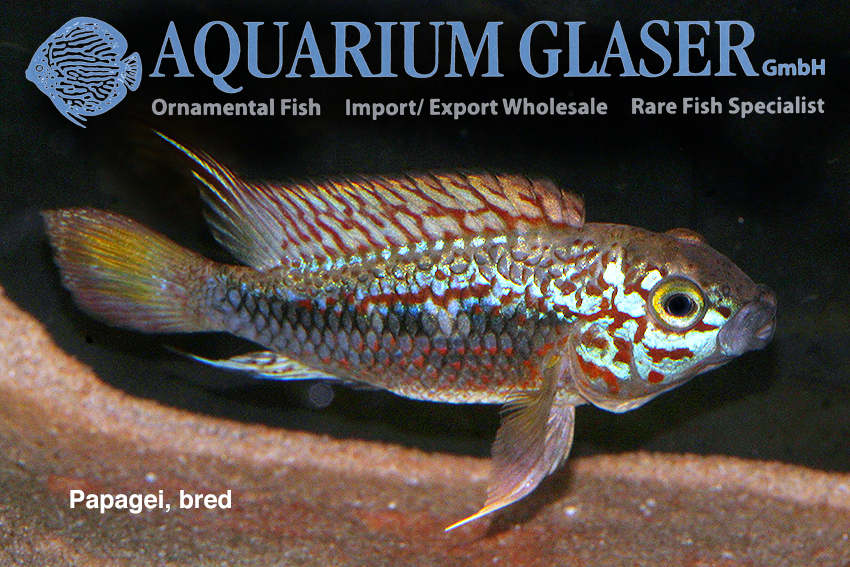
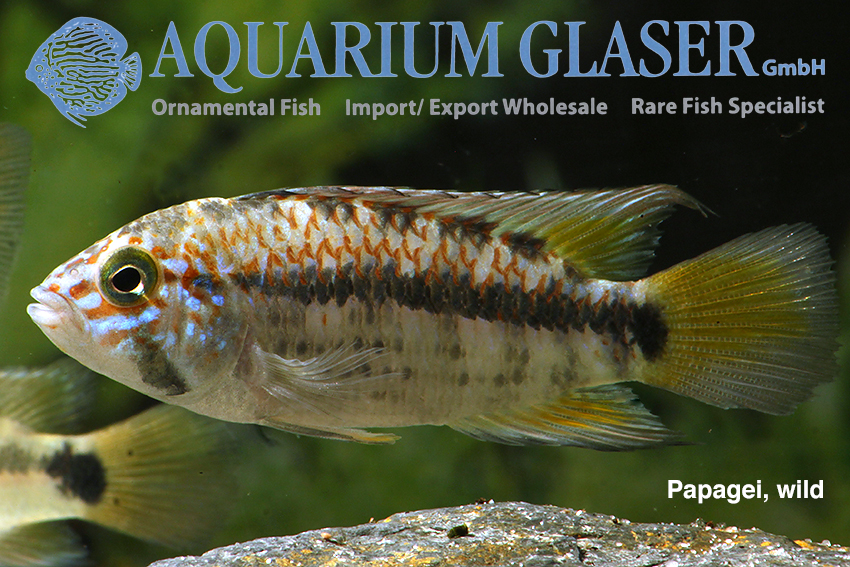
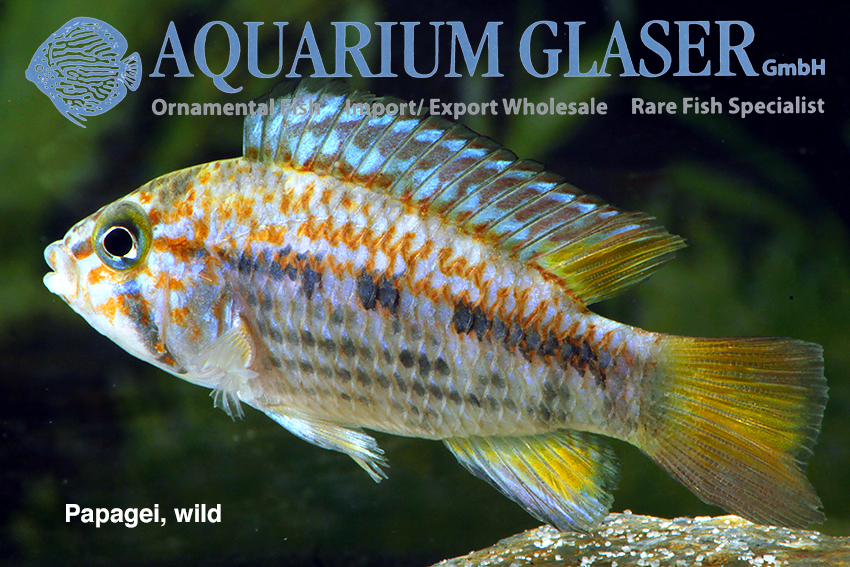
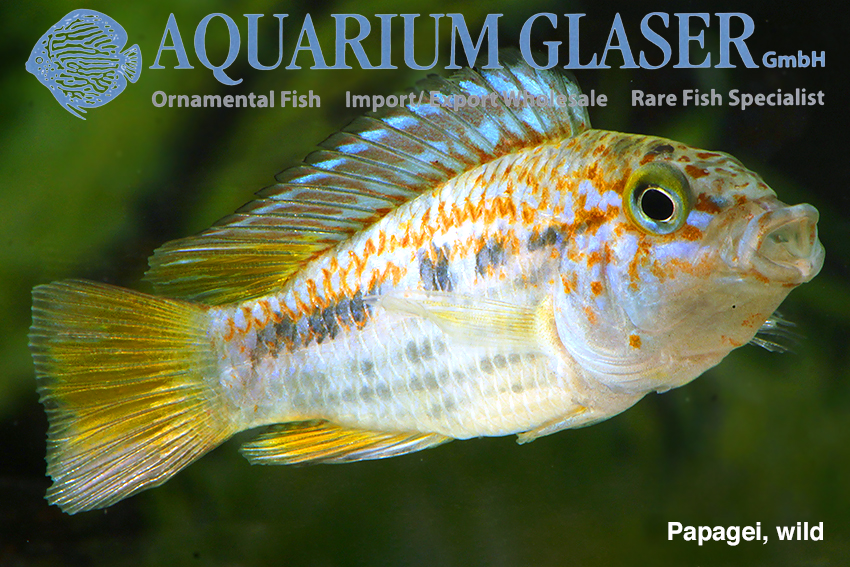
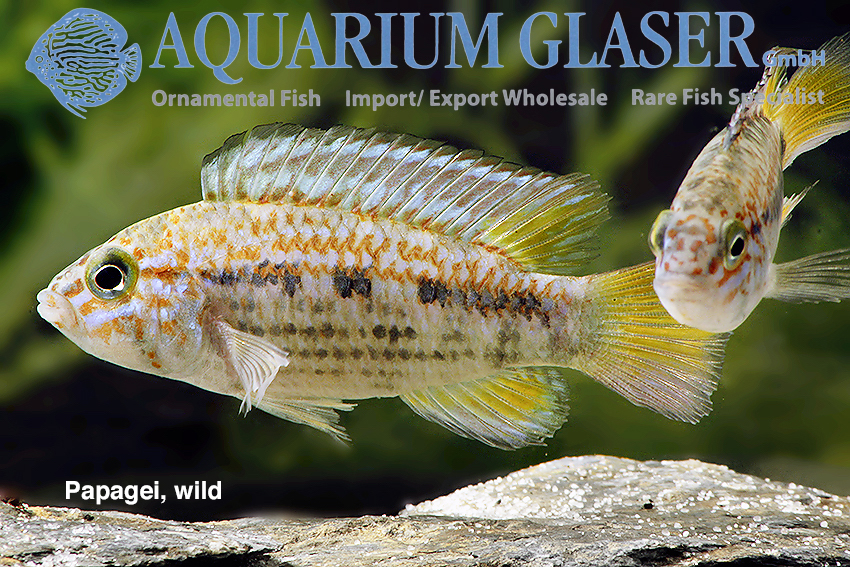
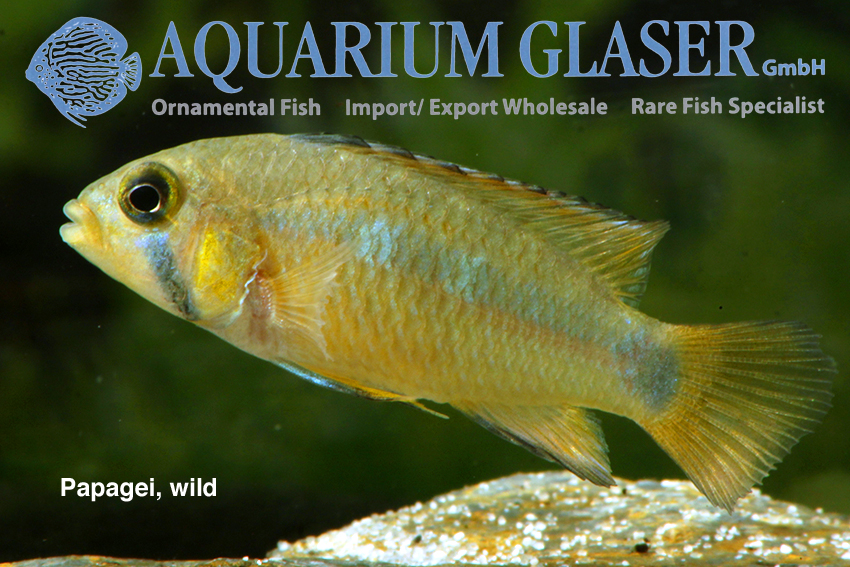
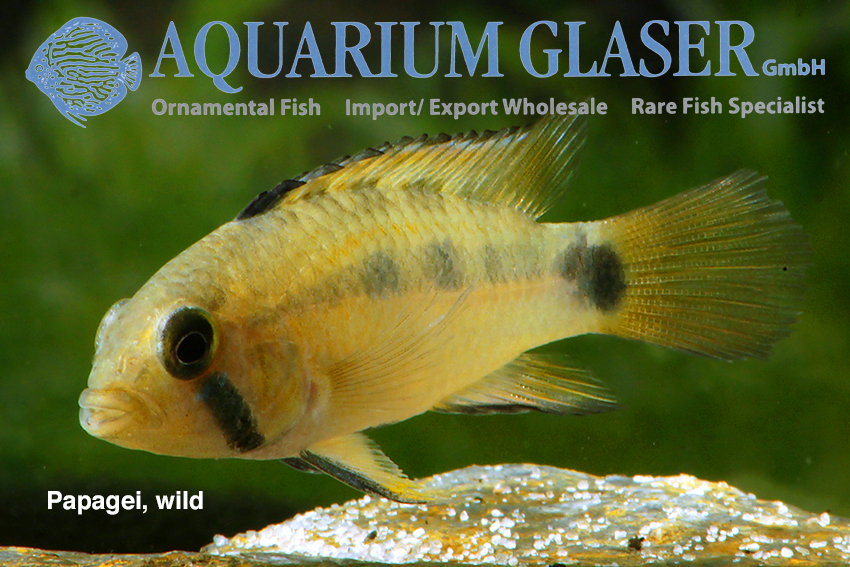
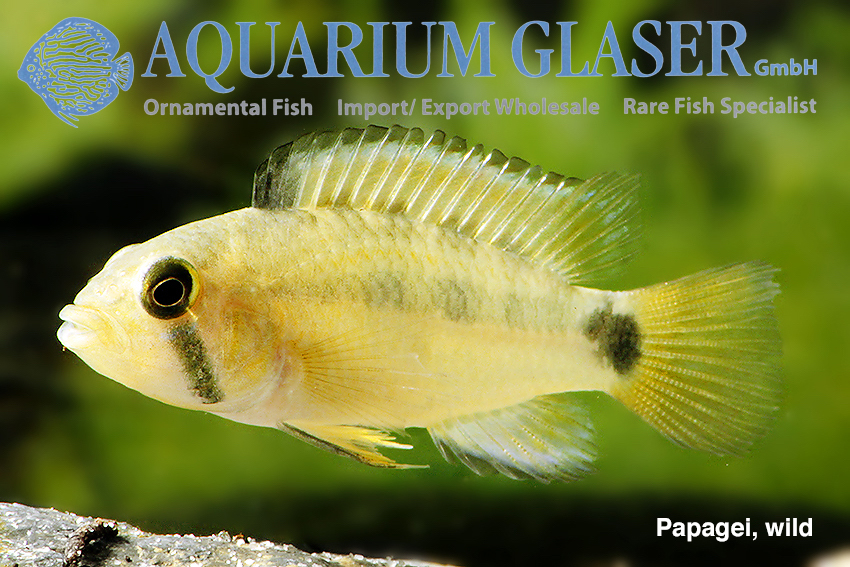
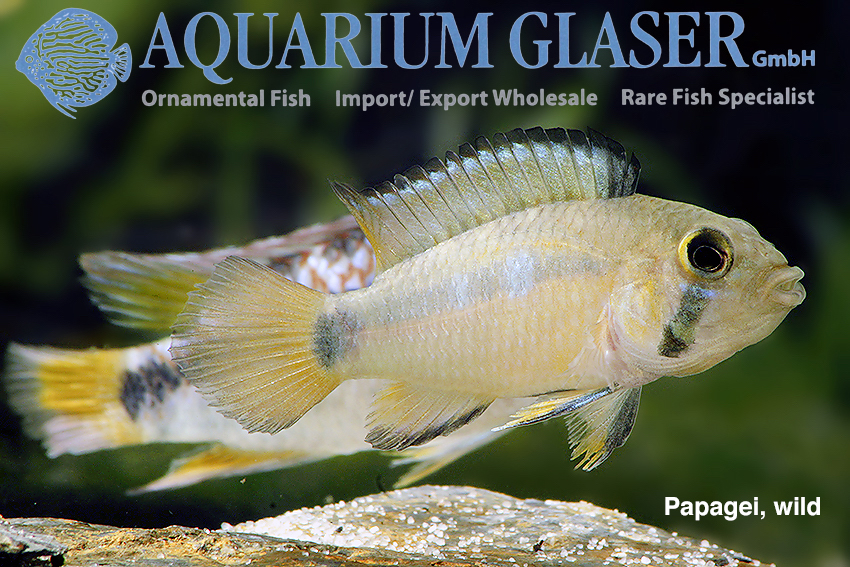
Often, the imports were apparently mixed shipments, frequently including A. cruzi and A. eunotus, but there were also bright blue specimens (these were later mostly referred to as “Pebas”). This situation somewhat dampened the enthusiasts’ enthusiasm, as the females looked remarkably similar. How could one breed with such fish without creating an aquarium hybrid?
The answer to the puzzle is this: all the fish from the Rio Ampyacu actually belonged to the same, extremely polychromatic species (the A. cruzi and A. eunotus most likely came from other collection sites and were added to the Ampyacu fish later). Polychromatic means “multicolored” and refers to a situation in which the coloration of animals of the same species and population varies individually. The fish did not (and do not) come from the Rio Nanay (where the A. cruzi and A. eunotus likely originated), but from the Rio Ampyacu drainage in Peru (Loreto Department, Pebas District). As early as 2014, they were scientifically described as A. ortegai, and it was explicitly noted that “Pebas” (the blue ones) and “Papagei” (the colorful ones) belong to the same species.
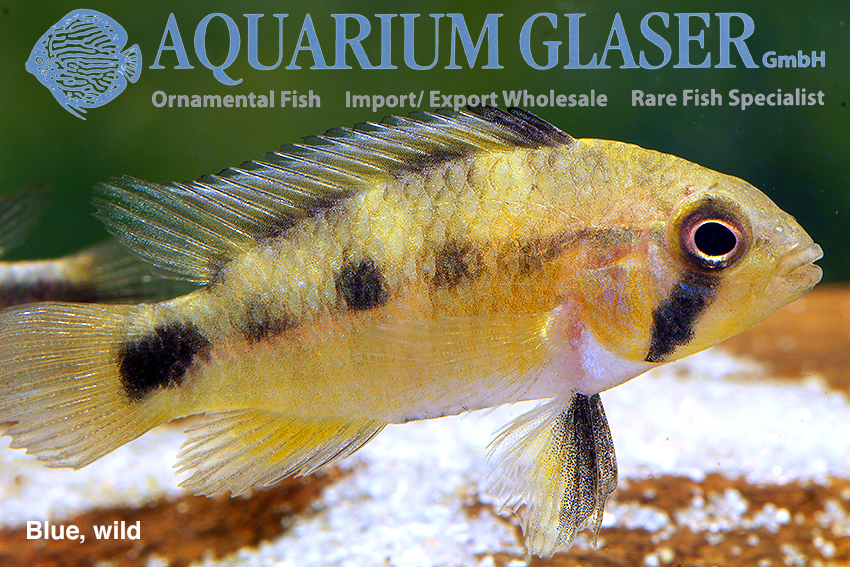
There is, however, one consistent difference between the blue and Papagei forms: under certain mood-depended conditions, when the black markings are particularly visible, one can see that the blue ones have a simple, rather horizontal spot at the base of the tail, while the Papagei forms have a tall, vertical oval double spot at the base of the tail. This characteristic applies to both sexes. Unfortunately, however, the coloration in which this is clearly visible cannot be induced. Consequently, it is not possible in the trade to cleanly sort the two color forms—blue and Papagei. At least the females are therefore almost always mixed in wild-caught specimens.
The challenge for aquarists now is to preserve this diversity of forms among captive-bred fish, as it has often been observed with polychromatic Apistogramma that selective breeding in aquarium populations causes these fish to develop a uniform appearance rather quickly. Breeders typically place particular emphasis on vibrant colors—preferably red! Consequently, Papagei variants are predominantly offered as captive-bred specimens. By the way: the underbelly stripes, which are very prominent in some photos, can be completely hidden at any time depending on the fish’s mood.
For our customers: we list this dwarf cichlid according to the predominant male coloration in the respective shipment: Blue has 618404 as wild-caught and 618412 as captive-bred; Papagei has 618304 as wild-caught, 618312 (captive-bred, medium) and 618313 (captive-bred, medium-light). Please note that we supply exclusively to wholesalers.
Literature:
Britzke, R., C. Oliveira & S. O. Kullander (2014): Apistogramma ortegai (Teleostei: Cichlidae), a new species of cichlid fish from the Ampyiacu River in the Peruvian Amazon basin. Zootaxa 3869 (no. 4): 409-419
Text & photos: Frank Schäfer
