








Aquariums are increasingly becoming the last bastion of survival for small fish species. Unfortunately, the loss of species diversity (biodiversity) due to environmental change is reaching ever more dramatic proportions, and many species must already be categorized as “threatened with extinction” or even “extinct in the wild” barely after their existence has been discovered.
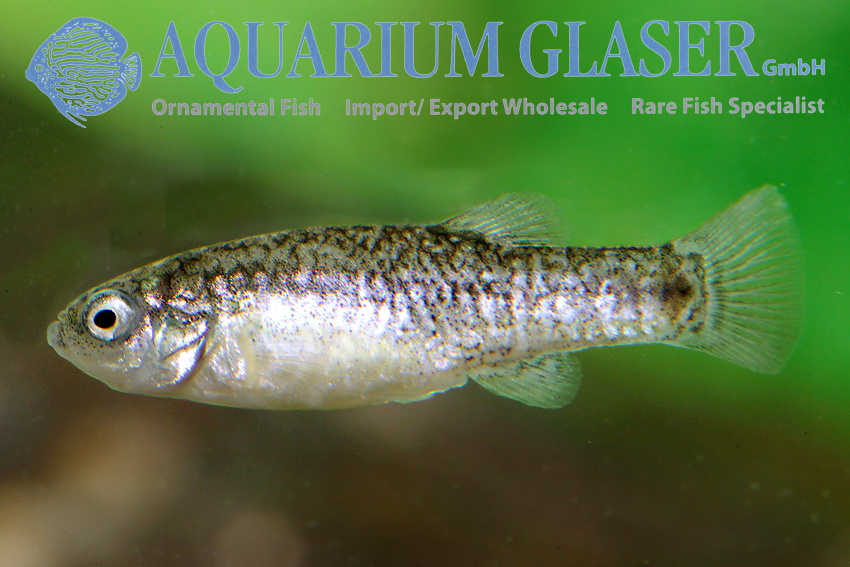
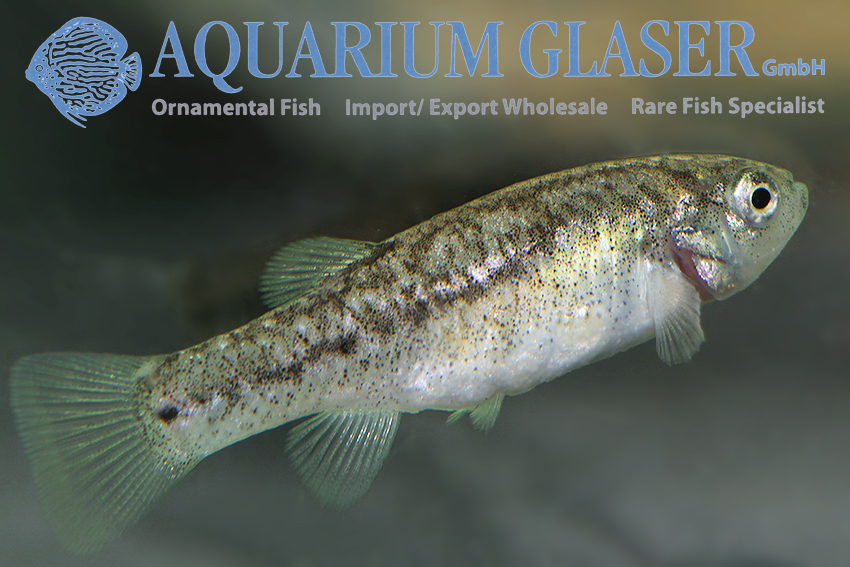
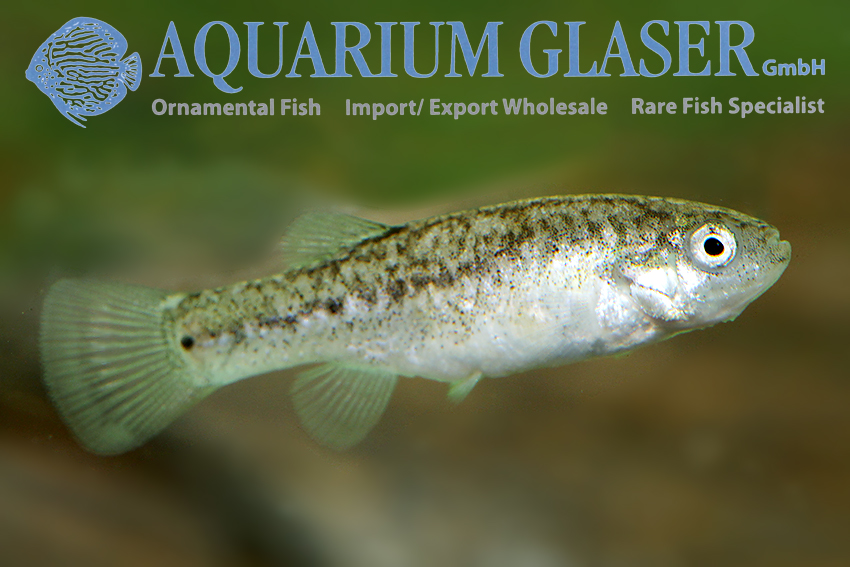
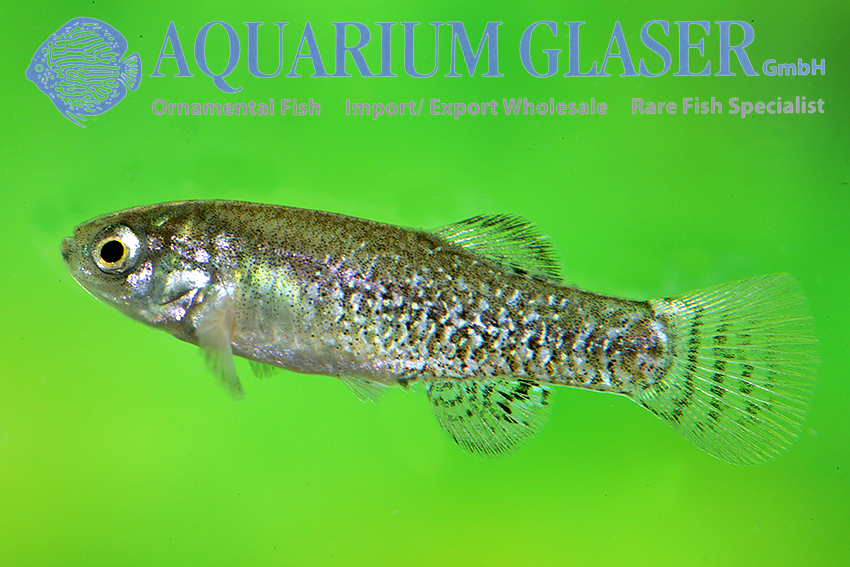
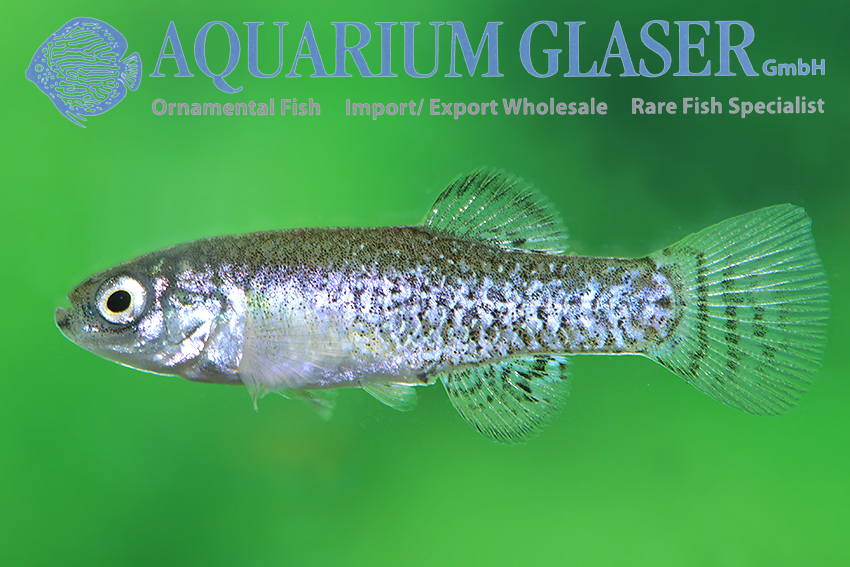
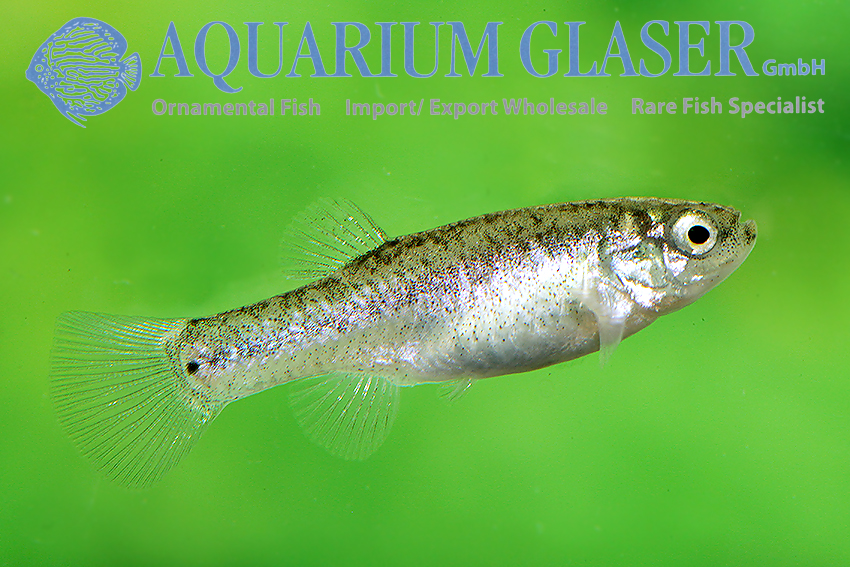
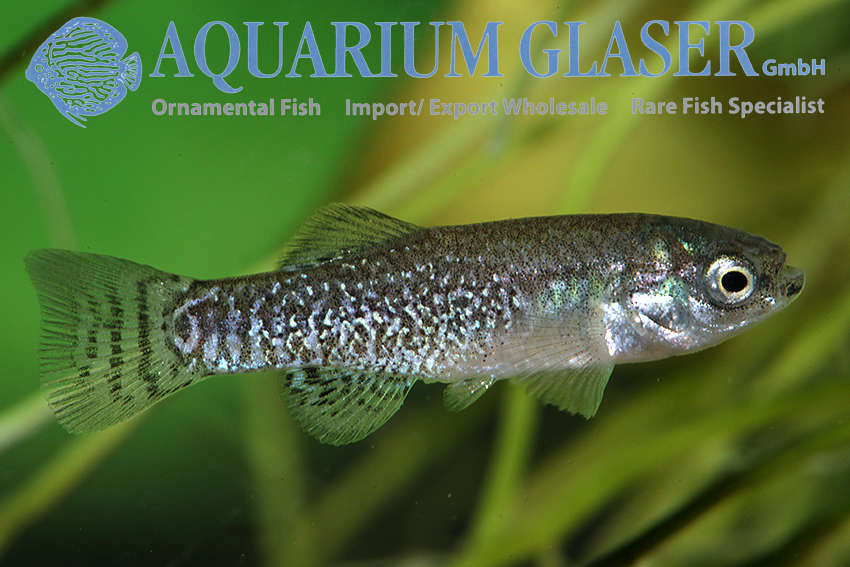
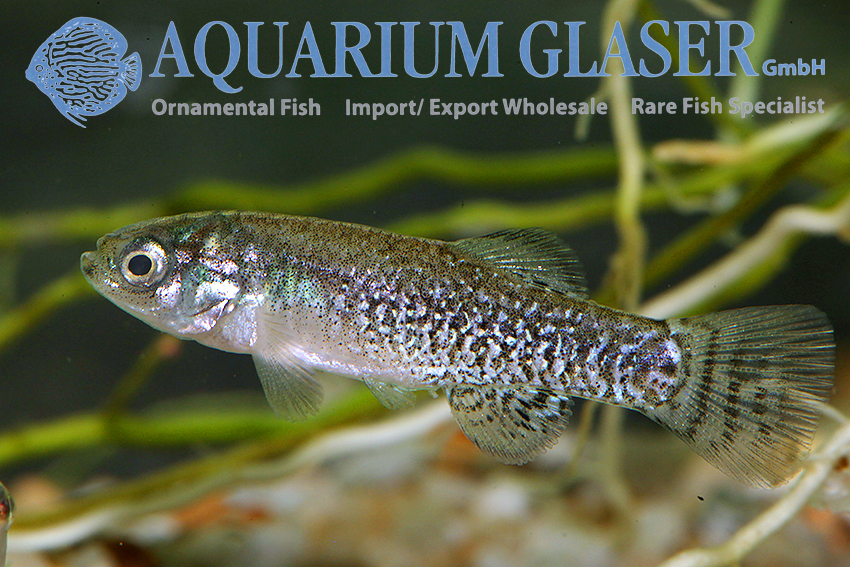
The small killifish Apricaphanius saourensis is a good example of this. The three species in the genus Apricaphanius are found in the western Mediterranean. For a long time, A. iberus—the Spanish killifish—was considered one of the few European representatives of the killifish family. A form of the Spanish killifish from the Atlantic side of the country, which had been known for some time but was considered a color variant of A. iberus, was identified as a distinct species in 2002 using state-of-the-art methods and described as A. baeticus. Another “variant” of A. iberus, known only from a single oasis (Igli) in northwestern Algeria, was described in 2006 as A. saourensis. Its discovery was first reported in 1982 (Villwock & Scholl); exactly when these fish entered the hobby is not precisely known. In any case, it is illustrated in Lothar Seegers’ 1997 book „Aqualog Old World Killis II“.
All three Apricaphanius species are considered critically endangered due to massive environmental changes; no Apricaphanius saourensis have been detected at the only known site for years, and the species was classified as “extinct in the wild.” It was not until June 2024 that Apricaphanius specimens, very similar to A. saourensis, were found again in a very isolated wadi, about 150 km from the original site. Genetic studies have recently shown that these are indeed the same species (Derouiche et al., 2026). However, all aquarium strains of A. sarouensis trace back to specimens collected from the Igli Oasis.
Apricaphanius are not fish for run-of-the-mill aquariums. They have certain requirements that are best met in species-specific tanks. These include a need for fluctuating temperatures (ranging from about 2°C to approximately 30°C), and adding salt to the water is important for their well-being (1–3 g/l). The pH should be in the slightly alkaline range (7.5–9), which is easiest to achieve in moderately hard to hard water.
With a total length of 3–4.5 cm, Apricaphanius are small fish; adult males in breeding coloration are quite attractive, while males in their normal coloration and the females are less so. They are, therefore, true specialist fish that will likely never gain a large following. Nevertheless, the good news is that for at least 30 years now (and probably longer), we have succeeded in saving this small fish species from extinction through aquarium breeding. This is only possible because there are no government or bureaucratic regulations governing their care and breeding. The case of Apricaphanius saourensis is a prime example of how so-called “positive lists” (under which only a few animal species would be permitted for care and breeding) would have one primary effect: species extinction on this planet would accelerate dramatically.
For our customers: these little creatures have code 300862 on our stock list. Please note that we supply exclusively to wholesalers.
Literature
Blanco, J. L., T. Hrbek & I. Doadrio (2006): A new species of the genus Aphanius (Nardo, 1832) (Actinopterygii, Cyprinodontidae) from Algeria. Zootaxa No. 1158: 39-53.
Derouiche, L., Tahri, R. & C. R. Fernandes (2026): Genetic evidence for the rediscovery in the wild of the critically endangered Sahara killifish Apricaphanius saourensis (Cyprinodontiformes: Aphaniidae). The Science of Nature 113: 21 (9pp).
Seegers, L. (1997): Aqualog: Old World Killis II. Mörfelden-Walldorf.
Villwock, W. & A. Scholl (1982): Ergänzende Mitteilungen über Aphanius aus der Oase Azraq/ Jordanien sowie Betrachtungen zum taxonomischen Status eines neuen A. iberus (Cyprinodontidae: Pisces) aus dem Oued Zousfana, Igli/Nordwest Algerien. Mitteilungen aus dem hamburgischen Zoologischen Museum und Institut, 79, 267–271.
Text & photos: Frank Schäfer
