








The bala shark, Balantiocheilos melanopterus, is one of Asia’s most popular ornamental fish. Its native range includes the large Sunda Islands of Sumatra and Borneo, as well as the Malay Peninsula. The type locality of this species, which was first described in 1850 as Barbus melanopterus, is Banjarmasin on Borneo. However, it did not become known in the aquarium hobby until over 100 years later. The first imports to Germany took place in 1959 from Thailand. People were so enthusiastic about the fish that the GDR magazine Aquarien-Terrarien even featured a color photo of them.
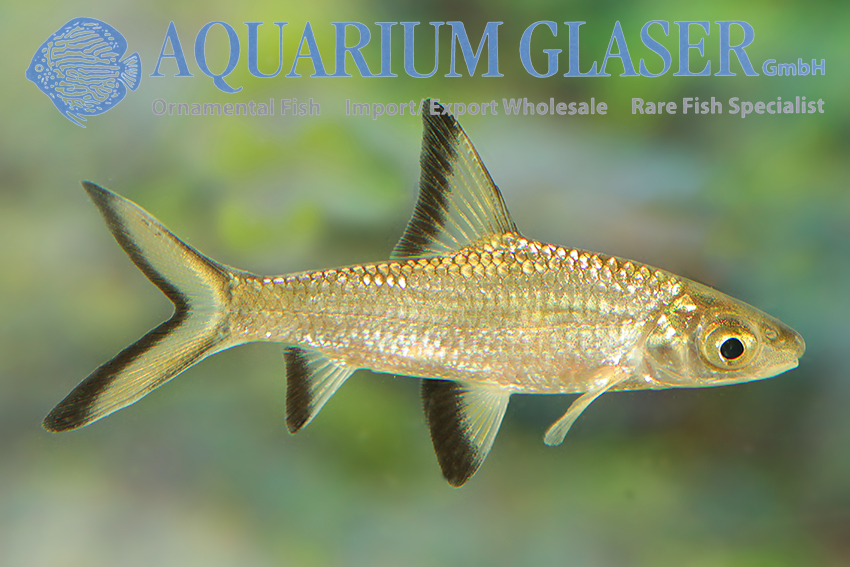
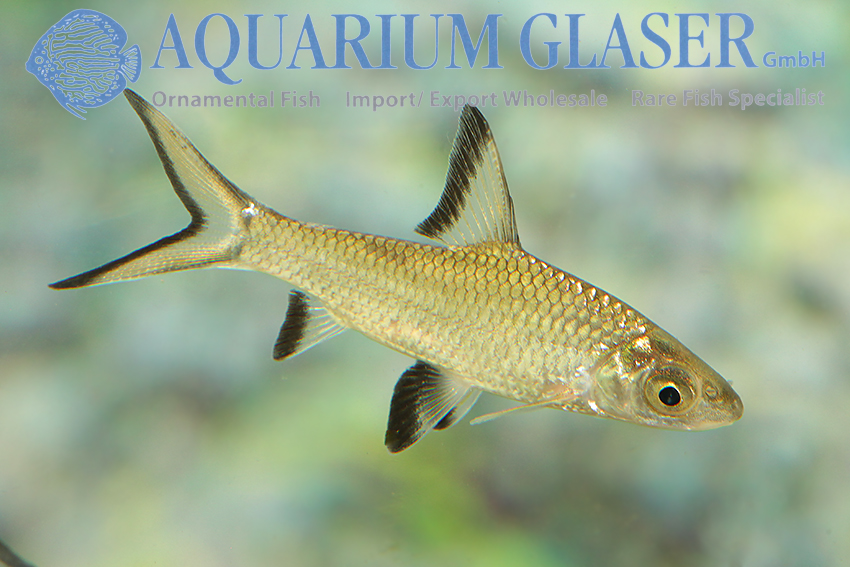
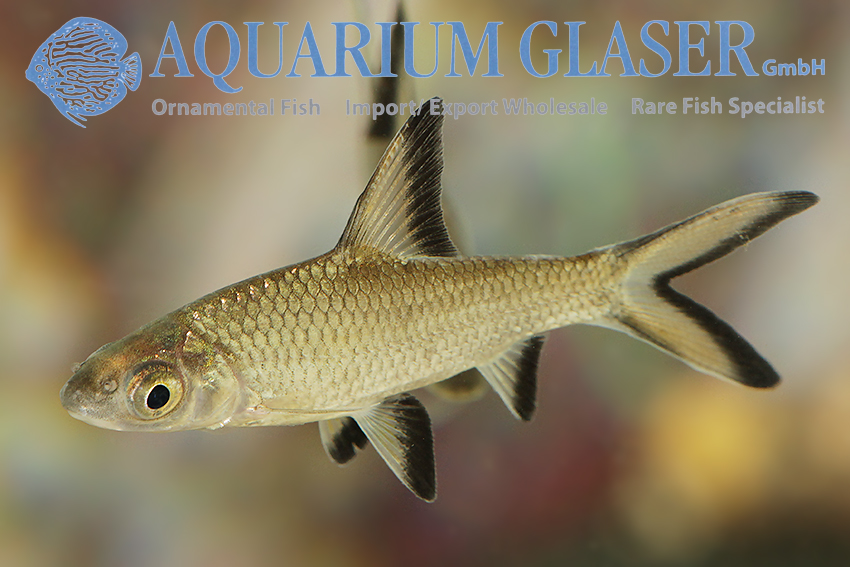
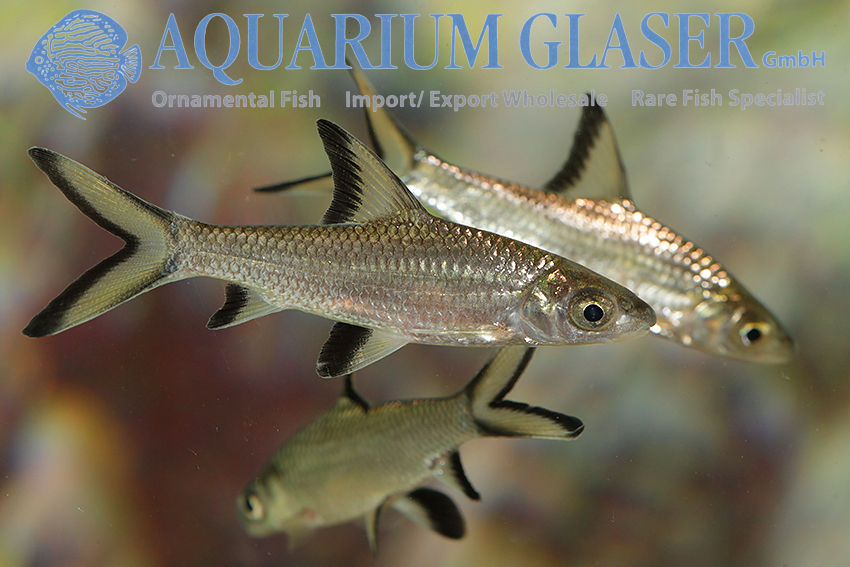
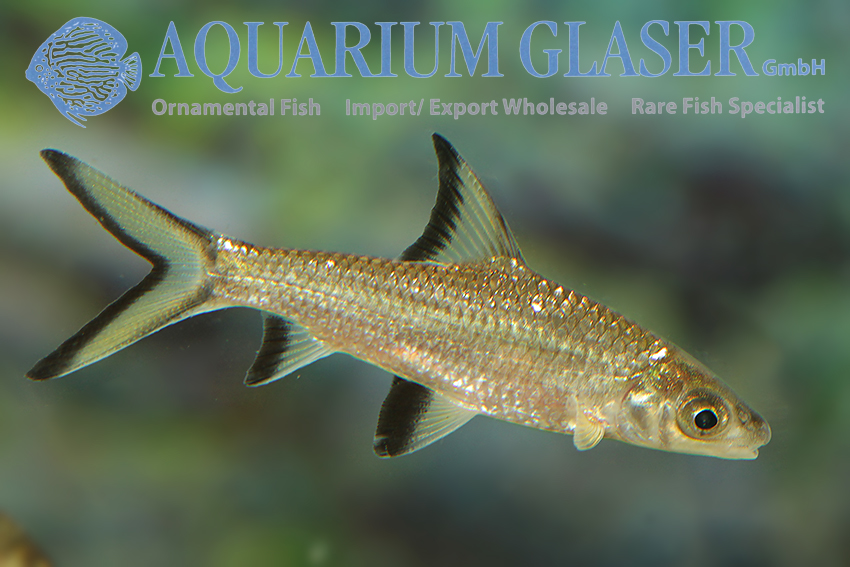
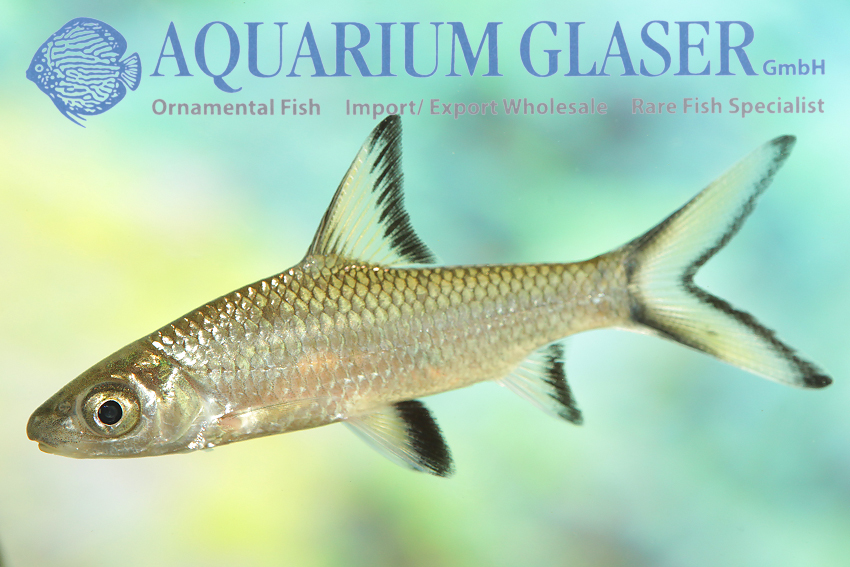
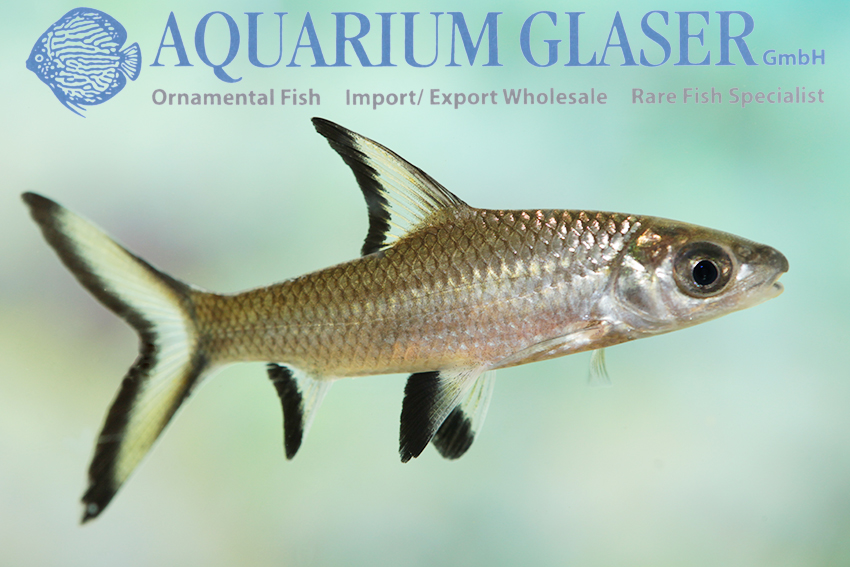
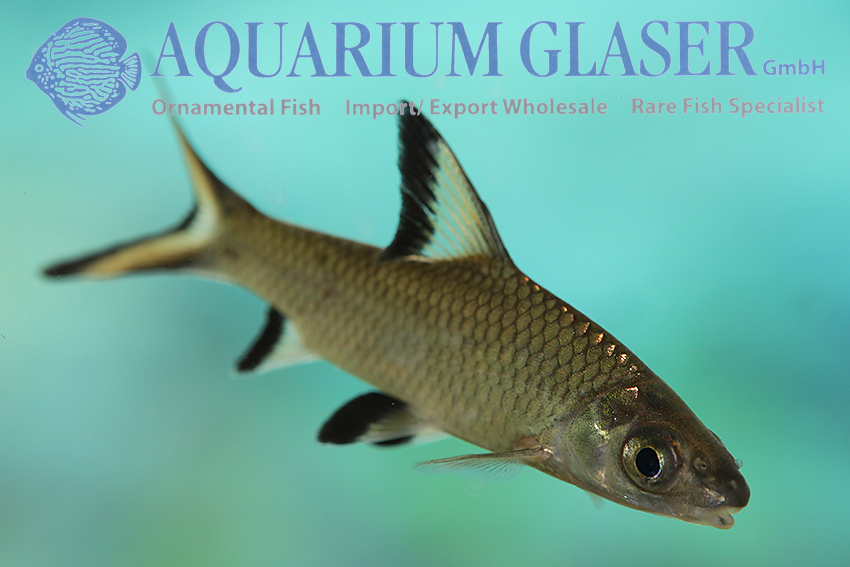
Until relatively recently (2007), it was believed that there was only one species of bala shark, namely Balantiocheilos melanopterus (the genus name is often incorrectly spelled with an -us at the end). Then scientists Ng and Kottelat described a second species, namely B. ambusticauda. The two species do not differ from one another as juveniles; only in adult specimens (B. ambusticauda grows to 20 cm, B. melanopterus to 35 cm) is there a distinct difference in head shape (those with a special interest are referred to the original description of B. ambusticauda: Ng, H.H. & M. Kottelat (2007): Balantiocheilos ambusticauda, a new and possibly extinct species of cyprinid fish from Indochina (Cypriniformes: Cyprinidae). Zootaxa 1463: 13-20, http://www.mapress.com/j/zt/article/view/zootaxa.1463.1.2). However, the color differences between B. ambusticauda and B. melanopterus mentioned in this description regarding the coloration of the anal and pelvic fins are only partially accurate, as historical photos of B. ambusticauda—such as the color photo from Aquarien-Terrarien cited above—do not show these differences.
B. ambusticauda originated from the area around Bung Borapet in Thailand. This must be stated in the past tense, as the species is currently considered extinct. Although bala sharks have been bred in Thailand since the 1980s, the breeding stock traces back to specimens imported from Indonesia; these are therefore “true” B. melanopterus. In Indonesia, too, the bala shark is considered an endangered species. Since wild-caught specimens have not been traded as ornamental fish for decades, fishing for this purpose can be ruled out as a cause of endangerment.
Bala sharks are relatively large fish. While the record size of about 35 cm is, of course, only reached once in a blue moon, fish kept under normal conditions regularly grow to 15–20 cm. A large aquarium is therefore essential for their care; it should always be about 10 times as long as the largest fish in the group, because bala sharks are schooling fish and should always be kept in groups of 5 or more. Then, thanks to their fins, which are always held taut and spread wide, they make for a stunning sight in the aquarium. They are peaceful fish that are content with any tap water. The temperature can range between 22 and 28°C; a slight deviation in either direction is not harmful as long as it is not a permanent condition. Bala sharks are voracious omnivores that will nibble on even delicate plant parts. You should feed them a diet rich in fiber and low in protein. Unfortunately, you see excessively fat bala sharks far too often. This is unsightly, unhealthy, and significantly shortens their lifespan, which can reach up to 13 years in an aquarium.
For our customers: Bala sharks are listed on our stock list under codes 368601 (3–4 cm) through 368607 (12–15 cm) for imported captive-bred specimens and 368612 for EU-bred specimens (4–5 cm). Please note that we supply exclusively to wholesalers.
Text & photos: Frank Schäfer
