








The genus Brachyrhamdia comprises only six described species; another species, which has not yet been scientifically described, was imported as bycatch over 20 years ago, and nothing has been heard of it since. These are relatively small catfish. Brachyrhamdia marthae is native to Ecuador, Peru, Bolivia, and Brazil. Like all species in the genus, its juveniles swim in schools with various armored catfish species. For B. marthae, co-occurrence with Gastrodermus pgymaeus (in Peru), Hoplisoma caudimaculatum, and H. trilineatum (in Brazil) has been documented. Although the coloration of B. marthae is not particularly similar to that of armored catfish, B. marthae is almost completely inconspicuous in a mixed school. The purpose of this mimicry has not yet been thoroughly researched, but it is considered likely that it is a case of so-called Müllerian mimicry. The resemblance to one of the common armored catfish thus protects the much rarer Brachyrhamdia, because any predator that has ever tasted armored catfish will avoid them in the future—and along with them, species that look similar to armored catfish or swim together with them in a school. However, the Corydoras school could also serve as camouflage, allowing the Brachyrhamdia—which are predatory compared to armored catfish—to get closer to small prey.
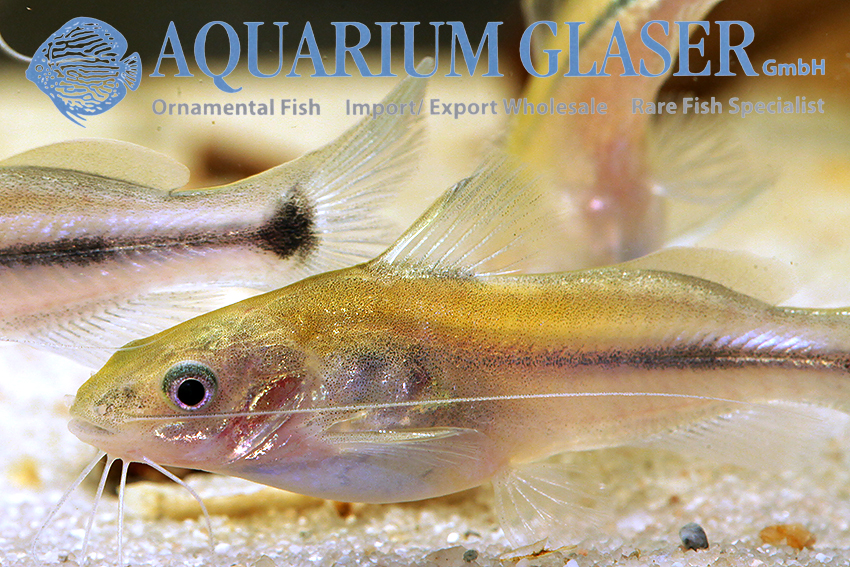
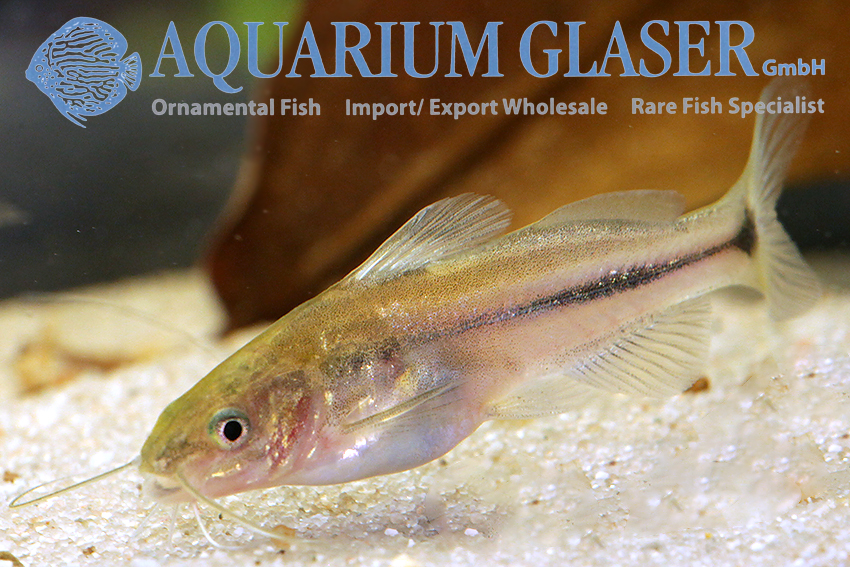
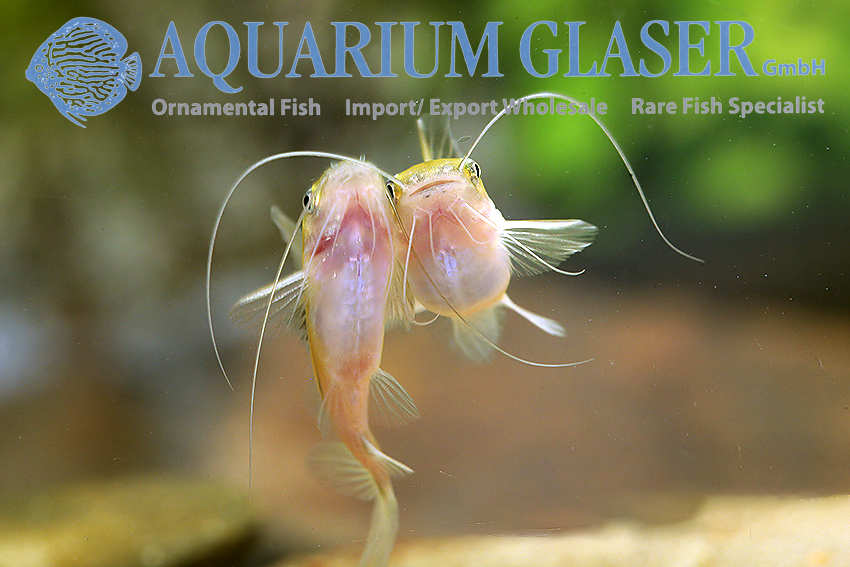
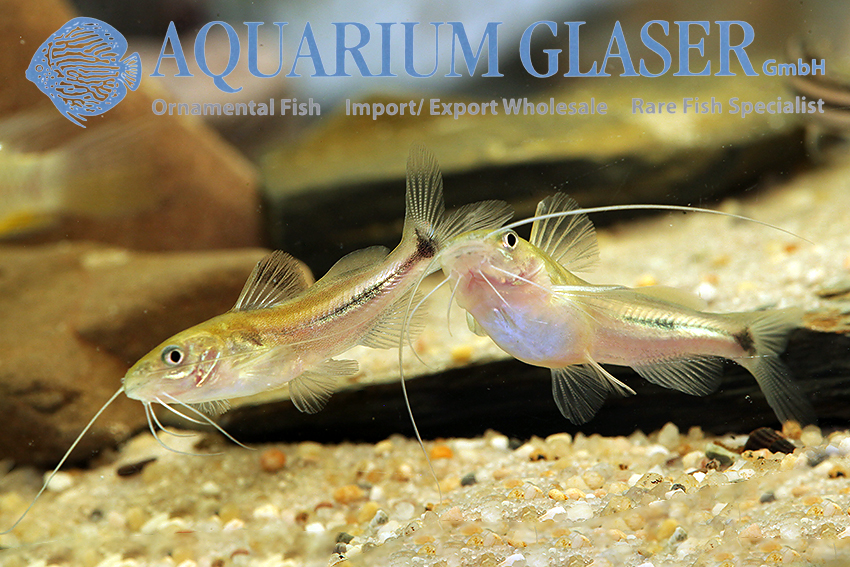
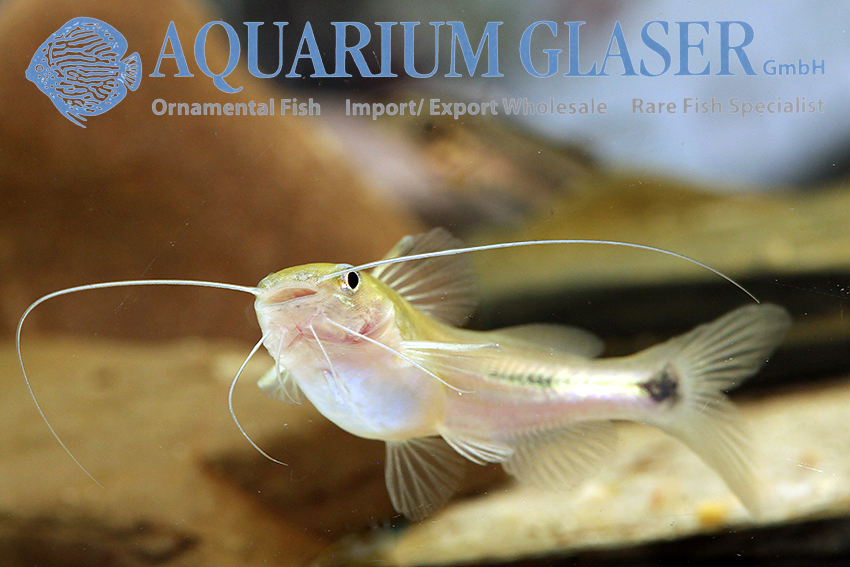
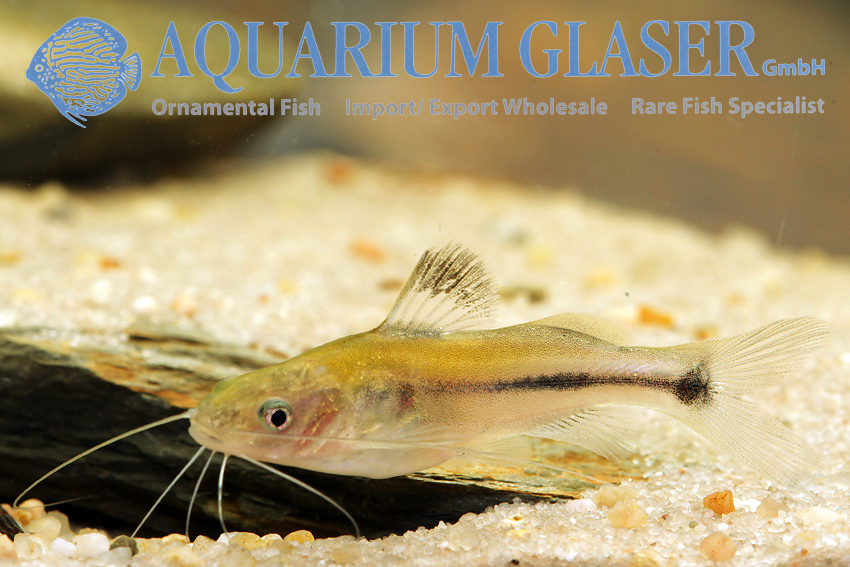
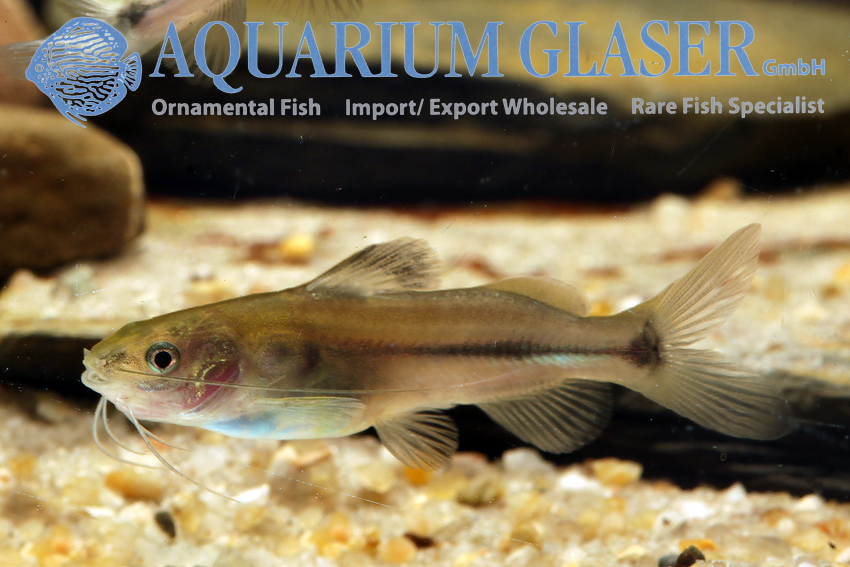
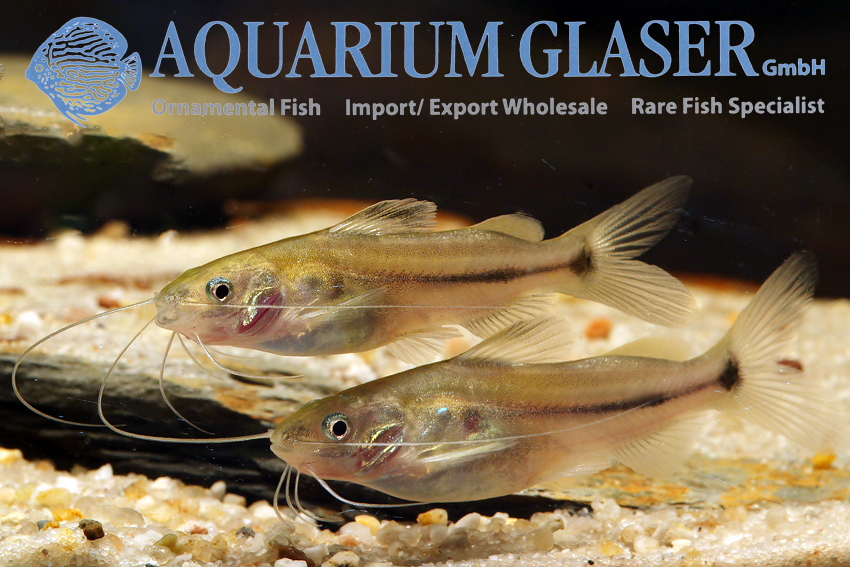
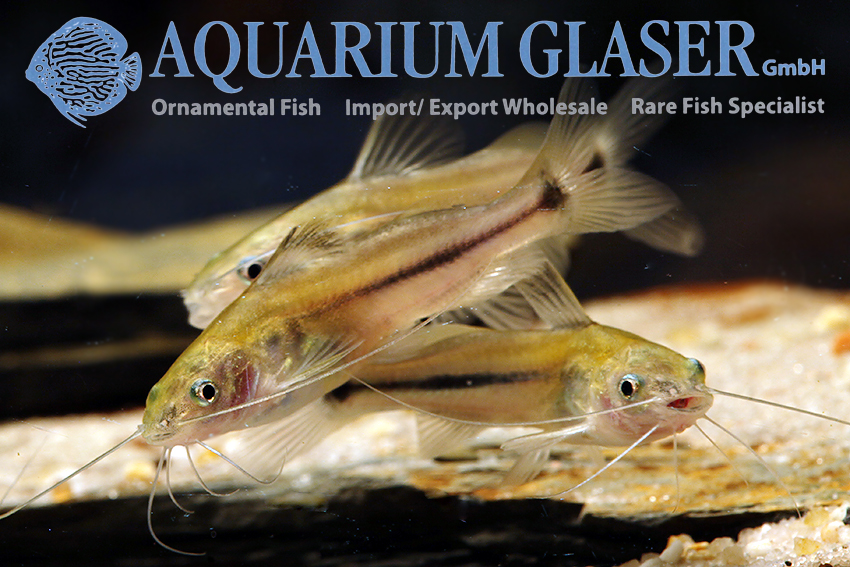
In the aquarium, Brachyrhamdia marthae should be kept in a school with others of their kind, and it is a good idea to also add a school of armored catfish so that the coexistence of the two species can be observed and analyzed. B. marthae behaves completely peacefully toward fish that are not potential prey (i.e., all species that are about half the size of Brachyrhamdia or larger). In the aquarium, these catfish are omnivores that will eat any type of dry, frozen, or live food. Plant-based food plays no role; the fish completely ignore plants in other respects as well.
The aquarium for B. marthae should have a fine sand substrate, be decorated with numerous roots, and not be too brightly lit. It is best to grow a single plant—such as an Amazon sword plant (Echinodorus)—in a separate container and illuminate only that plant specifically, while the rest of the aquarium can be kept in somewhat diffuse light.
Male Brachyrhamdia marthae appear to have significantly more black in their dorsal fin and are considerably slimmer. The females develop spawning condition easily and become very plump, but there have been no reports of successful breeding in the aquarium literature. Presumably, the reason for this is a lack of interest among aquarists in these attractive catfish—what a shame! It can be assumed that B. marthae does not provide brood care and must be stimulated to spawn in a manner similar to the armored catfish species of the central Amazon Basin. There are observations from the 1980s indicating that B. imitator, a species related to B. marthae and native to Colombia, was also stimulated to spawn by the spawning of Hoplisoma brevirostre, with which it was kept together.
Maximum size: 6–7 cm; Temperature: 22–28°C; pH and hardness: not important for maintenance (tap water), soft and acidic for breeding; Diet: omnivorous; Social behavior: peaceful schooling fish.
For our customers: these fish are listed under code 211703 on our stock list. Please note that we supply exclusively to wholesale customers.
Text & photos: Frank Schäfer
