








Channa asiatica is a species with many variants or, as is often considered today, a species complex consisting of species that cannot be anatomically distinguished from one another but sometimes differ quite markedly in color. In the past, as many as 12 species were scientifically described, all of which are currently considered synonyms of Channa asiatica.
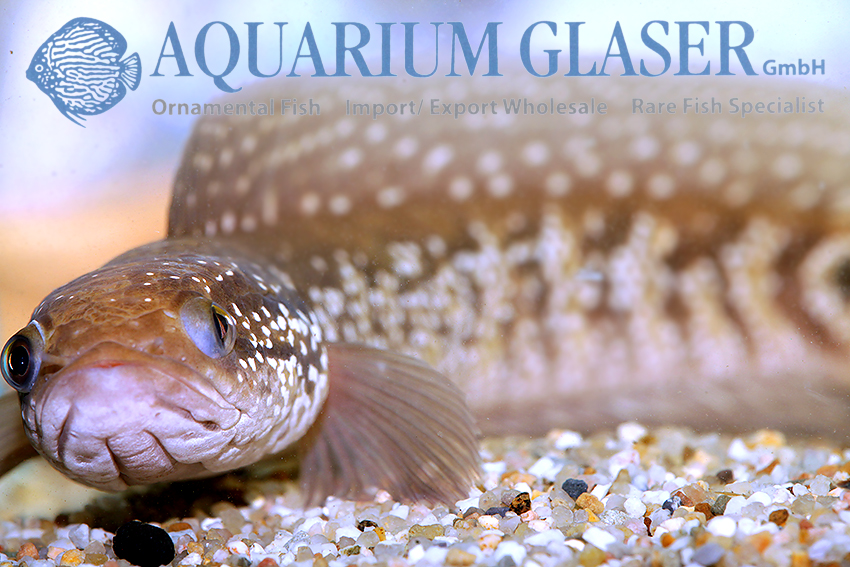
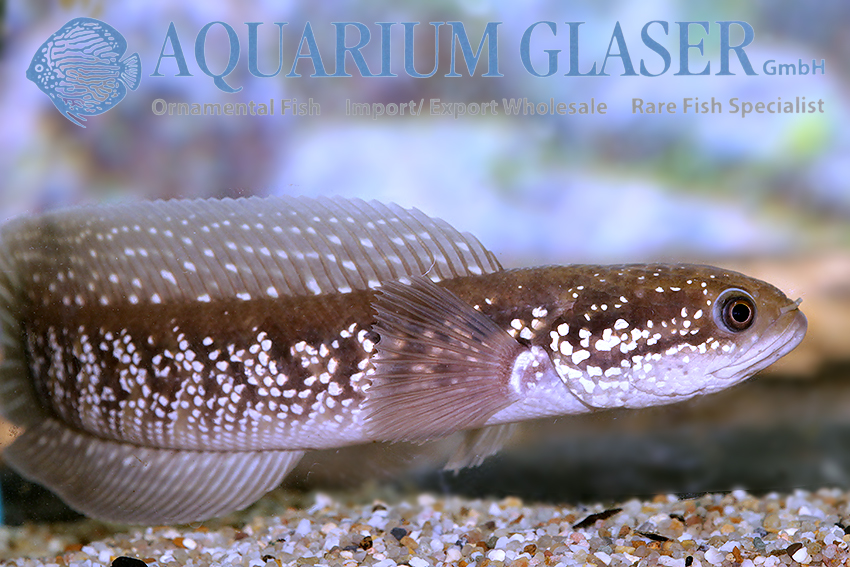
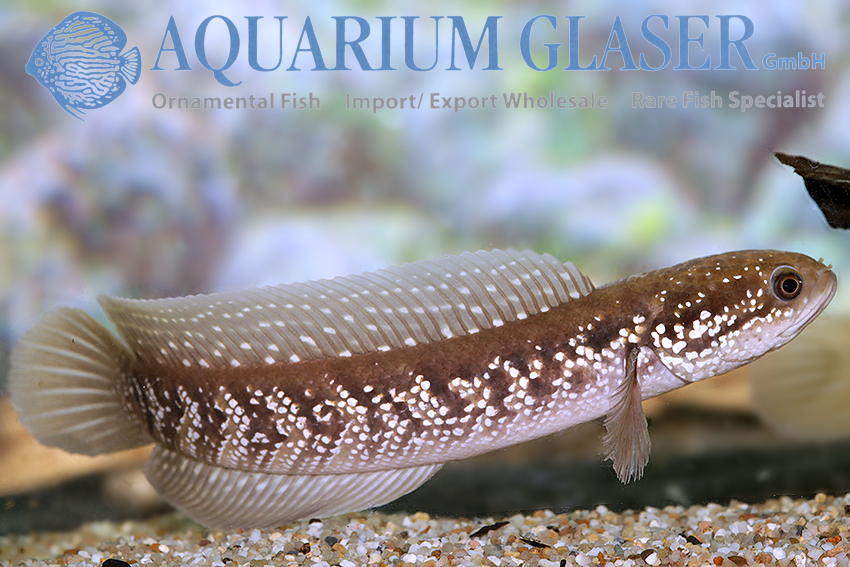
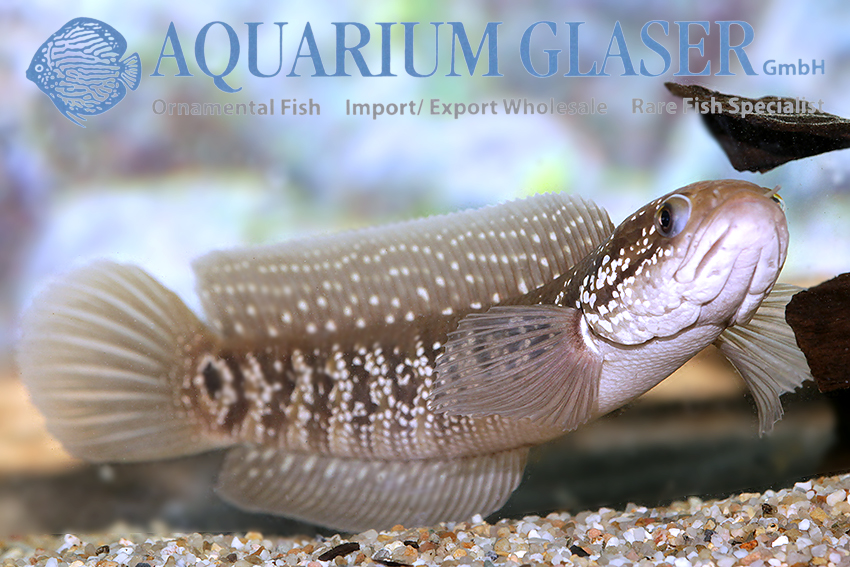
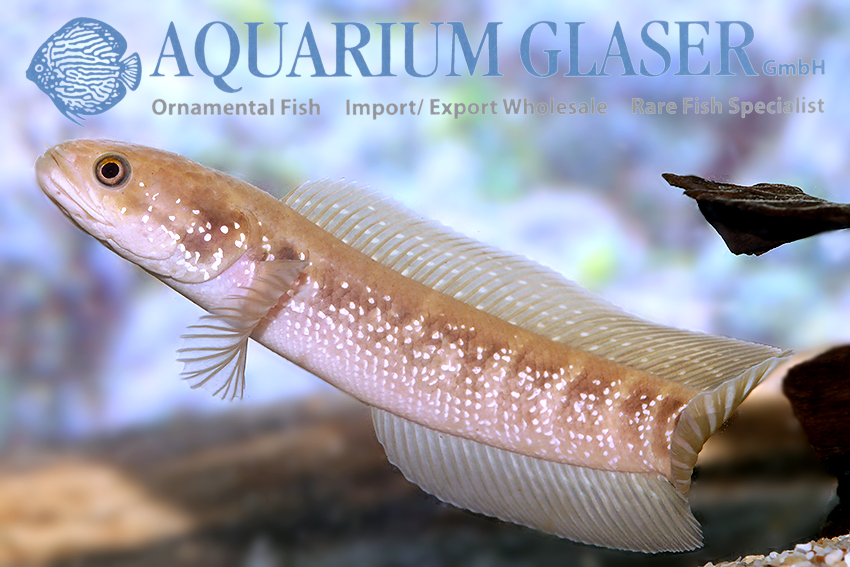
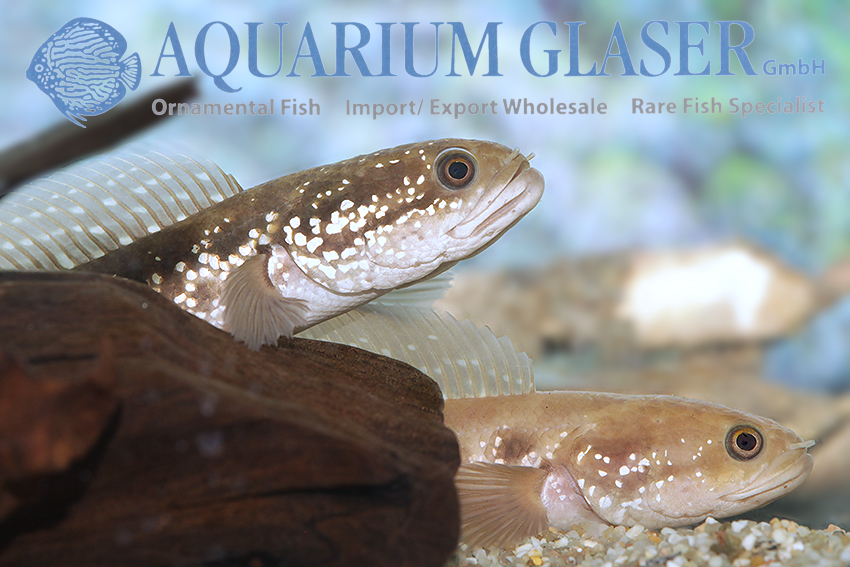
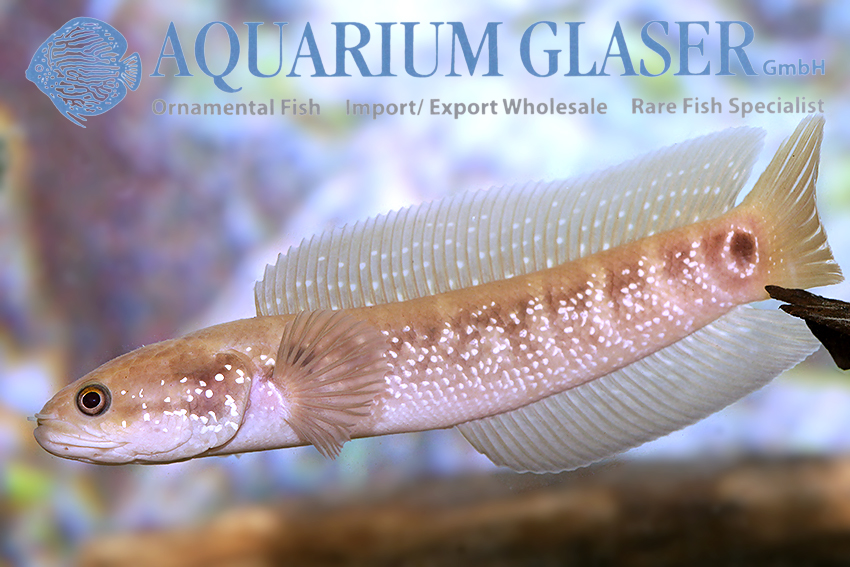
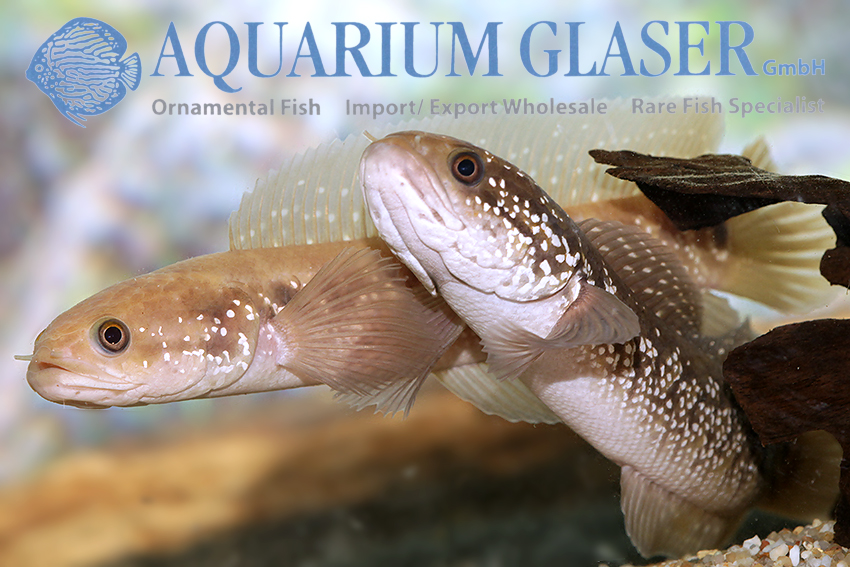
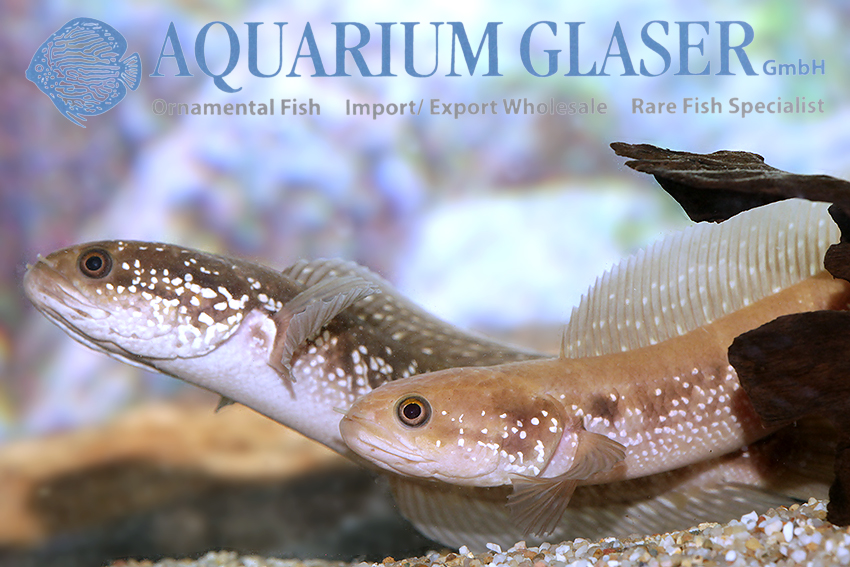
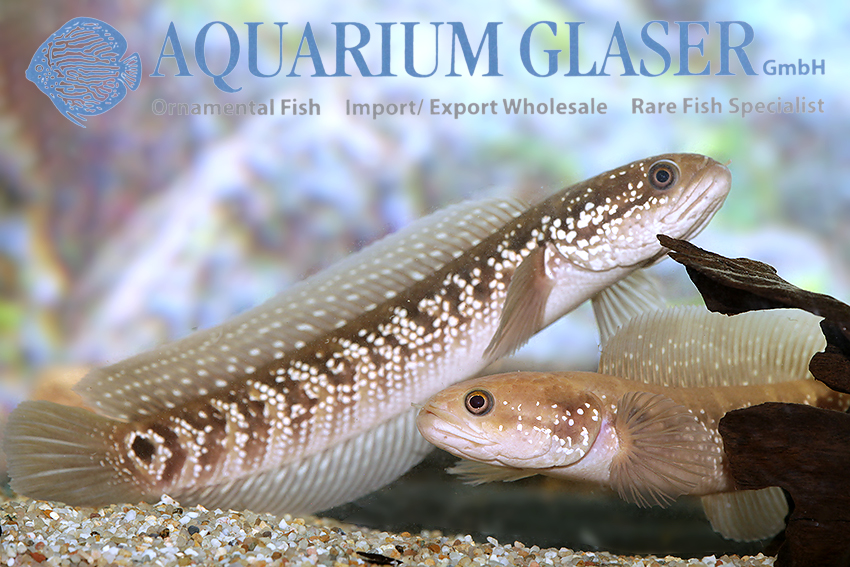
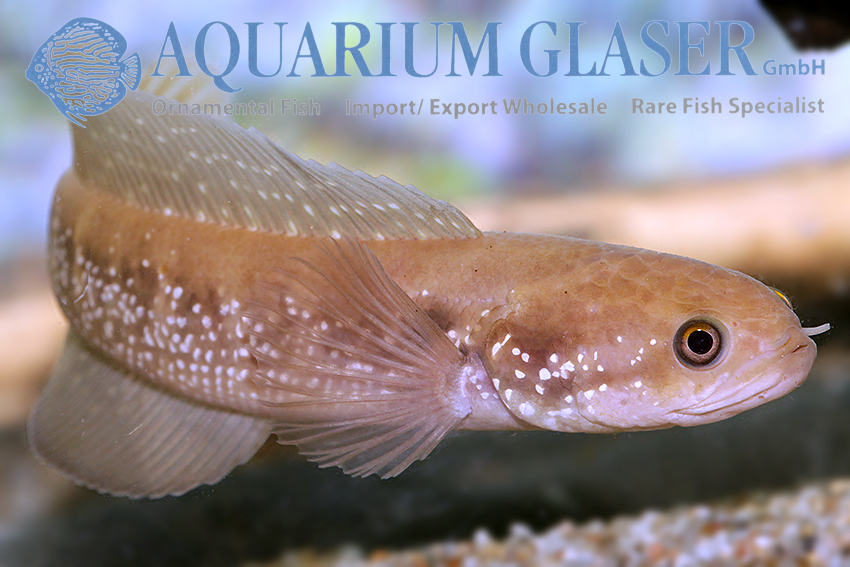
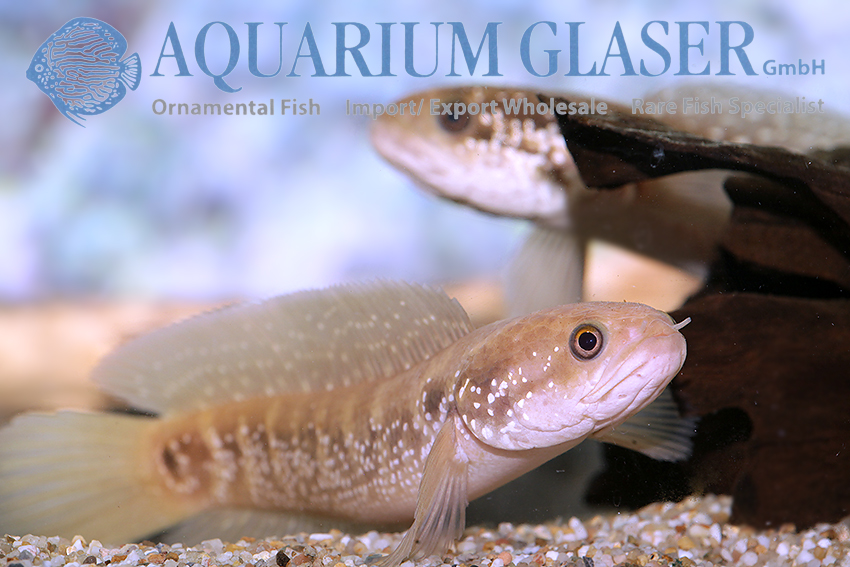
Because the scientific community recognizes only a single species, the breeding of these fish in aquariums—as well as for food purposes—has frequently involved the mixing of different strains from various locations, which in turn leads, or at least can lead, to selective breeding and the development of distinct breeding forms. Although Channa asiatica is a relatively small fish species, its ability to breathe air makes it a very hardy food fish. For this reason, this snakehead fish has long been (probably for centuries) distributed across vast regions as a food fish and for stocking purposes. This makes the assessment of local variants particularly complicated from a scientific perspective.
Channa asiatica is believed to have originally inhabited Vietnam and southern China (including offshore islands). The fact is that individuals with very different appearances are found throughout its broad range. This applies to both coloration and size. The maximum length of C. asiatica is sometimes reported as 40 cm; the scientific database “FishBase” lists 23.5 cm total length (including the caudal fin) as the maximum size and less than 10 cm as the typical size for fish caught for food. The truth probably lies somewhere in between. However, one should generally assume that such fish in an aquarium—where they live longer and are better cared for than in the wild—tend to grow “larger” rather than “smaller.”
In the Western world, Channa asiatica is notorious among aquarists for its unpredictability. Even pairs that have frequently produced offspring together (the species does not build a nest; the eggs are laid on the water’s surface and cared for by both parents) can suddenly fall out after years of harmonious coexistence and then fight to the death. That is why C. asiatica (in the broadest sense) is found only very occasionally in the ornamental fish trade, even though the fish can be very beautiful.
The Channa asiatica pictured in this post came to us from Taiwan. They are a pair with a total length of about 15 cm; the lighter-colored one is the female.
Snakehead fish are individualists; if you decide to keep them, you must always expect surprises. The chemical composition of the water is irrelevant for their care and breeding. As subtropical fish, C. asiatica must be provided with a temperature and lighting regimen adapted to the changing seasons: in winter, 10–15°C with short-day lighting (less than 10 hours of light per day), and in summer, 25–30°C with long-day lighting (at least 14 hours of light per day). When temperatures exceed 22°C, you should consider keeping them separately, as the animals can become particularly aggressive under these conditions. They will eat any hearty food of meat origin; it can be dried (e.g., Cichlid Sticks), frozen, or live.
For our customers: Depending on their size, these fish are listed on our stock list under codes 409230 (2–3 cm) through 409237 (25 cm). Please note that we supply exclusively to wholesale customers.
Text & photos: Frank Schäfer
