








We have mentioned this before: identifying Characidium species is a daunting task. A total of 88 species are currently (2026) generally recognized, of which about 30 have been described in the last 10 years. Above all, our knowledge of the “old” species is rather limited. Thus, when importing a new batch, it is never entirely clear whether the fish belong to a previously described species or to a scientifically unknown one. Specifically, we were able to import a cute new bottom-dwelling characin from Peru. No further details are known about the collection site. Overall, surprisingly few Characidium species are known from Peru—only 12: Characidium etheostoma, C. geryi, C. jivaro, C. ortegai, C. pellucidum, C. pteroides, C. pumarinri, C. purpuratum, C. roesseli, C. steindachneri, C. sterbai, and C. zebra.
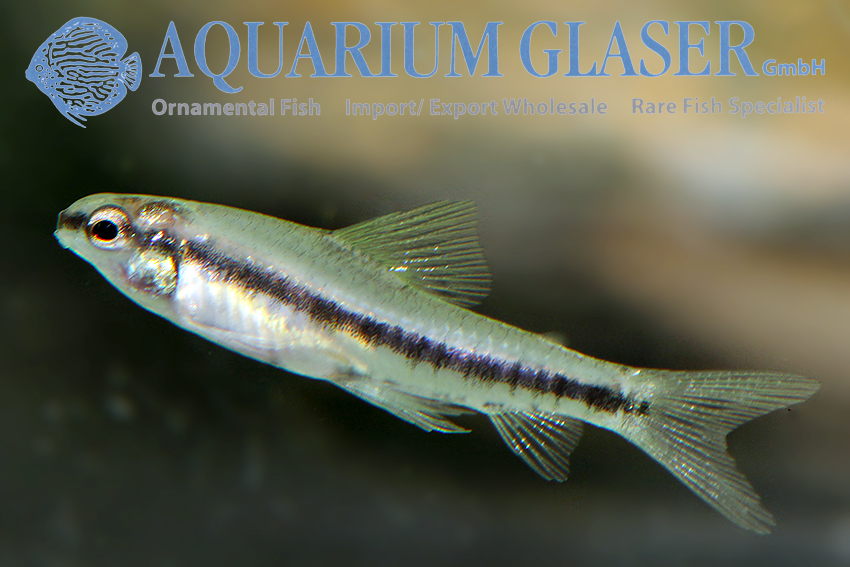
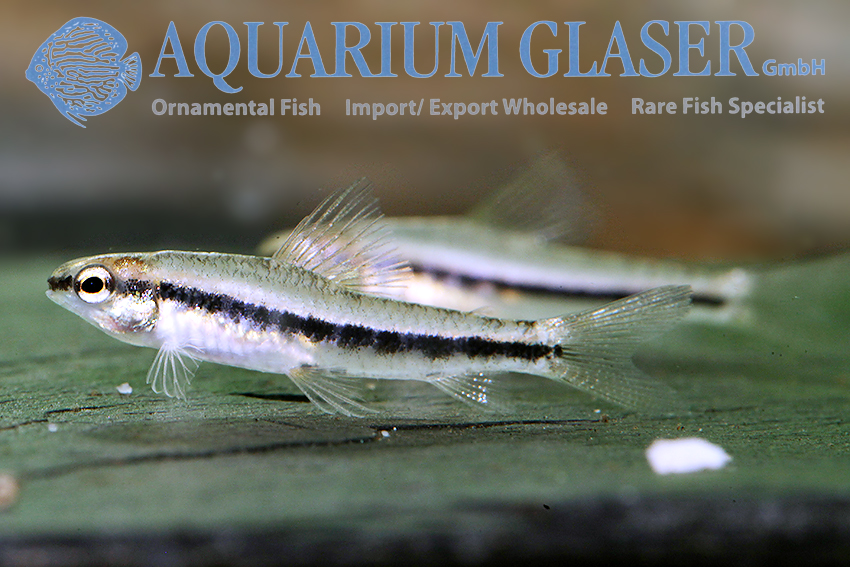
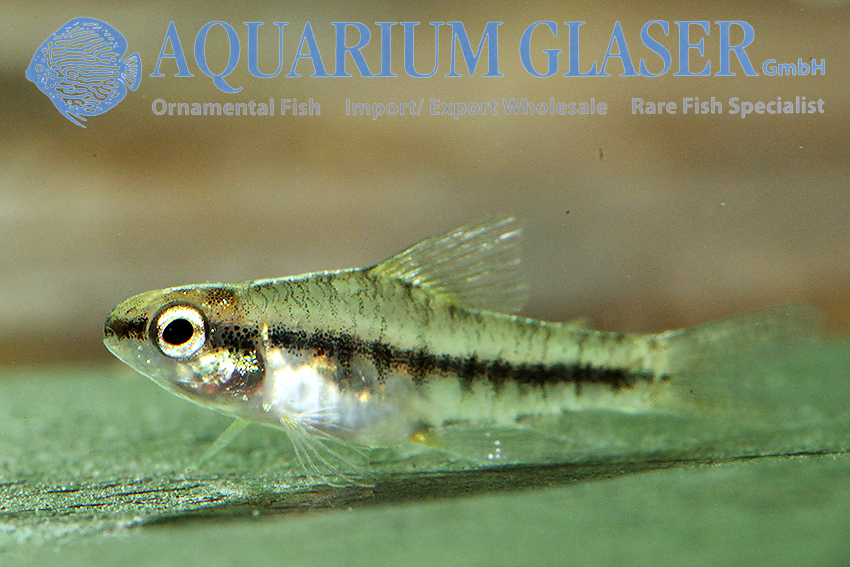
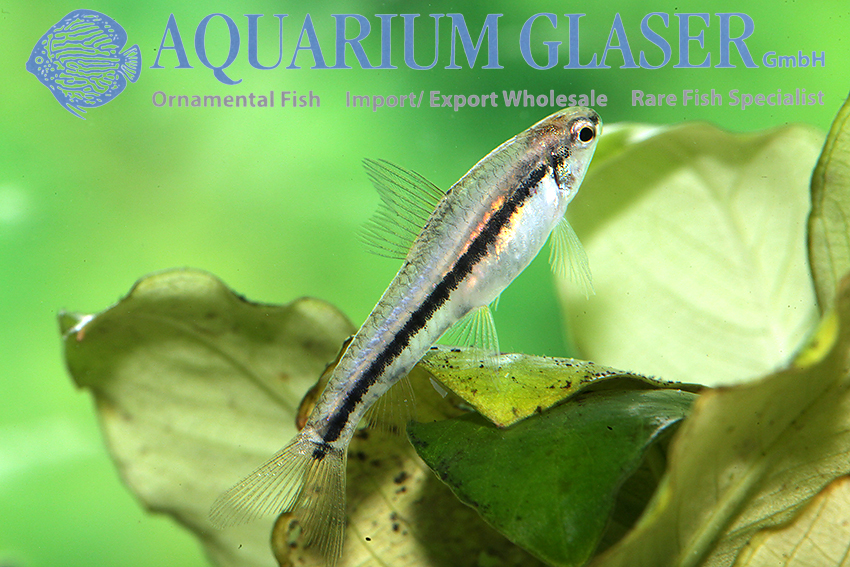
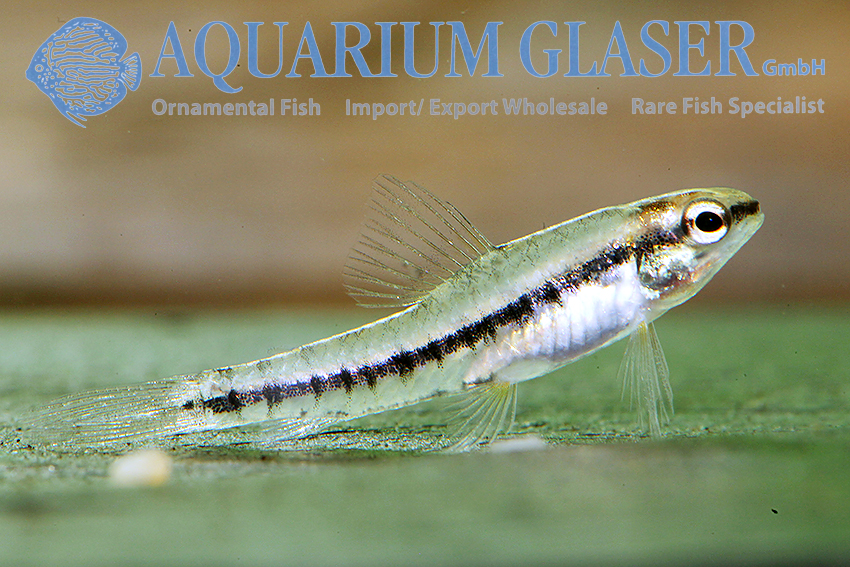
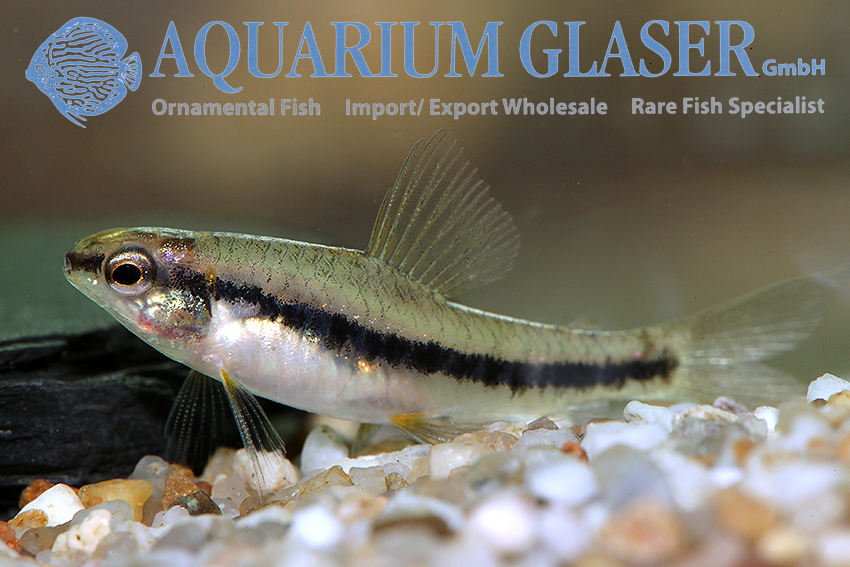
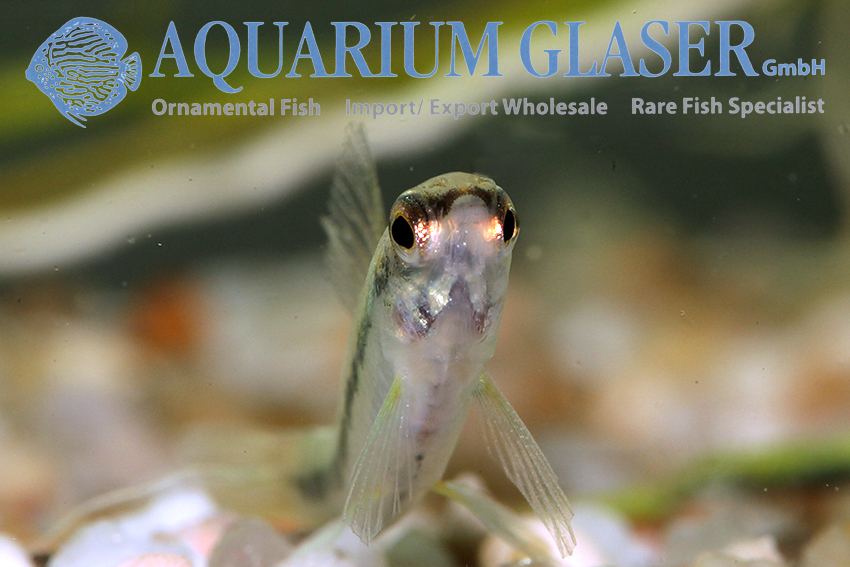
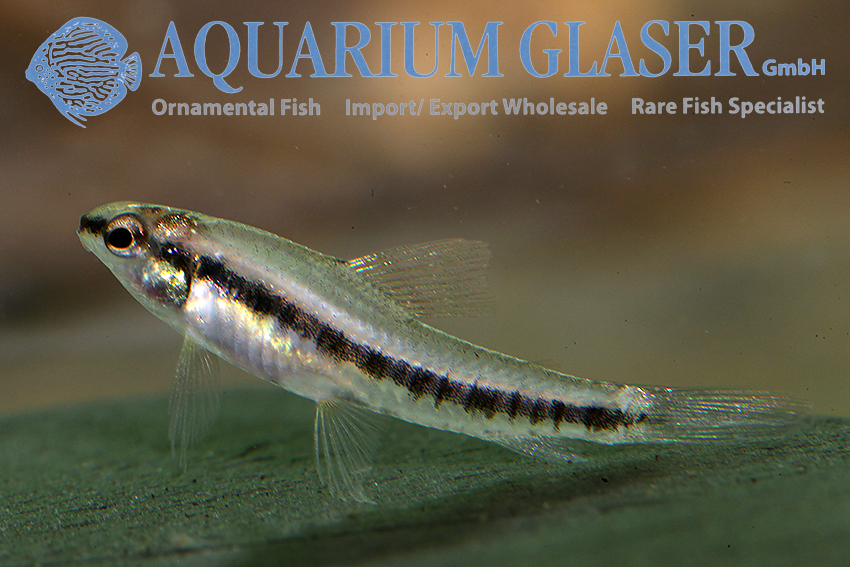
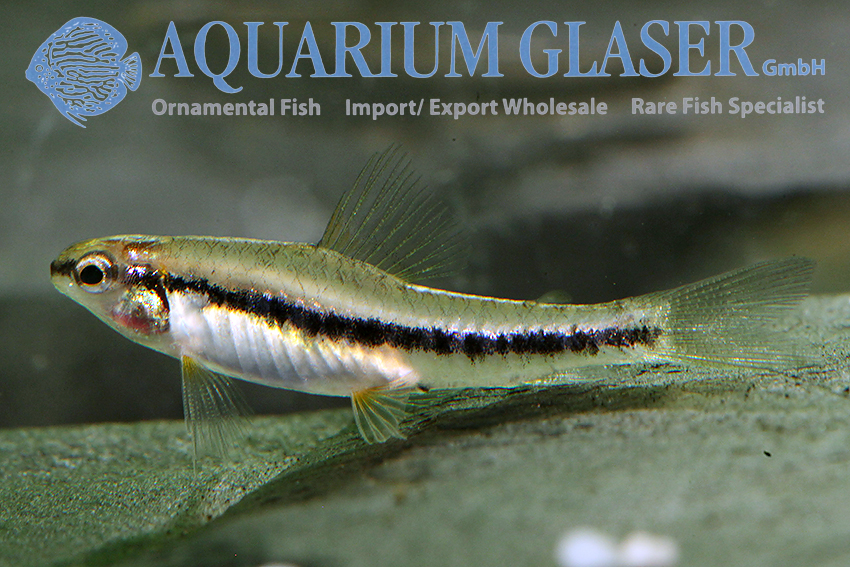
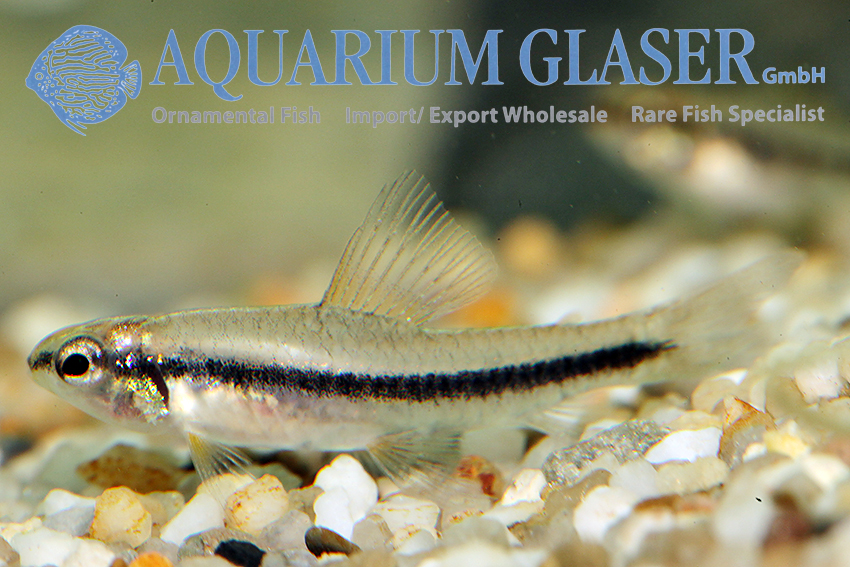
Our new import matches very well in color to the new species Characidium ortegai, which was published just a few weeks ago. This small species was described from the Ucayali River basin in Peru; the largest specimen known to date has a total length of 43.8 mm (standard length without the caudal fin: 34.8 mm). Unfortunately, there is a catch: a characteristic feature of C. ortegai is the absence of an adipose fin, a rare trait within the genus. In our specimens, however, the adipose fin is clearly present. This leaves three possibilities: 1. Our specimens represent a population of C. ortegai with an adipose fin (such a trait is well known in other characids). 2. They belong to one of the other 12 Characidium species listed above (though most are ruled out because they have a pattern of vertical bands on the body), and 3. Our specimens belong to a new species not yet scientifically described. We have opted for possibility 1, at the risk of having to correct ourselves later—but this risk applies equally to all three options mentioned. To express our uncertainty, we have placed the abbreviation “cf.” between the species and genus names. It stands for “confer,” meaning “compare with.”
In stark contrast to the difficulty of identification, caring for these new small bottom-dwelling tetras is very easy. Our largest specimens—presumably females—are about 3 cm long (total length). At first glance, the pattern appears to consist solely of a dark longitudinal band on a light background; at the base of the caudal fin is the black spot typical of the genus, and all fins are transparent and colorless. However, upon closer inspection, one can see that there are spots within the longitudinal band and, sometimes, thin vertical stripes on the rear half of the body.
C. cf. ortegai are completely peaceful toward one another and toward fish of other species. They accept any commercially available ornamental fish food of suitable size. Plants are not damaged. We have not observed any special requirements regarding water composition. We keep them at temperatures between 22 and 26°C, at which they appear to be comfortable.
For our customers: these fish are listed under code 215561 on our stock list. Please note that we supply exclusively to wholesalers.
Literature:
Oliveira-Silva, L., R. Britzke, V. Meza-Vargas, M. H. Hidalgo, D. Faustino-Fuster, C. Oliveira & A. M. Zanata (2025): Morphological and molecular evidence reveals a new species of Characidium from the Ucayali-Urubamba Piedmont, Peru, and novel molecular clades are proposed within the genus. Journal of Fish Biology v. 108 (no. 2): 584-595.
Text & photos: Frank Schäfer
