








There are four species of the small headstanders in the genus Chilodus. In theory, they should be relatively easy to distinguish, since two of these species (Chilodus fritillus from Peru and C. zunevei from French Guiana, Suriname, and the area of Brazil bordering French Guiana) never have a longitudinal band, while the other two (C. gracilis from Brazil and Colombia and C. punctatus from large parts of South America) do have such a band. But in practice, as is so often the case, it’s not quite that simple. This is because Chilodus punctatus can, depending on its mood, show or hide this longitudinal band. Furthermore, C. punctatus, as it is currently defined, looks slightly different depending on its origin—which should come as no surprise to anyone. It is likely that the name “Chilodus punctatus” does not actually refer to a single species with near-universal distribution across tropical South America—it has been reported from Brazil, Bolivia, Ecuador, Guyana, Colombia, Peru, and Suriname—but rather to an entire species complex of very similar species.
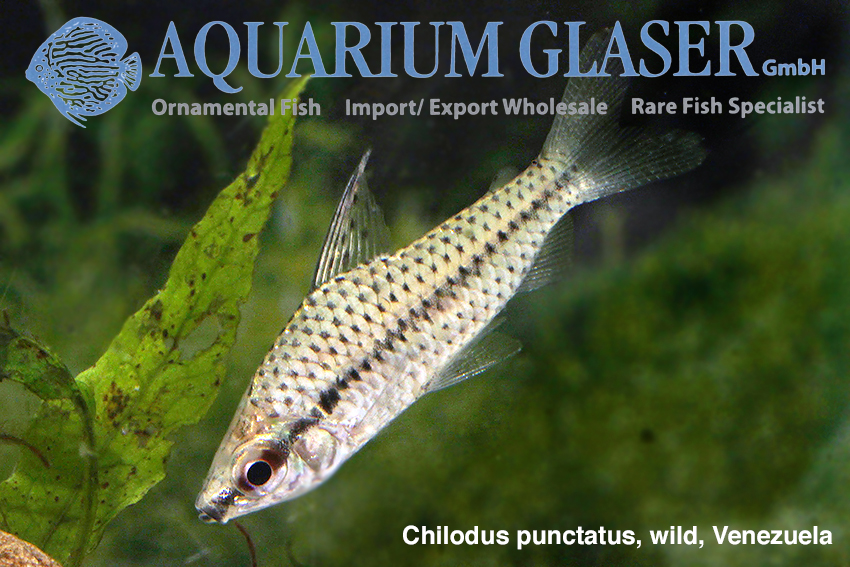
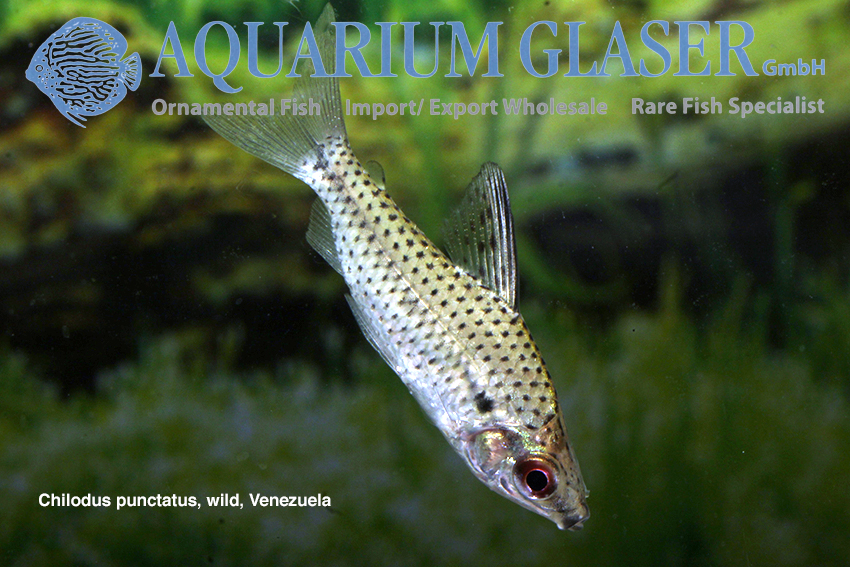
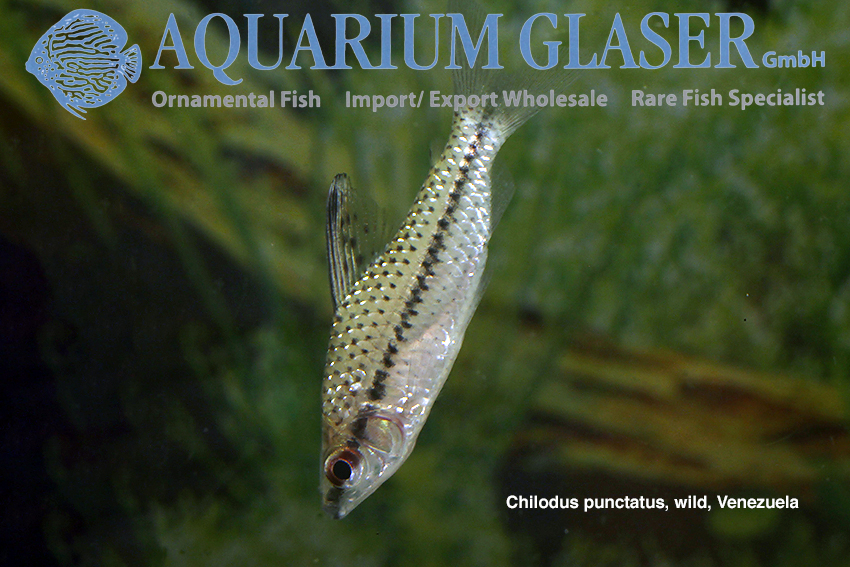
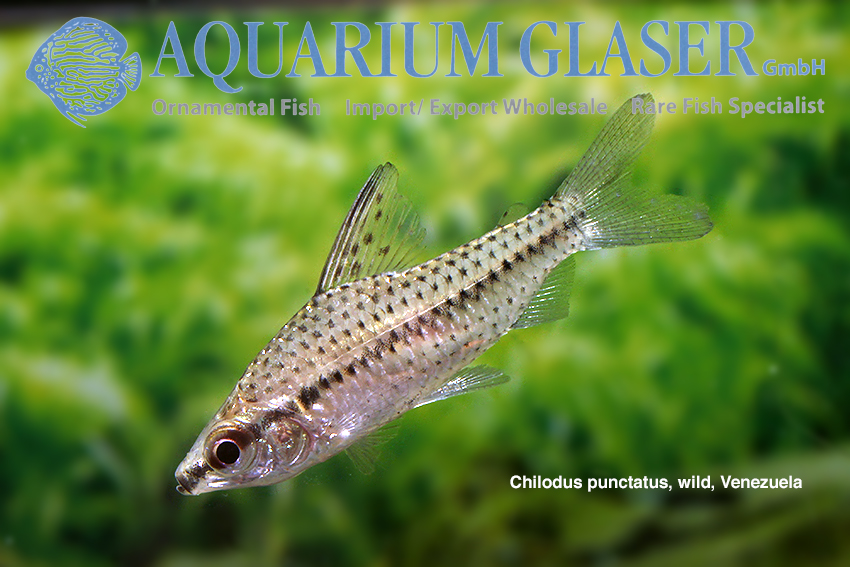
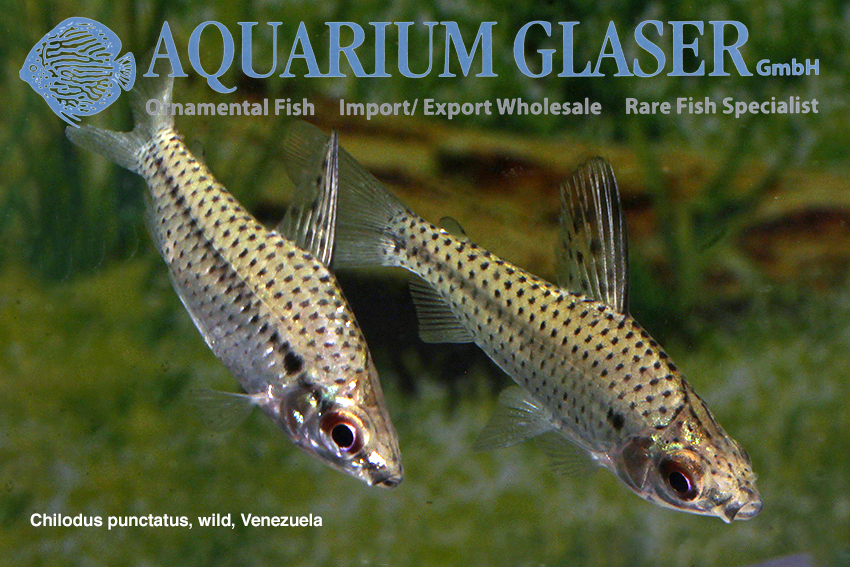
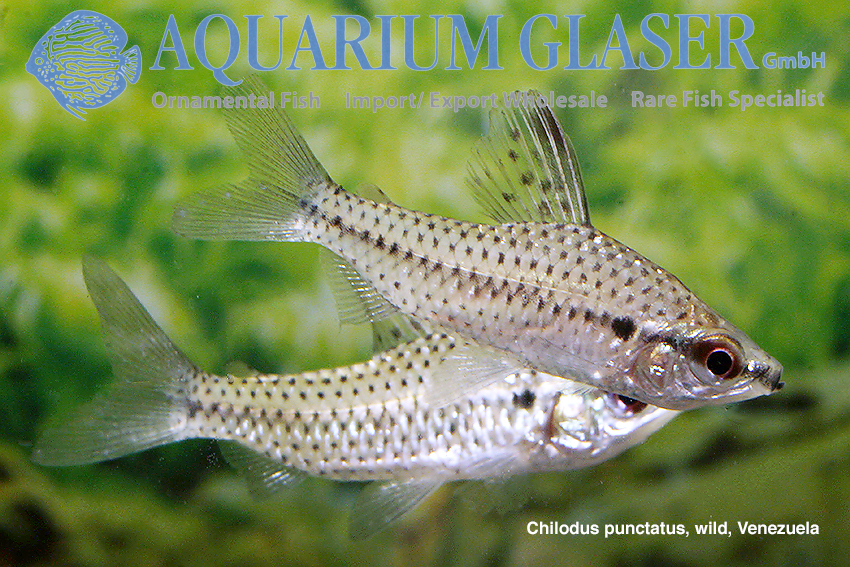
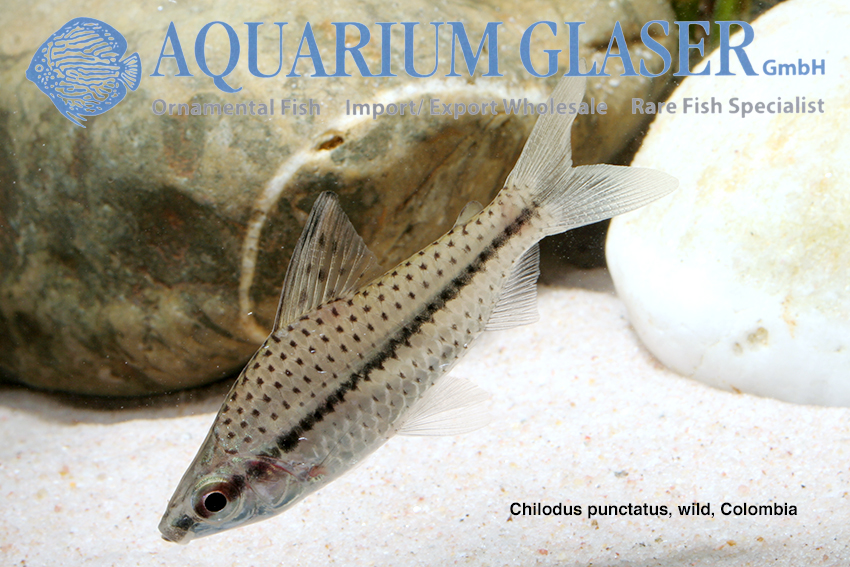
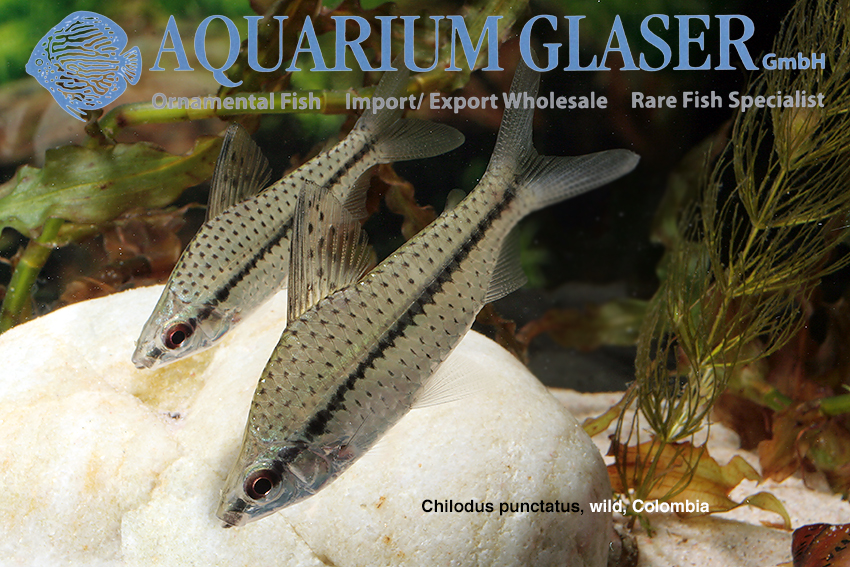
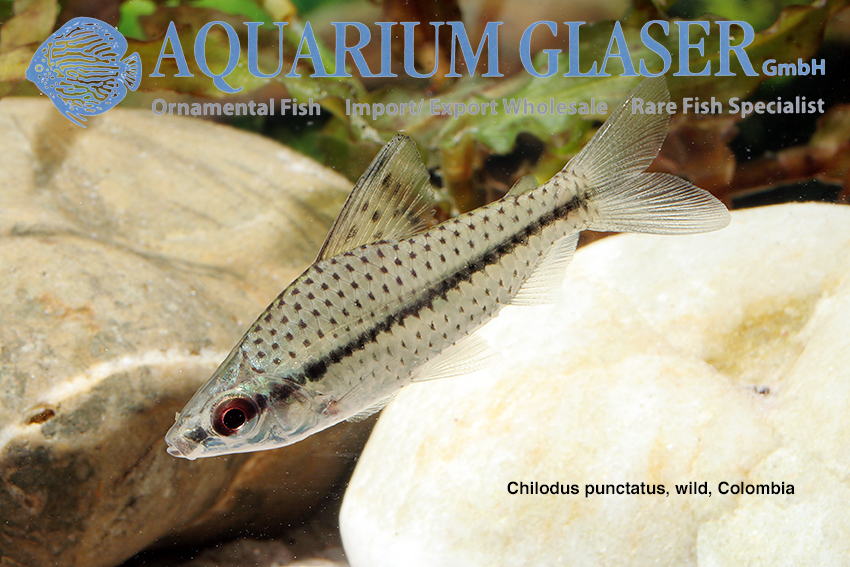
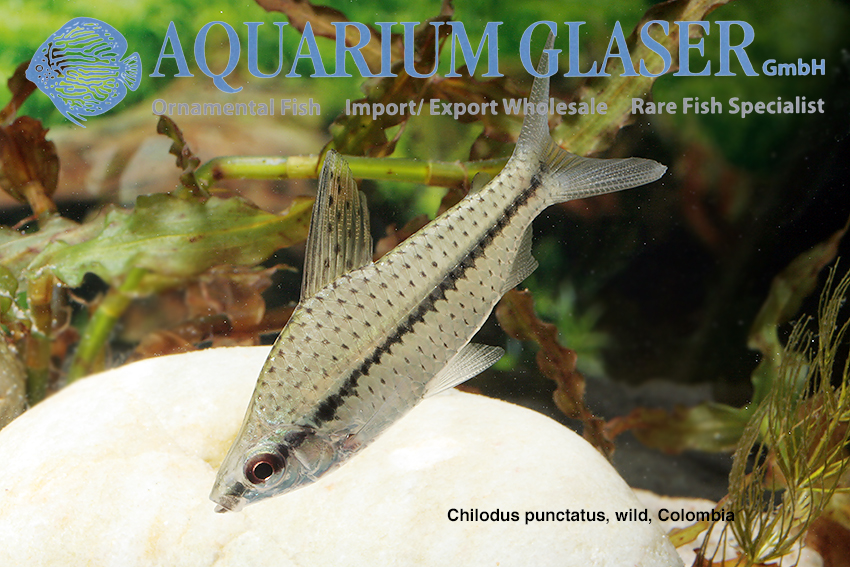
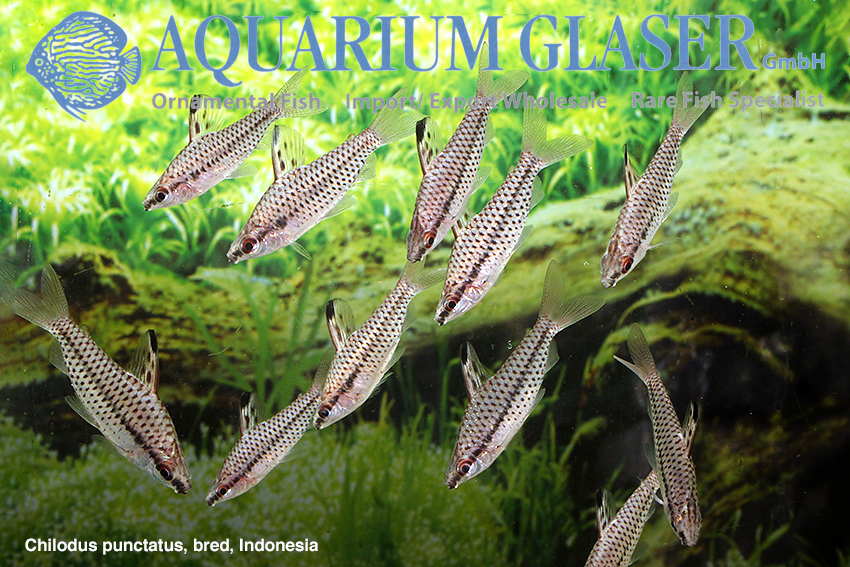
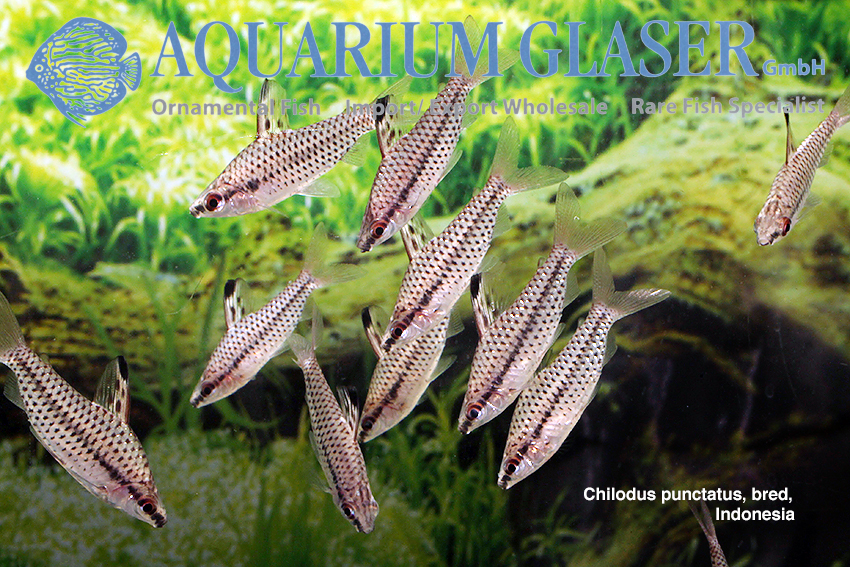
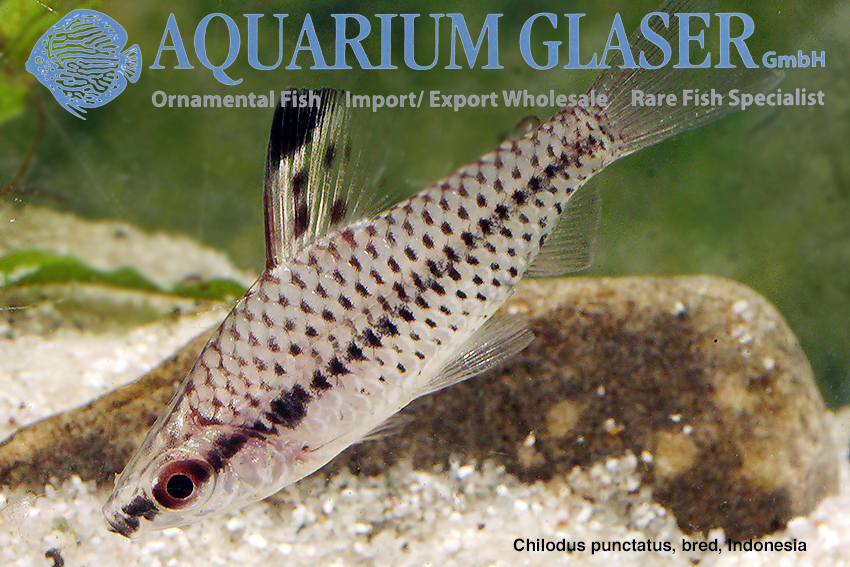
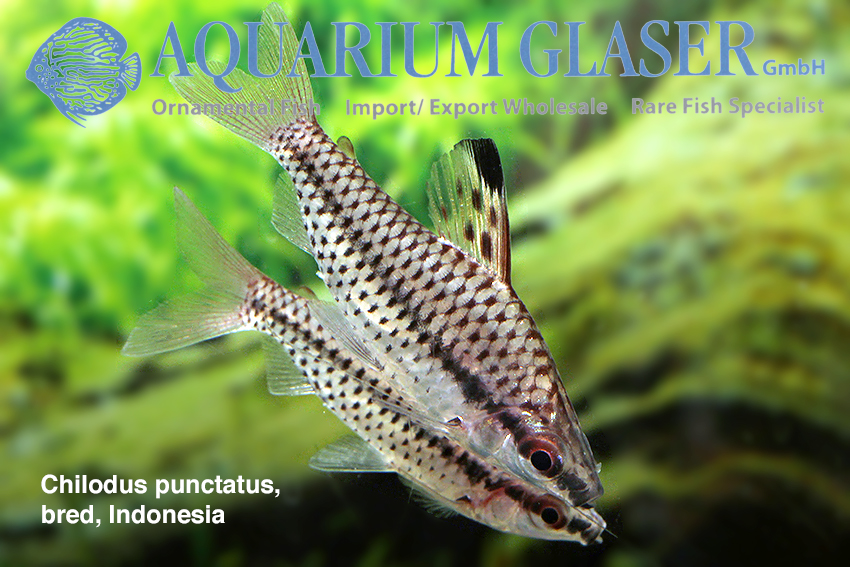
Judging by its name, Chilodus punctatus, the spotted head-stander, is the most common species in the hobby. In reality, however, it was seen only quite rarely, at least in the past. Chilodus gracilis, on the other hand, was much more common in the trade, and although the species was not formally described scientifically until 1988, many illustrations in specialized aquarium publications prior to 1950 depict this species. Chilodus gracilis differs from C. punctatus in that it always has a black longitudinal band—it cannot conceal it. This longitudinal band is also relatively wide.
Currently, there are no imports of Chilodus from most parts of South America; instead, almost all fish in the trade are captive-bred specimens from Indonesia. Since these fish have a longitudinal band and can conceal it at least temporarily, they are referred to as Chilodus punctatus. In this post, we show a few wild-caught specimens from earlier years to demonstrate how differently Chilodus can look depending on their mood.
All Chilodus species grow to 8–10 cm in length and should be kept in a school of at least 10–15 fish; otherwise, they tend to be aggressive. Plants are usually nibbled on. You can prevent this somewhat by using only very hard plants (such as Anubias, etc.) and feeding plenty of greens. Blanched land plants like dandelions work best for this. Blanching makes the leaves more tender. You can also freeze them before feeding, which has a similar effect. In addition, you should use plant-based flake food and chips made for L-catfish. The Chilodus’s mouth is made for nibbling; such chips keep the fish occupied and help ensure they don’t get up to mischief by acting on their urge to nibble at the fins of tankmates.
The chemical composition of the water is not critical for keeping Chilodus within the normal parameters for ornamental fish; in nature, the water in their habitats is soft and acidic. The water temperature can range between 22 and 28°C. Chilodus are free-spawning fish that do not care for their young. Males are smaller and slimmer; no other sexual dimorphism is known.
For our customers: The captive-bred Chilodus have codes 217611 (2–3 cm) through 217614 (5–7 cm), wild one have codes 217601 through 217605 on our stock list. Please note that we supply exclusively to wholesalers.
Text & photos: Frank Schäfer
