








The Rio Uruguay, with a length of approximately 1,800 km, is a major river. Over long stretches, it forms the border between Brazil, Argentina, and Uruguay. In its lower course, it joins the Rio Paraná to form the Rio de la Plata. The Rio Uruguay’s drainage is therefore vast. The proportion of endemic fish species—that is, those found only there—is high. Pike cichlids, in particular, have developed a high level of species diversity in the Rio Uruguay and its tributaries. Some of these species are very young and often cannot be distinguished using genetic methods (DNA analysis), yet they look distinctly different. In such cases, they are referred to as species flocks. They all share a common ancestral form from which they diverged only relatively recently. Many of these young species can still interbreed productively with one another, at least in the first generation. Under certain circumstances, new species can arise from such crossbreeding. These are referred to as hybridogenic species. In the Rio Uruguay, the so-called Crenicichla missioneira species complex represents such a species flock. It comprises eight species that are less than about 2 million years old. One of them is Crenicichla tendybaguassu, which immediately catches the eye because of its swollen lips. The species of the Crenicichla missioneira species complex are still classified in the genus Crenicichla, but in a subgenus: Lacustria.
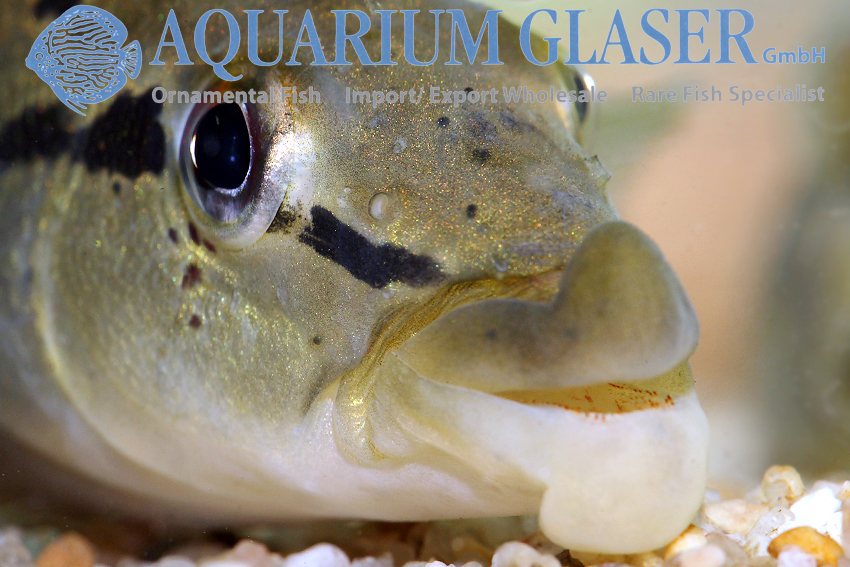
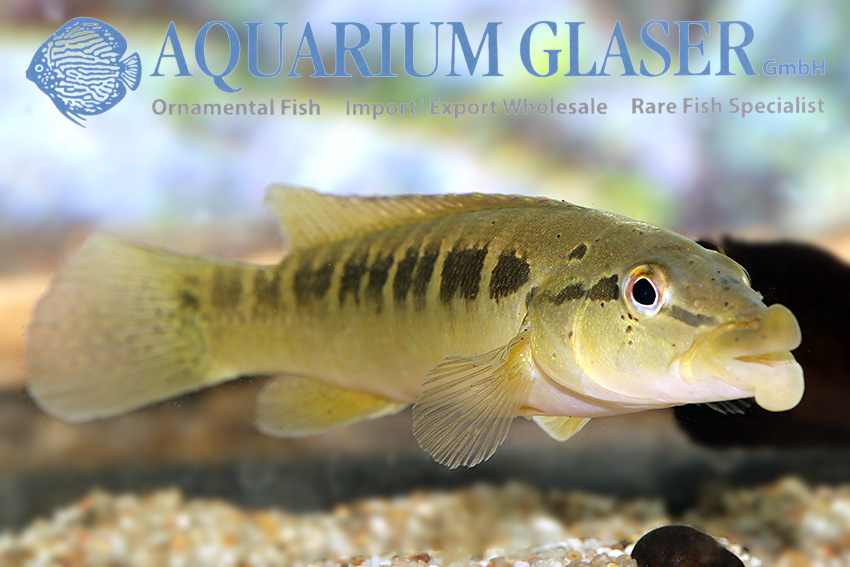
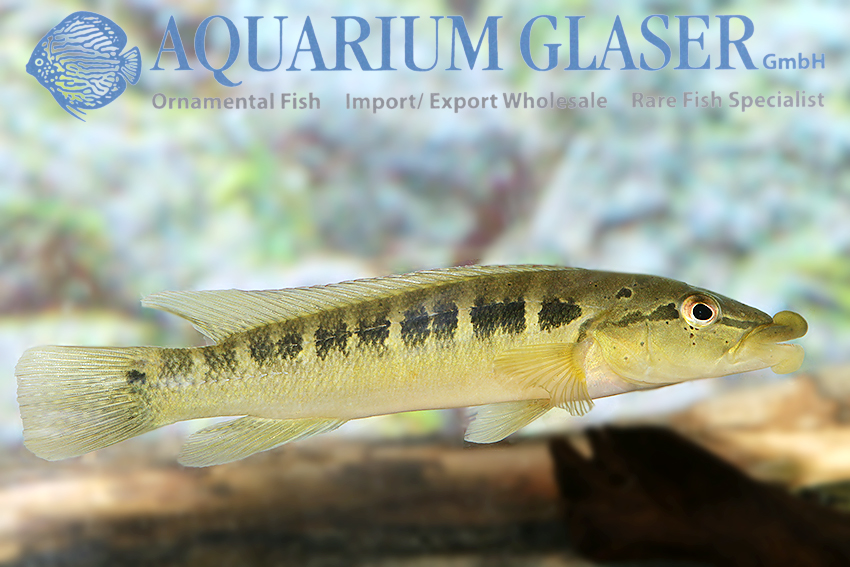
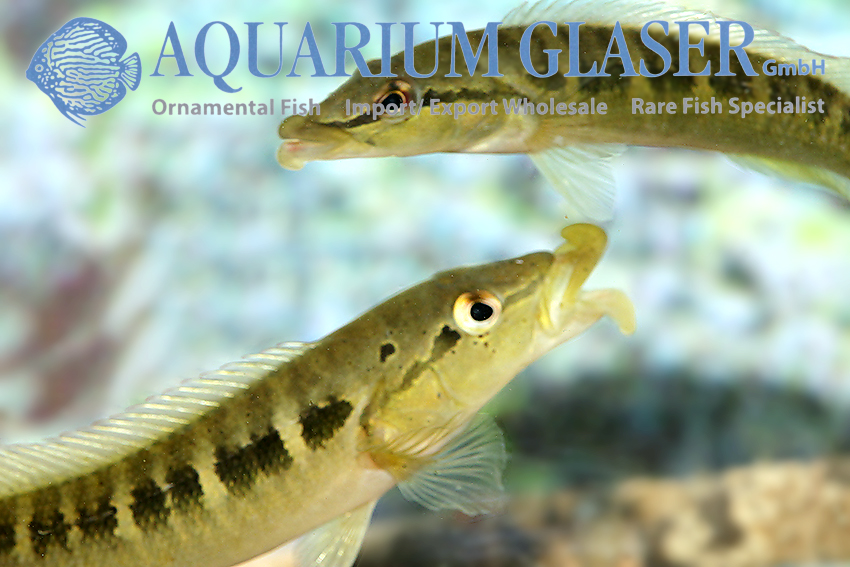
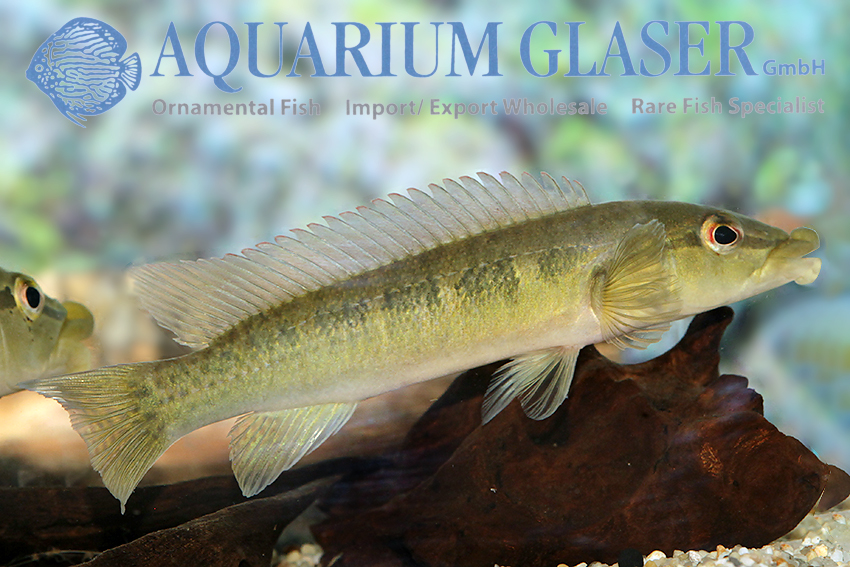
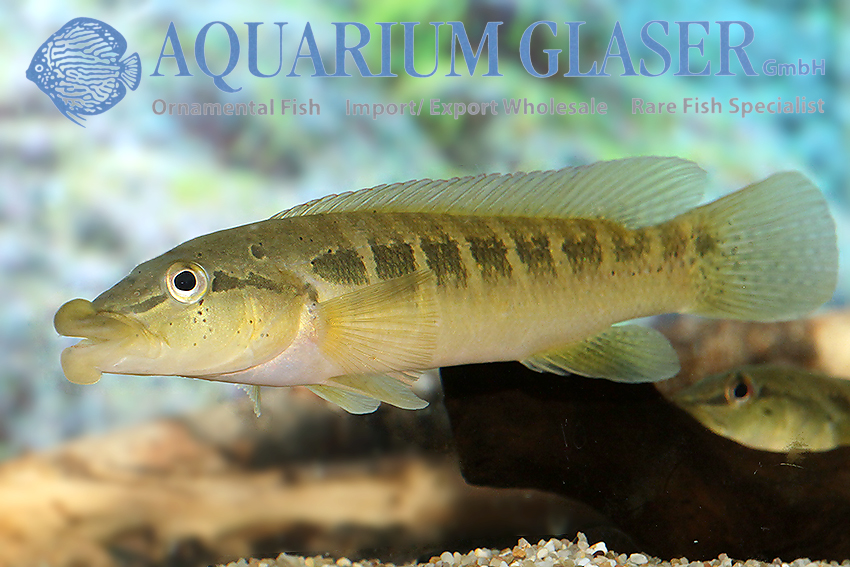
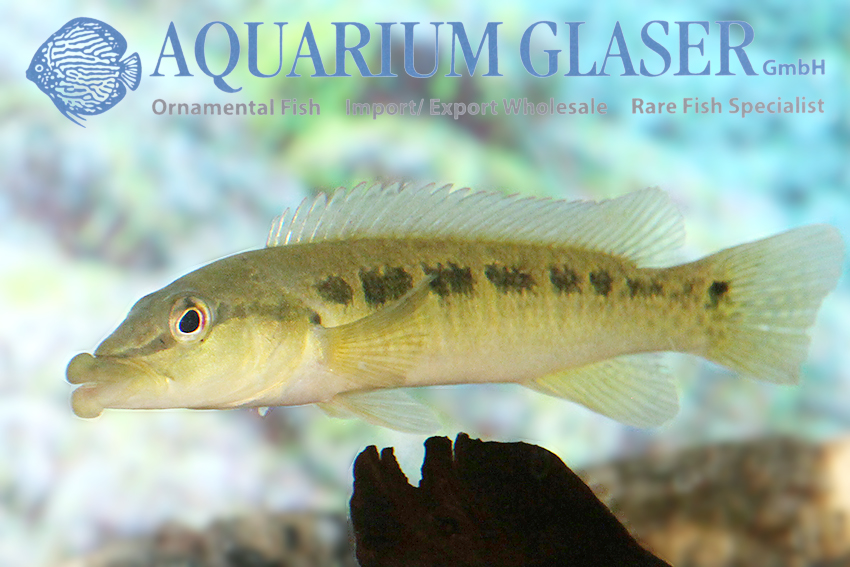
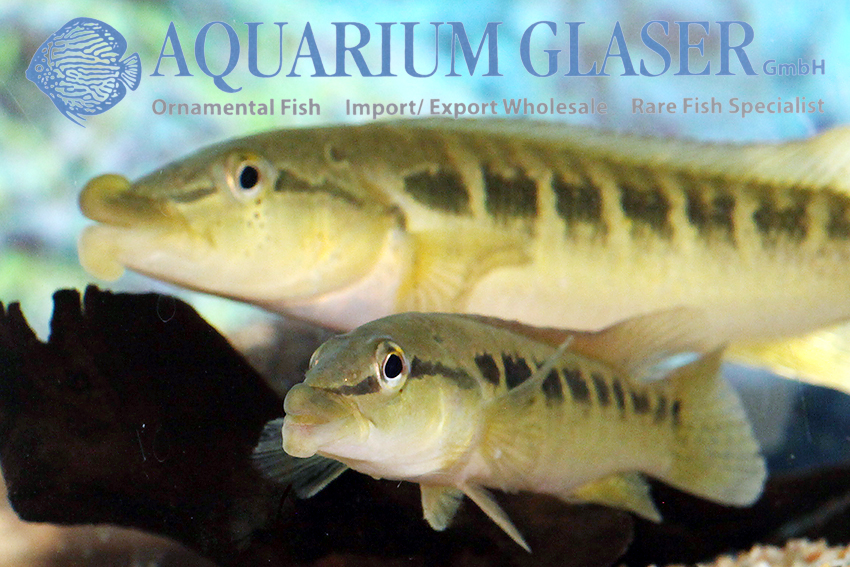
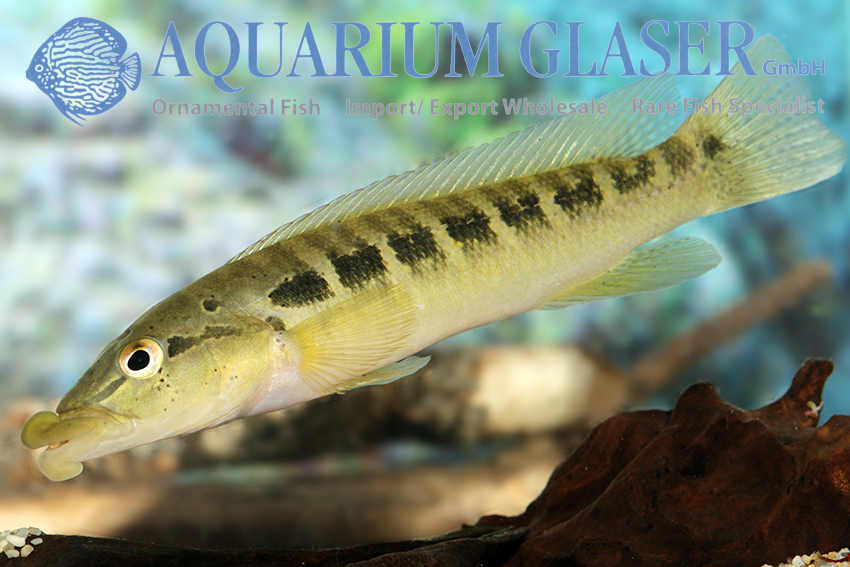
The strange, swollen lips of Crenicichla tendybaguassu naturally raise the question of what purpose they serve. The phenomenon of swollen lips occurs in various ways among cichlids (Cichlidae), even in species that are not closely related to one another. For example, Lobochilotes labiatus lives in Lake Tanganyika, and Lake Malawi is home to several species with swollen lips, of which Cheilochromis euchilus is the best known. In Lake Victoria, it is Haplochromis chilotes, and in Lake Nicaragua in Central America, it is Amphilophus labiatus that develop such swollen lips. There is no truly convincing explanation for this phenomenon—only speculation. However, it is assumed that these are adaptations related to diet. Stomach analyses of Crenicichla tendybaguassu have shown that in the wild, this species primarily feeds on insect larvae. In the aquarium, the species likes to burrow in the substrate in search of food. Incidentally, there is a second species of thick-lipped cichlid: Crenicichla tuca from the Rio Iguazú.
Crenicichla tendybaguassu grows to about 20 cm in length, making it one of the medium-sized pike cichlids. It is an absolute rarity in the hobby. The sexes differ only slightly; males have more pronounced speckling on the soft parts of the dorsal and caudal fins, though this is barely noticeable in the relatively young specimens we were able to import (12–14 cm long). In the photographs of these animals, the male can be identified by the spots below its eye, which are absent in the female. C. tendybaguassu are reasonably compatible with one another, but you have to keep a close eye on them. The pair in the photo aquarium swam together quite well at first, but the male would occasionally get “frenzied” and shove the female through the tank with his mouth wide open. Although no injuries occurred, we didn’t dare leave the two together overnight without supervision…
For our customers: This species has code 673544 on our stock list. Please note that we supply exclusively to wholesalers.
Text & photos: Frank Schäfer
