








The redtail black shark, Epalzeorhynchos bicolor, has been one of the most popular aquarium fish for decades. Its color combination—a jet-black body with a fiery red caudal fin—makes it irresistible to many aquarists. Experienced aquarists often say: “Everyone must have fallen for this fish at least once.” That sounds rather negative. Why is that?
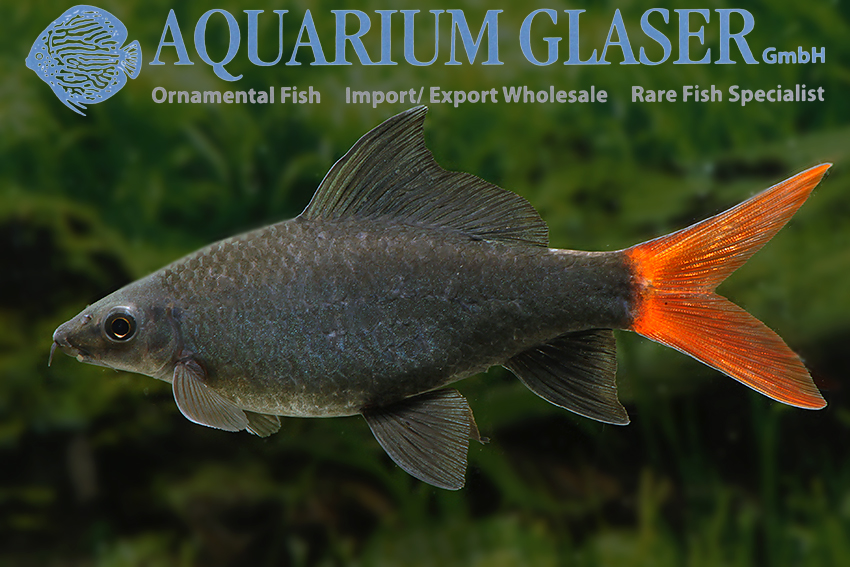
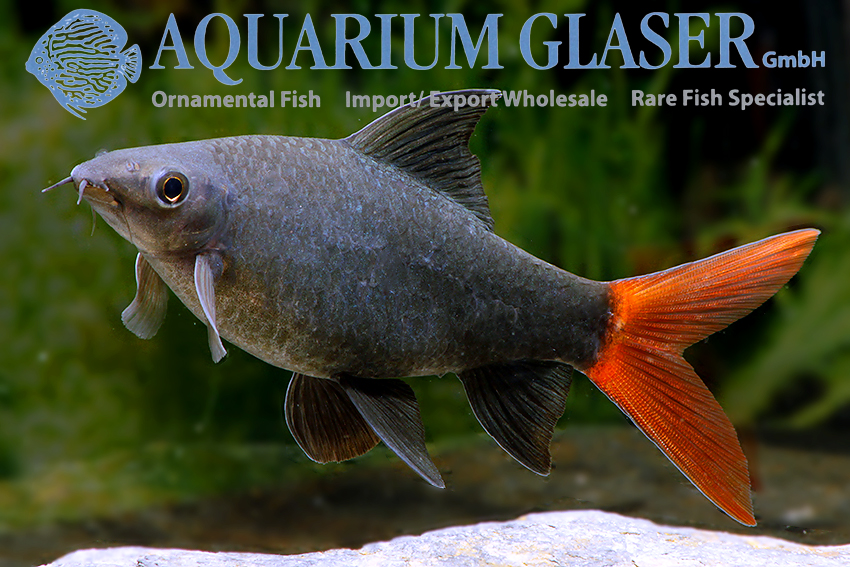
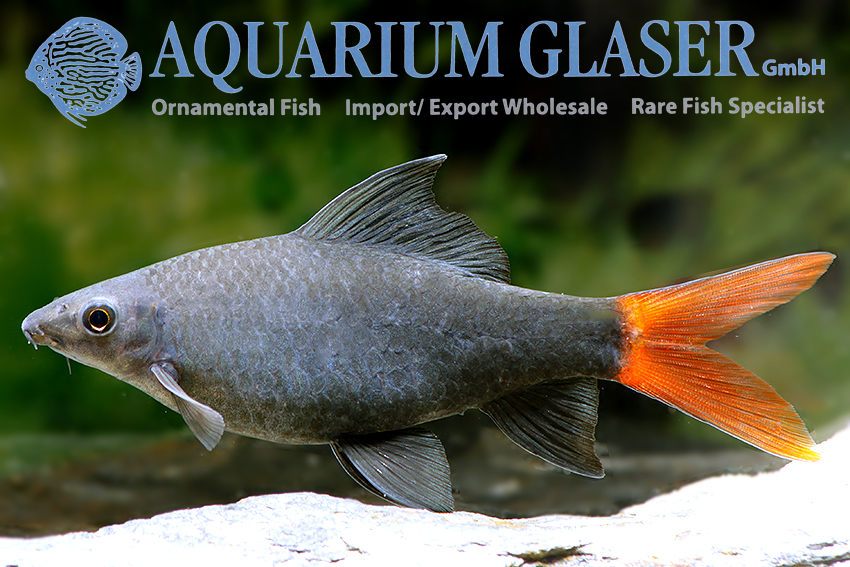
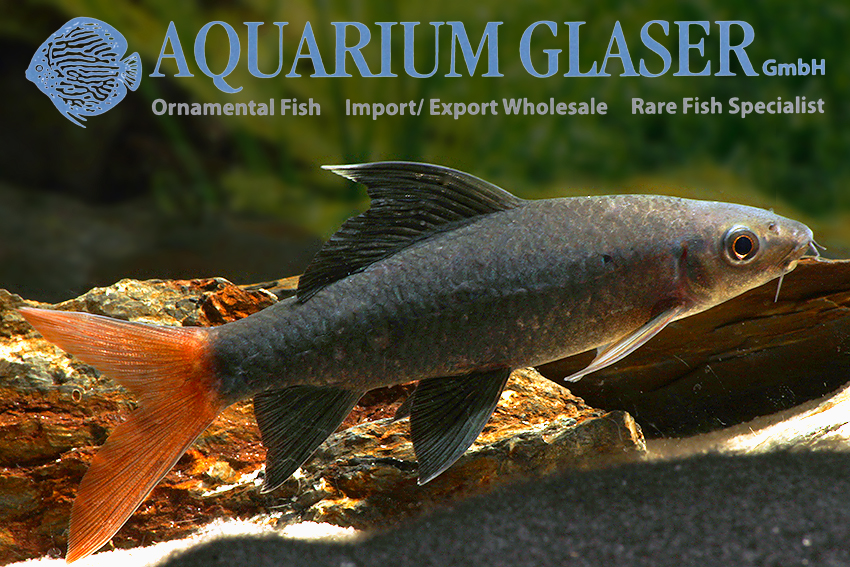
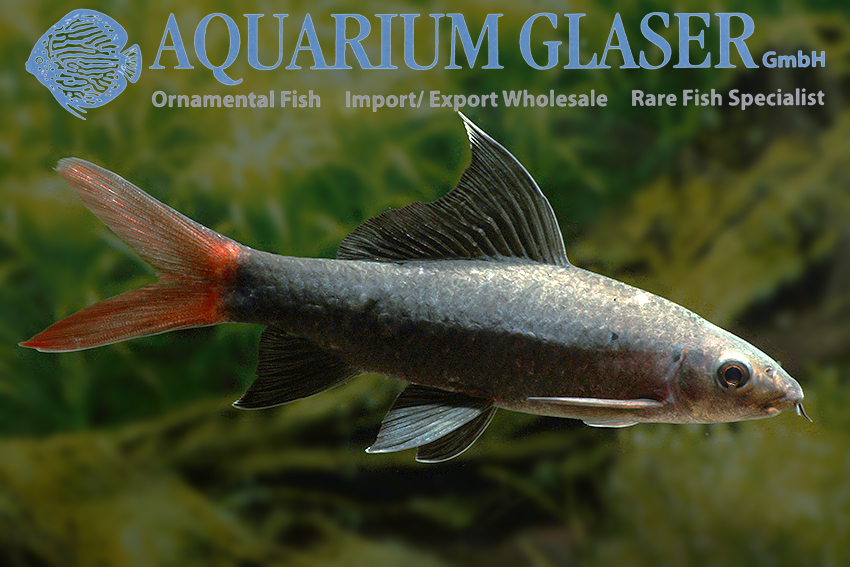
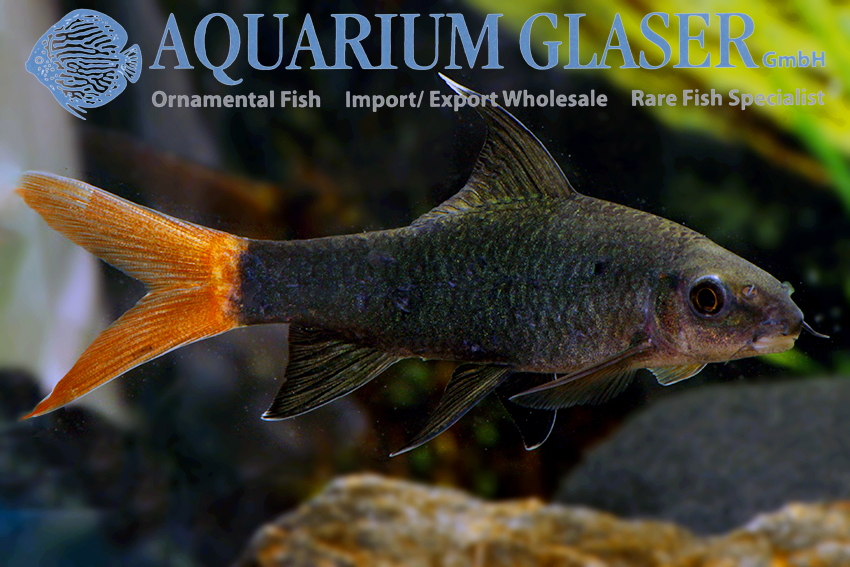
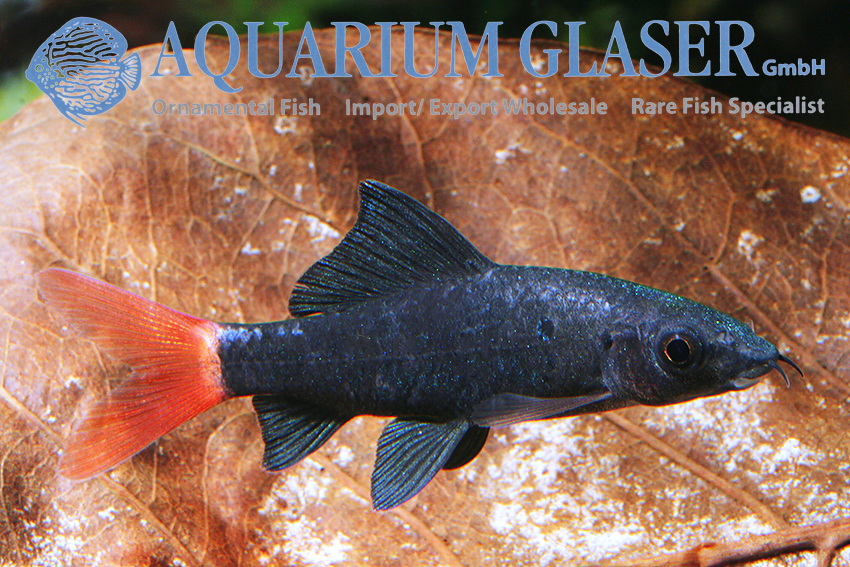
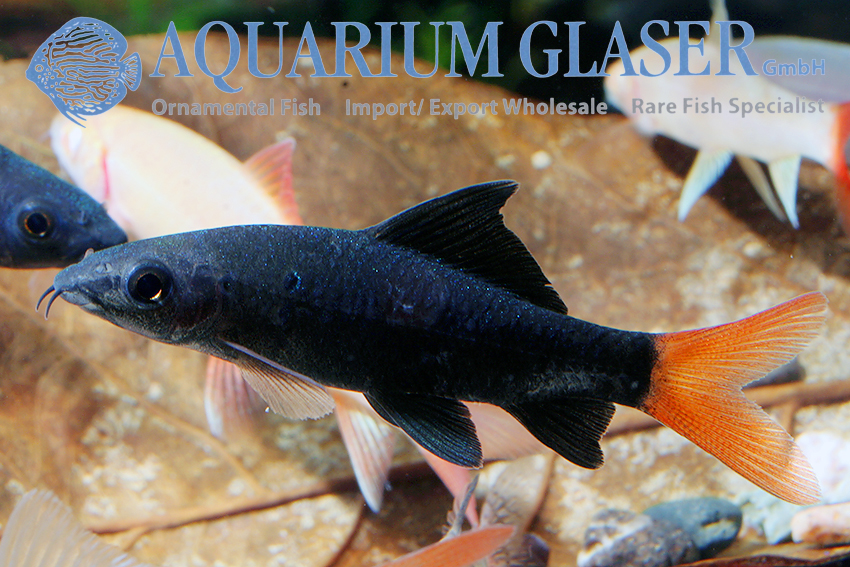
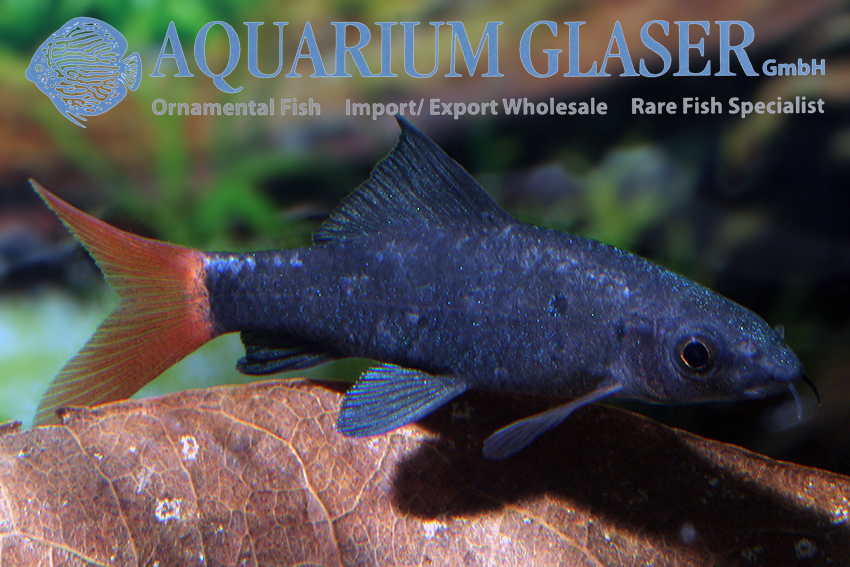
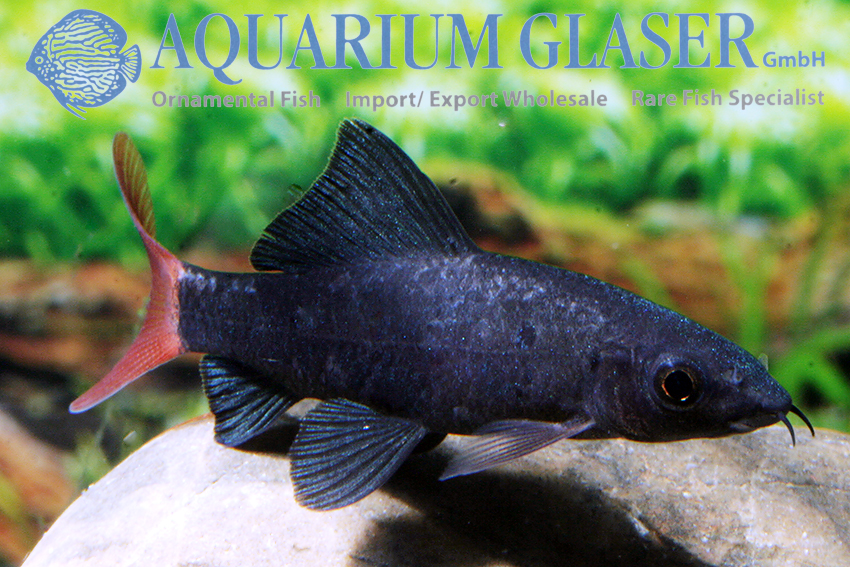
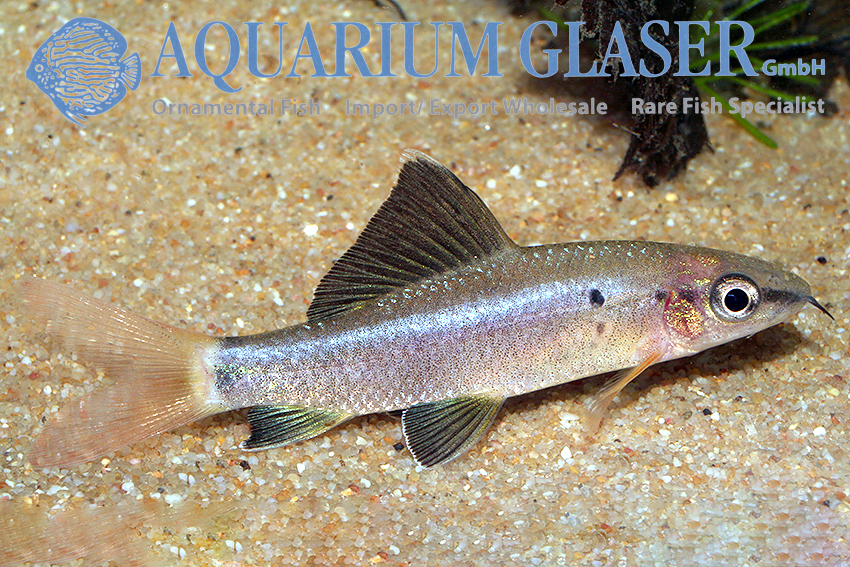
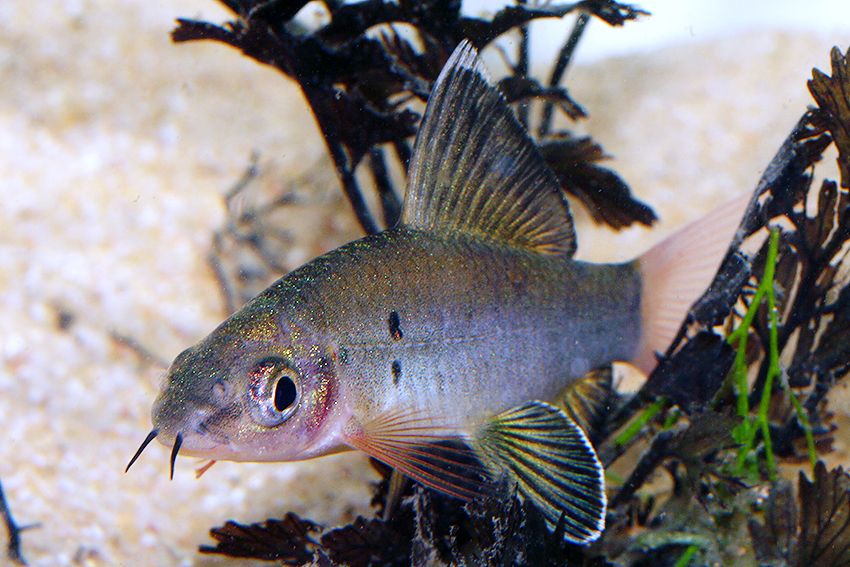
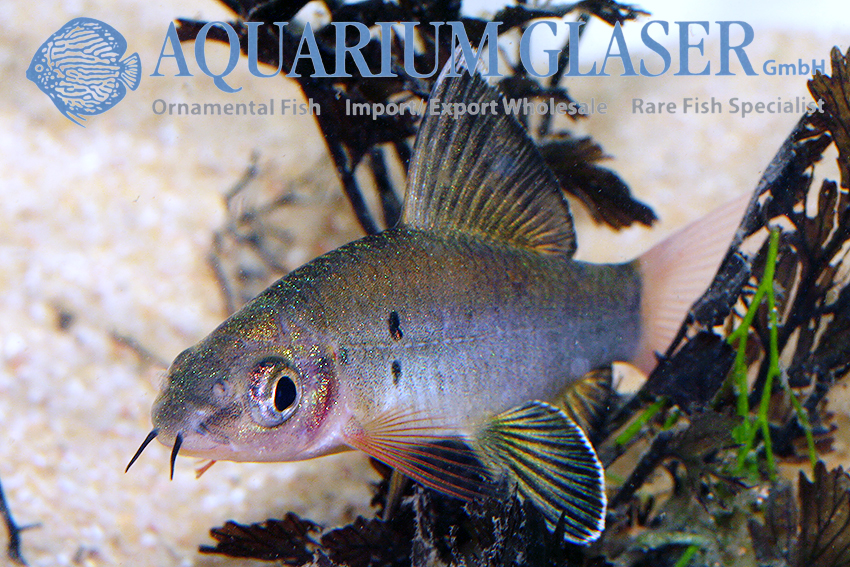
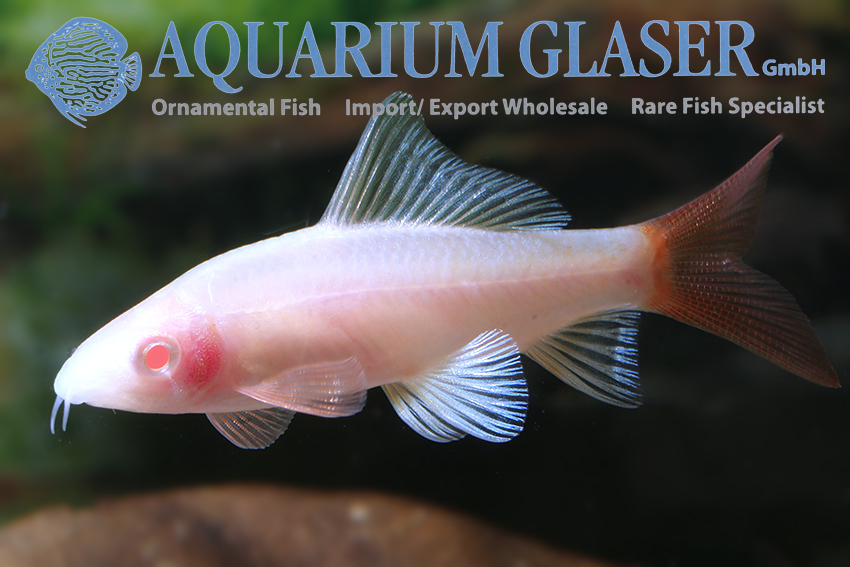
Well, although this fish—which grows to a maximum length of 12–13 cm—belongs to the carp family from a systematic point of view, its behavior is that of a cichlid. More specifically: a Tropheus cichlid from Lake Tanganyika. The care requirements of the redtail black shark, which was once native to Thailand (it is considered extinct in the wild due to dam construction that prevents spawning migration), actually correspond to those of Tropheus. They are aufwuchs feeders that require plenty of space and establish a strict hierarchy among themselves. If you keep a single redtail black shark in a standard-sized aquarium, you will very often find that this fish becomes a tyrant over the entire tank population. But in this case, the fault lies with the aquarist, not the fish. The fish is simply following its instincts. The problem is: quite often, this method of keeping them actually works well! This is likely because the redtail black shark has been available only as captive-bred stock for at least 40 years. Captive-bred fish are much more peaceful than their wild cousins because, over time, only the most compatible individuals are selected for breeding. Without the constant demand from the aquarium trade, the redtail black shark would already be on the list of extinct species.
Nevertheless, Epalzeorhynchos bicolor should be kept in aquariums with a tank length of at least 150 cm. They should be kept in groups of at least 15, preferably more. Delicate, stress-sensitive fish species are unsuitable as tank mates for redtail black sharks. As with Tropheus cichlids, it can happen that individuals are bullied despite proper care. If the keeper does not intervene, this can be fatal for the bullied fish.
Water parameters are not critical for keeping redtail black sharks. Any tap water is suitable. The pH can range from 6 to slightly above 8. Water temperatures between 22 and 28°C are most favorable. They will eat any standard ornamental fish food, but flake food, food tablets, and fine frozen food (Cyclops, Bosmids, etc.) are best suited. It is very important to keep the fish in an aquarium with a well-structured environment featuring rock formations, driftwood, plants, etc. Fully grown specimens allow for easy sexing. Females have a noticeably fuller abdomen, and males have a prolonged dorsal fin. They are free-spawning fish that do not care for their brood. Properly cared-for redtail black sharks are magnificent fish that never fail to delight even the most discerning eyes.
For our customers: Depending on their size, the animals have codes ranging from 422301 (2–3 cm) to 422306 (8–10 cm) for Asian-bred specimens, and from 422331 (2–3 cm) to 422334 (6–7 cm) for European-bred animals, 422400 (2–3 cm) to 422404 (6–7 cm) for albino-bred animals from Asia, and 422412 (4–5 cm) for albino-bred animals from Europe on our stock list. Please note that we supply exclusively to wholesale customers.
Text & photos: Frank Schäfer
