








Killifish are the most colorful fish in the world. The reason they are still relatively rare in aquariums is that they are considered complicated, short-lived fish best suited for specialists. While this is true for some species, it is not at all the case for others. They are no more difficult to care for and are just as long-lived as platies, for example. One such species is the Blue Lyretail Fundulopanchax gardneri.
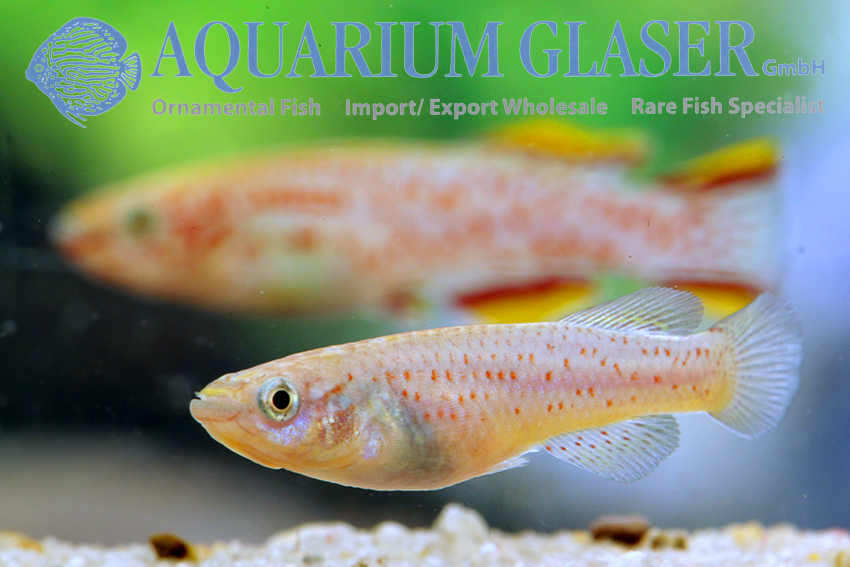
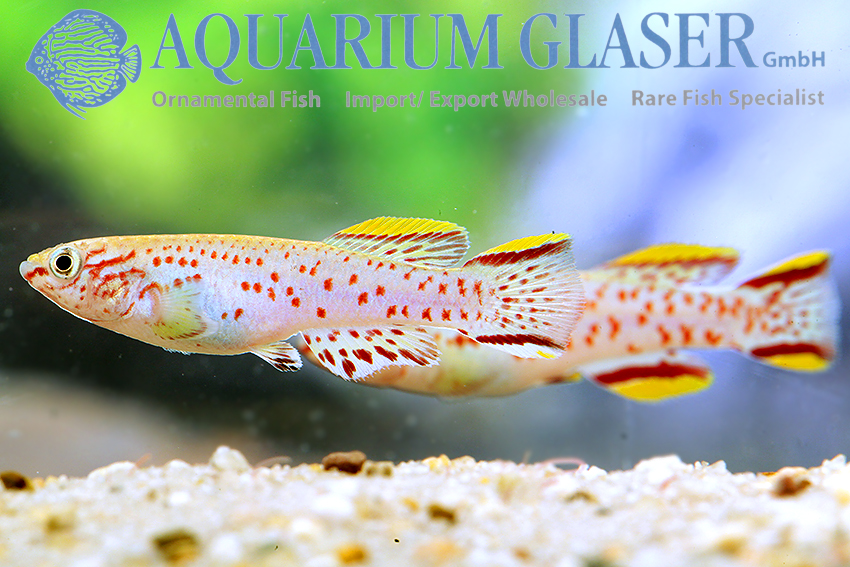
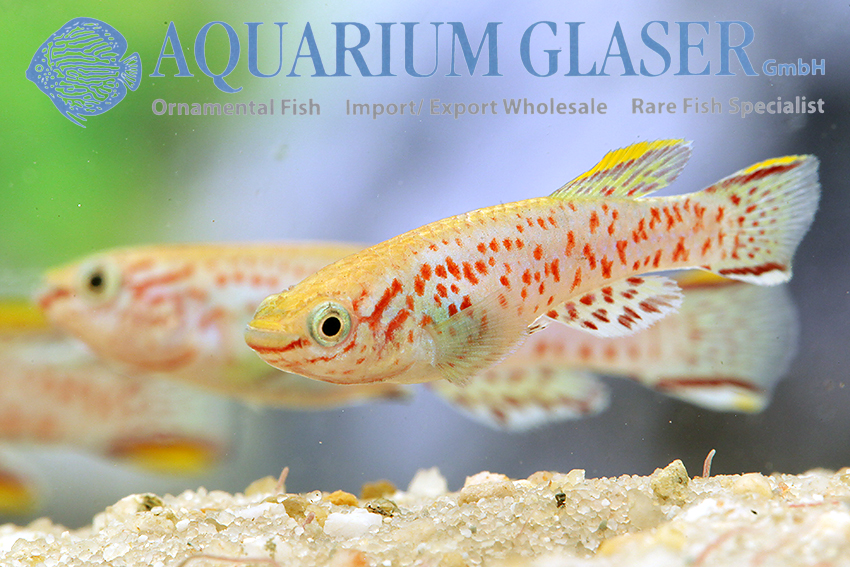
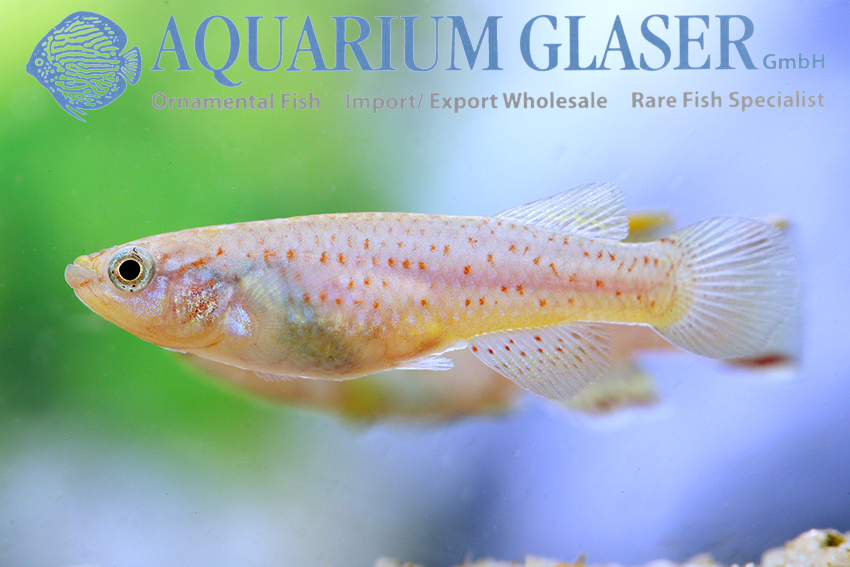
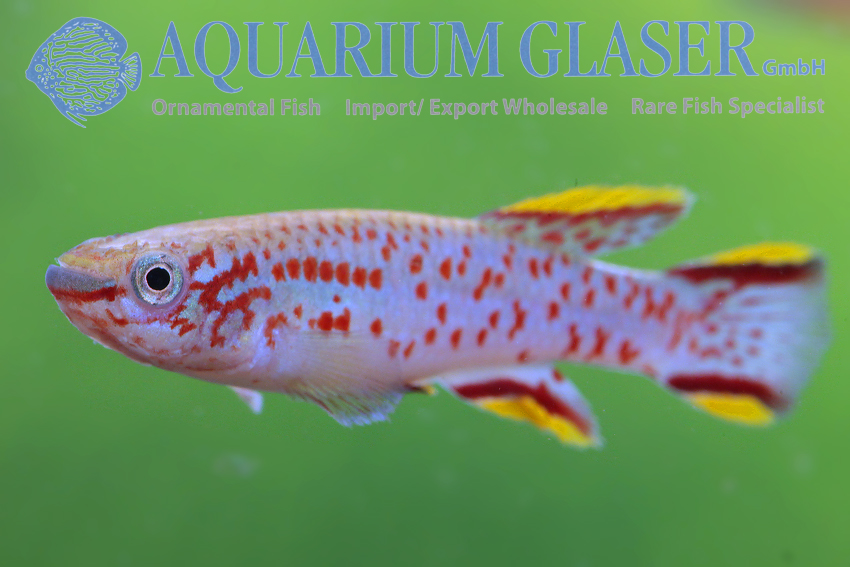
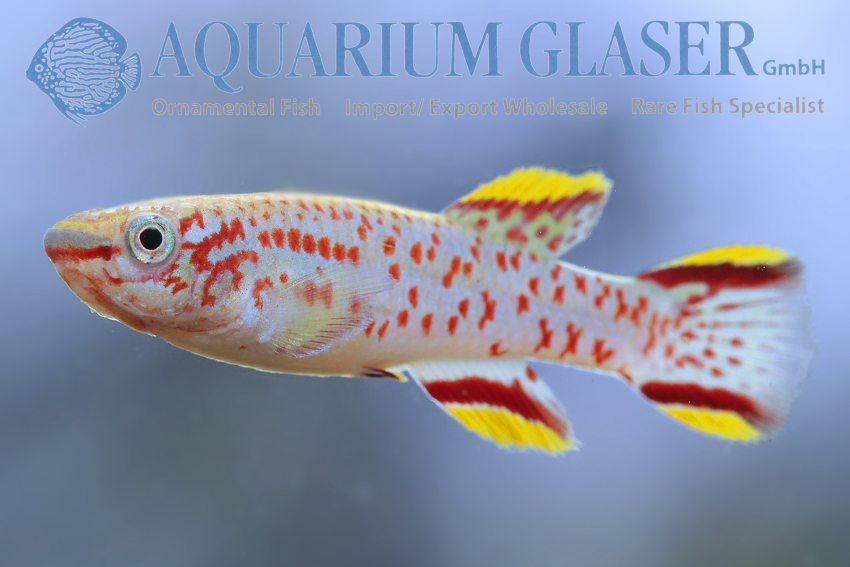
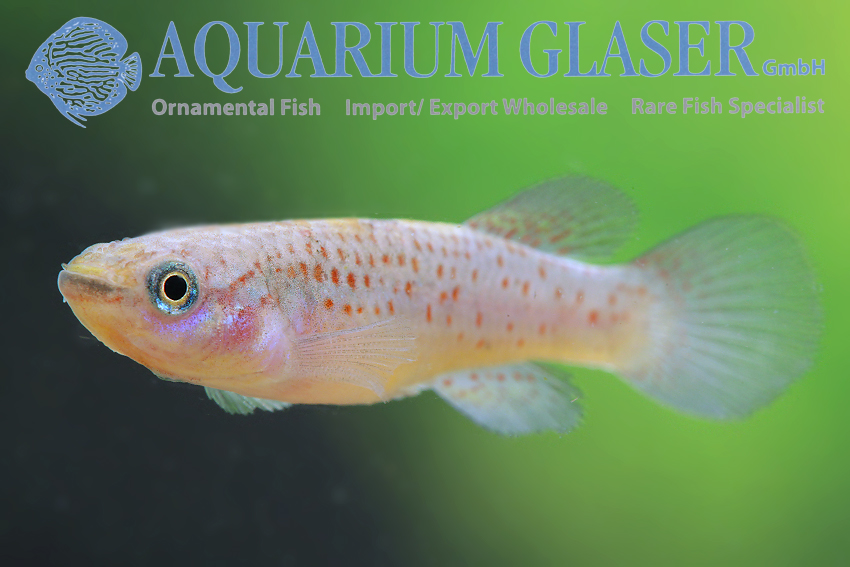
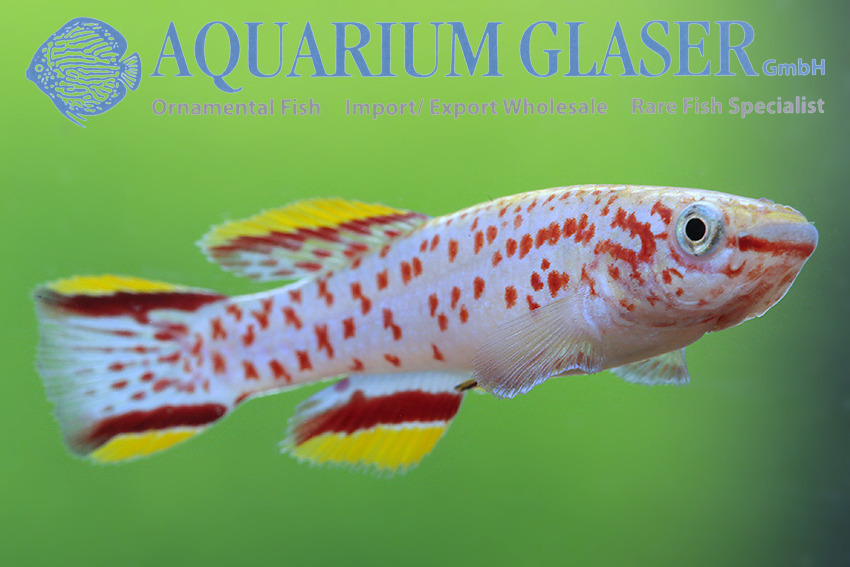
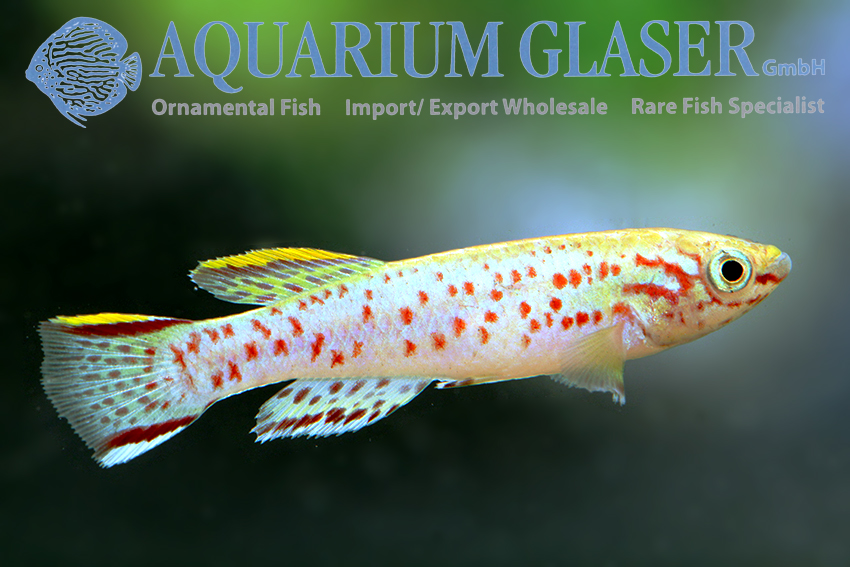
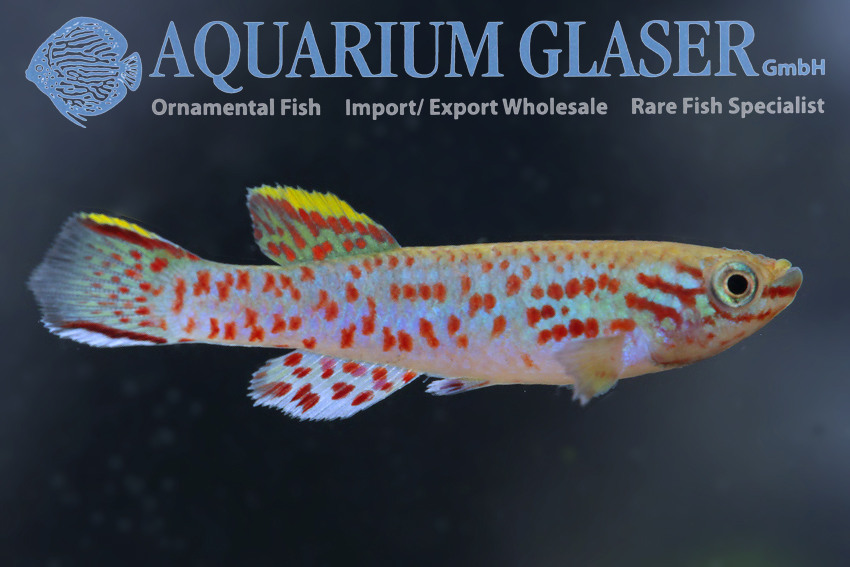
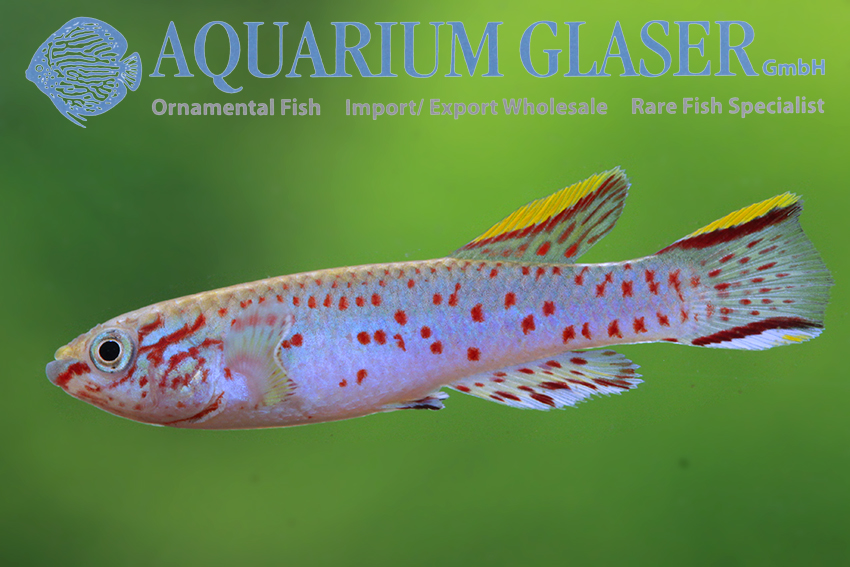
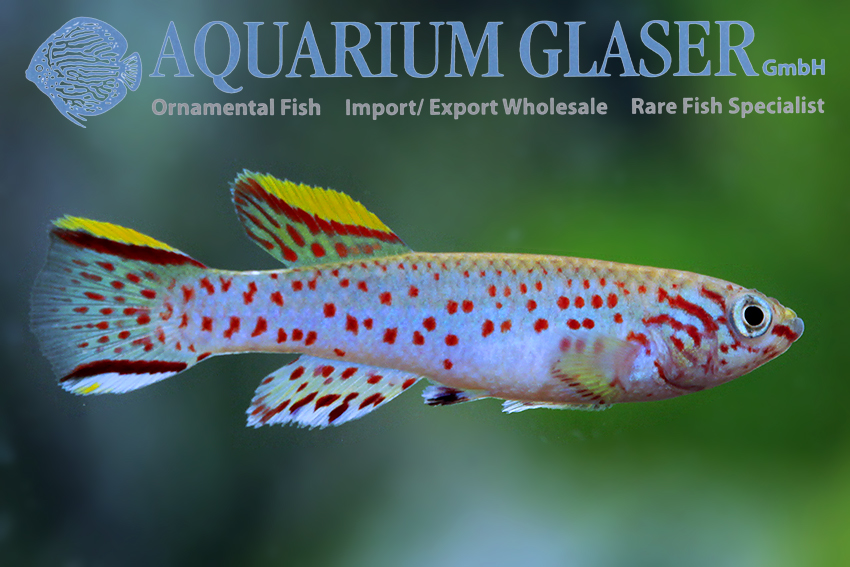
The species is native to West Africa (Cameroon and Nigeria) but has been continuously bred since the late 1950s. They are best enjoyed in a “killifish community tank,” where various species of sociable killifish are combined. Species that do well with F. gardneri include, for example, Cape Lopez Lyretail (Aphyosemion australe), A. striatum, Chromaphyosemion species, and Epiplatys dageti, to name just a few.
The aquarium should have fine sand as its substrate. Dense planting and floating plants provide cover for the fish and create a beautiful contrast with their magnificent colors. Add a few handfuls of dead leaves (beech, oak, water almond, etc.) to the substrate. Filtration should be not strong. It’s best to feed small amounts several times a day (e.g., using automatic feeders). The species mentioned will eat any commercially available ornamental fish food of the appropriate size. And these fish are energy-efficient, too, as they thrive best at room temperature (18–22°C). You should still provide a heater, however, because occasionally—such as for breeding or when introducing new fish—you may want to raise the temperature to 24–26°C.
Maximum size: approx. 6 cm; Temperature: 18–22°C, 24–26°C for breeding; pH and hardness: not important for general care (tap water), soft and acidic for breeding; Diet: Omnivorous; Social behavior: Group fish; males engage in harmless rivalry with one another.
For our customers: These fish are listed under code 308402 on our stock list. Please note that we supply exclusively to wholesale customers.
Text & photos: Frank Schäfer
