








The so-called silver hatchet, Gasteropelecus sternicla, is found throughout virtually the entire tropical region of South America. Different genetic lines have likely developed across this vast range. In any case, it is extremely unlikely that this is not the case. Nevertheless, they look remarkably similar everywhere: they are, quite simply, evolutionary success stories! The maximum length of this species is about 6–7 cm.
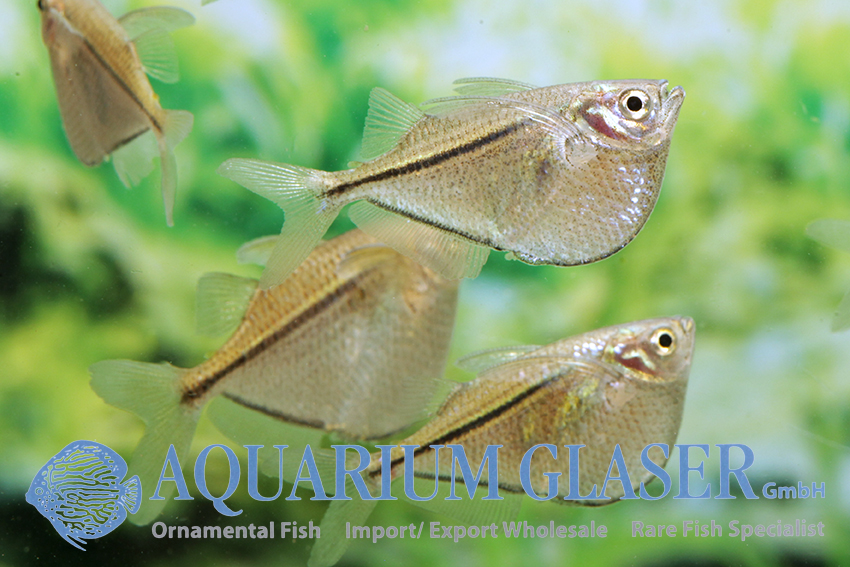
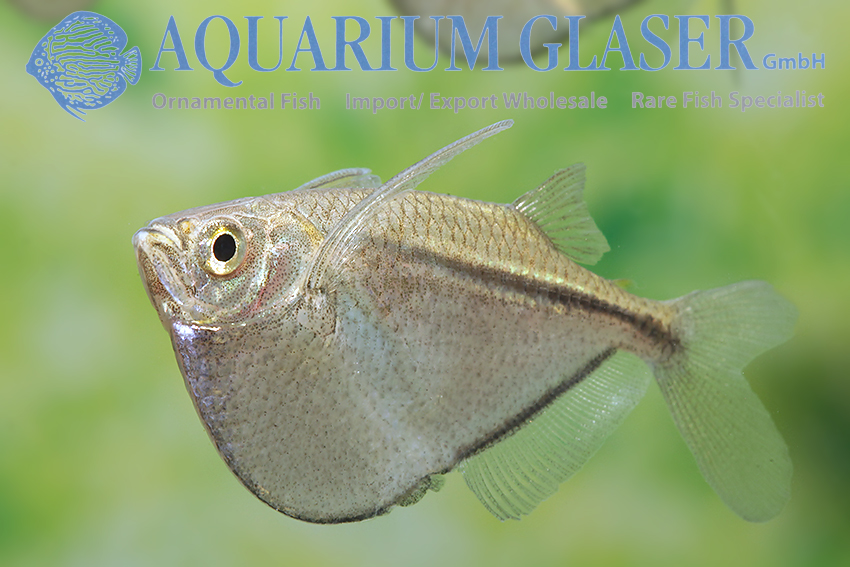
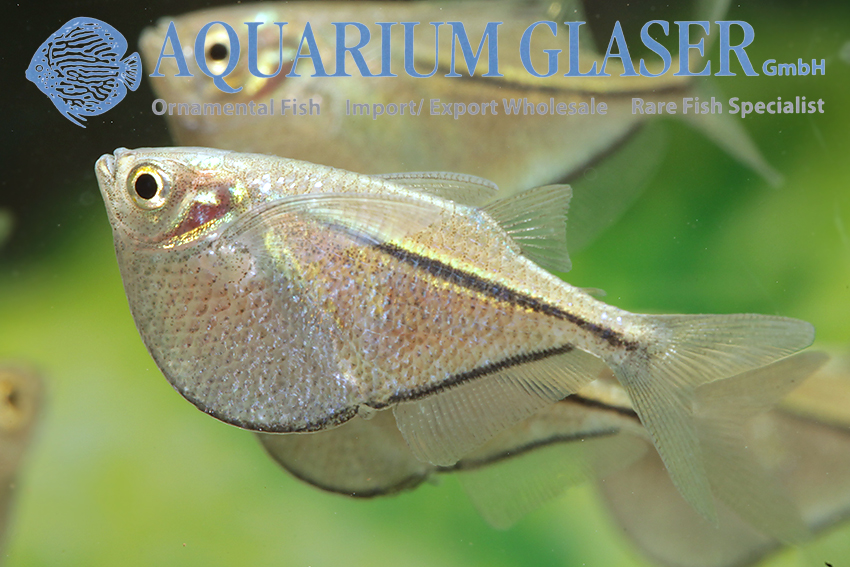
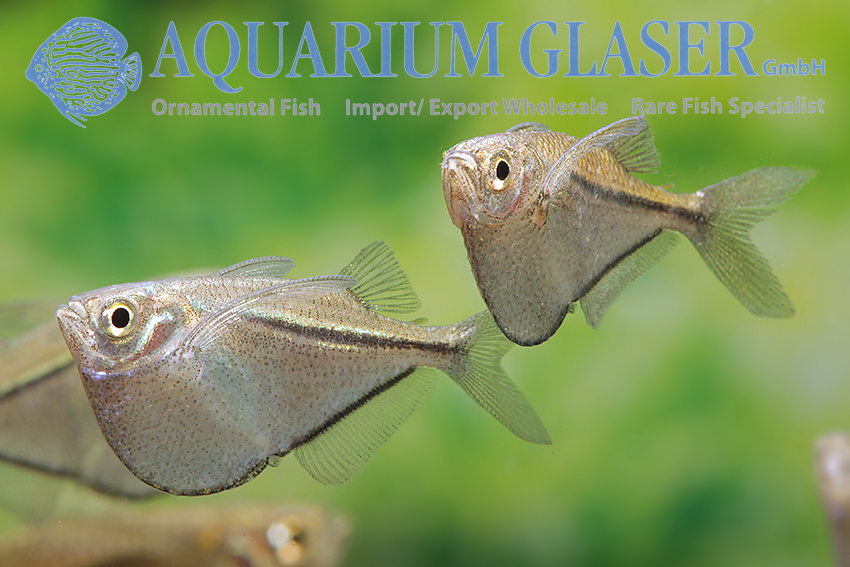
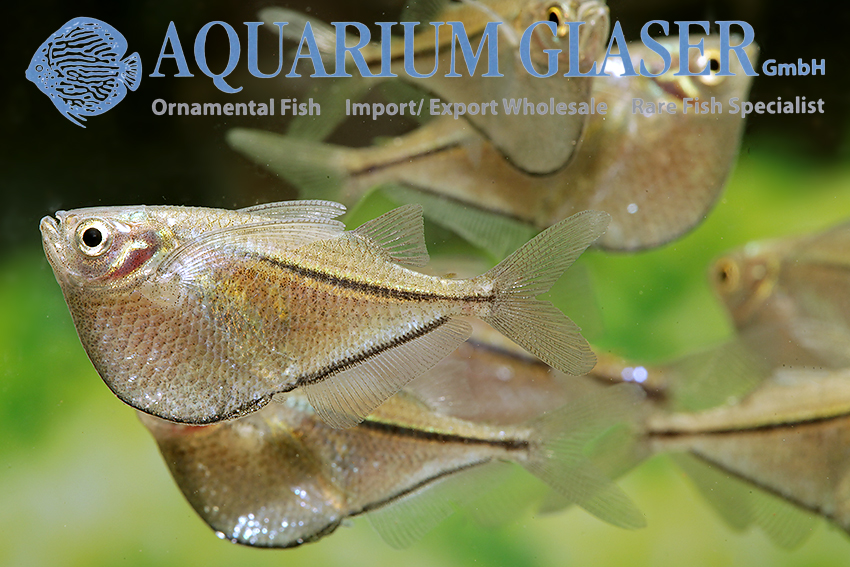
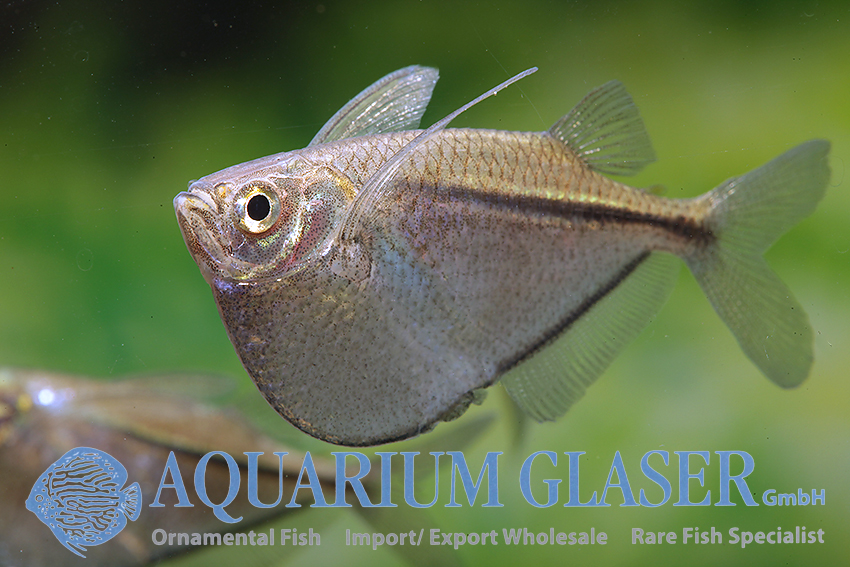
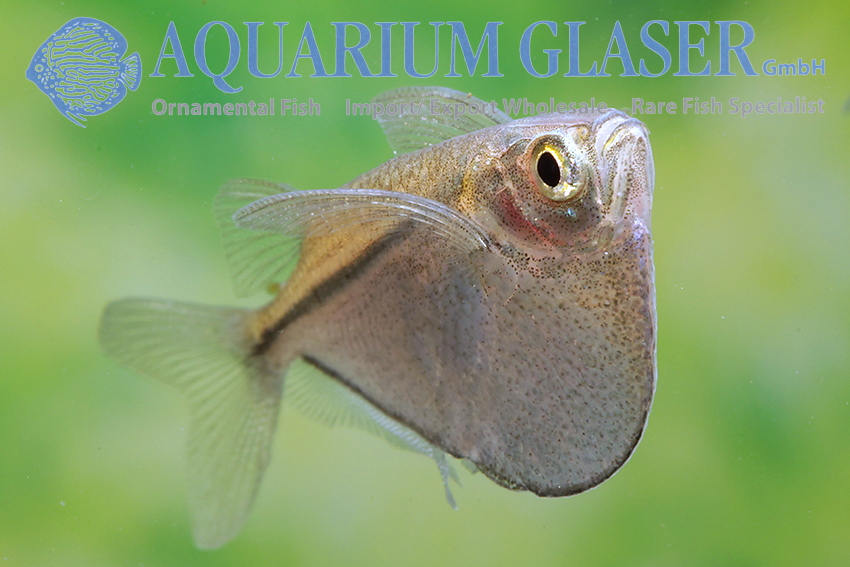
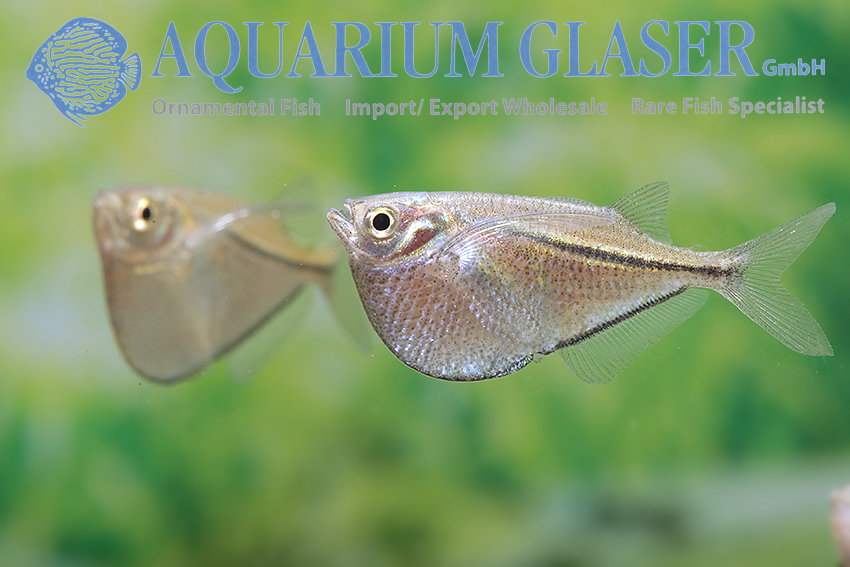
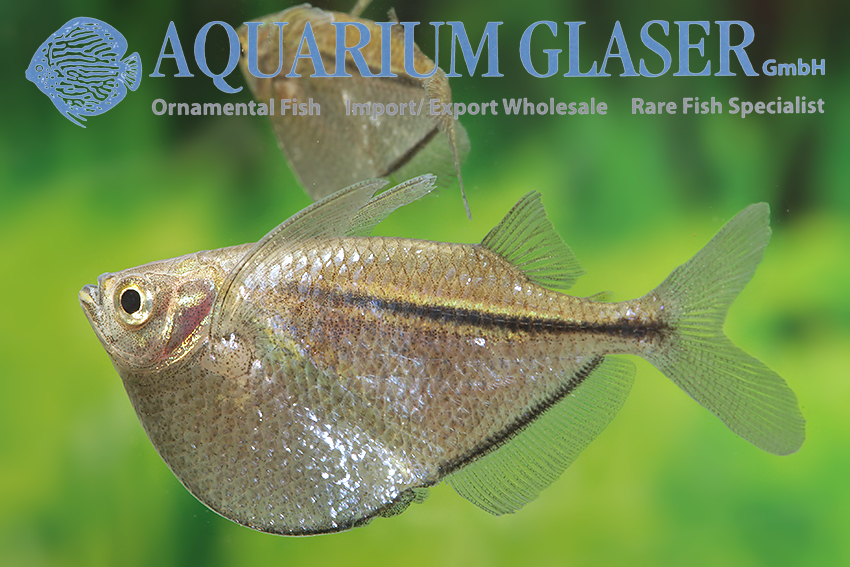
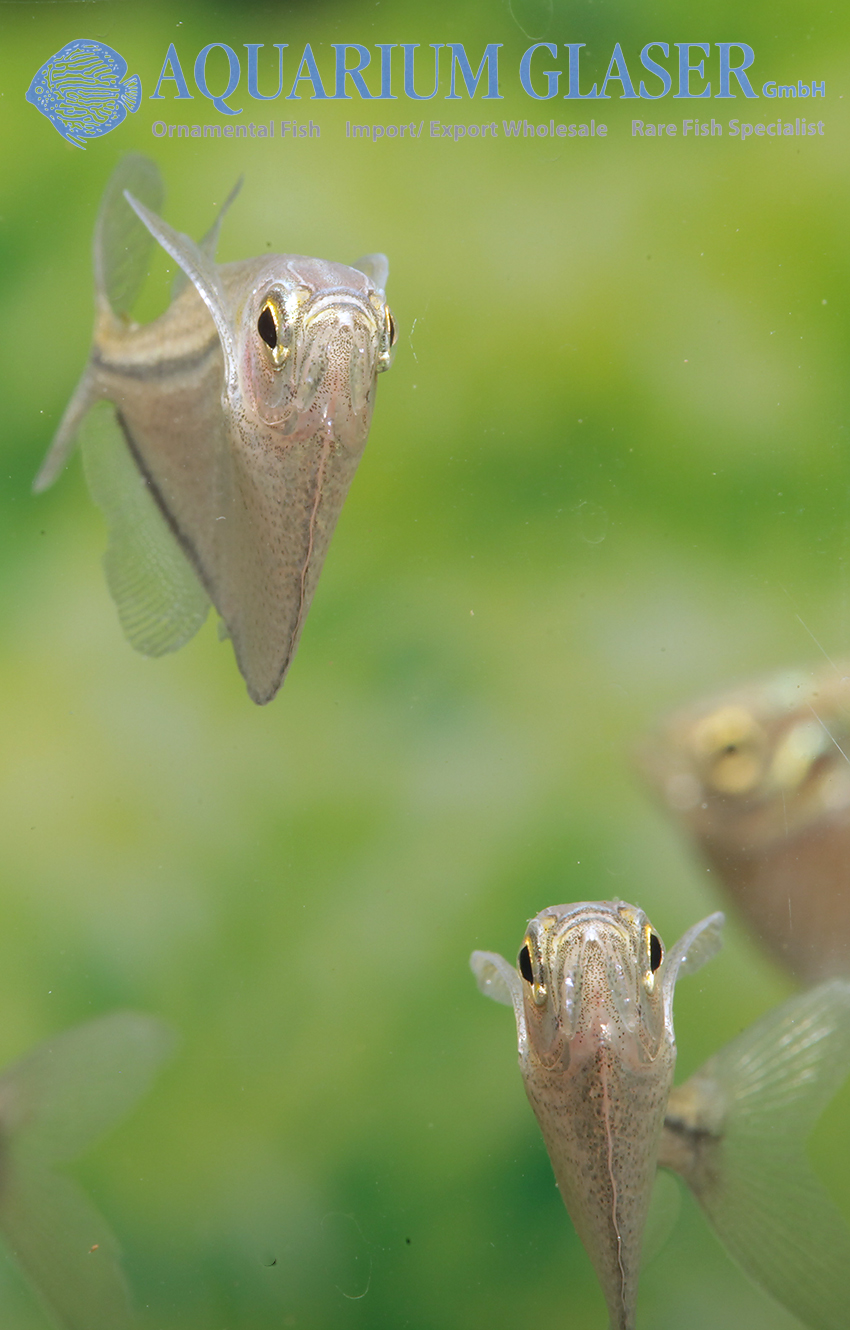
The photos accompanying this post show fish from Colombia. We almost always have Gasteropelecus sternicla in stock, sometimes also as captive-bred specimens from Indonesia. These Colombian specimens are particularly interesting because these fish originate from the Rio Magdalena. This river, which is about the size of the Rhine, is quite isolated from other river systems in South America, and therefore many of its fish species are found exclusively there; the technical term is: they are endemic to that area.
In fact, a species of hatchet fish was also scientifically described from the Rio Magdalena in 1912, namely Thoracocharax magdalenae. Today, it is considered a synonym for Gasteropelecus maculatus. Naturally, we were curious to see if the G. sternicla from the Rio Magdalena would look different from their cousins from other regions. Not so! Nevertheless, it was interesting to have seen them once…
Caring for Gasteropelecus sternicla is easy if you follow a few basic rules. Water parameters are not critical. The water temperature should be between 22 and 28°C. The aquarium must be completely covered, as Gasteropelecus are flying fish. In the wild, they feed on small insects, which they leap after. A small mosquito flying through the living room can cause the entire school of hatchet fish to land on the carpet! Additionally, when feeding, keep in mind that hatchet fish only take food from the water’s surface or as it sinks. Since these fish have small stomachs, they should be fed several times a day in small portions (enough to be completely eaten within 5 minutes). Gasteropelecus aren’t very picky about food. Insects (e.g., Drosophila) are their absolute favorite food, but dry food or freeze-dried food is also readily accepted. Gasteropelecus sternicla should be kept in a school. The females are slightly larger and plumper than the males. The gender mix does not matter for their care. Gasteropelecus sternicla are completely peaceful toward conspecifics and other fish species.
For our customers: Depending on size, these animals are listed on our stock list as wild-caught with codes 254401 (sm) to 254407 (xlg) and as captive-bred with code 254412 (sm-md). Please note that we supply exclusively to wholesalers.
Text & photos: Frank Schäfer
