








Geophagus brasiliensis is one of the very first cichlids to become available in the aquarium hobby. It was first imported to Germany as early as around 1900. This species, native to the southern part of South America, is tolerant of low water temperatures—such as those that could occur in the unheated living rooms of our aquarium-keeping ancestors during the winter due to unreliable heating methods (such as alcohol burners placed under the aquarium and the like). On the other hand, aquariums at that time were often significantly smaller than they are today. Since G. brasiliensis is capable of reproduction at 6–8 cm but can grow to over 20 cm under favorable conditions, it was soon considered a fish for specialists.
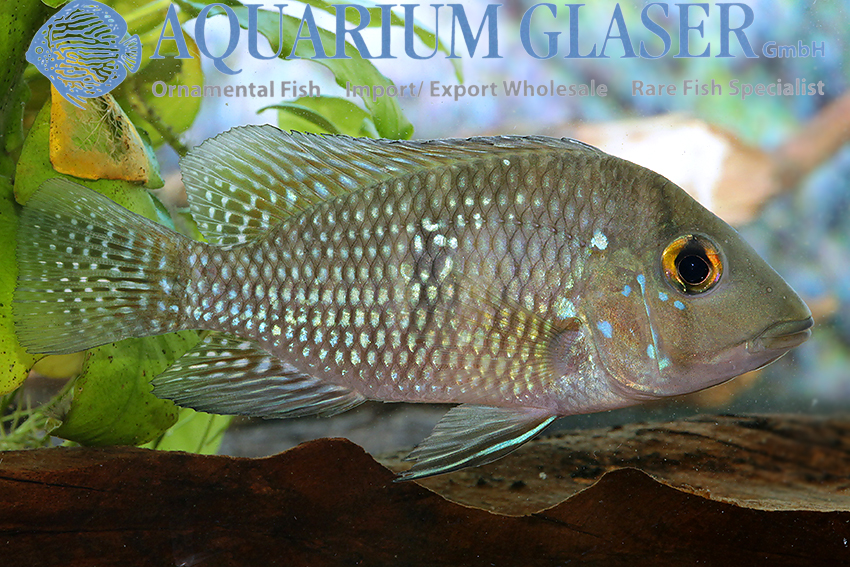
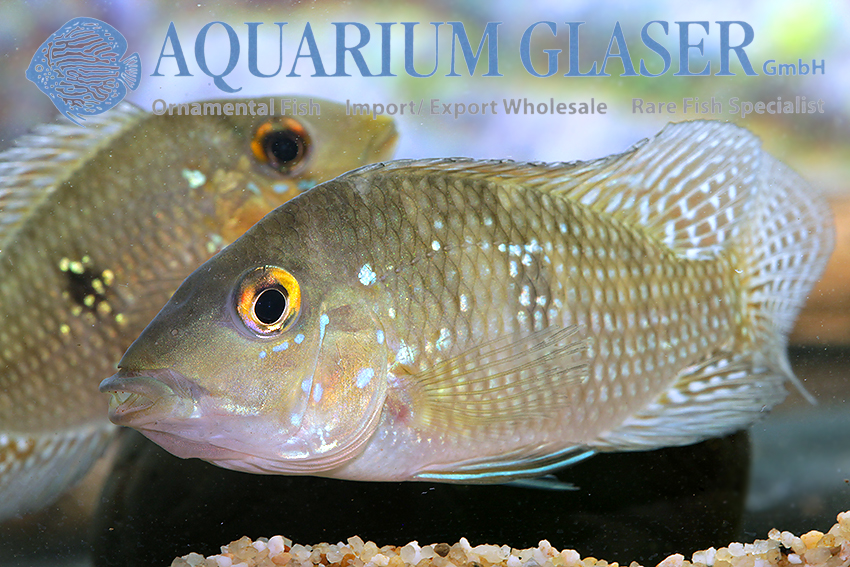
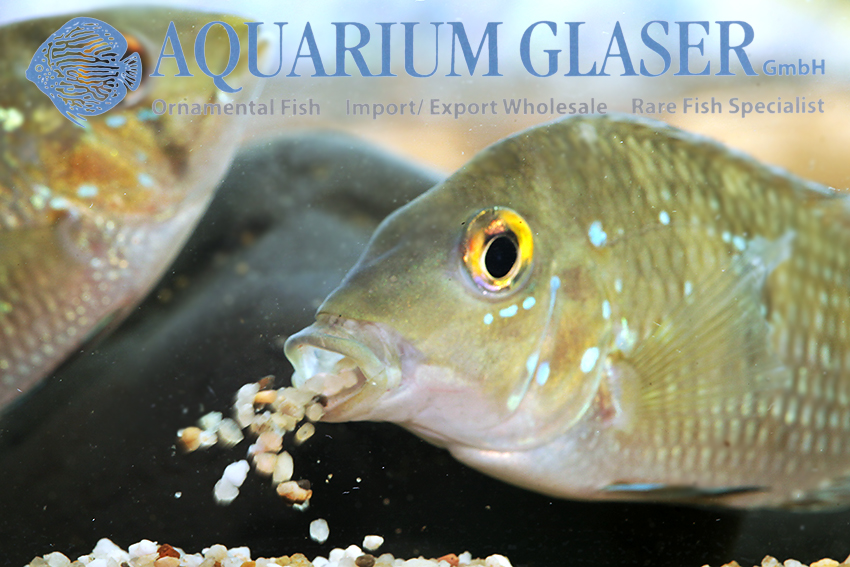
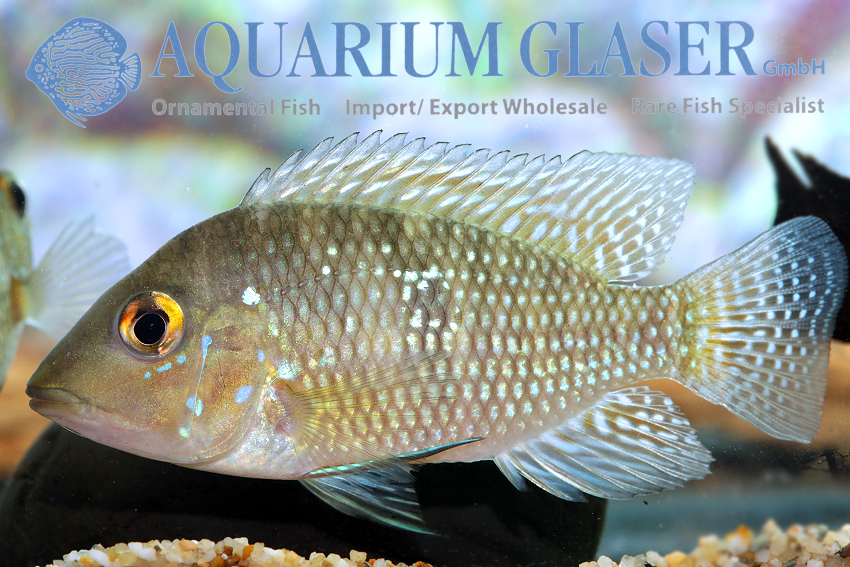
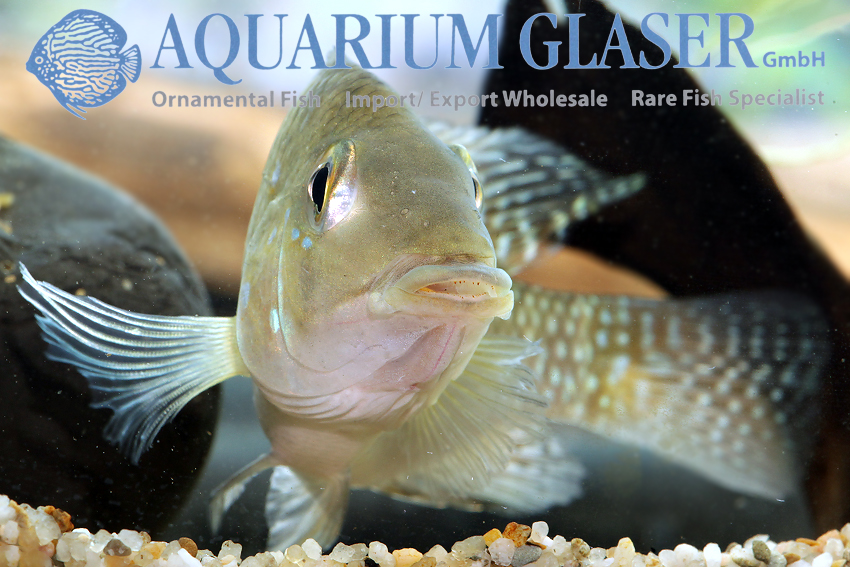
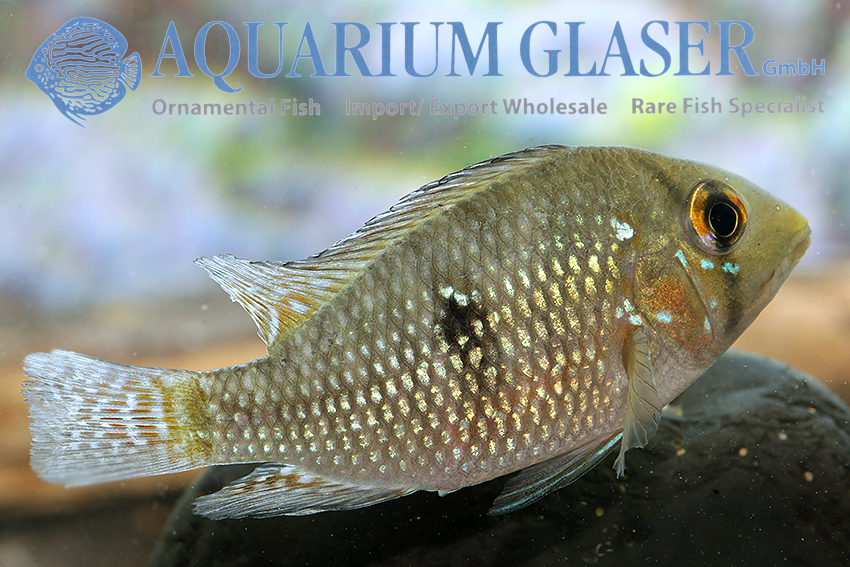
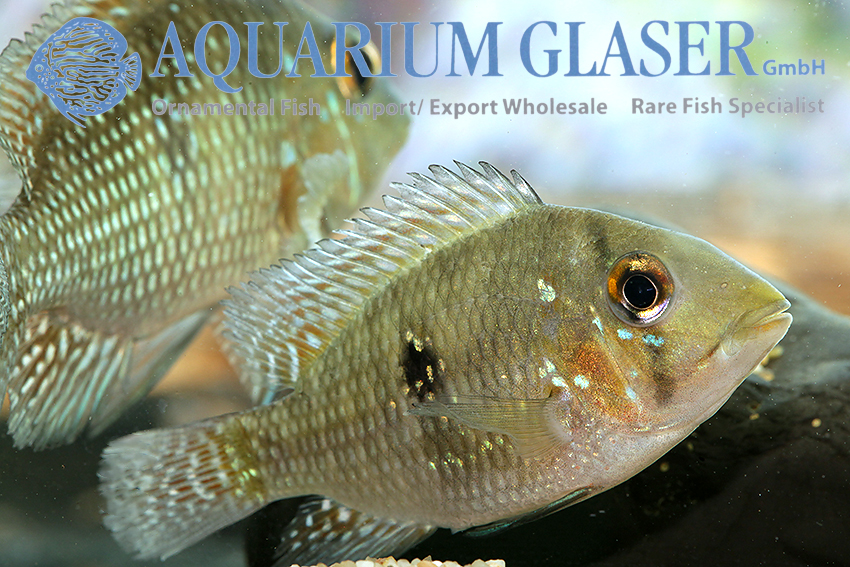
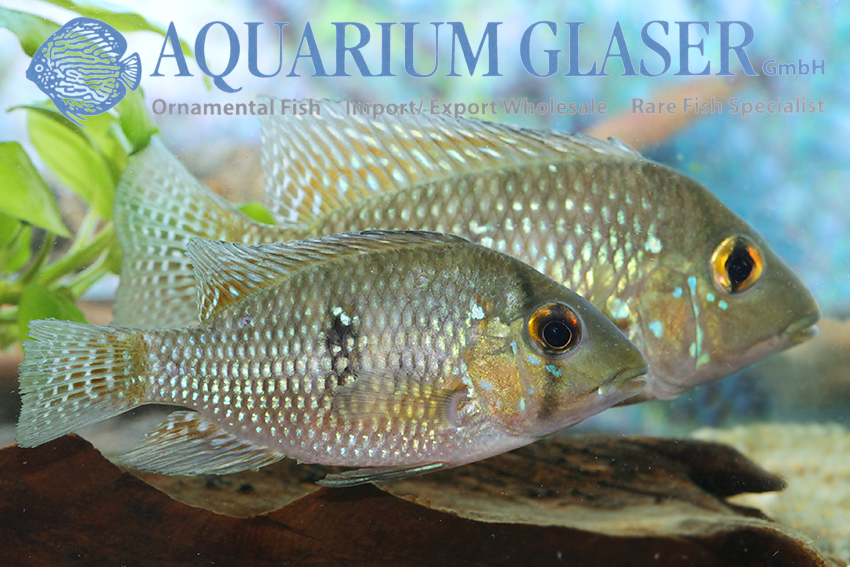
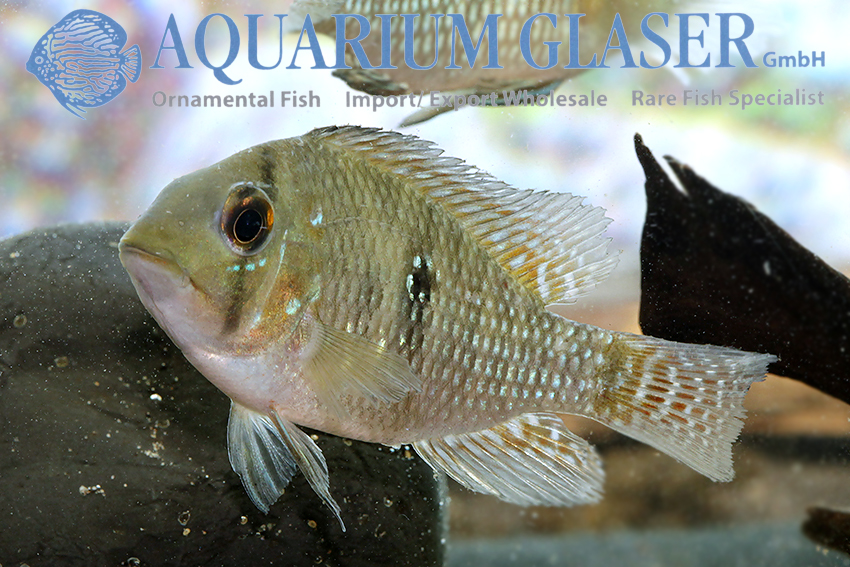
According to general consensus, the name Geophagus brasiliensis encompasses several species that are very similar to one another. None of them actually belong to the genus Geophagus in the strict sense, which comprises the earth-eaters related to G. altifrons. For this reason, the genus name is often written in quotation marks when referring to the brasiliensis group. However, a comprehensive revision does not yet exist. They are open-brooding cichlids, both parents care together for their young.
The wild-caught specimens we currently have available come from Brazil, specifically the state of São Paulo, and were collected in the area around the city of Botucatu. Hydrologically, the area belongs to the Rio Tietê watershed. It is important never to breed with Geophagus from the brasiliensis group that originate from different locations. For example, the “variant” G. iporangensis—now generally recognized as a distinct species—was described in 1911 from São Paulo. Hybrids are undesirable in the hobby.
G. brasiliensis is completely undemanding regarding water parameters. In the wild, they are even occasionally found in brackish water. They will eat any ornamental fish food of a suitable size, though it should be quite substantial and nutritious. It has even been observed that these fish eat Malaysian trumpet snails (Melanoides), which are otherwise spurned by nearly all snail-eating fish. Larger cichlids should be housed in larger aquariums. Robust and fast-swimming fish species make suitable tank mates. The smaller the aquarium, the more problematic it is to keep them with other fish. Room temperature is sufficient for maintenance; for breeding, you can raise the temperature to 24–26°C. Geophagus brasiliensis are avid burrowers; this should be taken into account when setting up the tank. Plants are best placed in pots, or you can forgo plants that root in the substrate altogether. Floating plants are a good alternative.
For our customers: the fish have code 676503 on our stocklist. Please note the we exclusively supply the wholesale trade.
Text & photos: Frank Schäfer
