








From the species-rich genus Harttia—which currently includes 28 recognized species—hardly any ever find their way into our aquariums. These fish are relatively close relatives of the popular royal farlowellas (Sturisoma and Sturisomatichthys) and resemble them in many behavioral traits, but they are considerably more demanding. To thrive, Harttia require very clean, oxygen-rich water that is sometimes warm and sometimes cool; the latter appears to be species-specific. In addition, fine food—corresponding to the fish’s natural diet (algal growth, i.e., algae and the microscopic organisms living within them)—should make up the bulk of their diet. Even minor care mistakes can be fatal for these fish. It goes without saying that even capture and transport present special challenges. On the other hand, healthy specimens have even been successfully bred in aquariums.
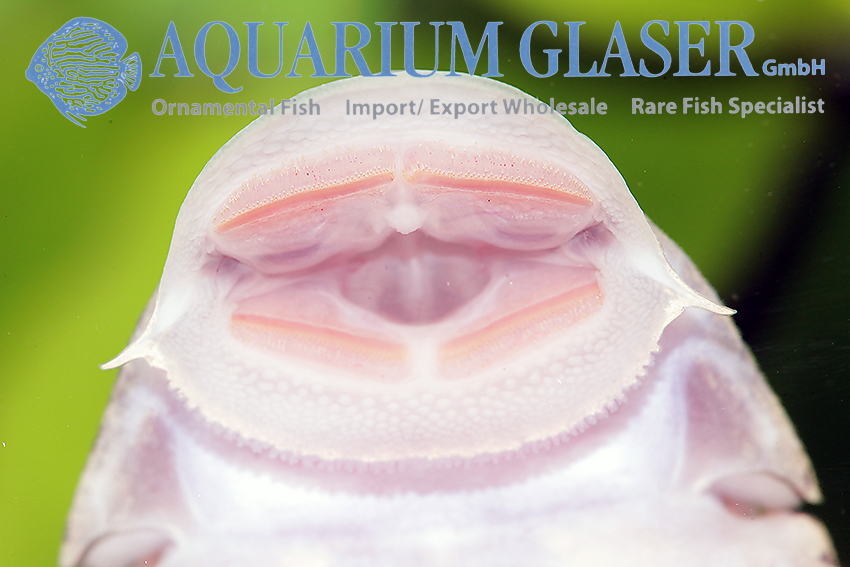
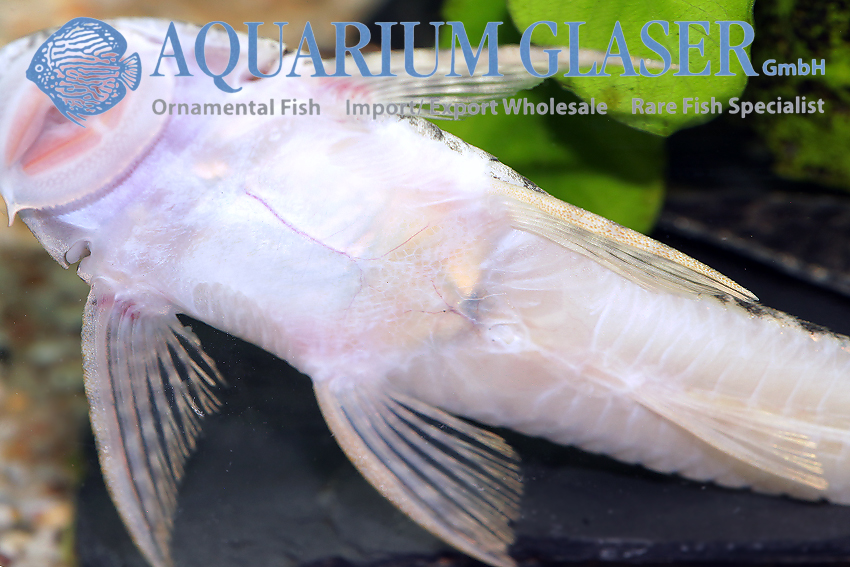
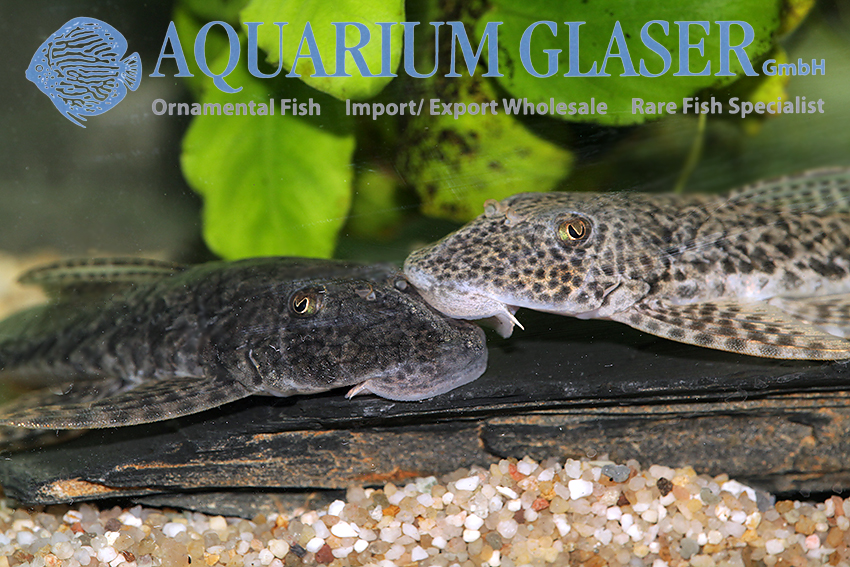
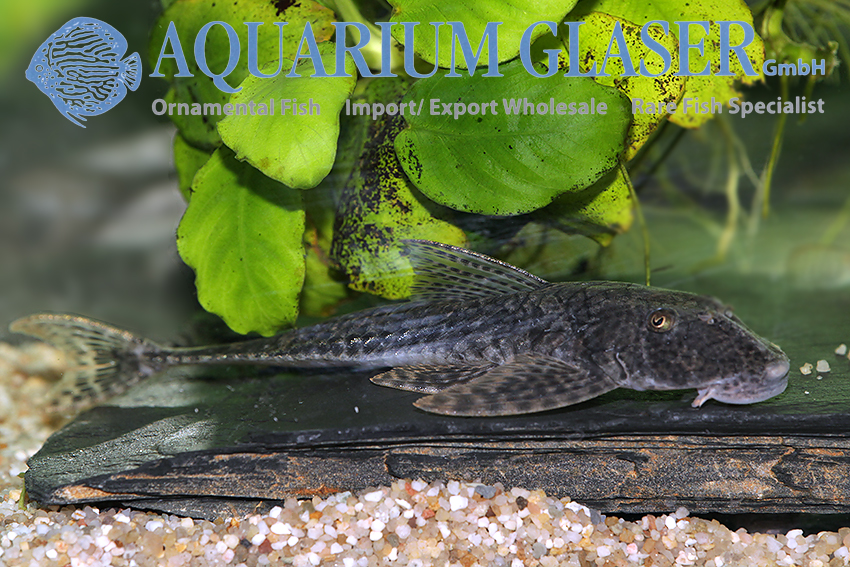
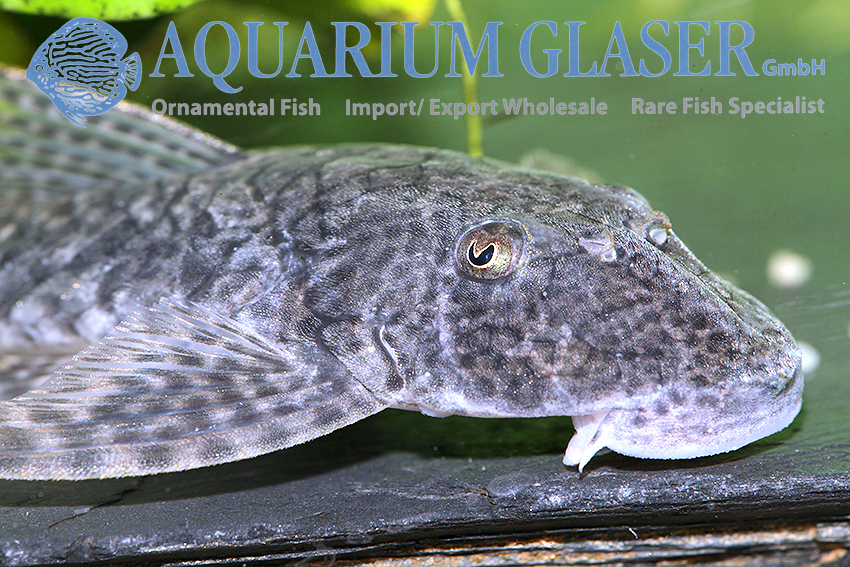
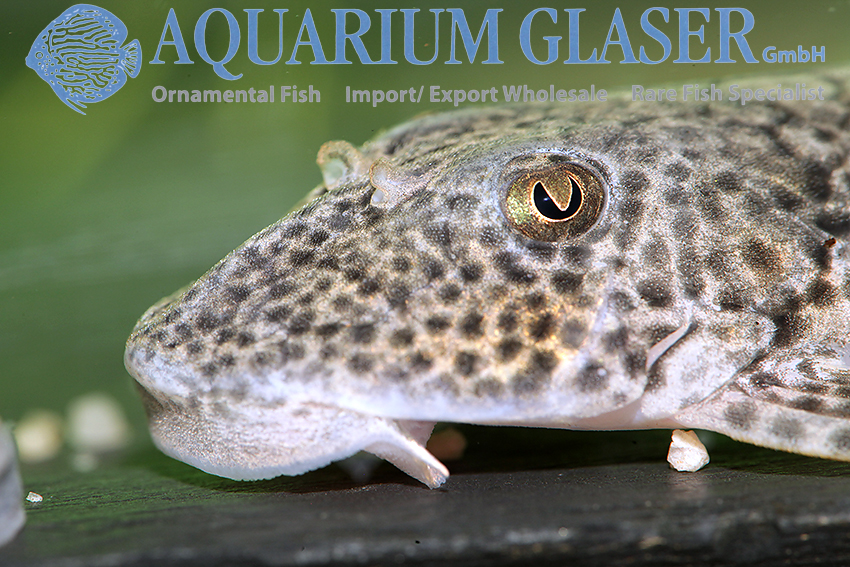
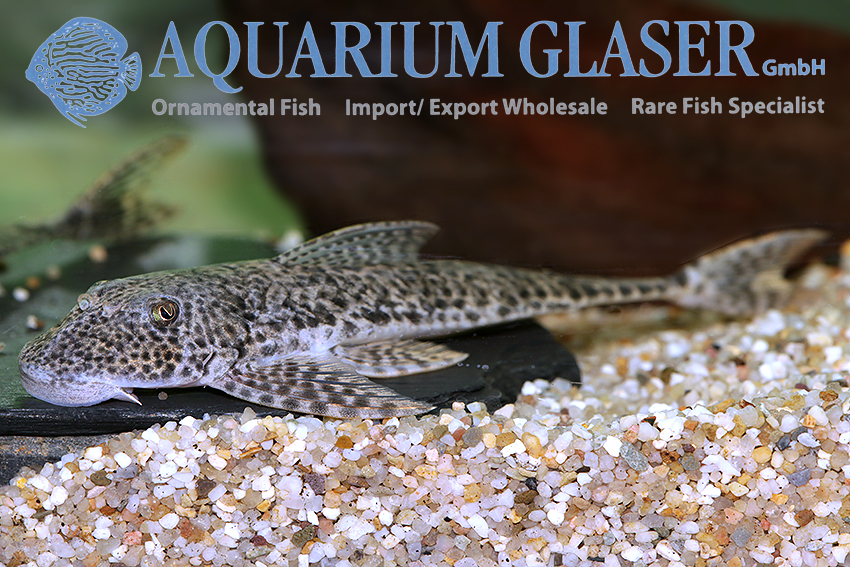
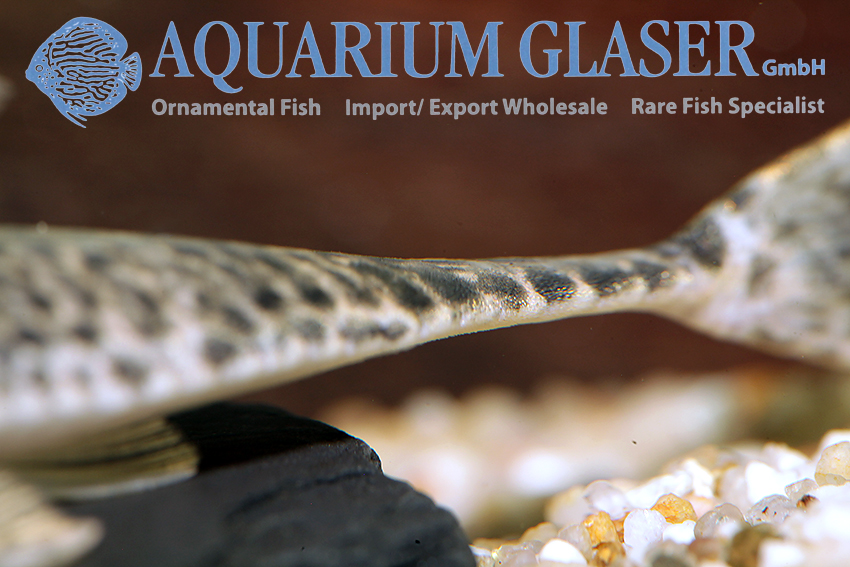
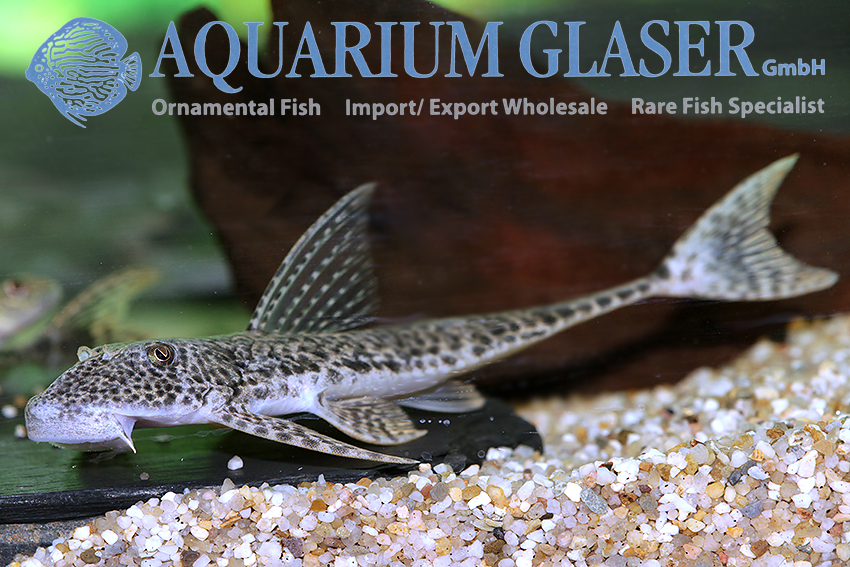
We recently managed to organize a large import from southeastern Brazil. It had been a long time since we’d done this, and from an ichthyological perspective, there have been significant developments in the region in recent years—which made identifying some of the species particularly challenging. The most recent study on Harttia (Caldas et al., 2022) provides the most up-to-date identification guidelines for Harttia species from southeastern Brazil. Harttia is generally divided into three groups, distinguished by the pattern of plates on the ventral region. One group has a completely unplated ventral side (14 species), a second group has a partially plated ventral side (7 species), and a third group has a fully plated ventral side (7 species). Some species in the latter group were long classified in the genus Cteniloricaria due to these ventral plates. According to current understanding, Harttia differs from Cteniloricaria, among other things, in that the lateral plates on the tail lack a sharp keel.
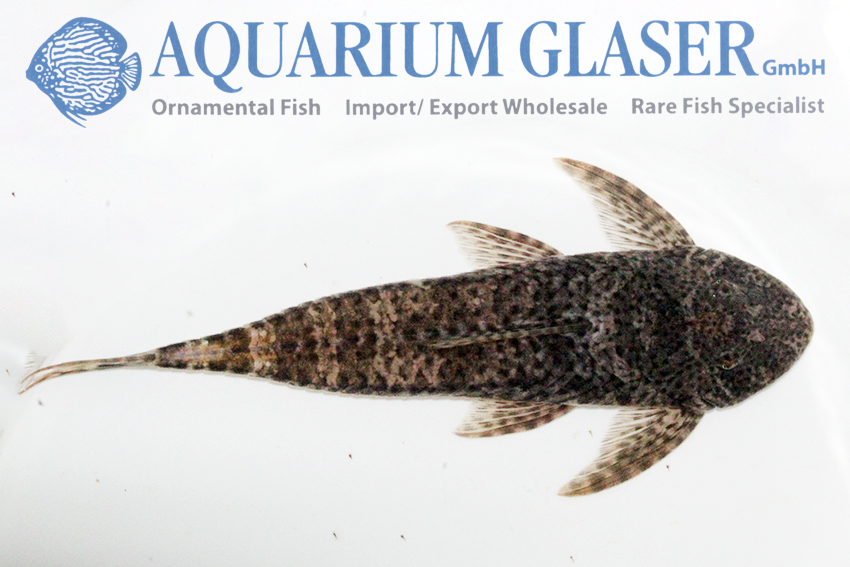
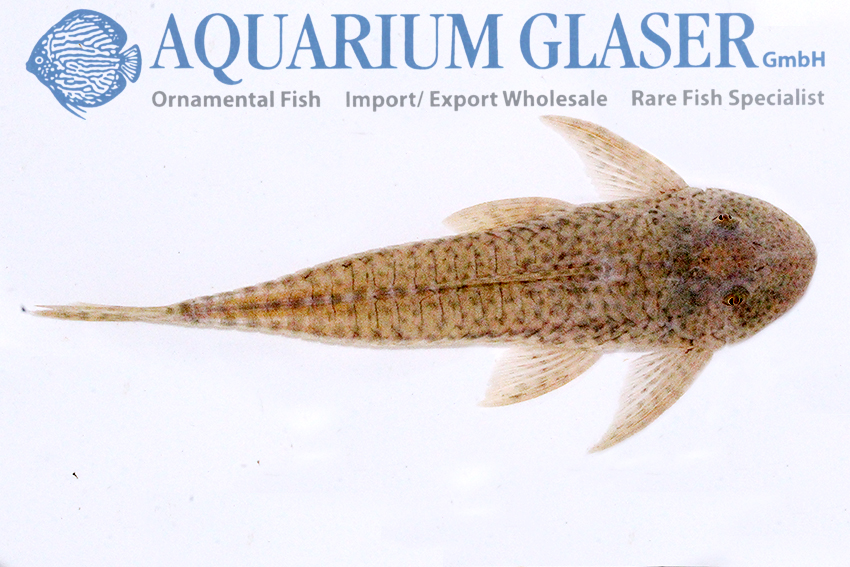
Based on the plates on their bellies, we identified our fish as Harttia longipinna. However, since we do not know the exact collection site and several Harttia species are very similar, we have included a “cf.” (Latin for “compare with”) as a precaution, as we cannot be absolutely certain of this identification. We do, however, consider it important to note the observation by Caldas et al., 2022, that most of the Harttia species from southeastern Brazil occur in cool (e.g., 12.4–23°C water temperature for H. canastra), relatively fast-flowing, and relatively small streams. Only one species—H. longipinna—is said to live in larger and warmer streams, like the Amazonian Harttia species. Since our imported fish show no signs of distress despite the currently (June/July 2026) high temperatures, this also supports the accuracy of our identification.
A striking feature, and one not yet mentioned in the literature known to us, is that we have both darker and lighter specimens. The ventral plates are the same in both.
Just like Sturisoma and Sturisomatichthys, Harttia are not cave-breeders but open breeders. The eggs are preferably laid on rocks with strong overflows and guarded by the male until hatching. Sexual dimorphism in Harttia often appears to be limited to the males having a broader head and a broader, spiny first pectoral fin ray, but there are also species in which the males develop, at least temporarily, prominent spines on the sides of their tails, such as H. leiopleura. For H. longipinna, the authors also note that the males have a longer anal fin than the females. Rearing the young is broadly similar to that of royal farlowella.
All in all, Harttia are fish for truly experienced aquarists seeking a challenge.
For our customers: these fish are listed under code 255392 on our stock list. Please note that we supply exclusively to wholesalers.
References:
Caldas, L., A. M. Cherobim & F. Langeani (2022): A new species of Harttia from the Rio São Francisco basin (Siluriformes: Loricariidae). Neotropical Ichthyology vol. 20 (no. 4): e220051: 1–19.
Langeani, F., O. T. Oyakawa & J. I. Montoya-Burgos (2001): New species of Harttia (Loricariidae, Loricariinae) from the Rio São Francisco basin. Copeia 2001 (no. 1): 136–142.
Seidel, I. (2010): Ingos Harnischwelszucht. Tetra Verlag, Berlin-Velten, 272 pp
Text & photos: Frank Schäfer
