








The genus Hemiancistrus is—as virtually all experts agree—a so-called “polyphyletic” genus. This means that the species grouped within it are not necessarily closely related to one another, but merely share some external characteristics. In the case of Hemiancistrus, there is also the additional issue that a clear definition of the genus does not exist. Currently, 15 species are grouped under Hemiancistrus. In 2015, Armbruster et al. pointed out that only the type species of Hemiancistrus—namely, H. medians from the Maroni River basin in French Guiana and Suriname—is a “true” Hemiancistrus. All the rest should be placed in other genera, which, however, have yet to be defined and named. One of these new genera is expected to comprise the “Hemiancistrus chlorostictus group,” including the species “H.” cerrado (Tocantins River basin), “H.” chlorostictus, “H.” fuliginosus, “H.” megalopteryx, “H.” meizospilos, “H.” punctulatus, and “H.” votouro. All of these species, with the exception of “H.” cerrado, come from southern Brazil and Uruguay. And all southern “Hemiancistrus” species were described scientifically relatively late, between 1999 and 2008. These species are virtually unknown in the aquarium hobby. We have now been able to import “H.” meizospilos from the upper Rio Uruguay basin for the first time.
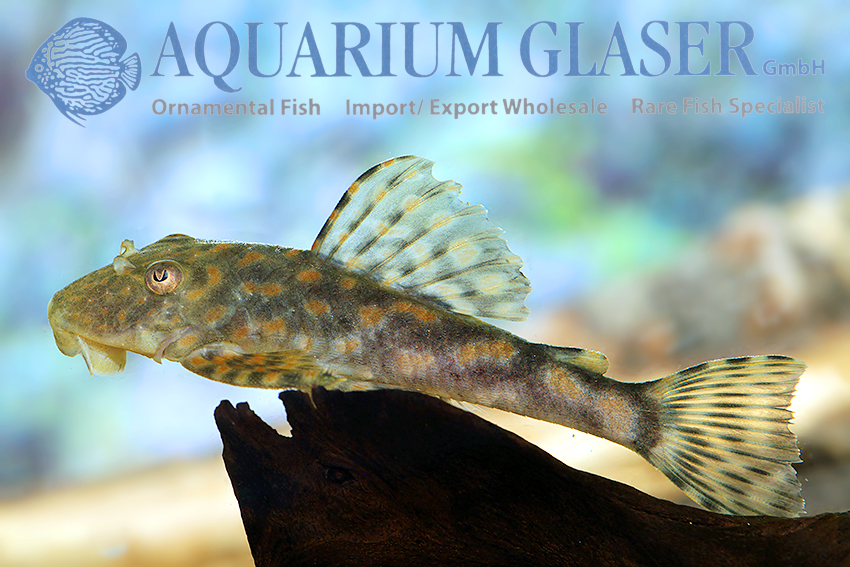
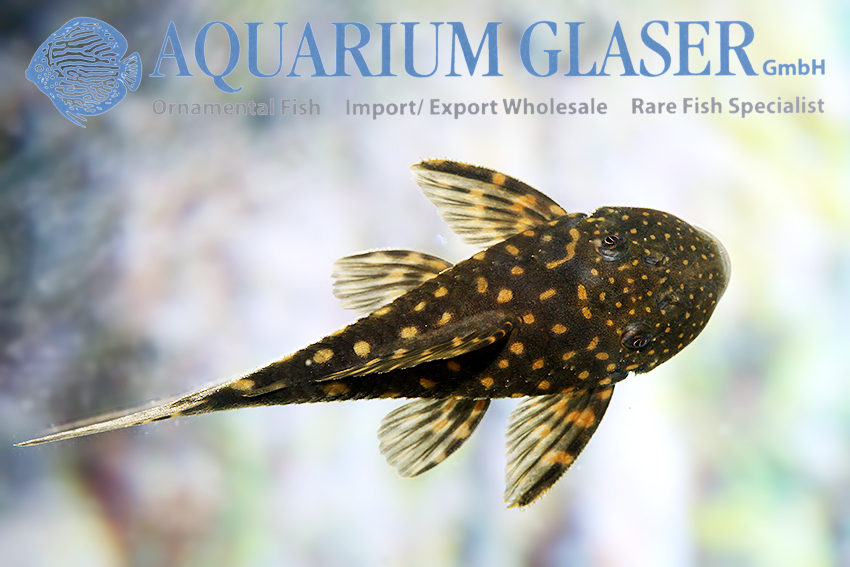
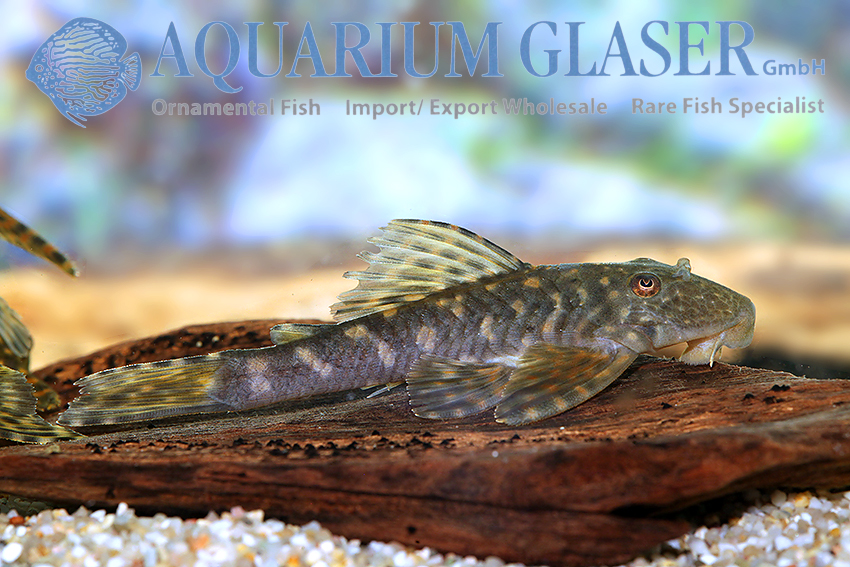
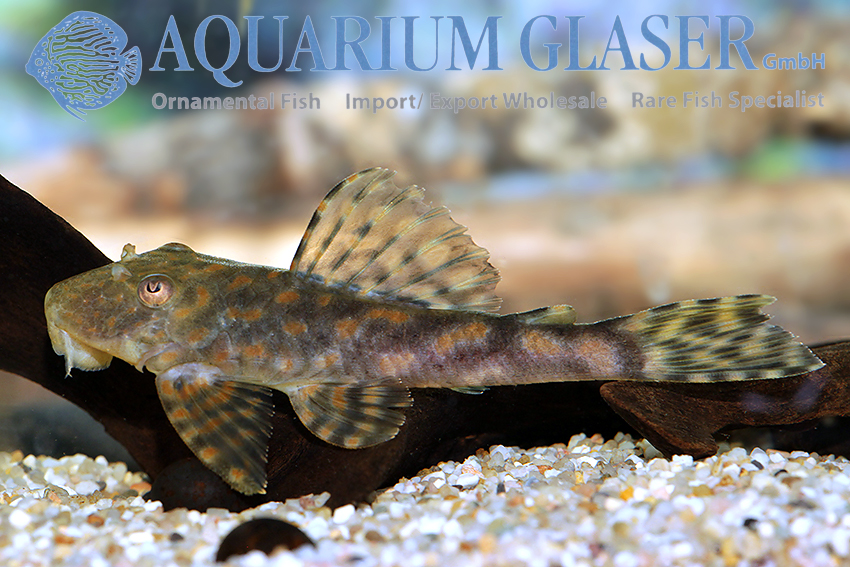
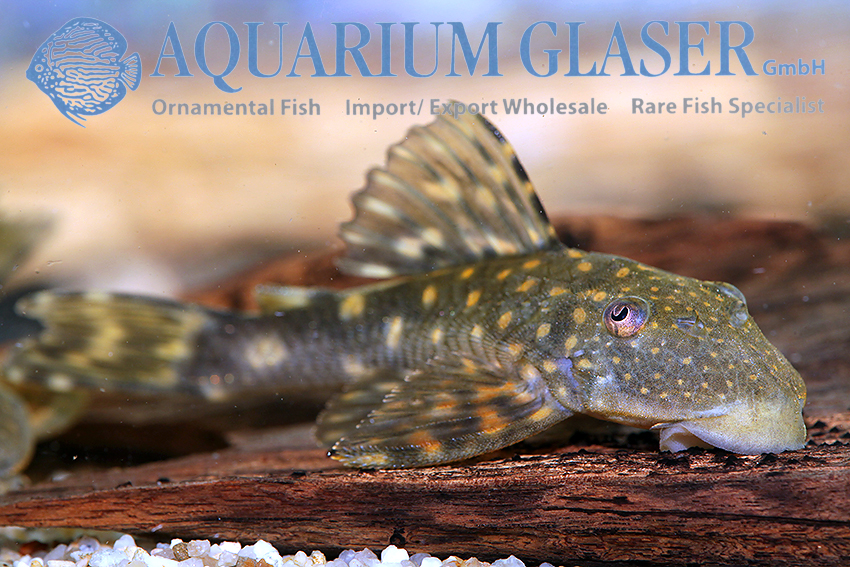
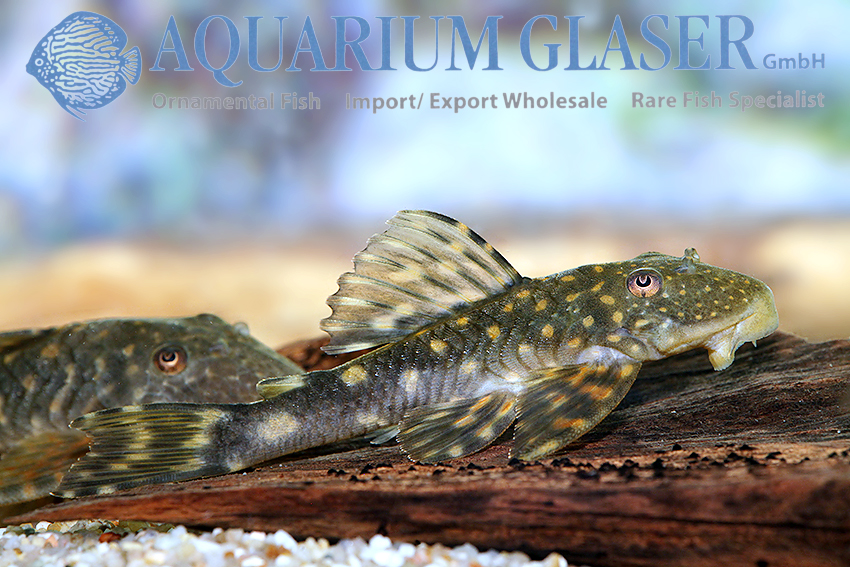
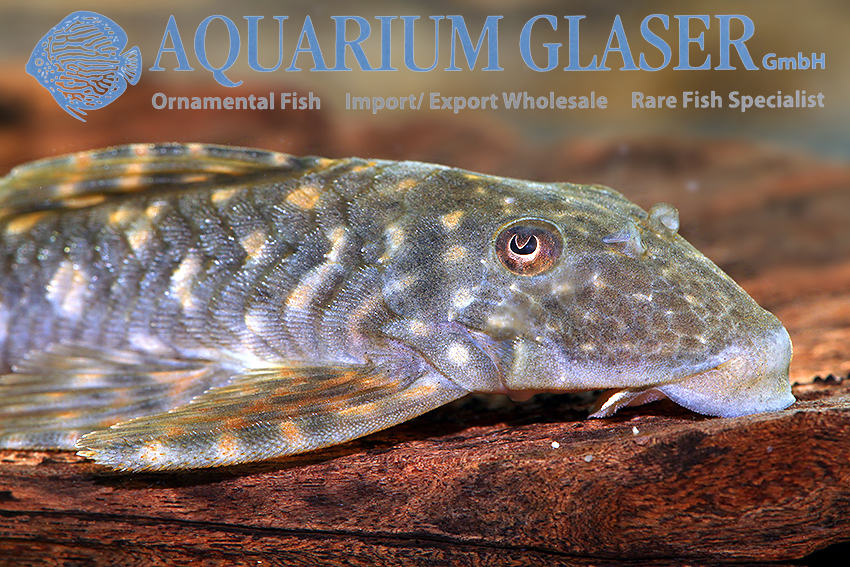
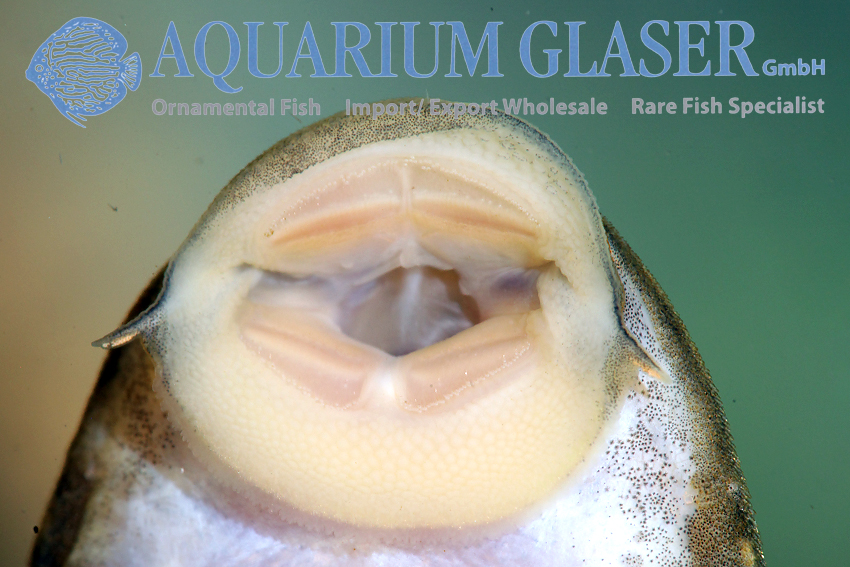
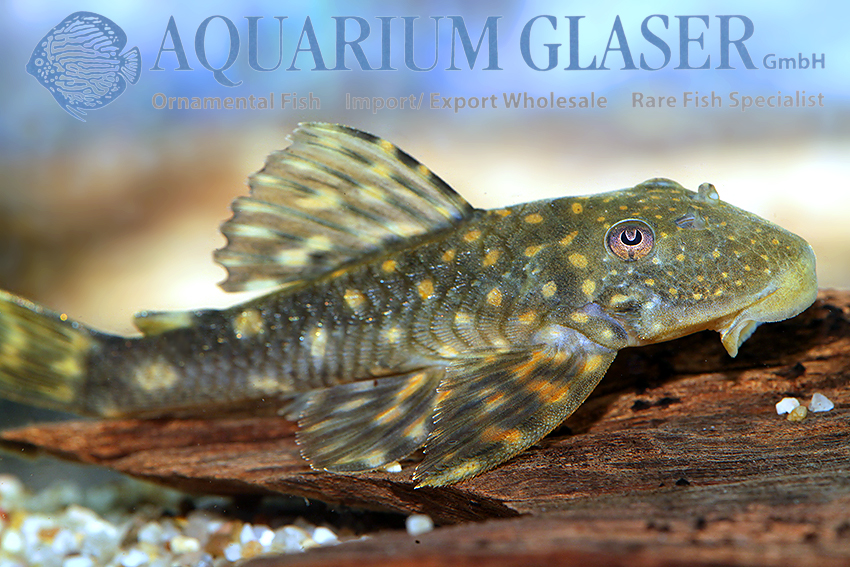
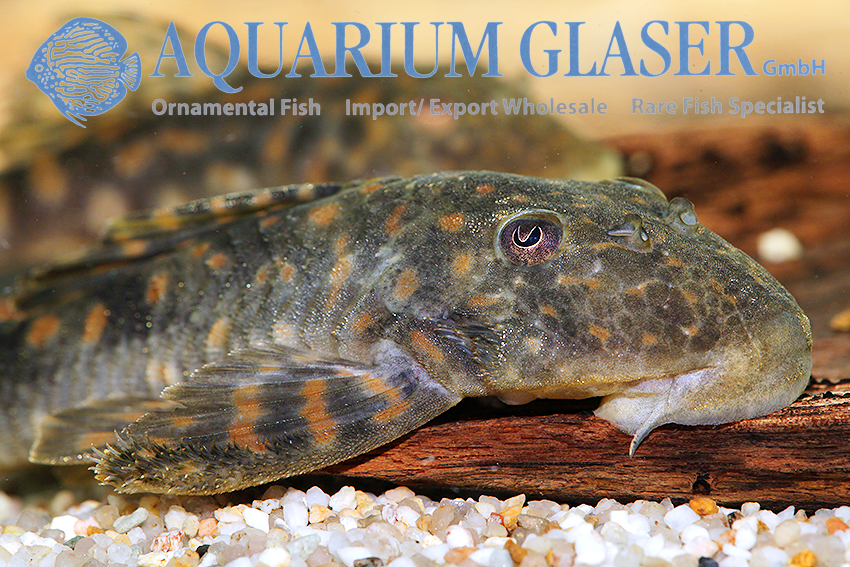
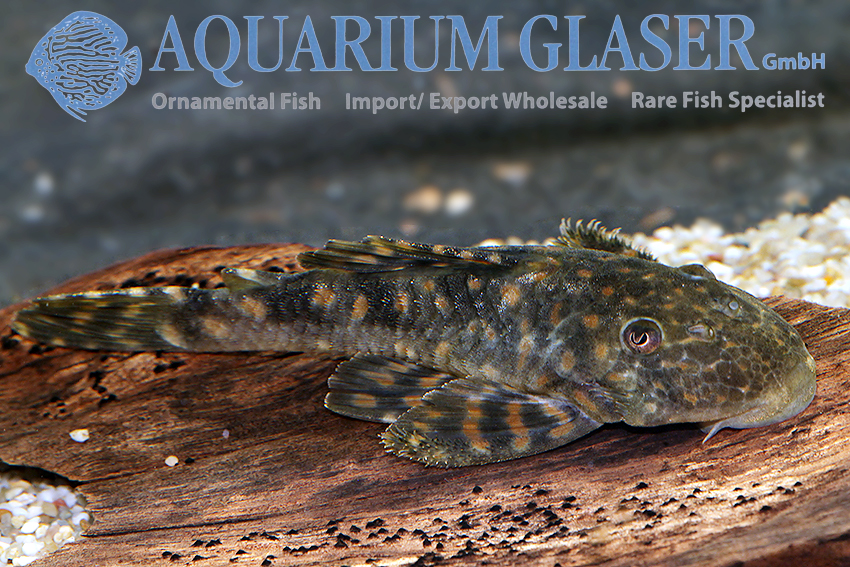
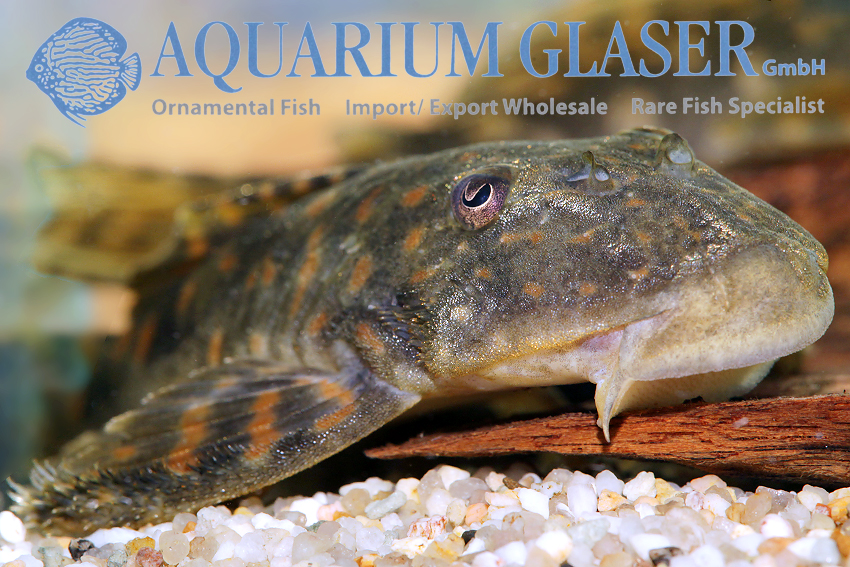
According to the literature, “H.” meizospilos can reach a maximum length of about 20 cm, making it a medium-sized armored catfish. Our specimens are currently between 6 and 12 cm long. Not a single pair among the 30 fish in our import has identical markings. This is very unusual. The base body color is a dark brown, over which are light, yellowish to orange spots or patches; The fins are beautifully striped or spotted with orange. Males develop prominent bristles on the pectoral fin spine. Overall, the species most closely resembles “H.” chlorostictus, though the spots on the latter are much smaller. The acclimation process did not present us with any significant problems. We keep the catfish in soft water with a pH of around 7 and a temperature of about 24°C. A look inside their mouths reveals that they are algae-eaters, like Ancistrus or Peckoltia. We feed the fish accordingly. They get along well with each other.
“Hemiancistrus” meizospilos could become an attractive algae eater for larger, cooler South American aquariums if it can be imported regularly or if breeding efforts are successful. We’re excited to see how this develops!
For our customers: these fish have codes 255802 (6–9 cm) and 255803 (9–12 cm). Please note that we supply exclusively to wholesalers.
References:
Armbruster, J.W., Werneke, D.C. & Tan, M. (2015) Three new species of saddled loricariid catfishes, and a review of Hemiancistrus, Peckoltia, and allied genera (Siluriformes). ZooKeys, 480, 97–123. https://doi.org/10.3897/zookeys.480.6540
Text & photos: Frank Schäfer
