








We consider the import of this beautiful new Hoplisoma to be sensational. According to the supplier, it comes from a small tributary of the Rio Tomo in eastern Colombia. The fishermen refer to this tributary as Cano Negro. The water is described as “crystal clear.” The Rio Tomo itself is a tributary of the Orinoco, approximately 650 km long. CW217 is the only armored catfish in the Cano Negro; there are no H. concolor there. We would like to take this opportunity to express our sincere thanks to our supplier for this information!
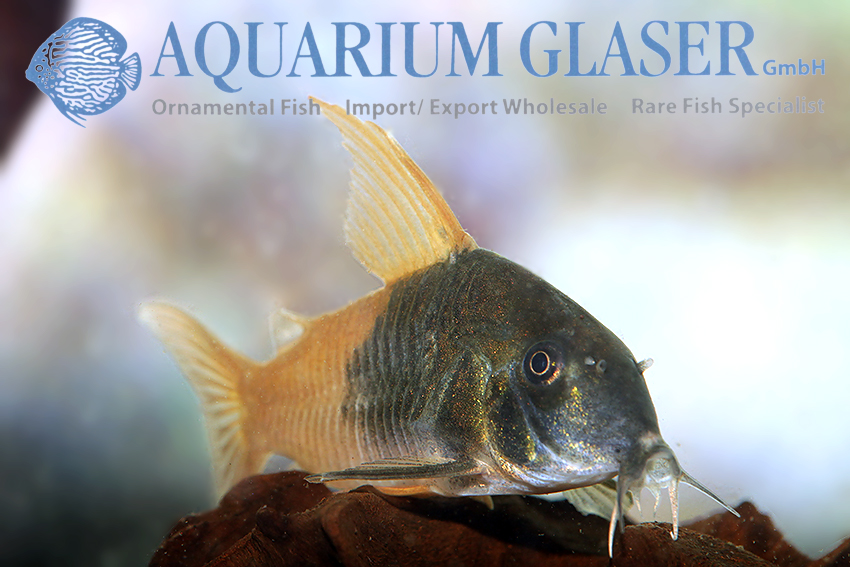
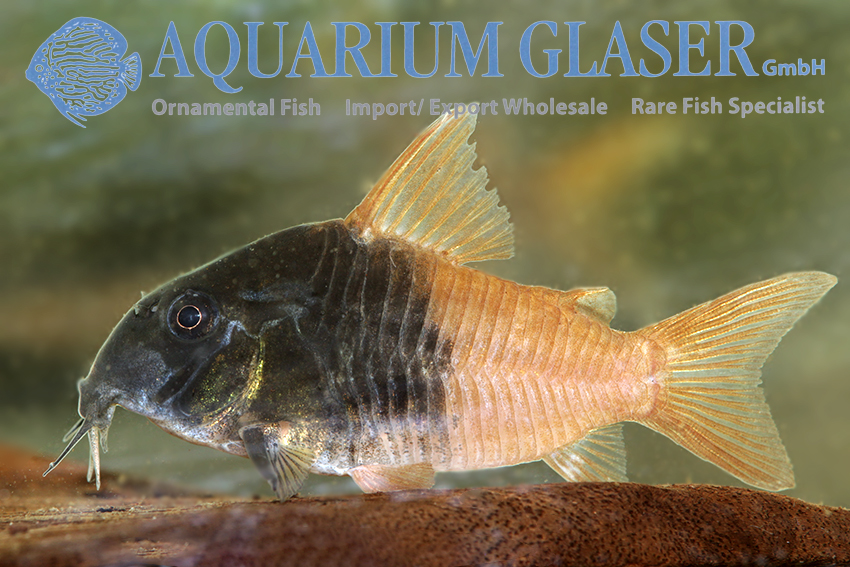
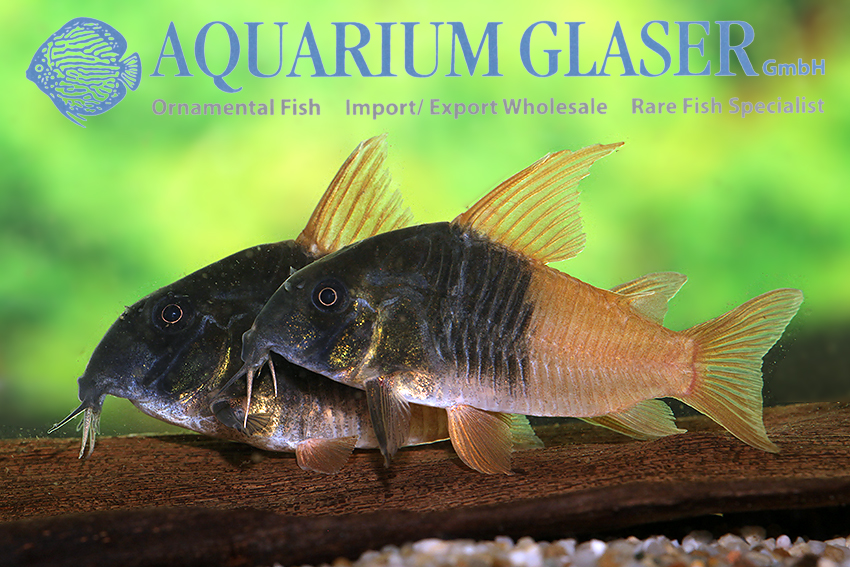
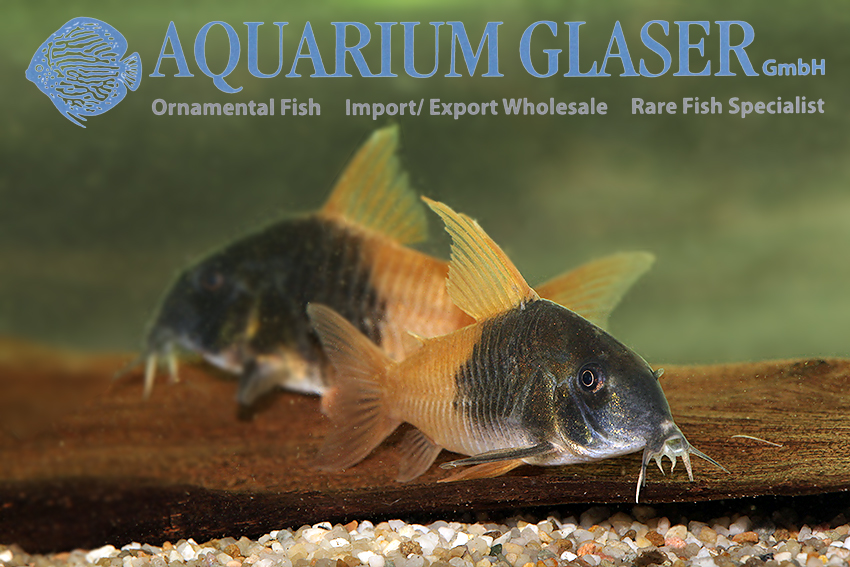
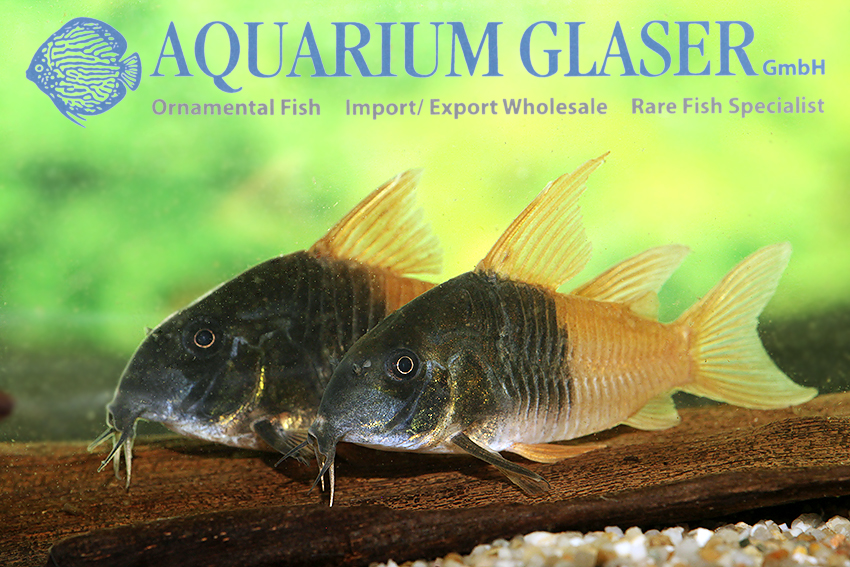
The new Hoplisoma “Rio Tomo” is undoubtedly a close relative of Hoplisoma concolor (see https://www.aquariumglaser.de/en/fisharchive/hoplisoma-concolor-2/). Ian Fuller (www.corydorasworld.com) assigned the code number CW217 to this strikingly colored fish. It should be noted that despite the physical similarity between CW217 and H. concolor, fish with this coloration never occur among “normal” H. concolor. CW217 is therefore not a color variant in the usual sense, as color variants are always found sporadically in populations of normally colored animals. According to most common species concepts, CW217 would be considered a subspecies (i.e., a geographically isolated population of a species that is, however, consistent in its characteristics) or, according to the so-called phylogenetic species concept, a separate species.
It is hoped that breeding these magnificent fish will be successful. The coloration of the young fish would also provide important clues as to their species affiliation. We know from other twin species (e.g., Osteogaster rabauti and O. zygata) that they are difficult to distinguish as adults, but that the young look completely different. For the time being, however, CW217 is only rarely available as a wild catch and in small numbers. The sexes are quite easy to distinguish. Males have long, pointed pelvic fins, while those of females are comparatively short and rounded. In addition, males often develop long dorsal fins (which, unfortunately, does not mean that all fish with short dorsal fins are females). All pictures in this post show the same pair from our first import. We have just imported a few more specimens and will provide more pictures as soon as possible.
For our customers: the fish have code 226015 on our stock list; the animals currently imported are still in quarantine but will be available on the stock list shortly. Please note that we only supply wholesale customers.
Text & photos: Frank Schäfer
