








There are few species of tetras that have been depicted under incorrect names in the literature as often as those of the genus Mimagoniates. These attractive fish are occasionally exported from southern Brazil as ornamental fish. Since they reproduce via internal fertilization—meaning the female can lay fertilized, viable eggs some time after fertilization even in the absence of males—they piqued the interest of biologically curious aquarists early on. The fertilization process, in particular, aroused and continues to arouse curiosity.
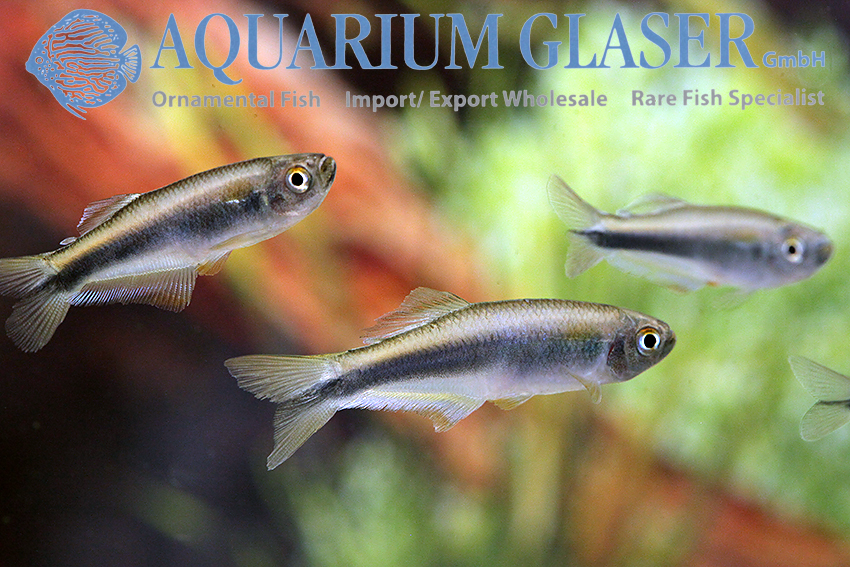
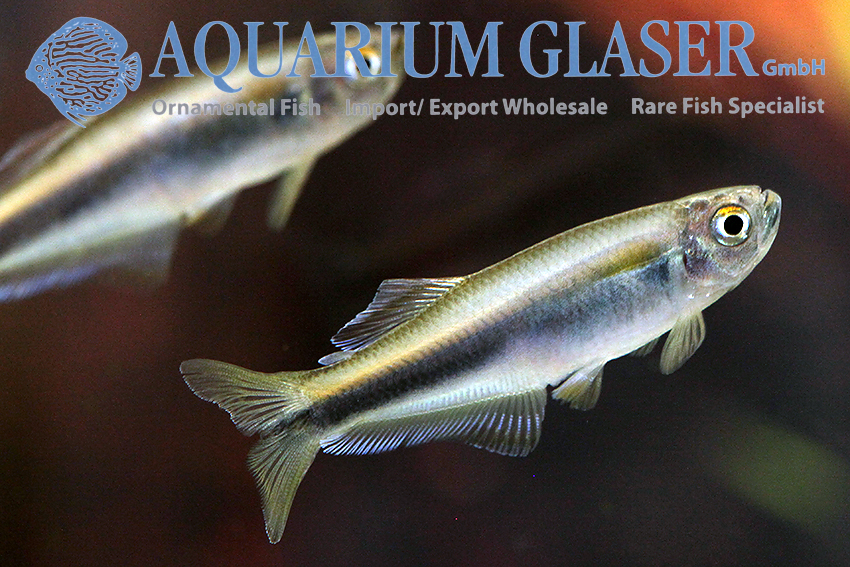
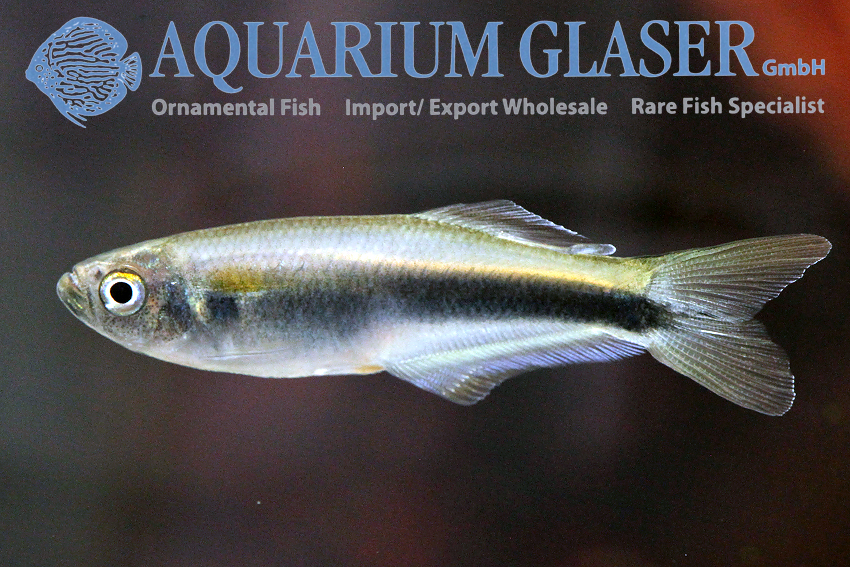
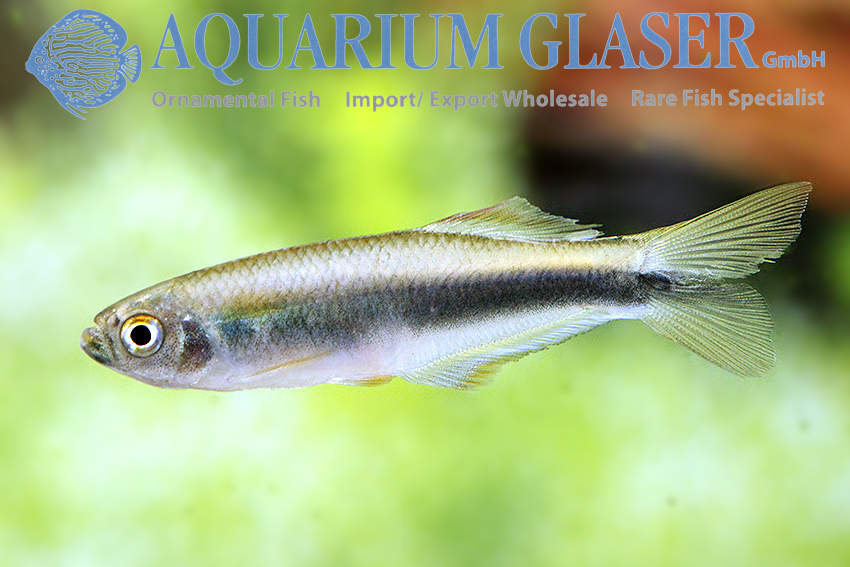
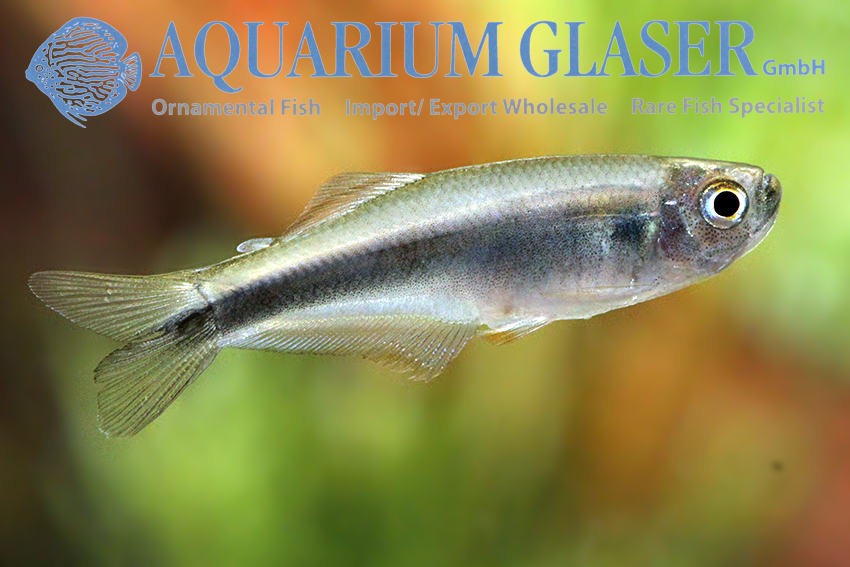
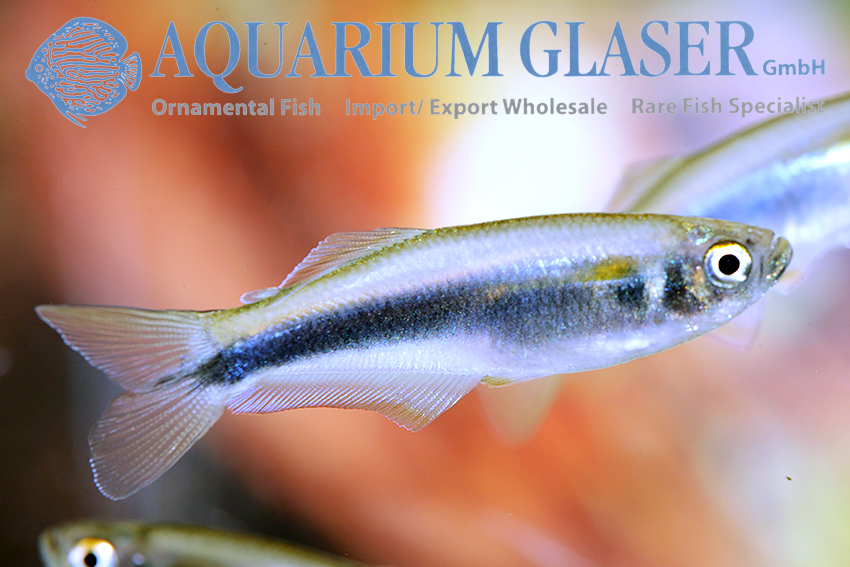
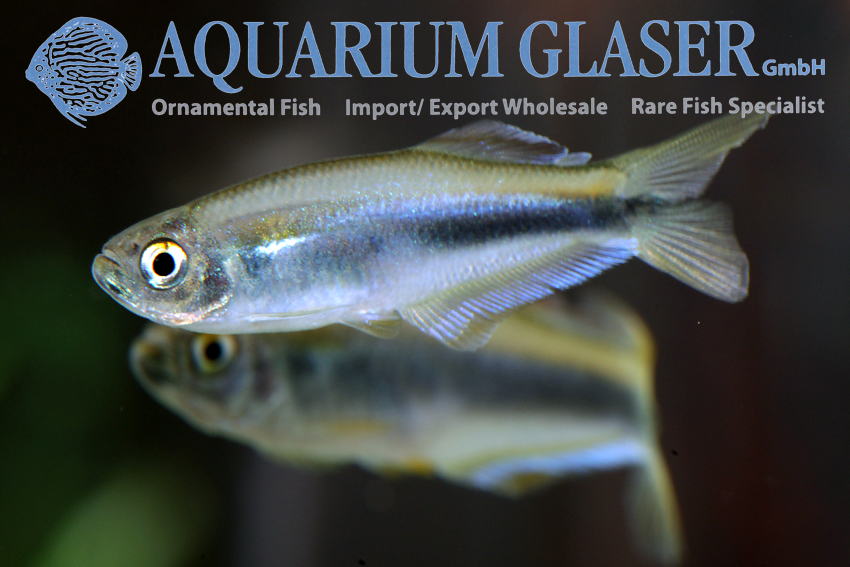
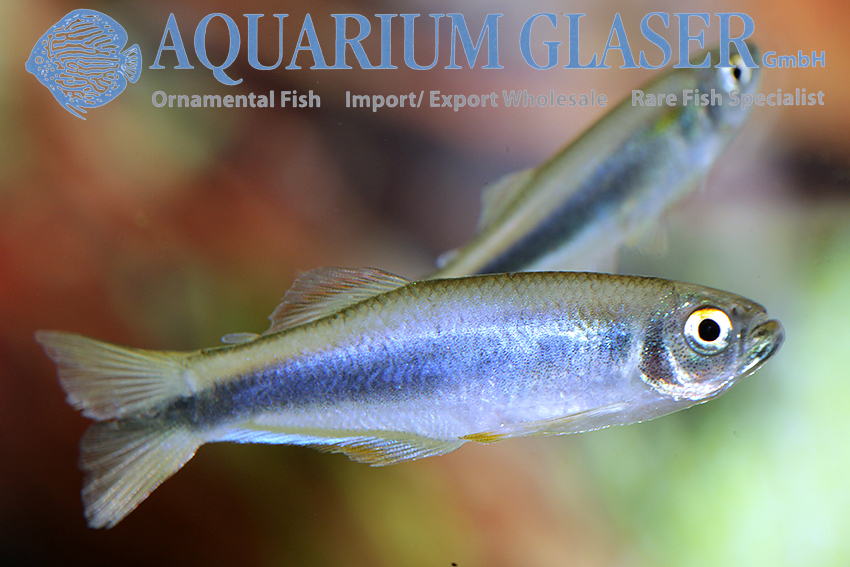
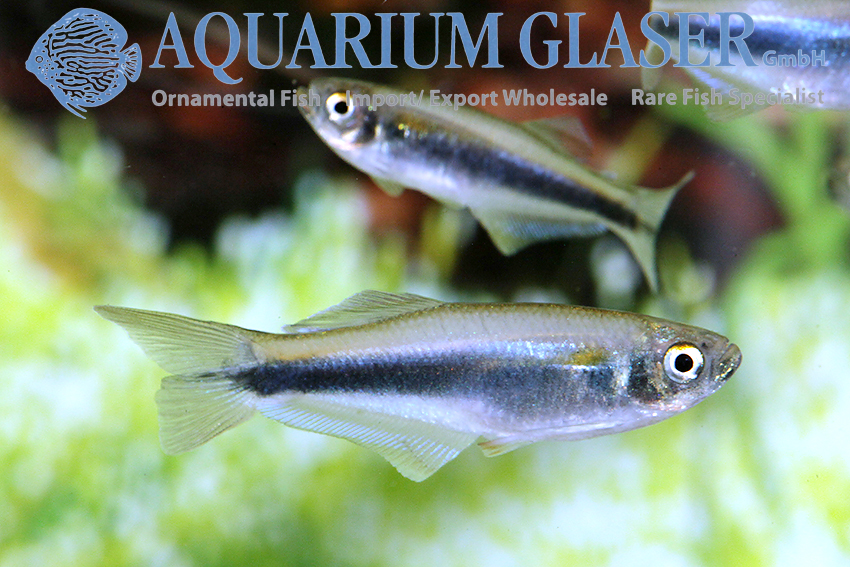
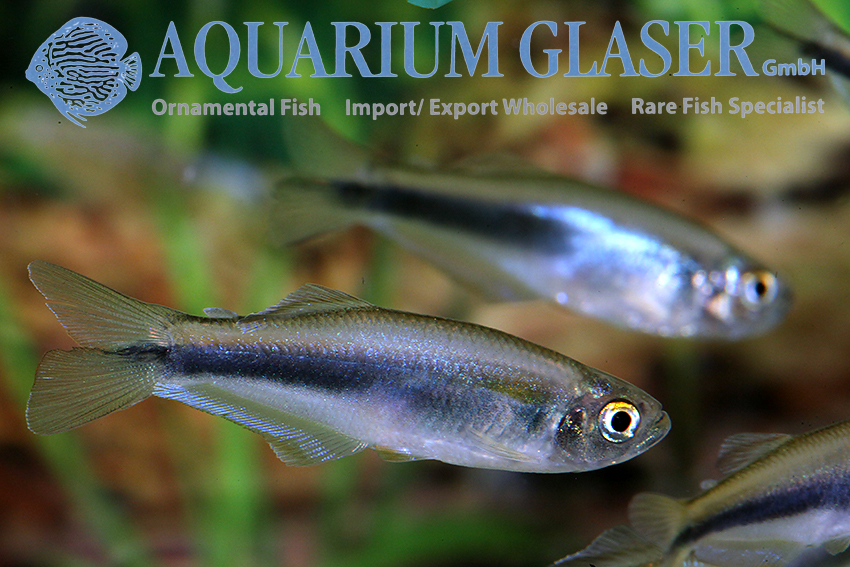
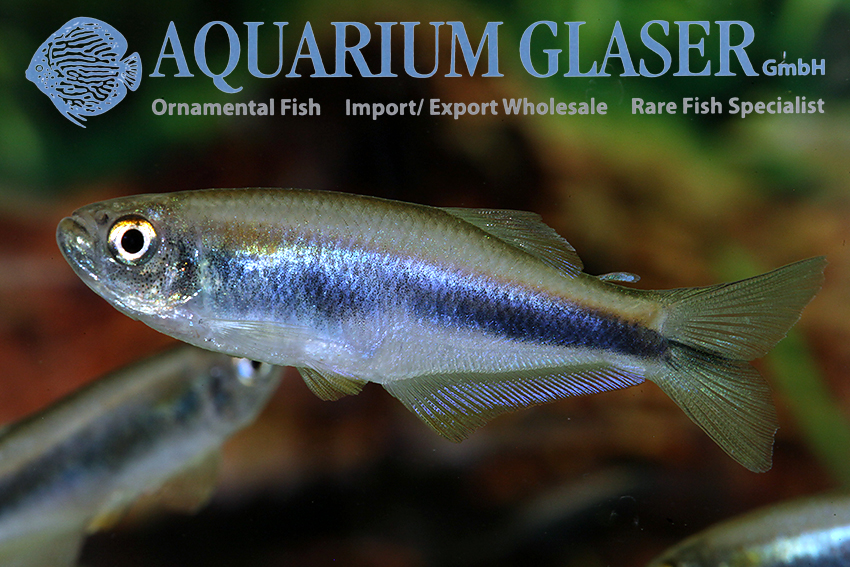
But the confusion! We don’t want to overcomplicate things here; anyone wishing to delve deeper into the subject should consult the 2009 revision of this group by Menezes and Weitzman. In any case, the animals originally described by Steindachner in 1877 as Paragoniates microlepis have been referred to in the literature as Coelurichthys iporangae (genus name originally misspelled as “Coalurichthys”), C. microlepis, C. tenuis, C. lateralis, Mimagoniates microlepis, M. tenuis, M. inequalis, M. barberi, and M. lateralis. Some of these species actually exist; they look similar but are simply different species, while others are synonyms. The risk of being led in the wrong direction when studying the literature—and even more so when Googling or using AI—is therefore very high. For us aquarists, the combination of a clearly recognizable shoulder spot and the very broad body band is the best identification criterion.
Mimagoniates microlepis grows to about 6–7 cm in length in the aquarium (total length, including the caudal fin); wild specimens remain about one centimeter smaller. They are very lively schooling fish that prefer to live in streams in the wild but have proven to be adaptable. Most often, cool, shaded clear-water streams serve as their habitat, but the fish are also found in blackwater streams and can even adapt to heavily disturbed habitats where humans have destroyed the original “Mata Atlântica” flora. Mimagoniates microlepis has even been documented in stagnant waters. It is widely distributed: coastal area from southern Bahia to northern Rio Grande do Sul and also in the upper rio Iguaçu and rio Tibagi, upper rio Paraná basin, Brazil
In the hobby, such “tail-gland tetras” have been known since 1907. The males possess a complex glandular apparatus at the base of the caudal fin, constructed from scales, which apparently produces specific sexual attractants (pheromones). The courtship is an incomparable spectacle in which the males perform elaborate swimming maneuvers (“mating dances”) in front of the females. During the actual mating, the male wraps himself around the female like a ring. In the process, a sperm packet is expelled, which the female absorbs. Egg laying often occurs only days, and reportedly sometimes even weeks or months later. The female prefers to attach the spawn to the underside of aquatic plant leaves.
Mimagoniates microlepis is a peaceful species that accepts all standard types of food. It is important that the water temperature does not remain too high for extended periods. Temperatures between 16 and 24°C are appropriate, though 18–20°C should be maintained for most of the year. This species would likely benefit from occasional outdoor rearing, but under such conditions, it is unfortunately difficult to observe the fish.
For our customers: these fish have code 268563 on our stock list. Please note that we supply exclusively to wholesalers.
Literature:
Menezes, N. A. & S. H. Weitzman (2009): Systematics of the neotropical fish subfamily Glandulocaudinae (Teleostei: Characiformes: Characidae). Neotropical Ichthyology v. 7 (no. 3): 295-370
Text & photos: Frank Schäfer
