








Nothobranchius rubripinnis is one of the most beautiful species of the genus. It was discovered in 1983 by traveling aquarists (Wischmann and Seegers) in the coastal region of Tanzania, approximately 40 km south of Dar es Salaam, in the Mbezi River drainage, and was brought back to Germany alive. This strain is known among killifish specialists as “TZ 83/5.” One of the two collectors, Lothar Seegers, also conducted scientific research on these fish. During a second aquaristic research expedition in 1985 (Roth, Wildekamp, and Seegers), another population of this as-yet-undescribed species was found at the edge of a rice field. Hydrologically, the area of the second collection site—designated “KTZ 85/28”—belongs to the Mbemkuru River basin. A third collection from 1994 (TZ 94/1), like the first from the Mbezi River basin, yielded a somewhat stockier form that also differs slightly in color. In TZ94/1, the head is a more intense red, the body is less netted, and vertical stripes appear on the rear part of the body between the dorsal and anal fins. In 1986, Lothar Seegers scientifically described the species as Nothobranchius rubripinnis based on the two collections known at that time.
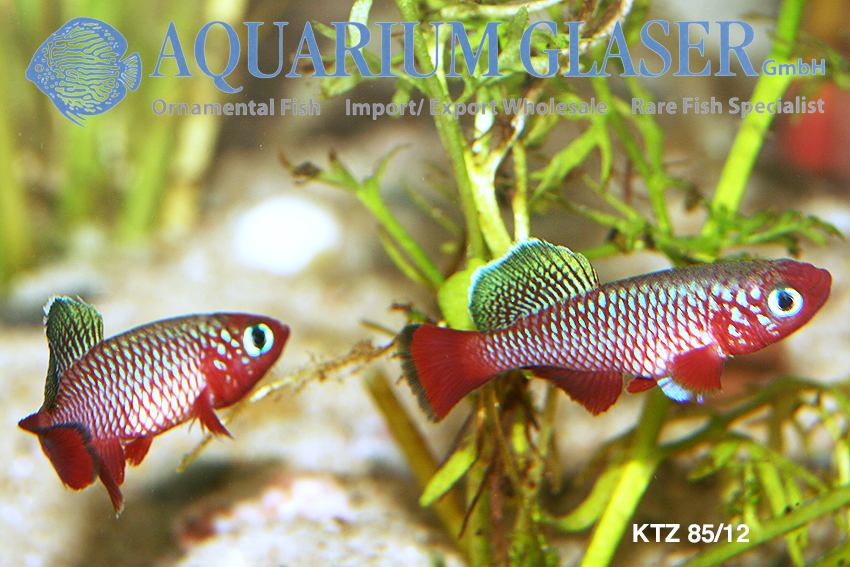
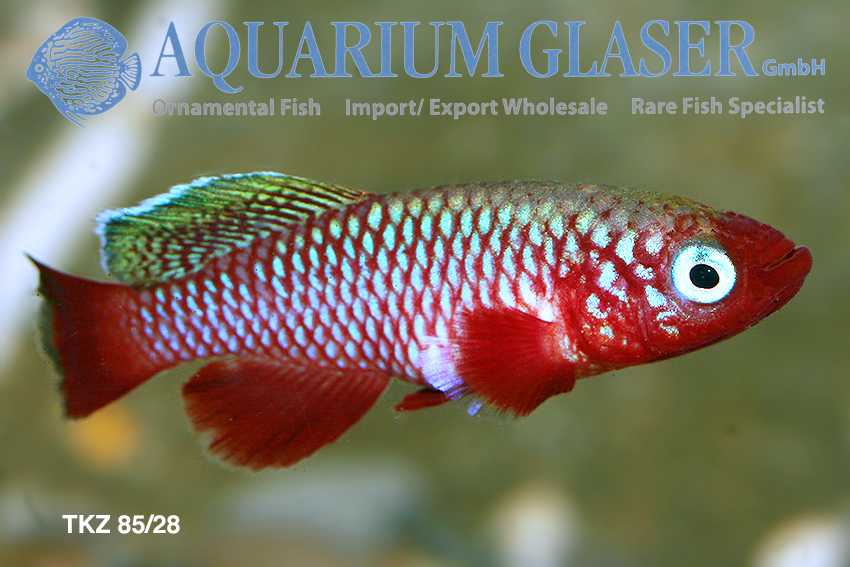
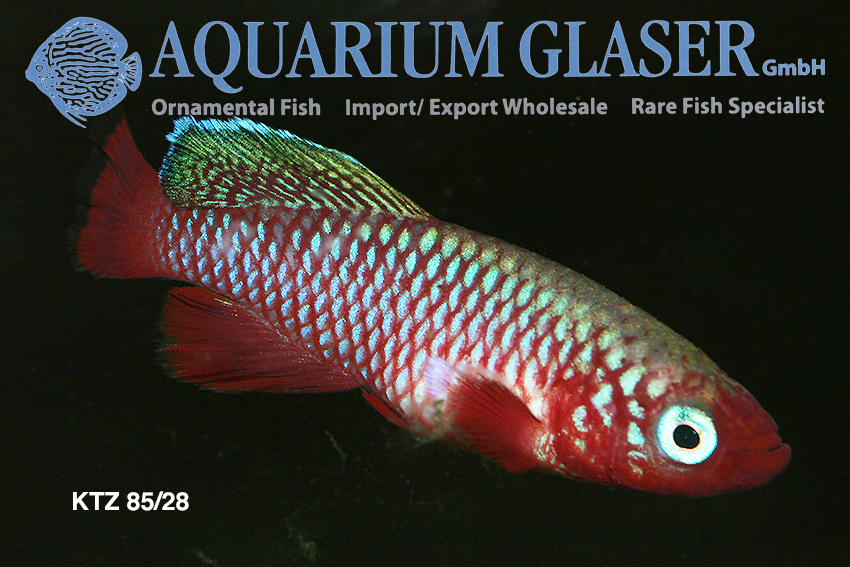
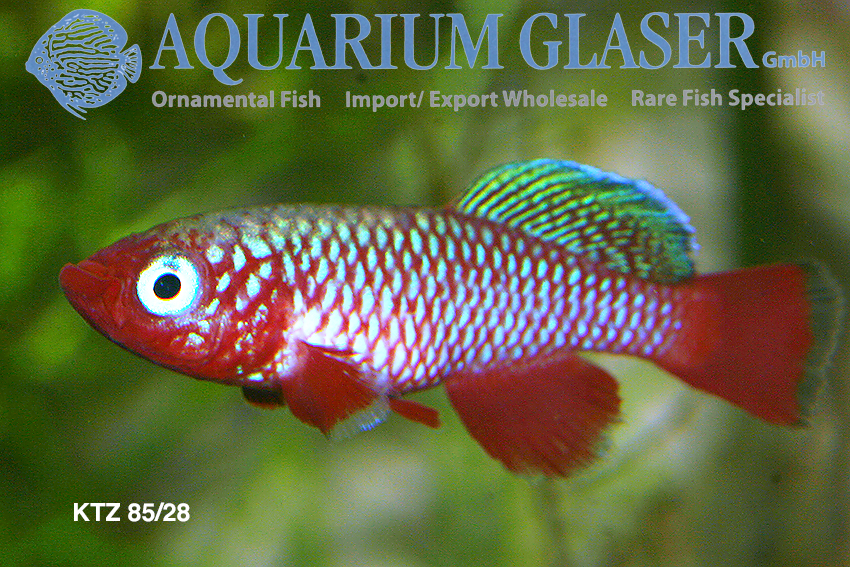
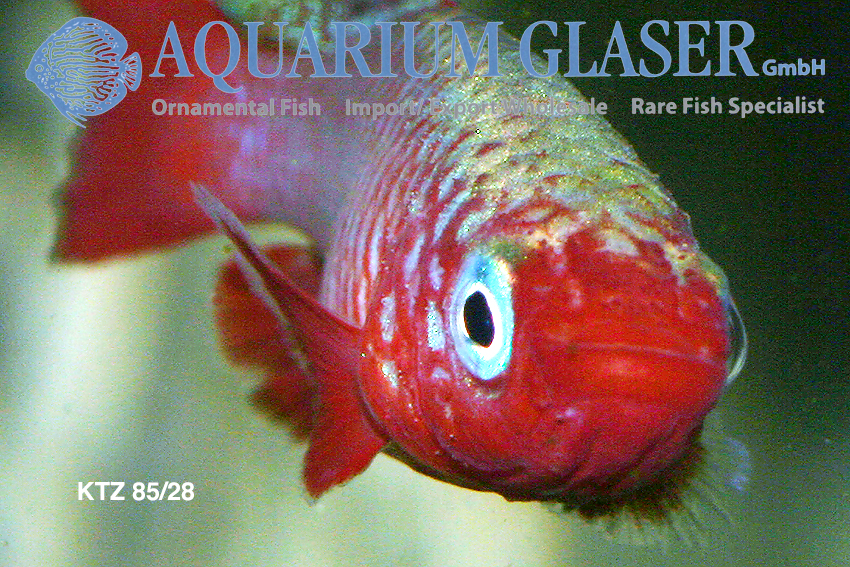
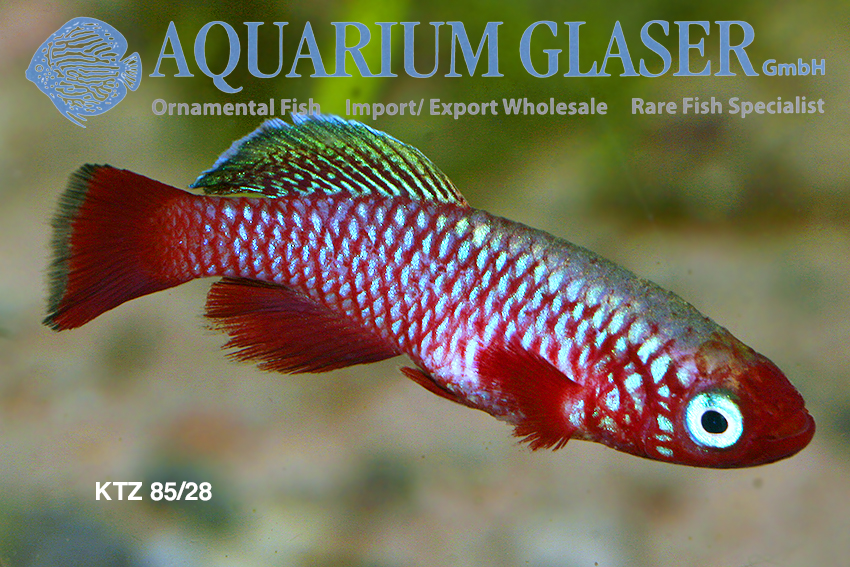
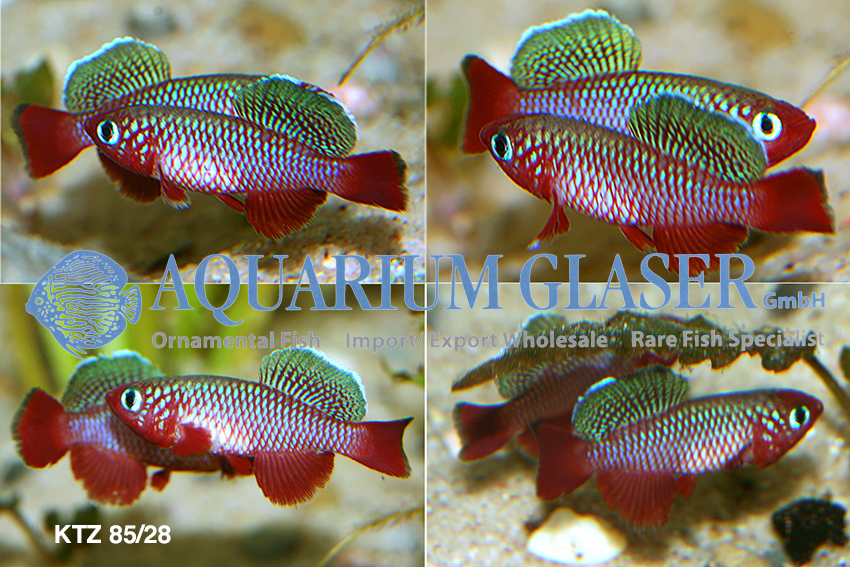
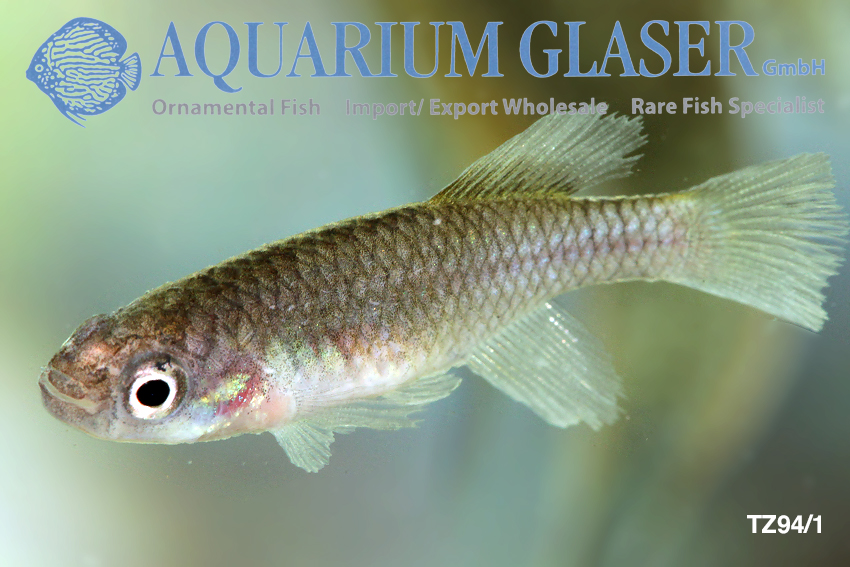
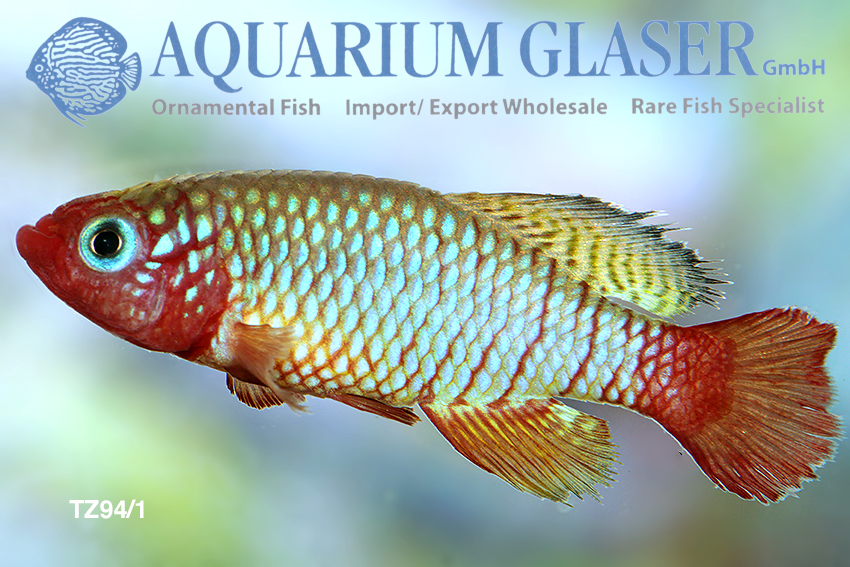
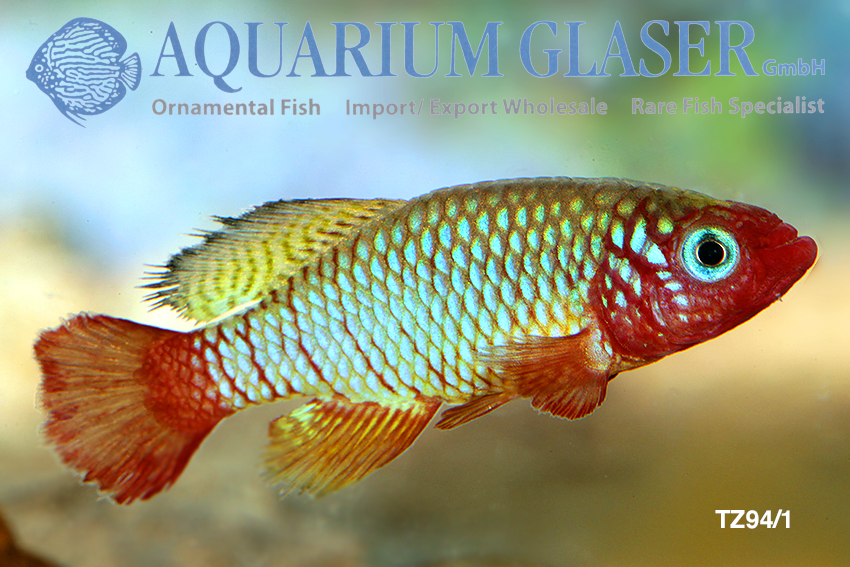
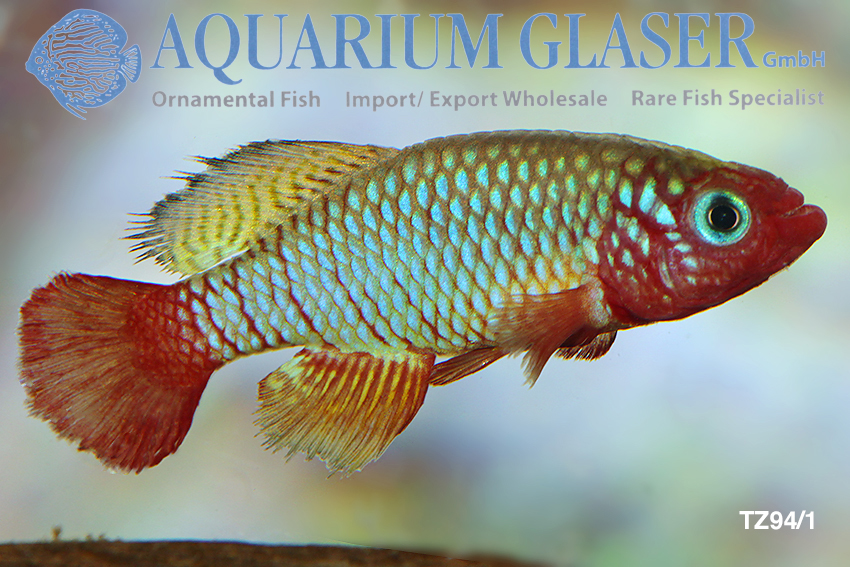
In the wild, these fish likely never live longer than about six months, even though they may be found in bodies of water that remain full for much longer. Their lifespan and spawning season appear to be limited to the period from December (hatching) to early July (death). Fortunately, this particular killifish beauty is considered very productive, and the captive-bred specimens that occasionally appear on the market can still be classified according to the habitat types mentioned above. The photos in this post show younger specimens of KTZ 85/28, which we were able to offer in 2008, and fish from TZ 94/1, which we currently have in stock. Although we received the fish from the breeder without any information on their origin, it is evident that the typical characteristics remain stable over decades of aquarium breeding.
We don’t want to gloss over one drawback of Nothobranchius rubripinnis, especially since it’s likely the reason this beautiful species is so rarely found in “regular” pet stores. The males aren’t just passionate lovers—they also enjoy fighting with one another. That’s why the vast majority of these fish have minor defects on their fins, especially the caudal fin. While this is harmless and heals without issue, it is visually unappealing. Fortunately, true aquarists are not deterred by such things. And so we can hope that Nothobranchius rubripinnis will remain available in our aquariums for another 40 years through captive breeding, as wild-caught specimens from Tanzania are not available in the trade.
For our customers: these fish are listed under code 338203 on our stock list. Please note that we supply exclusively to wholesalers.
Text & photos: Frank Schäfer
