





The genus Osteogaster includes the so-called “bronze corys,” that is, species belonging to the clade of O. aenea (formerly Corydoras aeneus). There are 7 to 11 known species (the status of some species is disputed) and 13 CW numbers. Only recently (2025) was O. oharai described, a species that closely resembles the two long-known species O. rabauti and O. zygata. The two long-known species, Osteogaster rabauti and O. zygata have been imported from Peru, Venezuela, and Colombia for decades; the new O. oharai, however, comes from Brazil (the Aripuanã drainage, a tributary of the Rio Madeira, and the Juruena drainage, a tributary of the Rio Tapajós) and was previously known by the code number CW68. O. oharai is most easily distinguished from the other two when viewed from above. The dorsal stripes of Osteogaster rabauti and O. zygata meet in front of the dorsal fin, thus forming a V when viewed from above, which is not the case with O. oharai.
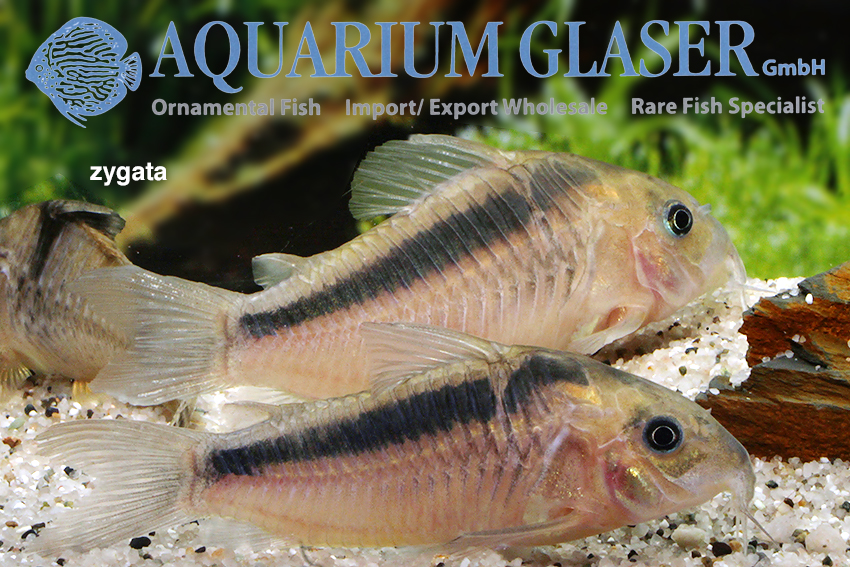
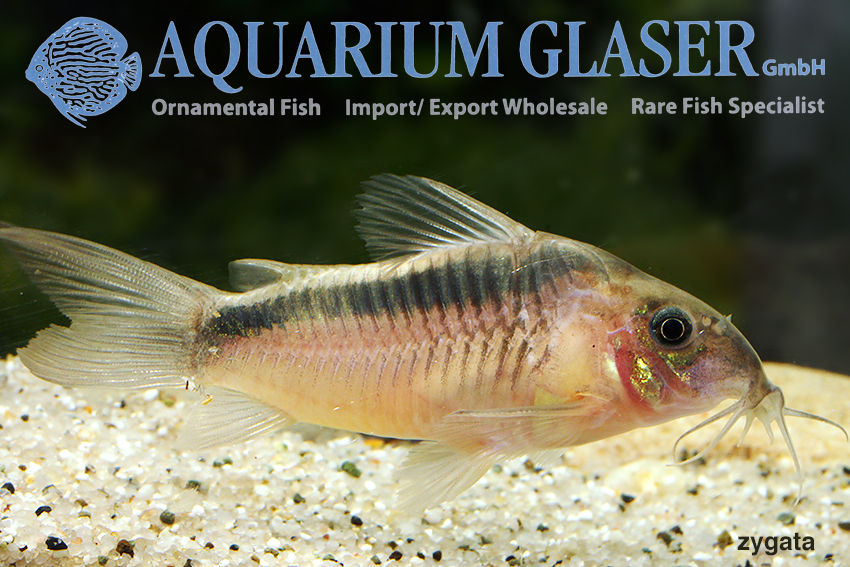
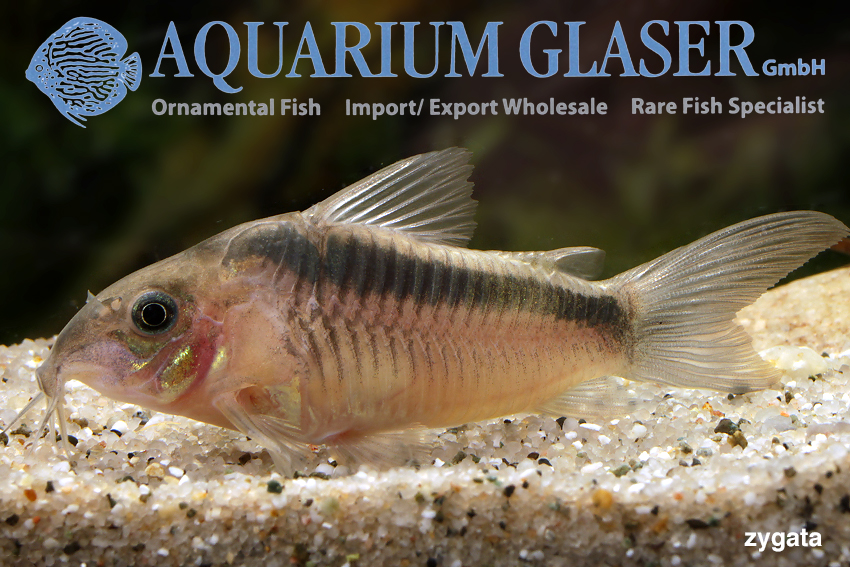
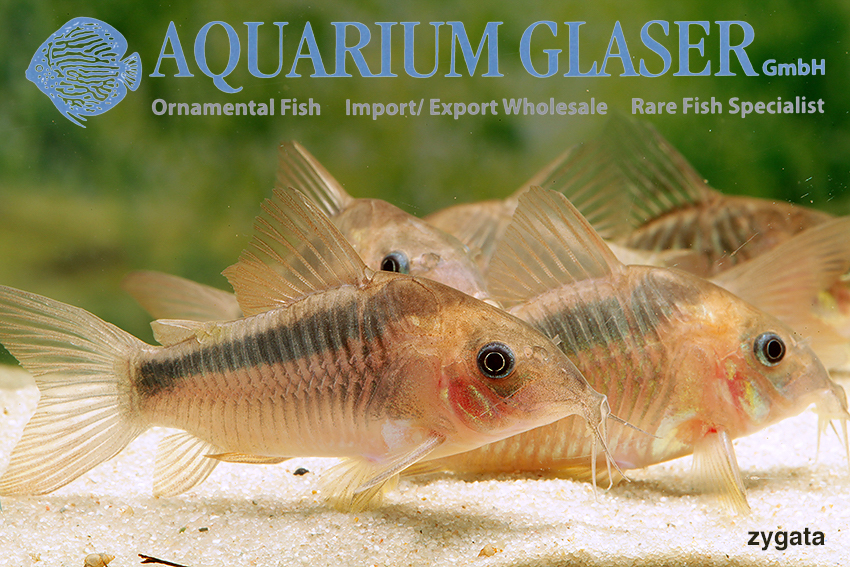
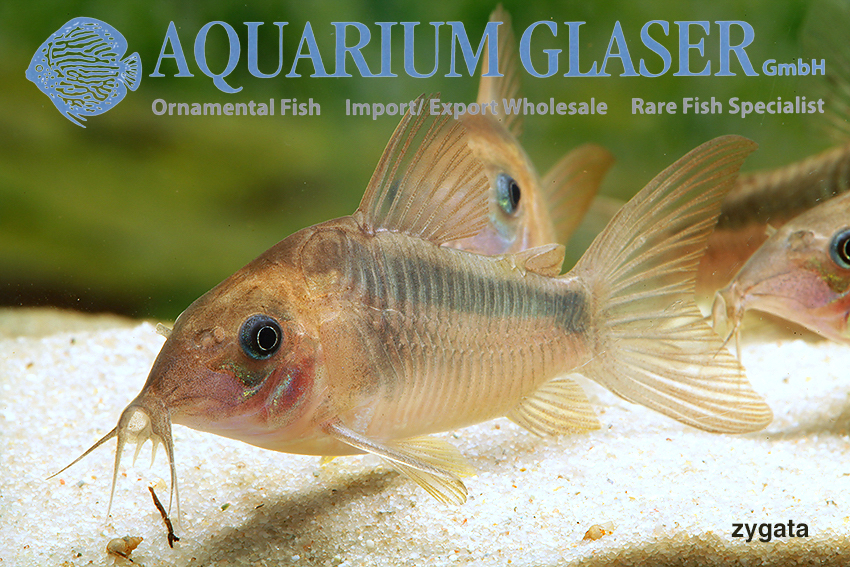
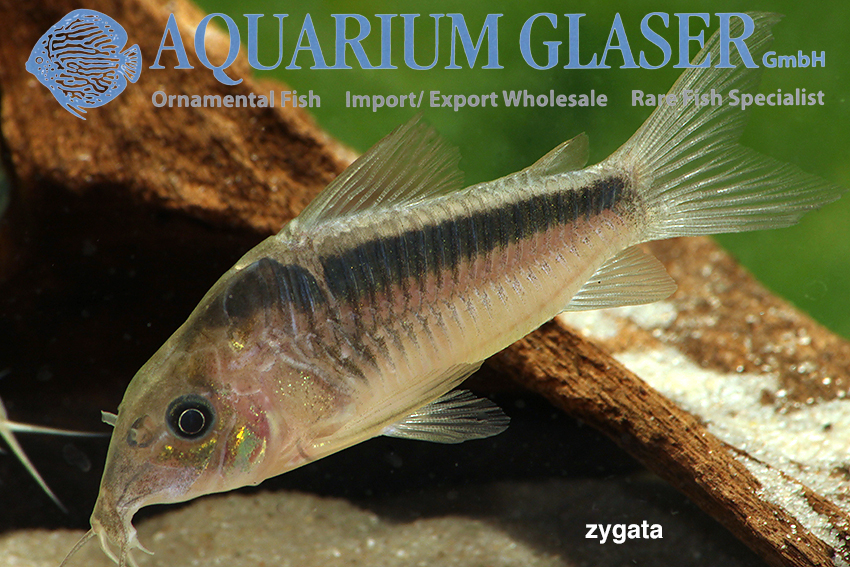
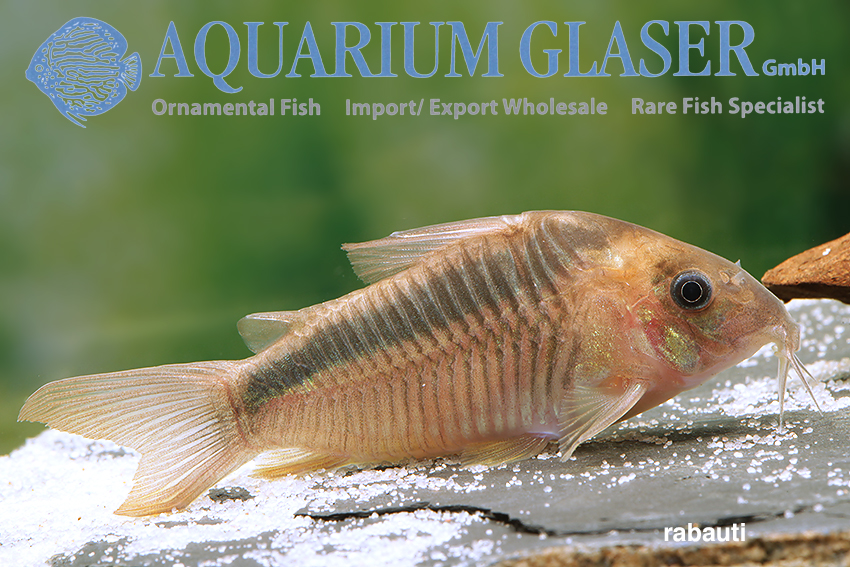
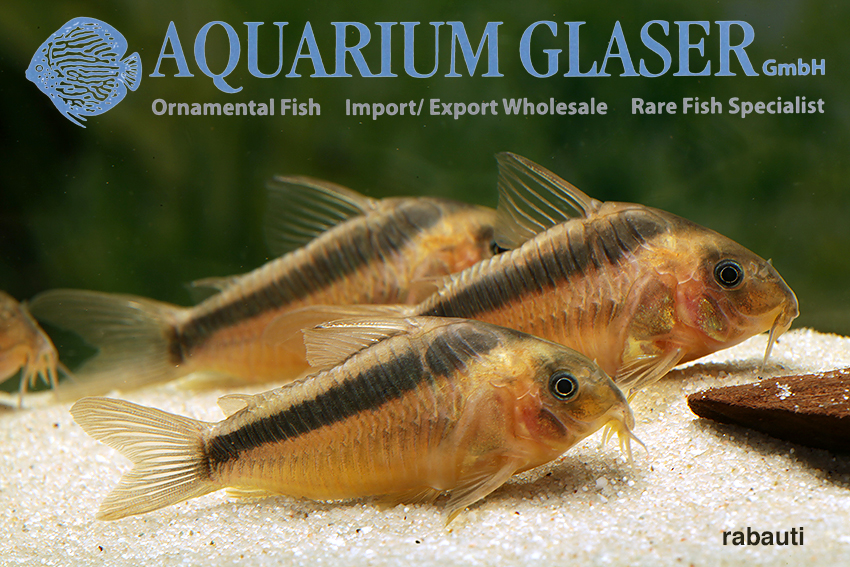
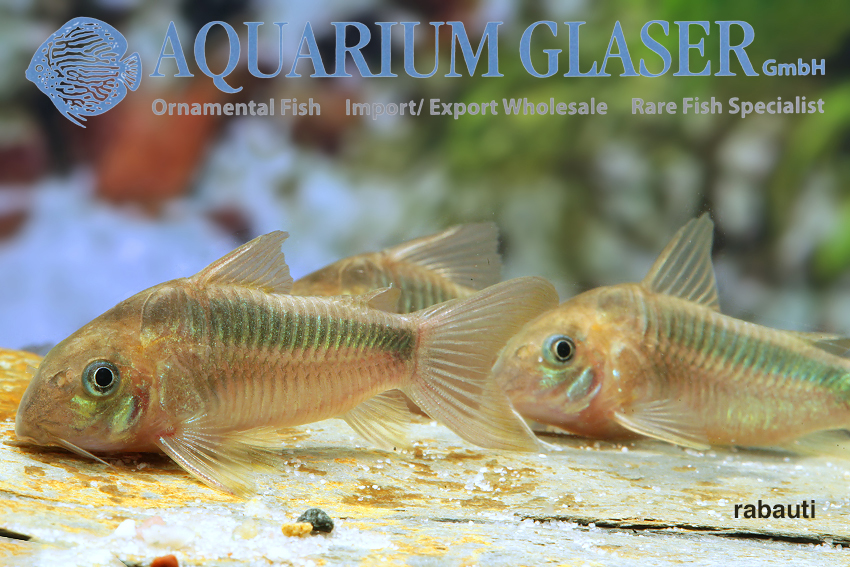
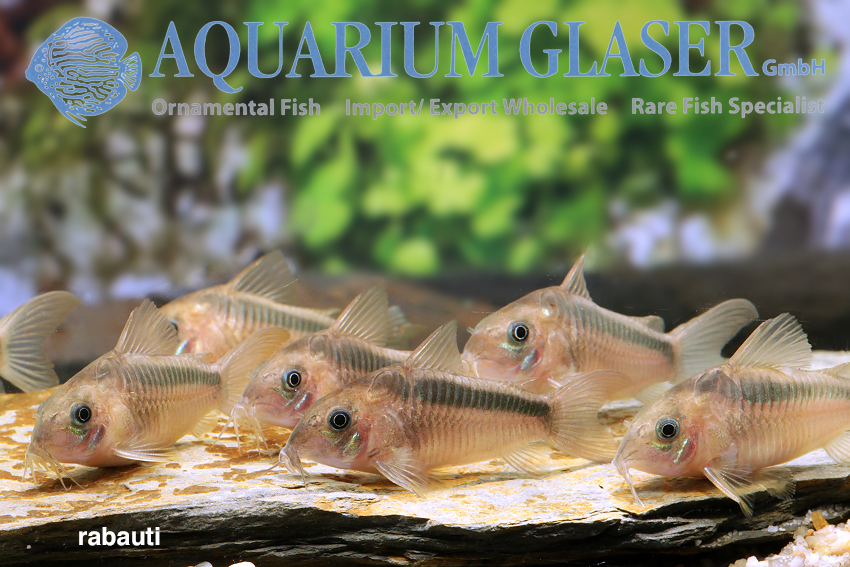
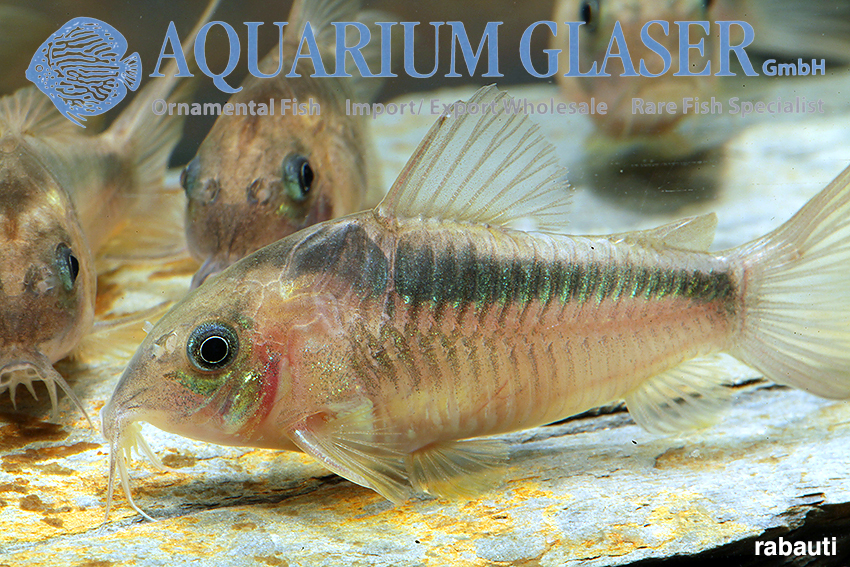
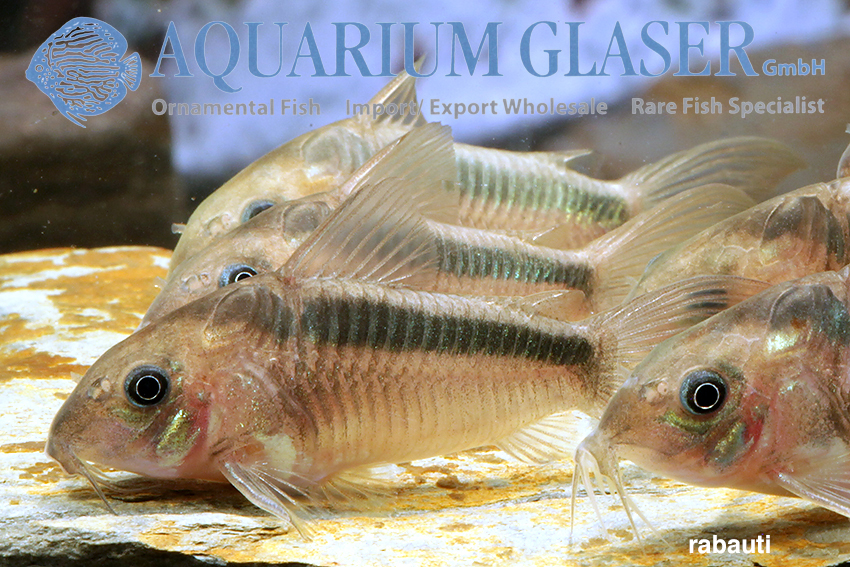
However, the focus of this post is not the newly described species, but rather the two cousins that have been known since 1941 and 1942. Osteogaster rabauti and O. zygata look so similar that one might think they are the same species. In fact, however, they differ strikingly in the coloration of their juveniles up to a total length of about 2 cm. Juveniles of O. rabauti are among the most beautiful armored catfish of all; they have an orange-red anterior body, a broad, bluish-black iridescent body band that extends across the entire height of the body, a light-colored caudal peduncle, and orange dorsal and ventral fins. O. rabauti was described based on such a juvenile, while O. zygata was described practically at the same time based on an adult specimen. Juvenile O. zygata are sand-colored with a few black speckles and transparent fins. The authors who described the two species were unaware of each other’s work.
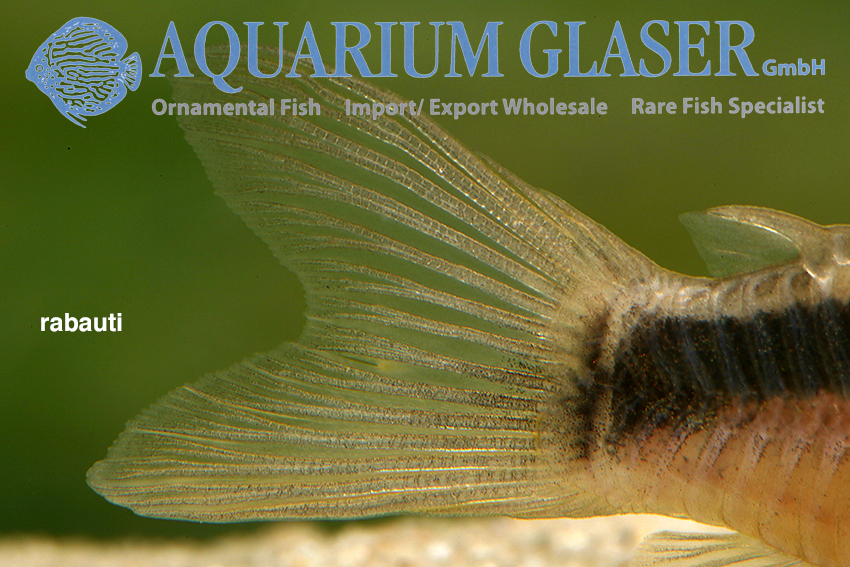
Among hobbyists, it was long believed that body coloration was a useful characteristic for distinguishing between the two species. It was thought to be reddish-brown in O. rabauti (“Rusty Armored Catfish”) and much paler in O. zygata (“False Rusty Armored Catfish”). However, this is incorrect; both species can be reddish-brown or very pale. The degree of metallic-green coloration also varies from individual to individual and is not species-specific. O. zygata grows slightly larger and is slimmer, but such differences are only noticeable when the two are compared side by side. The coloration of the lower half of the caudal fin, on the other hand, is considered a fairly reliable distinguishing feature. In O. zygata, all the fin rays of the caudal fin are equally inconspicuous and colorless; in O. rabauti, the fin rays in the lower half of the caudal fin are black. But be careful: stressed fish can contract the black pigment cells so much that they are no longer visible. This characteristic therefore only works for well-acclimated specimens and, even then, only for fully mature fish. Juveniles of both species have transparent caudal fins. And occasionally, there are populations of O. zygata that also have dark pigmentation in the lower half of the caudal fin.
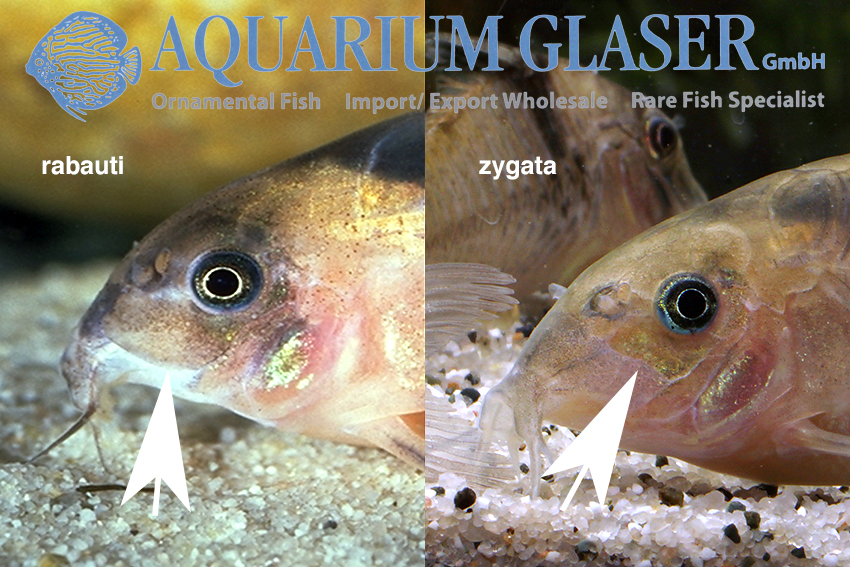
The distinguishing characteristic listed in the aforementioned original description of O. oharai is very helpful. According to this, O. zygata is a relatively long-snouted species in which the anterior lower orbital bone covers only half of the snout, whereas O. rabauti is a relatively short-snouted species in which the anterior lower orbital bone covers the snout almost completely. This bony characteristic can also be observed in live animals, at least in photographs. To make things a bit more challenging, there are also intermediate forms. Consequently, in individual cases and with younger animals, there will always be some residual doubt as to which of the two species is present. Fortunately, both species have identical care requirements, so from a husbandry perspective, it does not matter which species you care for.
Maximum size: approx. 6.5 cm (rabauti), approx. 8.5 cm (zygata); Temperature: 22–28°C; pH and hardness: irrelevant for care (tap water), soft and acidic for breeding; Diet: Omnivorous; Social behavior: Peaceful schooling fish.
For our customers: Depending on their size, the animals are listed under codes 243001–243007 (rabauti) and 249502–249505 (zygata) on our stock list. Please note that we supply exclusively to wholesale customers.
Reference:
Tencatt, L. F. C., V. de Carvalho, H. P. da Silva & M. R. Brito (2025): A new striped Osteogaster (Siluriformes: Callichthyidae) from the Madeira and Tapajós river basins, Brazil, with a new generic diagnosis and an identification key to the species of Osteogaster. Neotropical Ichthyology v. 23 (no. 2): e240134: 1-36.
Text & photos: Frank Schäfer
