








Parotocinclus maculicauda, native to southeastern Brazil (the states of Rio de Janeiro, Santa Catarina, São Paulo, and Espírito Santo), is one of the dwarf sucker catfish that used to be regularly available in large numbers in the trade. The species of the genus Parotocinclus differ from the “normal” dwarf sucker catfish (Otocinclus) in that they possess an adipose fin, which is typically absent in Otocinclus. The type species of the genus Parotocinclus is P. maculicauda, which was described as early as 1877. About 100 years later—in the 1970s—scientific interest in these dwarf catfish was rekindled, and in 1977 the first major study was published in the form of a revision, in which 11 species were recognized as valid. From then on, progress accelerated significantly, and currently (2026) there are 26 accepted species.
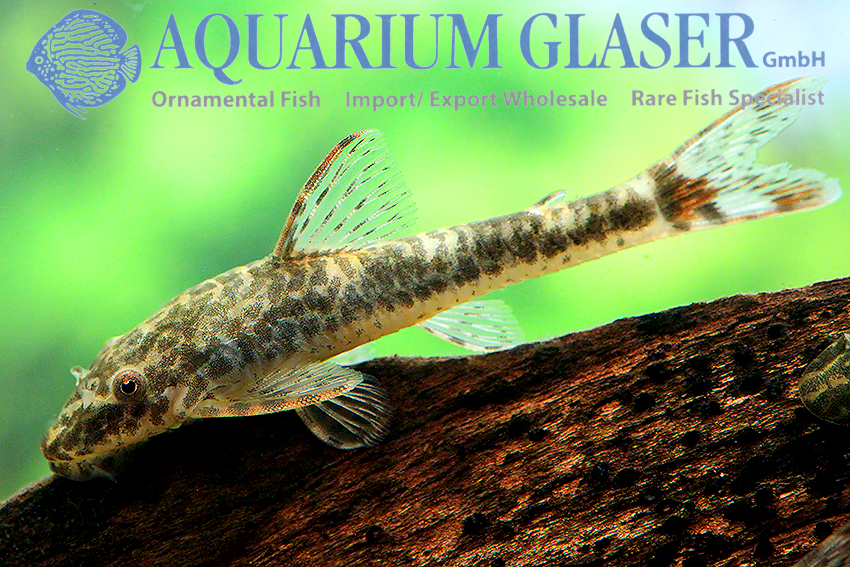
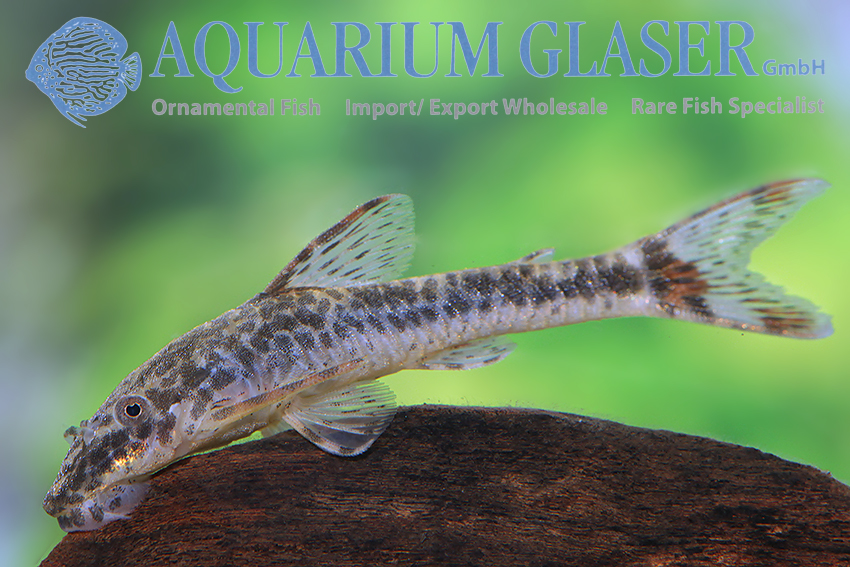
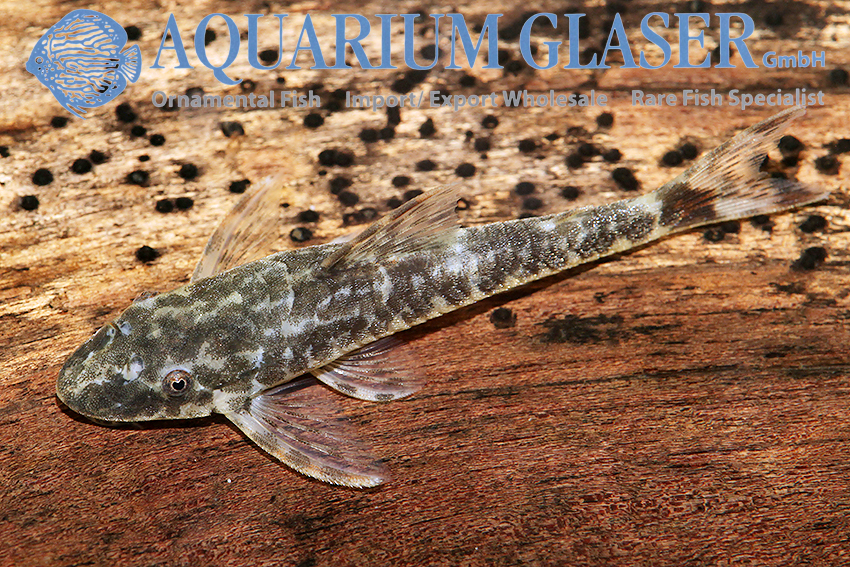
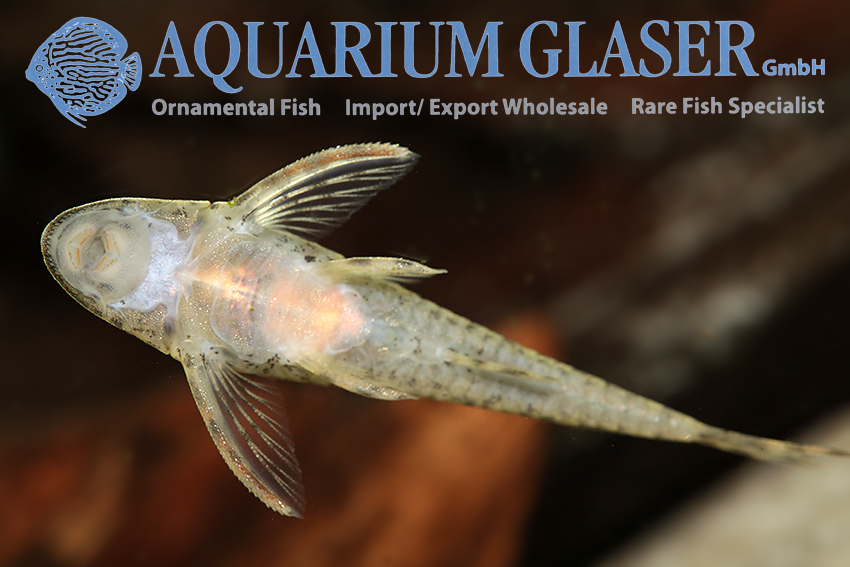
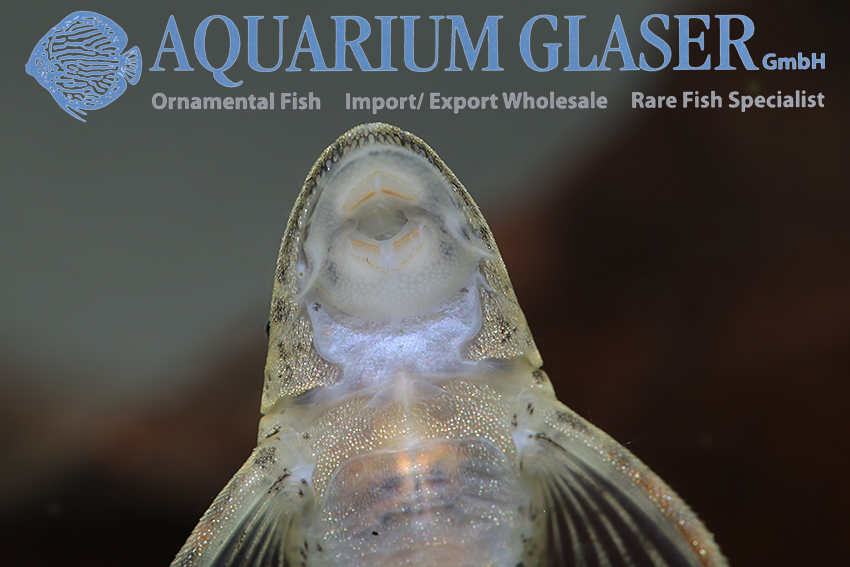
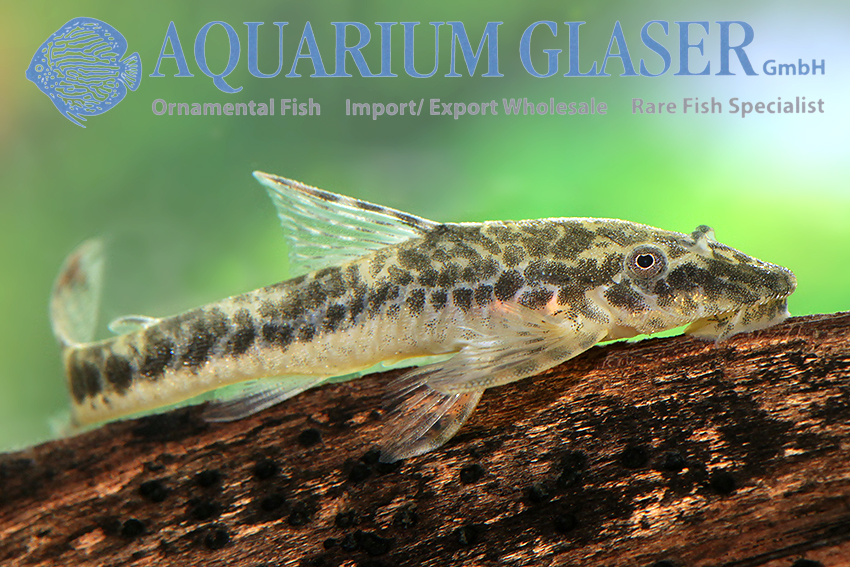
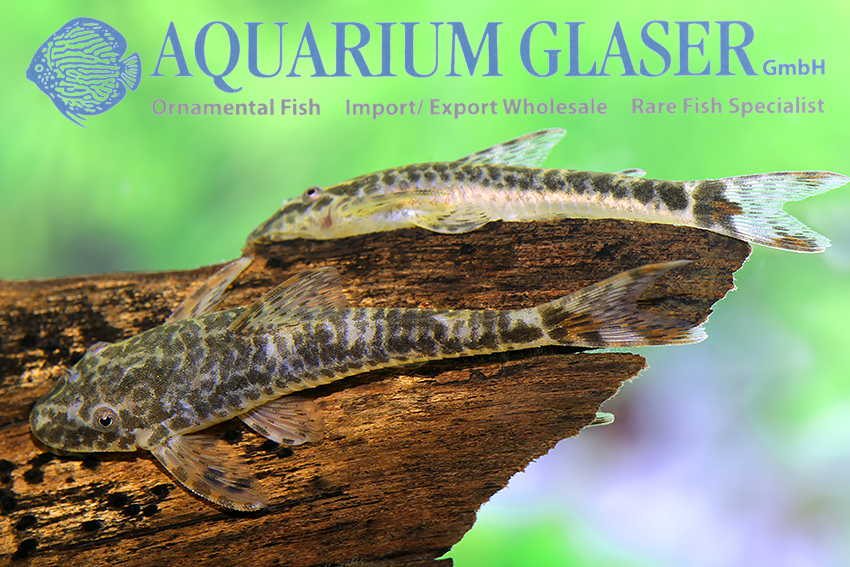
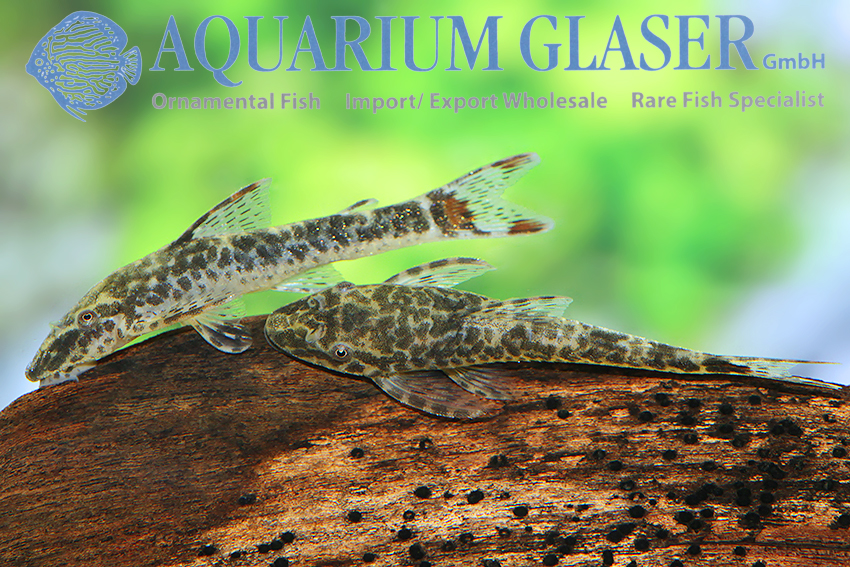
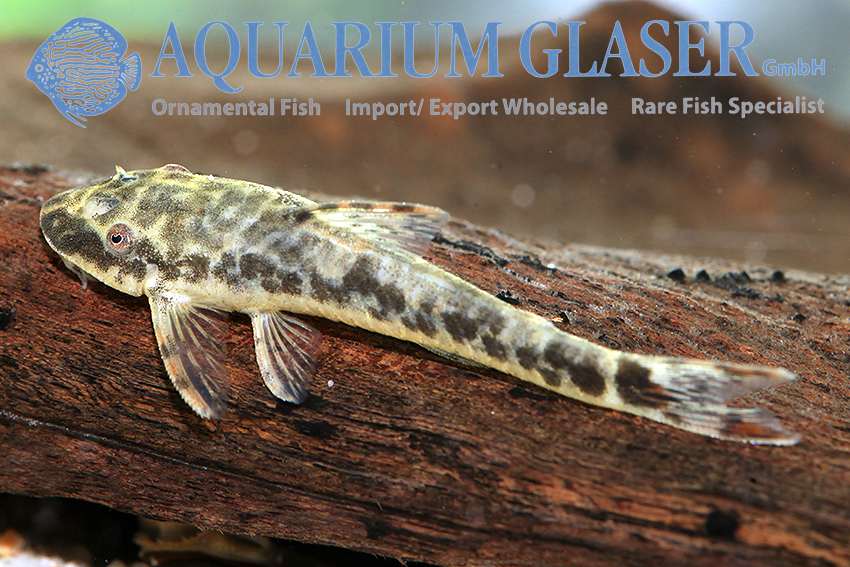
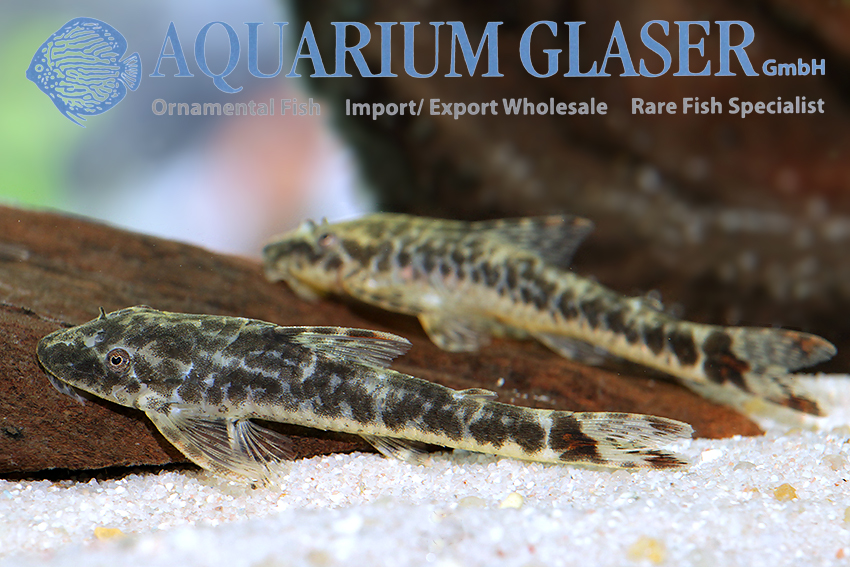
Political reasons were the cause of the long-standing halt in ornamental fish exports from southern Brazil. We are very pleased that this seems to be changing again, meaning that many beautiful species well-suited for the aquarium hobby can now be offered, at least occasionally. Parotocinclus maculicauda is not considered endangered and has a wide distribution, so there are no reservations whatsoever regarding wild-caught specimens.
Parotocinclus maculicauda reaches a maximum length of 5.5 cm. However, specimens from the state of São Paulo are said to remain significantly smaller (around 3.5 cm; Mergus Catfish Atlas, Vol. 1: 370). The exporter from whom we source our P. maculicauda is based in São Paulo. Although we do not know the exact collection area of our fish, the largest specimens are around 5 cm long (total length, i.e., including the caudal fin).
P. maculicauda is a fish that inhabits cool waters. Room temperature (18–22°C) without additional heating is ideal for this species. As a stream dweller, P. maculicauda has high demands on water quality. The water must be free of bacteria and as free of organic matter as possible; otherwise, you won’t enjoy the fish for long. The fish also appreciate good water flow and high oxygen levels. Dead leaves (European beech, oak, catappa, etc.) should always be present in a Parotocinclus aquarium, as they form an important part of their diet; otherwise, they are omnivores with a clear preference for aufwuchs (i.e., algae growth on rocks, roots, and plants, along with the microorganisms living within it). P. maculicauda are peaceful, sociable fish that should ideally be kept in a group. Breeding is certainly possible but rarely practiced.
For our customers: depending on size, these fish are listed on our stock list under codes 276602 (md) through 276604 (lg-xlg). Please note that we supply exclusively to wholesale customers.
Text & photos: Frank Schäfer
