








Currently (September 2025), 28 species are assigned to this genus. The genus was established in 1907 by Eigenmann for the species Tetragonopterus pectinatus, described in 1870 by Cope from Peru (Pebas). Cope’s description was not accompanied by any illustration, so Fowler drew the holotype in 1907, which he classified in the genus Astyanax. Based on this drawing, it would be difficult to recognize a Phenacogaster; no wonder, then, that Steindachner fabricated two synonyms for P. pectinata in 1876 and 1882: Tetragonopterus tabatingae and T. bairdii. That was it for the 19th century.

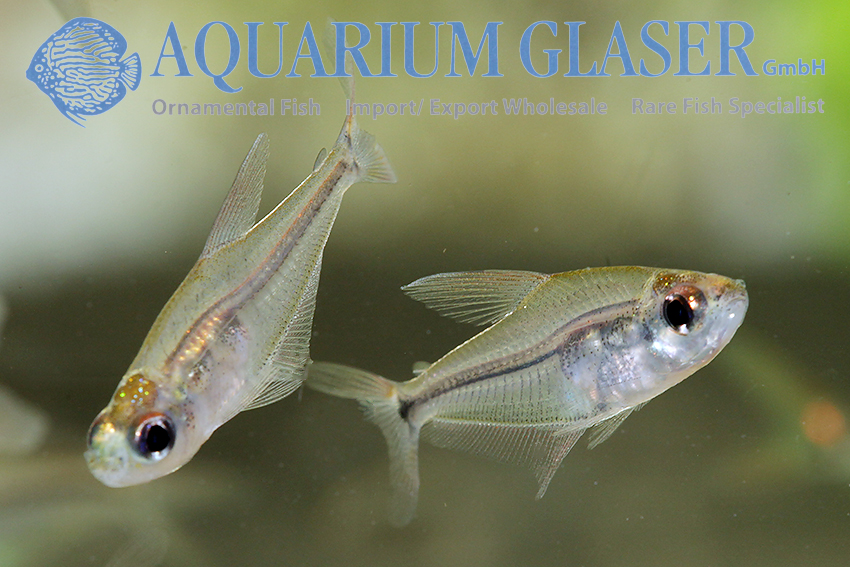

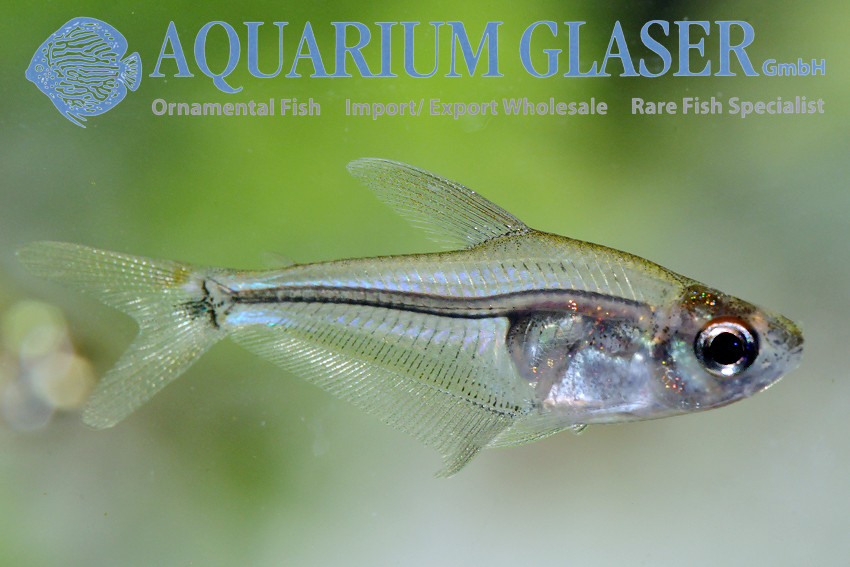
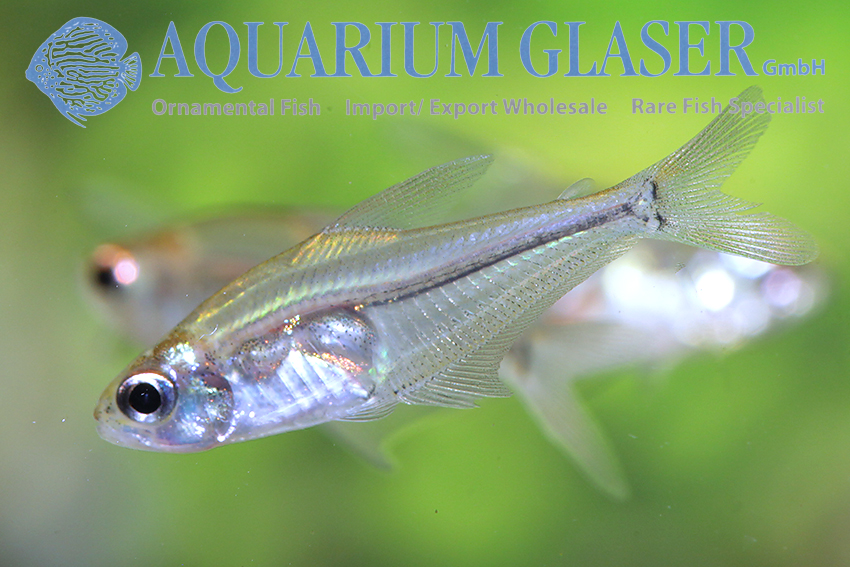
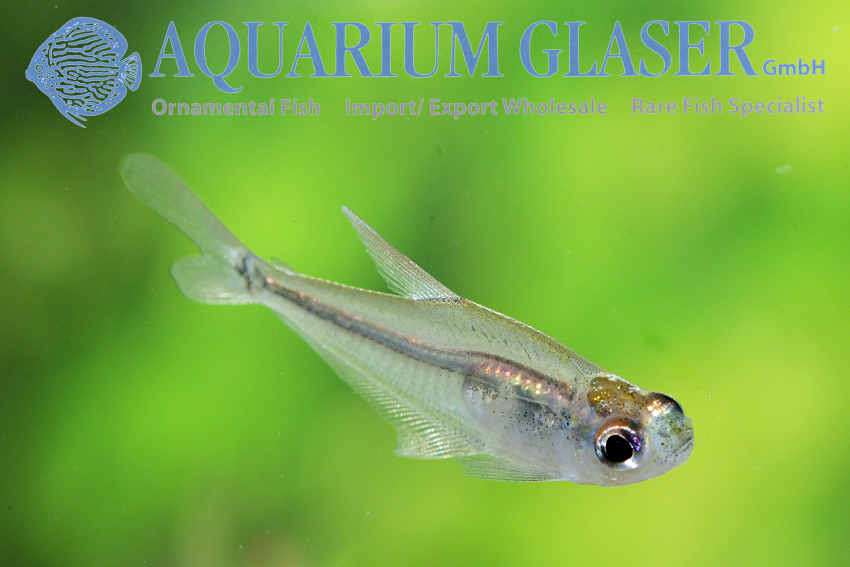
The characin specialist Eigenmann described two species in 1909 and three more in 1911, while Norman (1934), Ahl (1936), and Fowler (1941) each described one species. Thus, by the middle of the 20th century, nine species were known, although this is a simplified representation, as not all of them were classified under Phenacogaster. Conversely, the fish described by Fowler in 1911 as Phenacogaster bondi is now classified as Gymnocorymbus, which is undoubtedly correct.
Then there was a long period of silence surrounding this group of tetras. It was not until 1995 that another species description followed, together with a new diagnosis of the genus. Brazilian ichthyologist Zilda Margarete Seixas de Lucena, already senior author of the 1995 paper, discovered these small tetras for herself and began researching them. The result is impressive. One of the species described in 2023, P. lucenae, was named in honor of Lucena and is the 15th new species since 1995! In terms of color, Phenacogaster are certainly no revelation. Most are small, transparent fish, usually with a shoulder spot, often with a tail root spot. They look very, very similar. Anyone who wants to delve into the finer points of species differentiation should start with the 2010 work “Descrição de nove espécies novas de Phenacogaster (Ostariophysi: Characiformes: Characidae) e comentários sobre as demais espécies do gênero” by Lucena & Malabarba (free download here: https://www.scielo.br/j/zool/a/47FyqVP45DrQ3wNV9Jwqt3k/?lang=pt), which discusses all species recorded to date and provides an identification key.
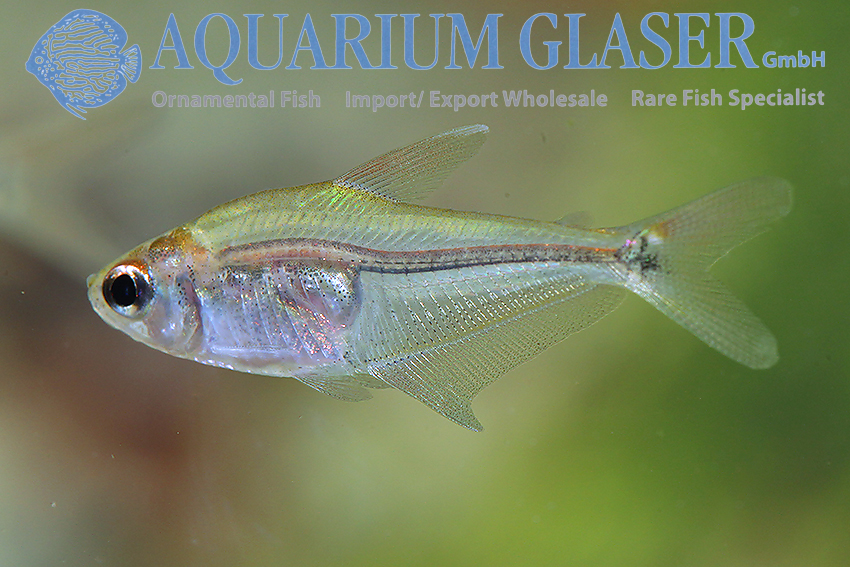
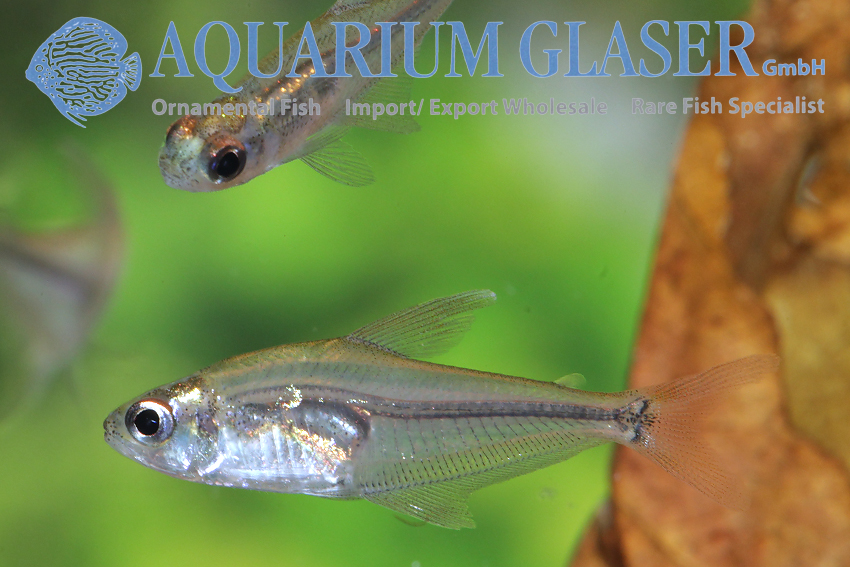
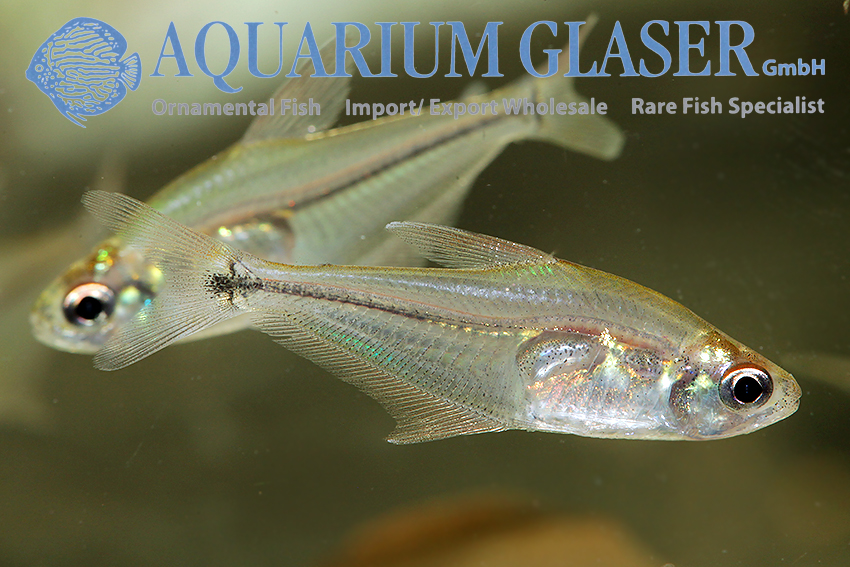
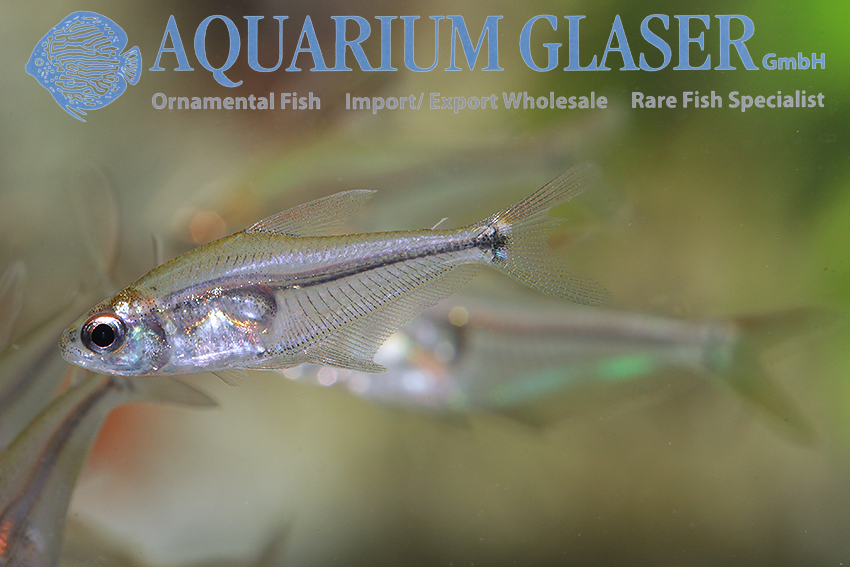
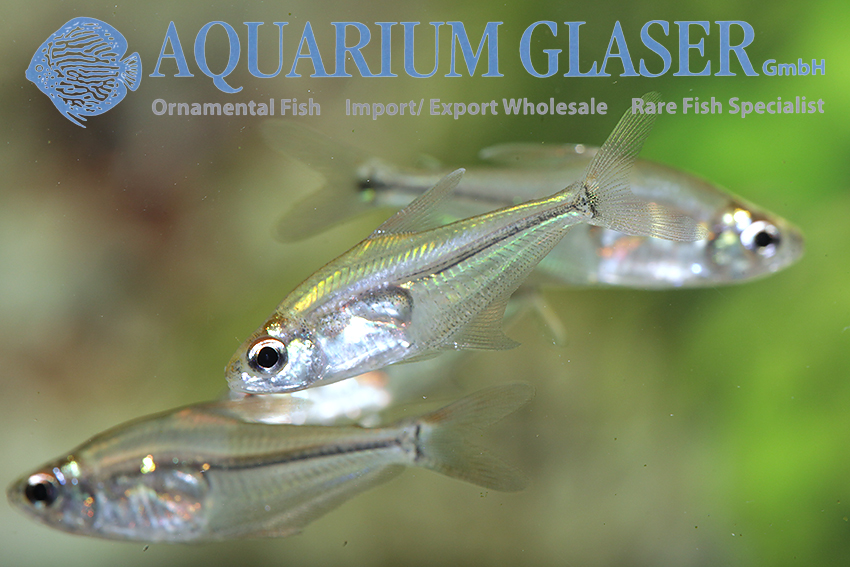
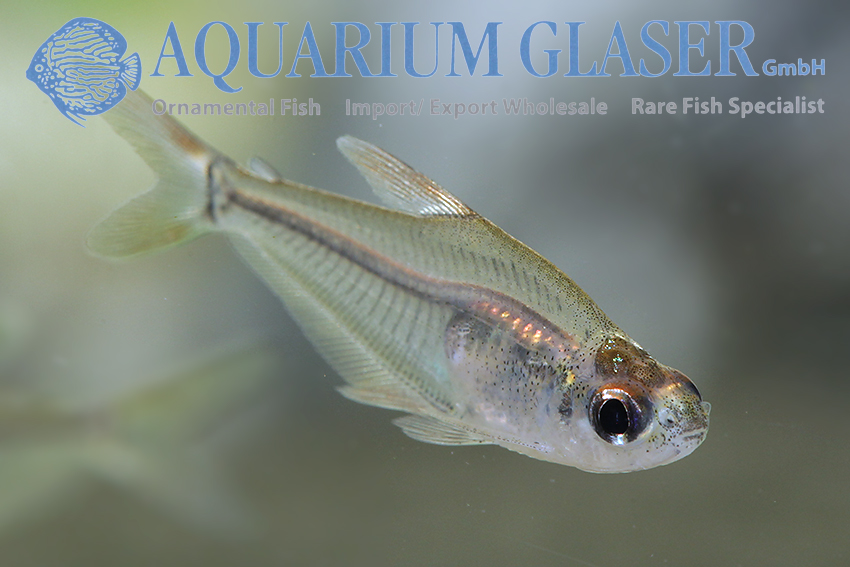
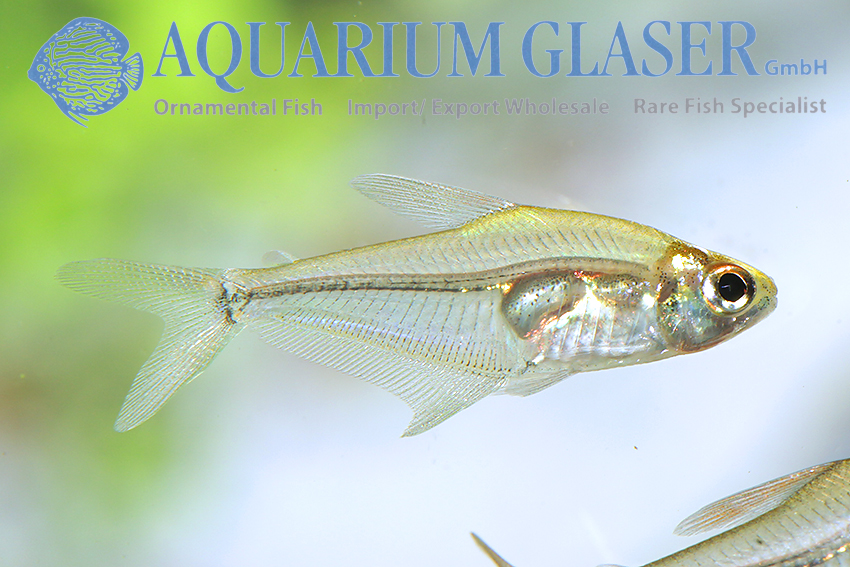
We have now been able to import a previously unknown Phenacogaster species from Peru for the first time. It should be clear that, based on the above list, an exact identification is complicated, as most newly described species are only known from preserved material. But our little newcomer—the animals are about 3 cm long (including the tail fin)—has no shoulder spot, no tail root spot, and comes from Peru. That narrows down the selection. We are probably looking at Phenacogaster capitulata, which was described in 2010 from the Neshuya River basin (part of the Rio Ucayali basin).
When in mating mood, the presumed males develop pretty orange fins with a white tip on the dorsal fin. This makes them vaguely reminiscent of the hummingbird tetra (Trochilocharax ornatus) in color, but they are considerably paler. The neon colors in some pictures are a result of the flash; to the naked eye, the fish are mainly transparent. They are peaceful animals that are best kept in a dimly lit aquarium with dark substrate. Their large eyes indicate that these fish do not like bright light. In terms of care and food, the animals have proven to be completely undemanding in our experience.
For our customers: the animals have code 278312 on our stock list. Please note that we only supply wholesale.
Text & photos: Frank Schäfer
