








Mormyrids are incredibly interesting fish. There are about 230 species in 22 genera, all of which live in Africa. Unfortunately, most species look very similar to one another and aren’t particularly attractive in color. But for aquarists with a thirst for knowledge, there are few more exciting subjects to study. The genus Pollimyrus comprises 23 species, four of which were only described in 2024. It is not necessarily external characteristics that lead to the discovery of new species, but rather the “language” of these fish. They have developed a communication system based not on acoustic sounds, but on electrical discharges. All mormyrids have a weakly electric organ in their caudal peduncle. The species can be easily distinguished by their discharge patterns. The animals use these EODs (electric organ discharges) to communicate with one another, and it has been shown that each species indeed speaks its own language.
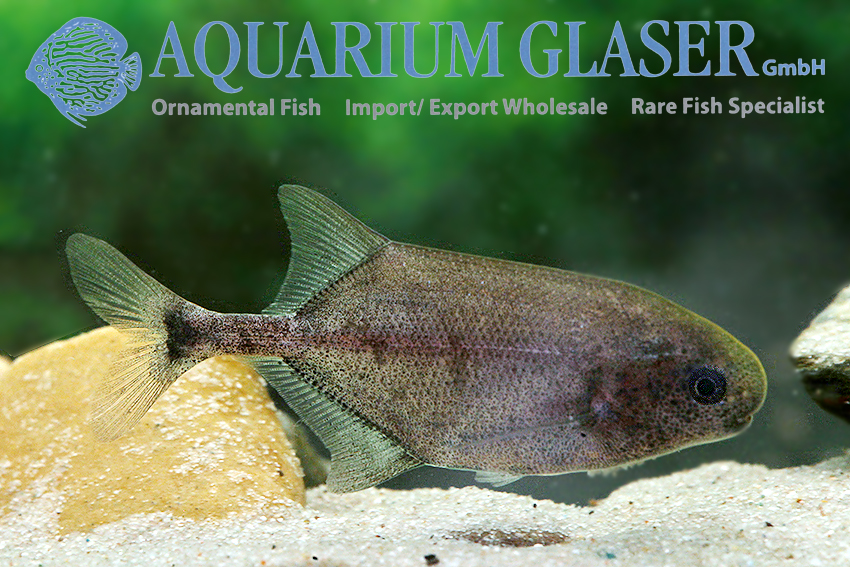
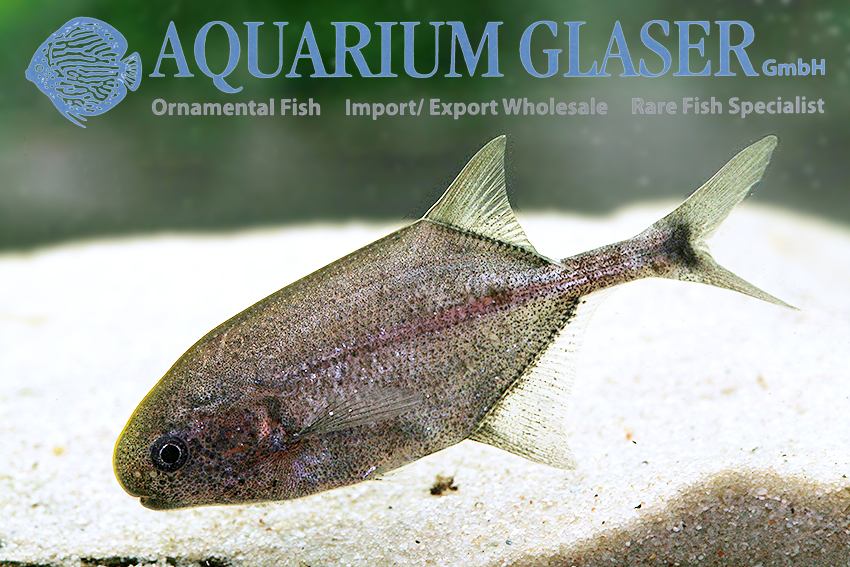
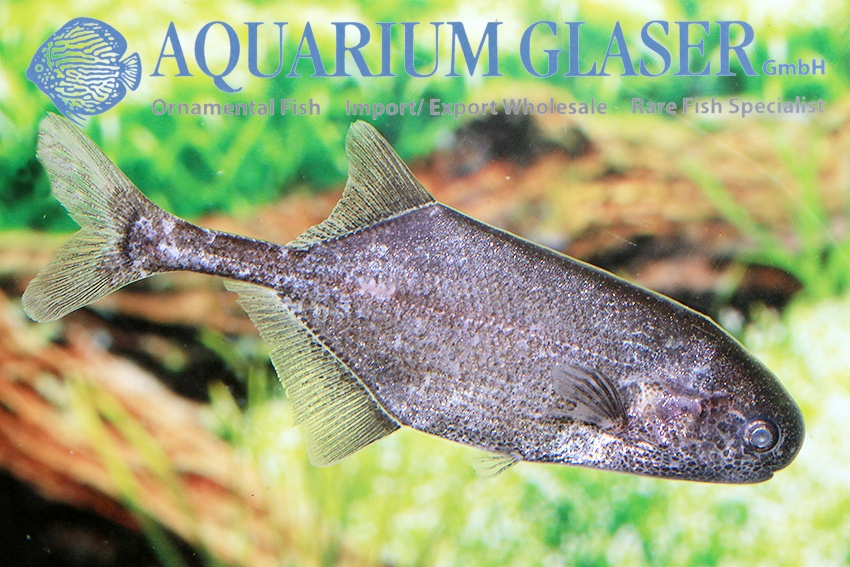
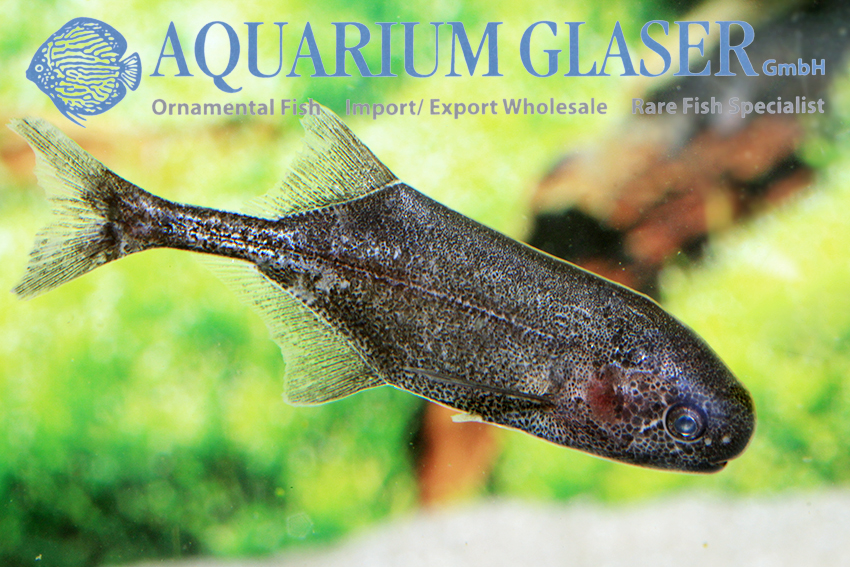
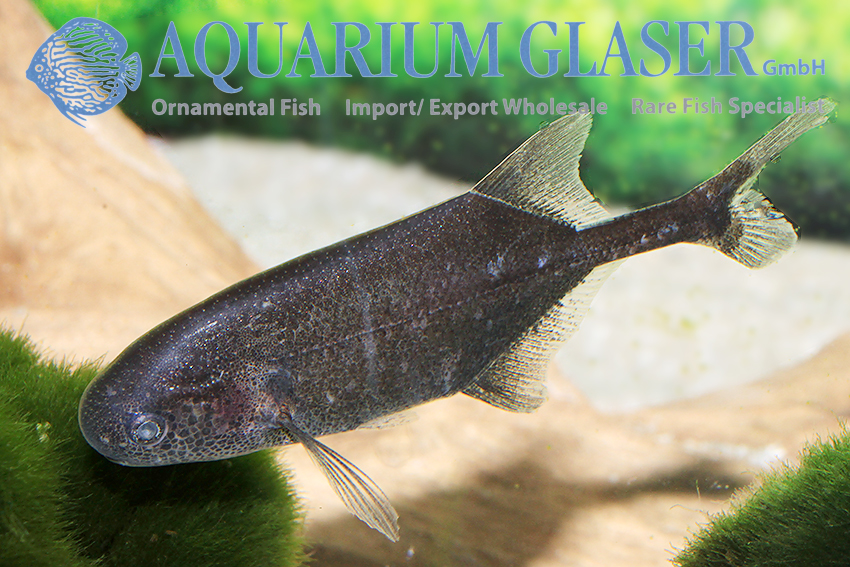
Pollimyrus adspersus is a species that has been known for a very long time and has been reported from many parts of West Africa. Since the collection site of the specimens on which the description is based (the syntypes) is unknown for this species, P. adspersus is problematic from a scientific standpoint, and it must be assumed that many reports of P. adspersus actually refer to other, very similar species.
The (sparse) aquarium literature on P. adspersus is also rather confusing. At any rate, it is known that this species (under the name Petrocephalus bovei) was bred by chance as early as 1969. Later, the research group led by Frank Kirschbaum specifically bred these fish (under the name Pollimyrus isidori) and studied their development. As knowledge grew, the difference between P. isidori and P. adspersus was finally clarified, and Kirschbaum et al. determined that all Pollimyrus specimens bred in aquariums to date are likely P. adspersus.
P. adspersus is a comparatively small mormyrid species that grows to only about 8–10 cm in length. Nevertheless, it is highly assertive and will even chase significantly larger fish out of its territory. P. adspersus cares for its brood and builds a nest. In short: these are very fascinating fish, and entire books could be written about their behavior.
After a long time, we’ve once again been able to import P. adspersus from Nigeria. These fish are adaptable when it comes to water parameters, but for breeding, you’ll need to simulate the rainy season. The water temperature can range from 22 to 26°C. They prefer to eat red mosquito larvae (frozen or live), but they’ll also accept other foods. The fish are somewhat aggressive toward one another, so it is necessary to use large aquariums equipped with plenty of hiding spots. It would go far beyond the scope of this article to discuss the aquarium biology of these fish in detail; for more information, please refer to the relevant literature.
For our customers: these fish are listed under code 161103 on our stock list. Please note that we supply exclusively to wholesale customers.
Text & photos: Frank Schäfer
