








At first glance, you might think you’re looking at an “Oto negro” (Otothyropsis piribebuy), but a closer look reveals that this is a very special dwarf sucker catfish saying “hello”: Pseudotothyris obtusa. Species belonging to the genera Hisonotus, Otothyris, Otothyropsis, Pseudotocinclus, Pseudotothyris, and Schizolecis look very similar in appearance and also have similar requirements for aquarium care.
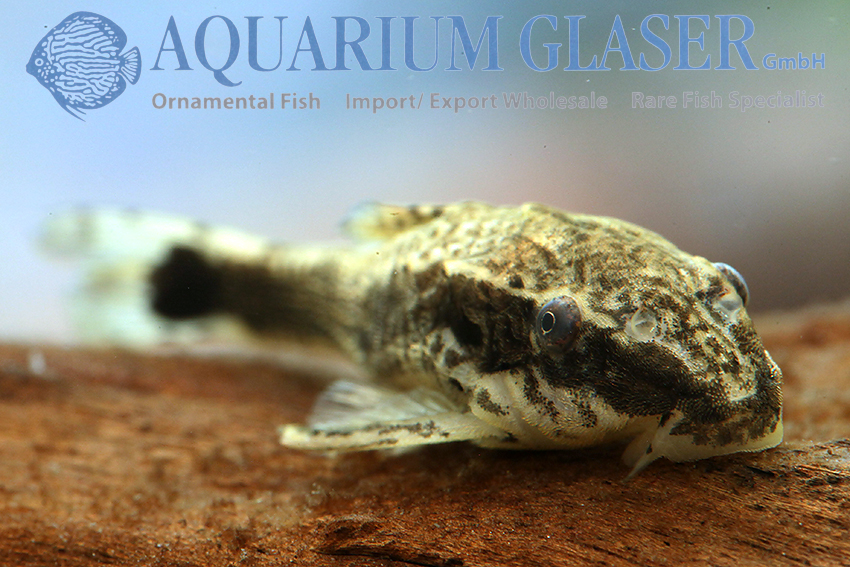
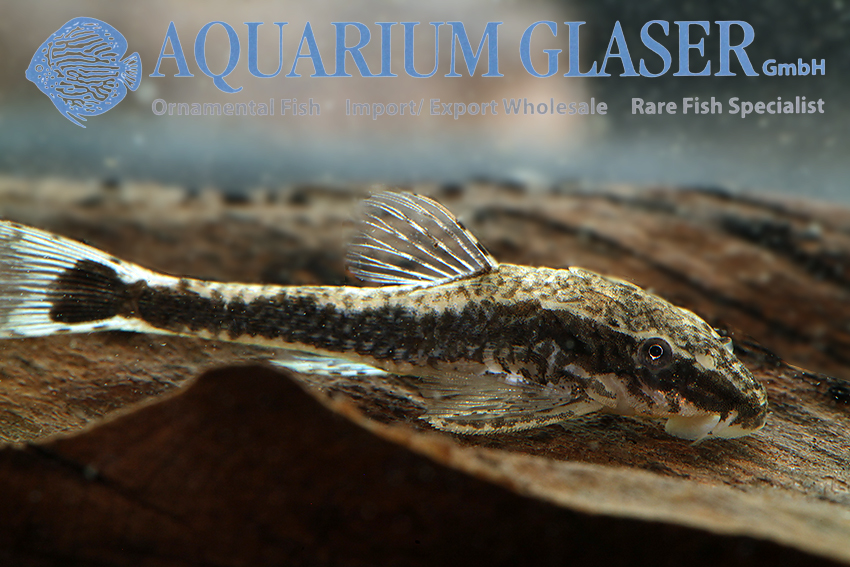
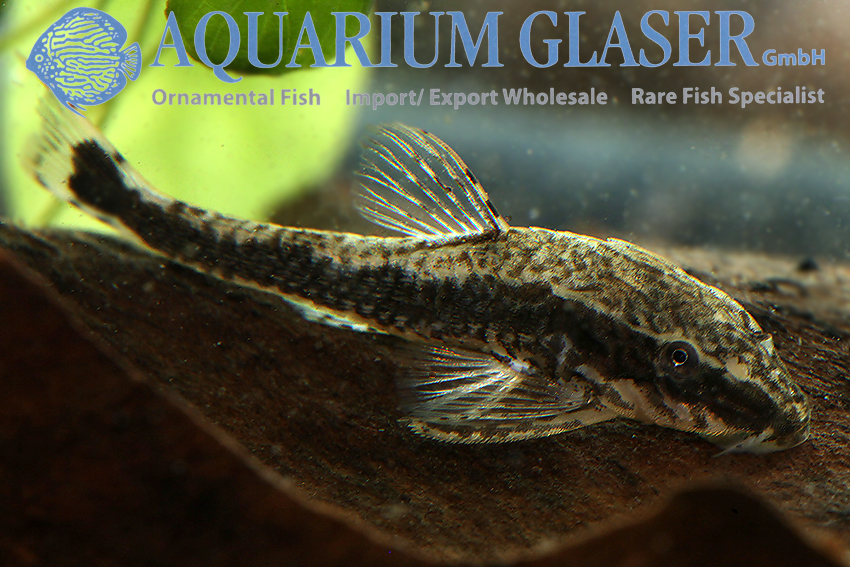
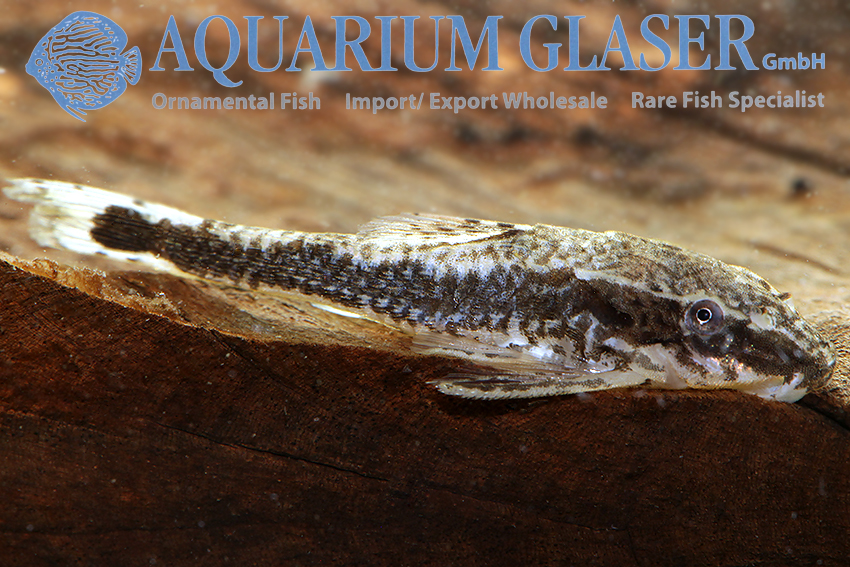
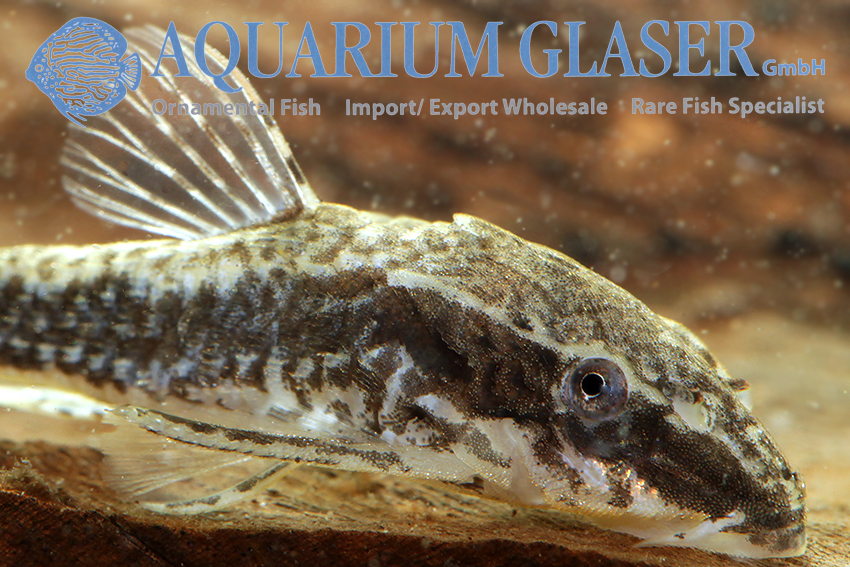
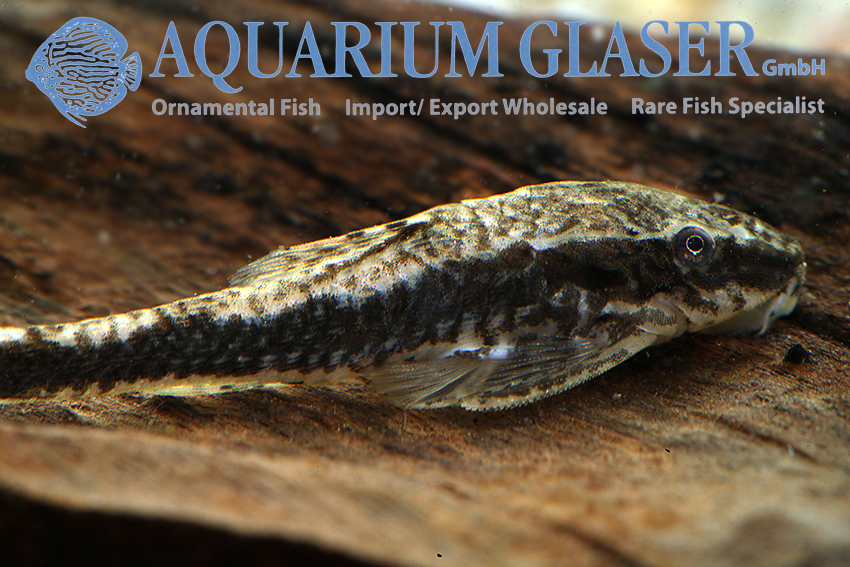
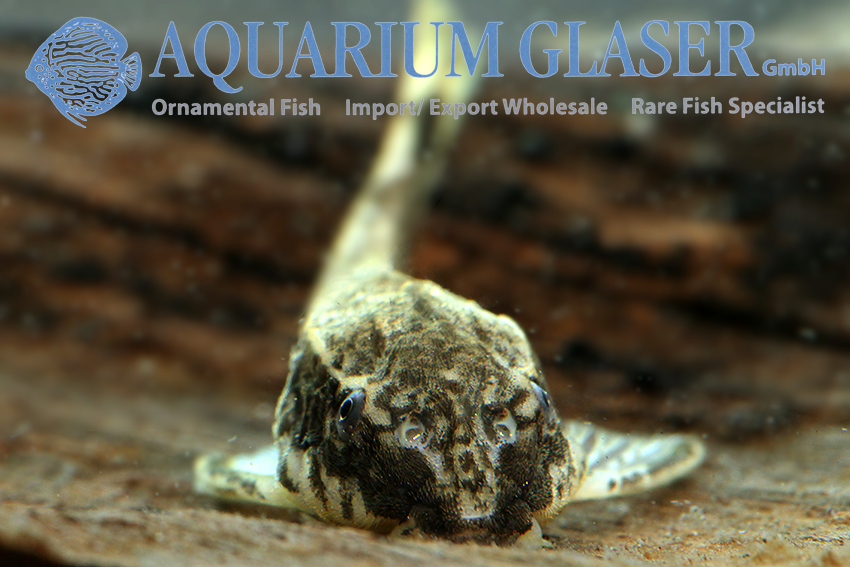
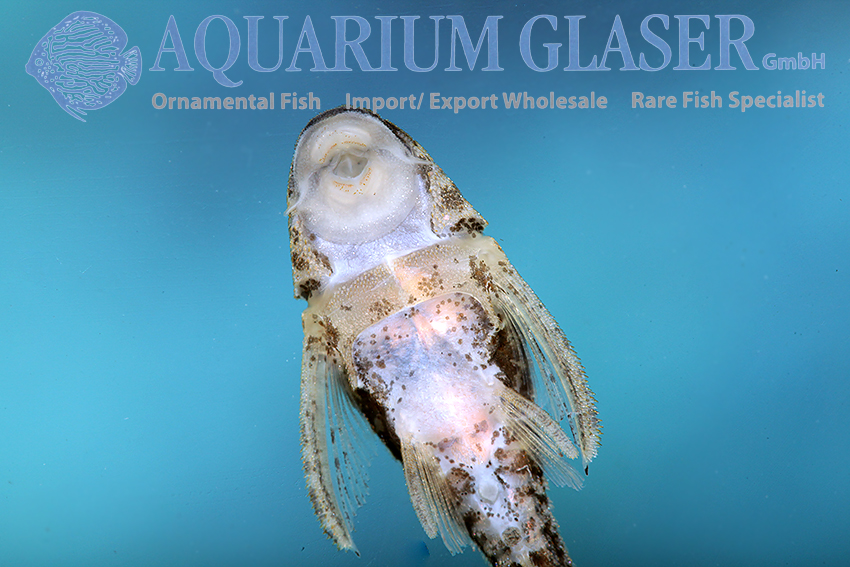
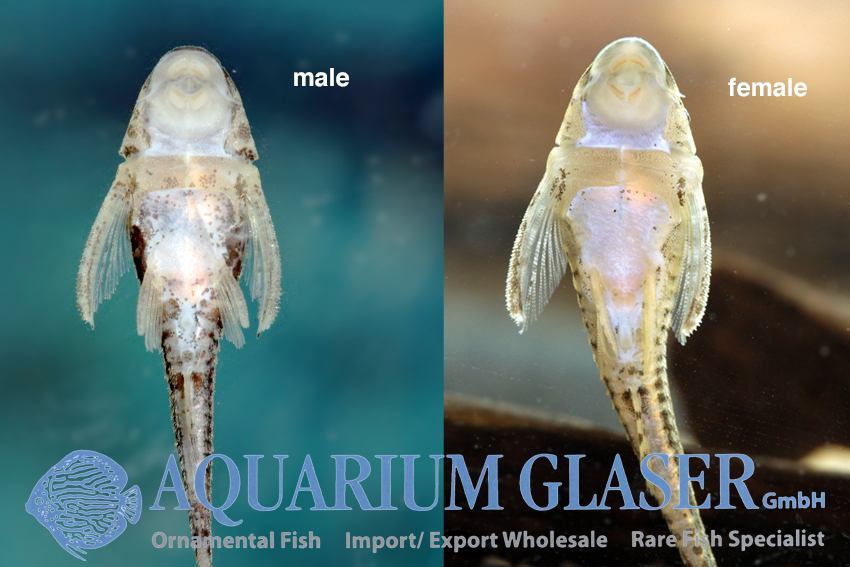
Pseudotothyris obtusa is native to Brazil, state of São Paulo. There, the species apparently inhabits both blackwater streams and clear-water streams. The substrate consists mostly of fine, white sand. Aquatic plants are usually absent; the catfish dwell among the riparian vegetation hanging over the water. The maximum length of these fish is about 3.5 cm.
These fish are never found in large numbers in stores. And that’s just as well, because they’re fish for true specialists among aquarists—those who are both able and willing to meet their specific needs. First and foremost, it’s very important to ensure an environment that’s as free of bacteria as possible. These small algae-eaters are also not exactly easy to feed at first. Ideally, you should expose rocks and driftwood to sunlight for a few days in a water-filled tub or similar container before adding them to the aquarium. The natural growth of microalgae and other microscopic organisms provides the optimal food for these catfish. Once the catfish are well acclimated and have gained weight, the hardest part is over. It’s also important to keep in mind that in southeastern Brazil—depending on the season—water temperatures vary and can be quite cool at times. These conditions must be replicated to successfully care for such demanding fish.
For our customers: these fish are listed under code 285572 on our stocklist. Please note that we supply exclusively to wholesale customers.
Text & photos: Frank Schäfer
