





The Asian brook gobies of the genus Rhinogobius exhibit an incredible diversity of forms. It is virtually impossible to identify any species without some uncertainty. This is due to two factors. First, there is no modern comprehensive overview, known as a revision. And second, these fish have an extraordinary ability to change color. Additionally, males and females look different. All this is especially true for imported fish, whose origin is usually—if known at all—only very vaguely known, which is why there is always significant uncertainty.
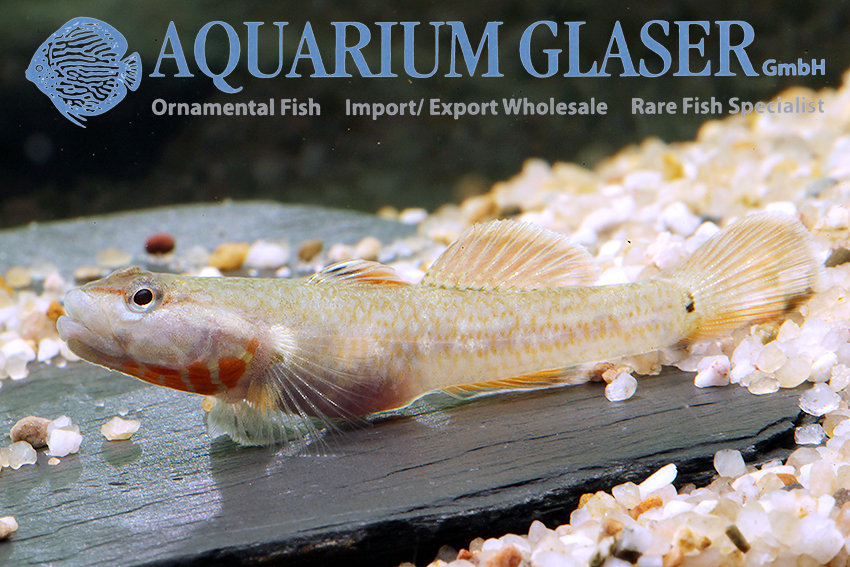
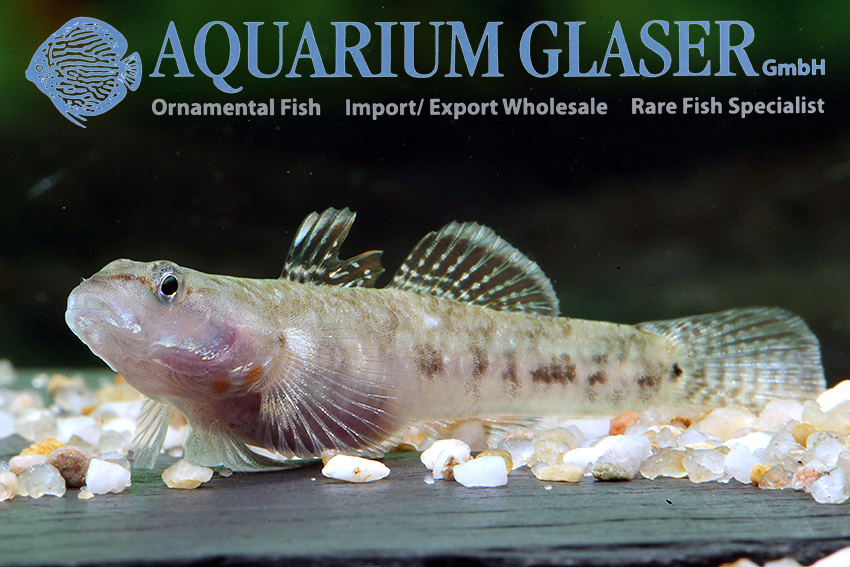
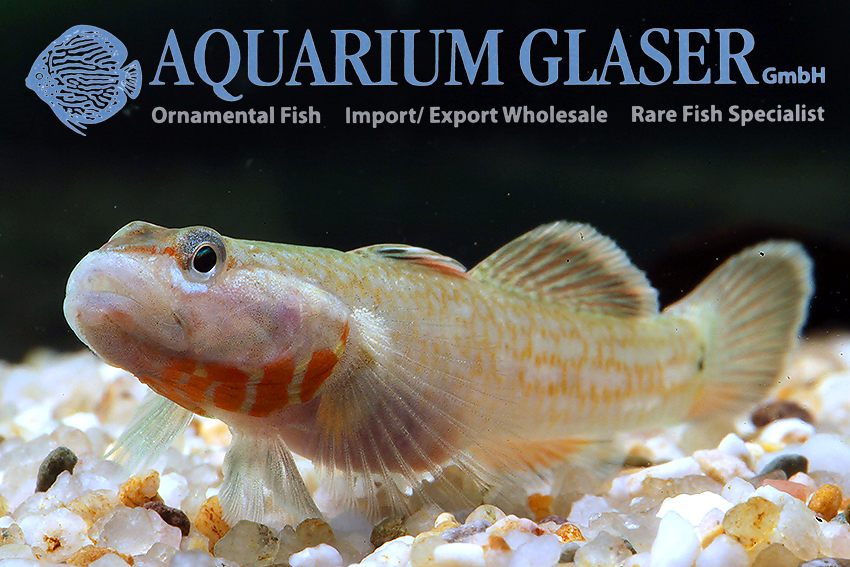
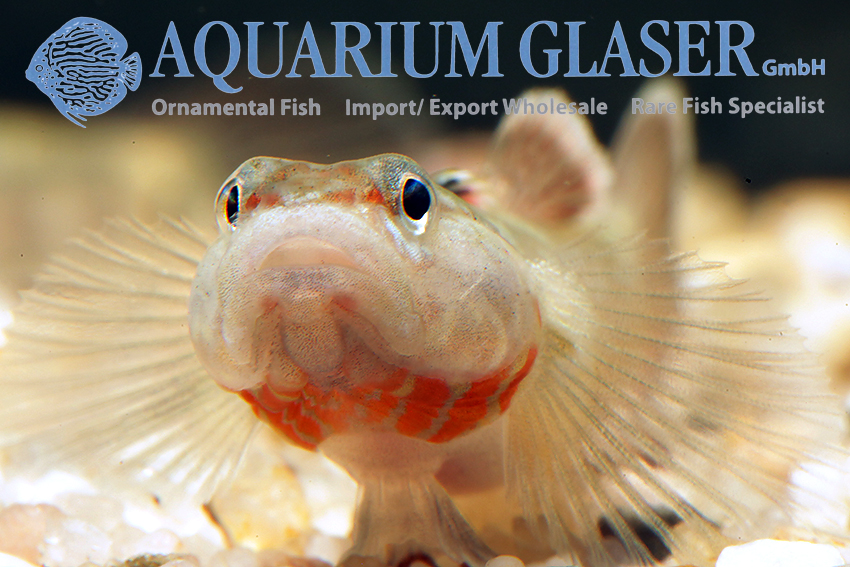
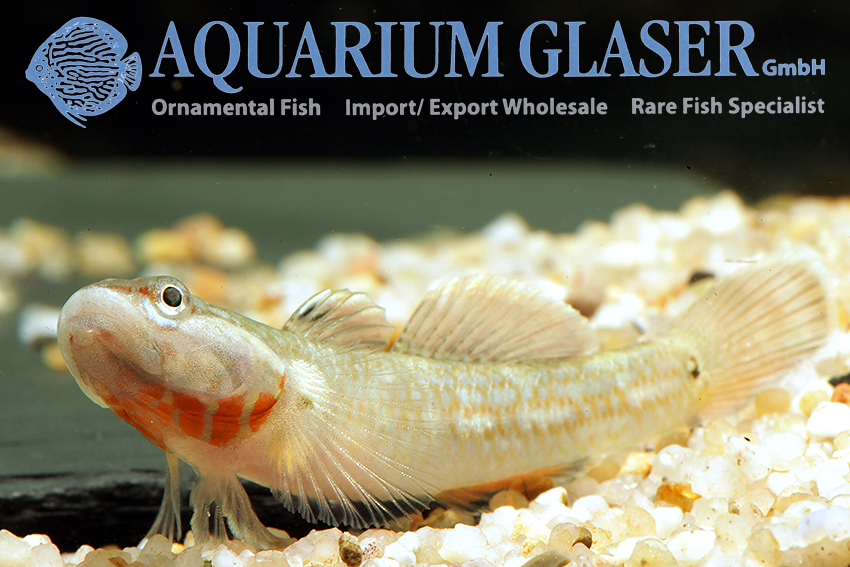
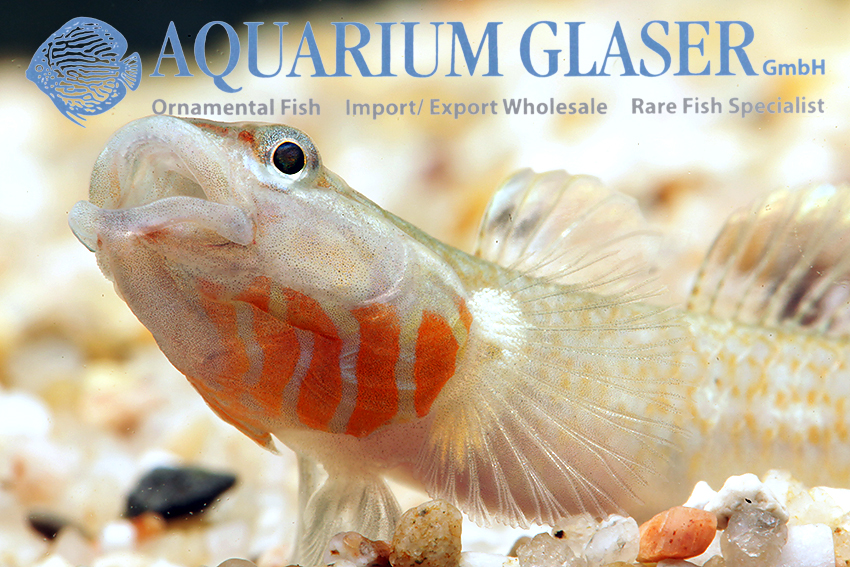
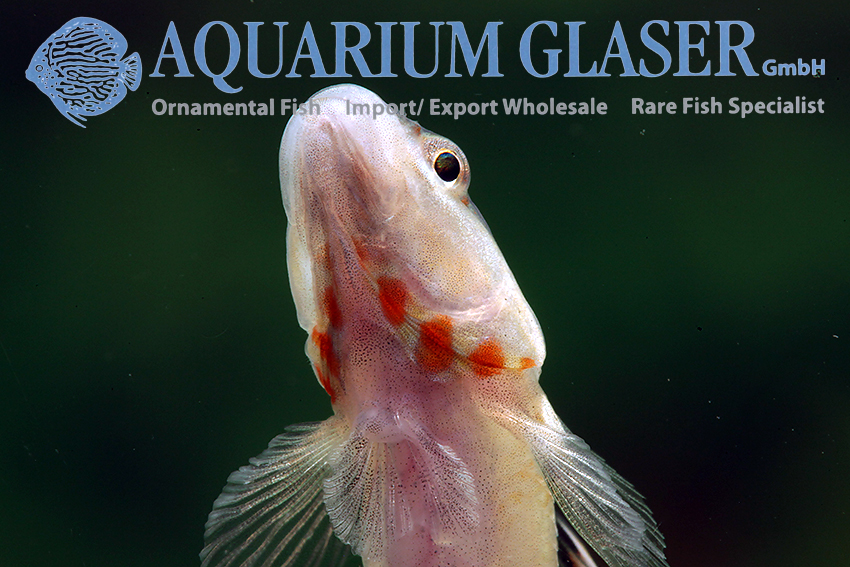
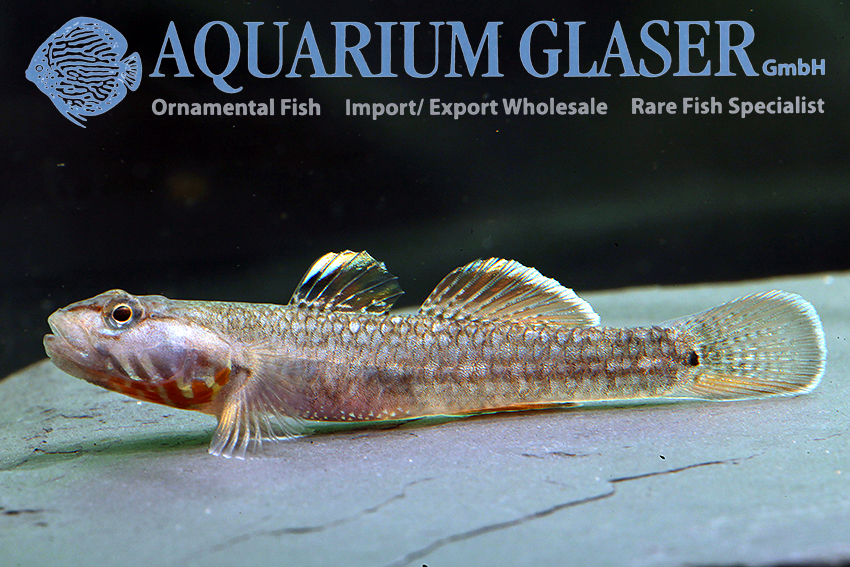
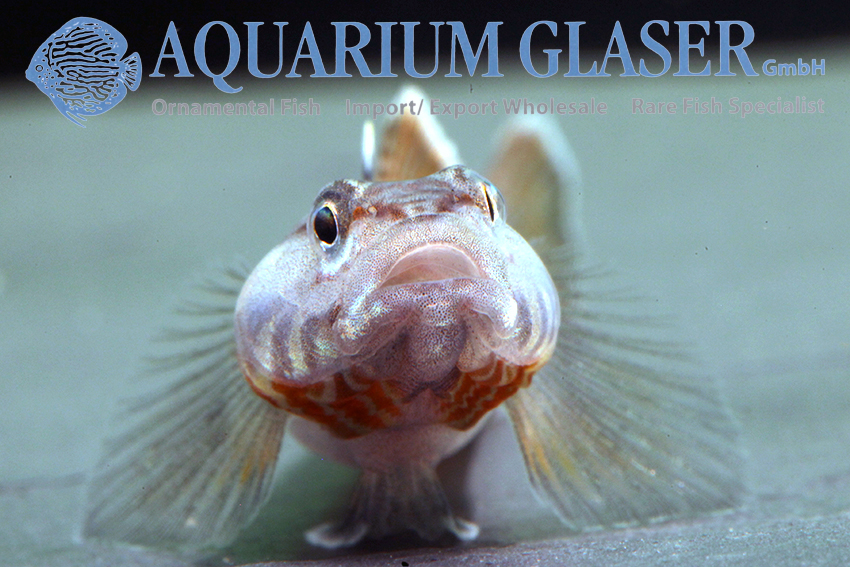
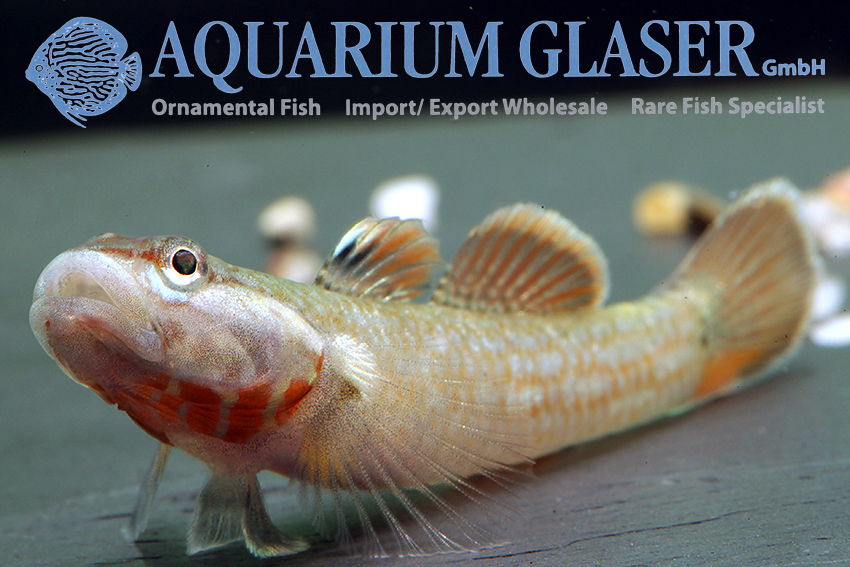
Recently, we’ve been able to import Rhinogobius from Vietnam, which exporters market as “Rhinogobius zhoui.” However, this is definitely not that species—it looks completely different (see https://www.aquariumglaser.de/en/25-perchlike-fishes/25f-perchlike-fishes-6-gobies/rhinogobius-zhoui-2/). Rather, the newly imported goby corresponds very closely to the species that has been imported for decades via Hong Kong, initially as Rhinogobius wui and later as R. duospilus. The name change resulted from wui being declared a synonym of duospilus.
However, in the most recent scientific literature (Endruweit, 2024), the two species are once again listed as two distinct, valid species. This author also created the new genus Zhuquella for the white-cheeked brook goby complex. The genus name refers to a bird from Chinese mythology, Zhuquè, which symbolizes fire, the south, and summer, and is characterized by the color red. This is intended to highlight the striking coloration of these gobies. Most ichthyologists do not (yet) follow this classification and prefer to wait for a comprehensive revision of the genus Rhinogobius.
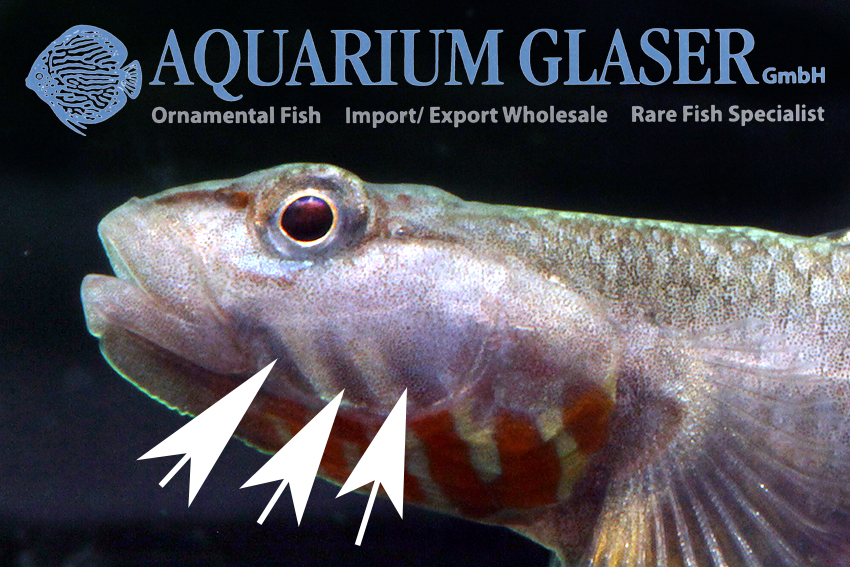
In any case, according to Endruweit’s work, the new Vietnamese species most closely correspond to Rhinogobius duospilus. The most important species-distinguishing feature for aquarists is the dark stripes on the gill covers, which the males display in certain moods (by no means always!); in this case, two to three very broad stripes slanting backward.
Our gobies likely originate from northern Vietnam; R. duospilus was described from Hong Kong and is considered a local endemic (i.e., found only there). However, that doesn’t mean much. In any case, these R. duospilus are very attractive, very easy to care for, and highly interesting aquarium fish that, in all likelihood, can be successfully bred. The “old” R. wui lays its 10–50 eggs on the ceilings of caves, and the male guards the spawn closely. After consuming their yolk sacs, the fry immediately begin eating Artemia nauplii, making rearing quite simple.
Maximum size: approx. 4.5 cm; Temperature: 10–25°C; do not keep permanently warm—room temperature is best for most of the year; hibernation is beneficial; pH and hardness: not significant for care and breeding (tap water); diet: prefers frozen and live food; social behavior: relatively tolerant fish with a social hierarchy.
For our customers: These animals are listed under code 453493 on our stock list. Please note that we supply exclusively to wholesale customers.
Literature:
Endruweit, M. (2024): Fishes of the Red River – Perciformes, Synbranchiformes. Endruweit, Isernhagen: 1-282.
Text & photos: Frank Schäfer
