








As adults, the freshwater gobies (Rhinogobius) are strictly freshwater inhabitants that are found at most once in the brackish waters of the lower reaches of rivers; but even that is the exception, not the rule. With approximately 170 described species, 85 of which are generally considered valid, there is still a vast field of exploration for aquarists with a thirst for knowledge; for understandable reasons, the identification of imported specimens is highly uncertain in many cases. All species can be kept successfully in an aquarium. Regarding breeding: some Rhinogobius species have tiny larvae that grow up in the sea, while others have large larvae that grow up in freshwater. All species are cave spawners; the male guards the clutch until the larvae hatch. Parental care ends when the larvae begin to swim freely.
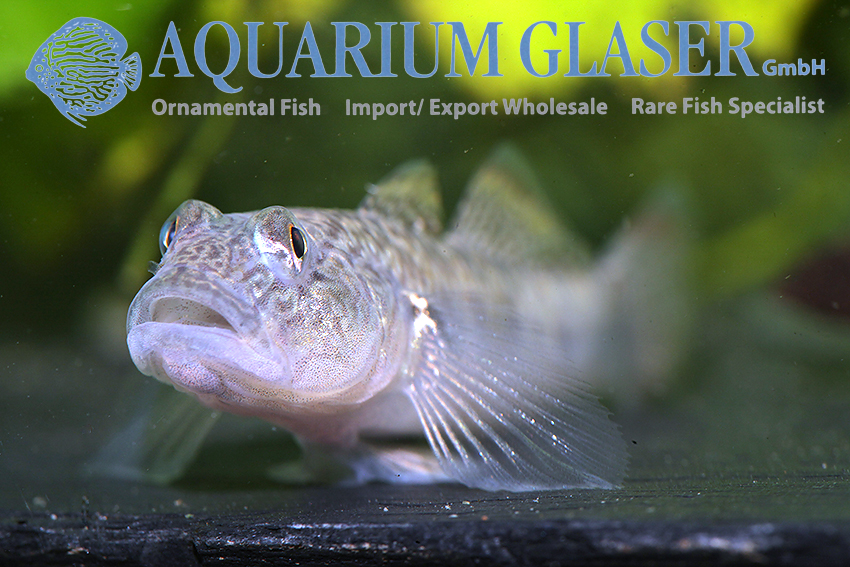
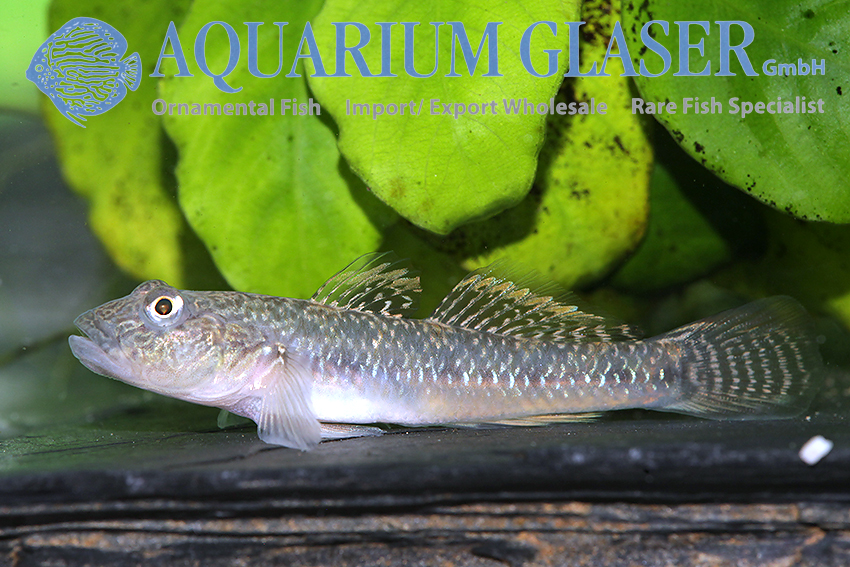
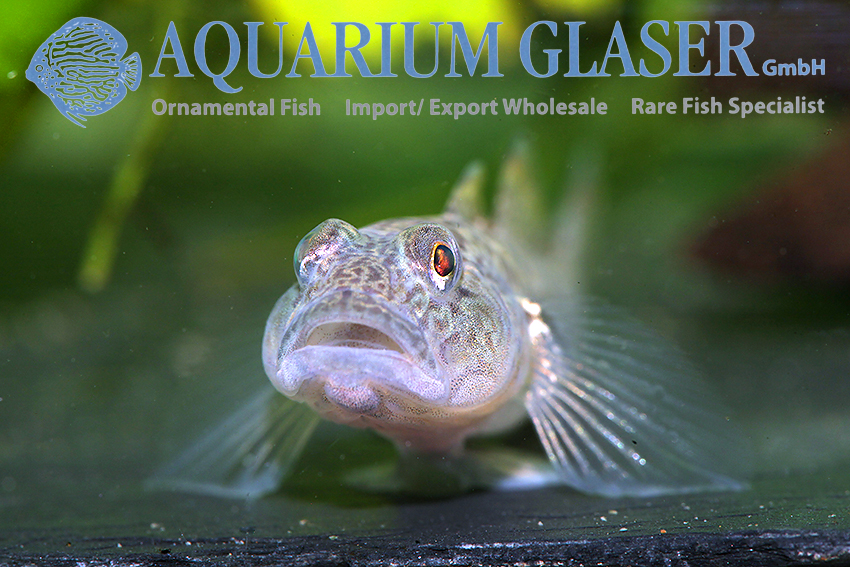
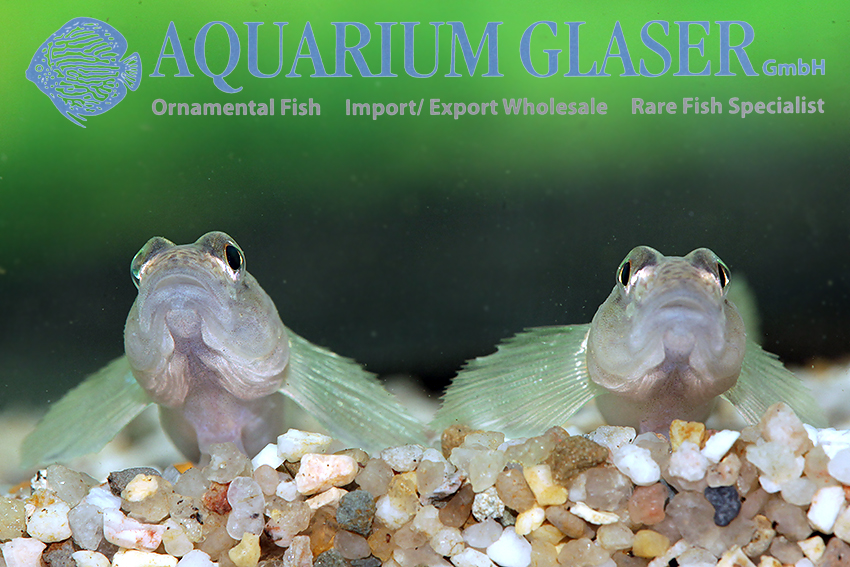
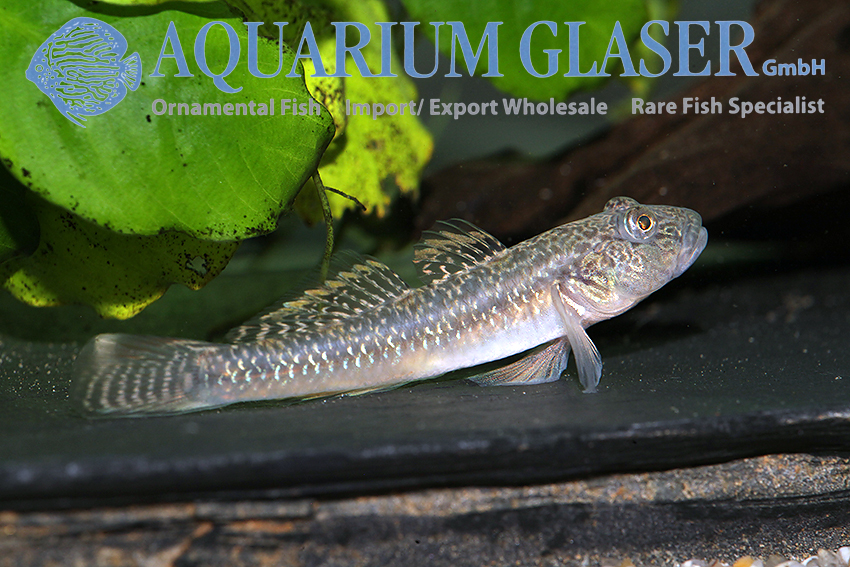
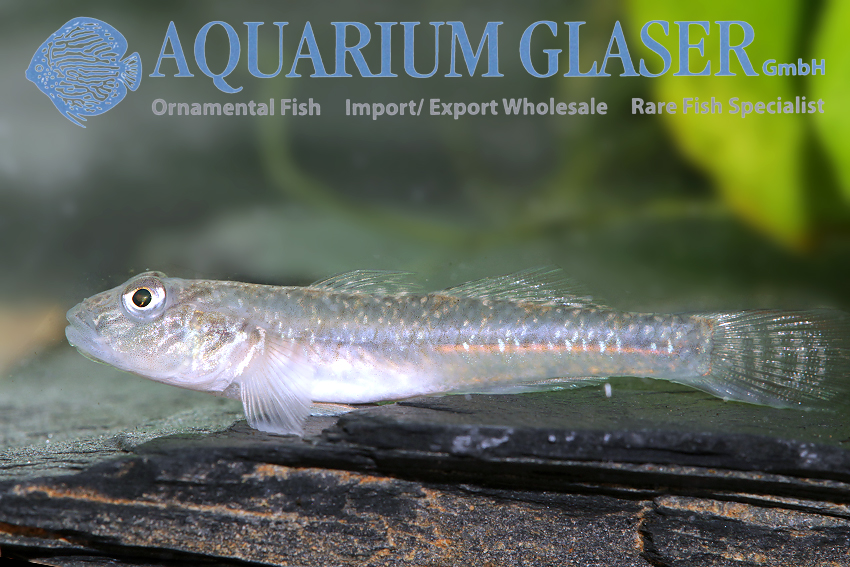
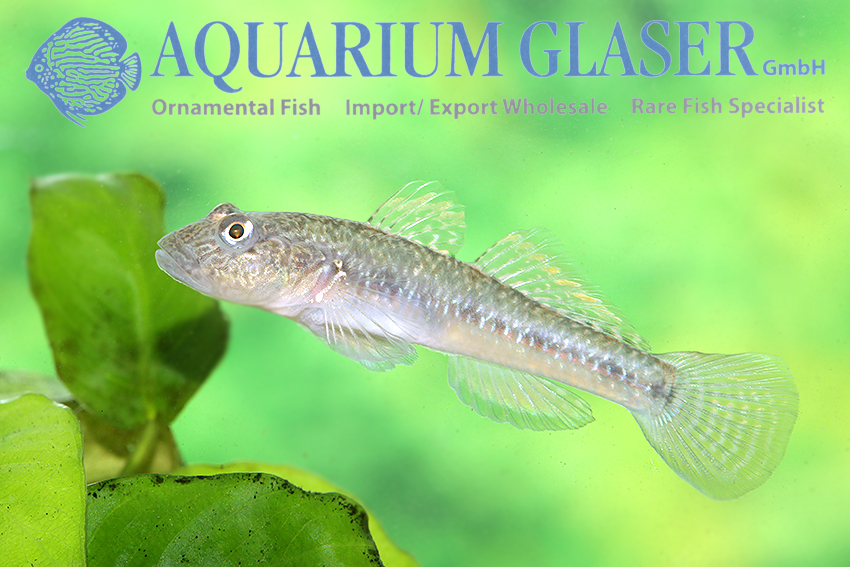
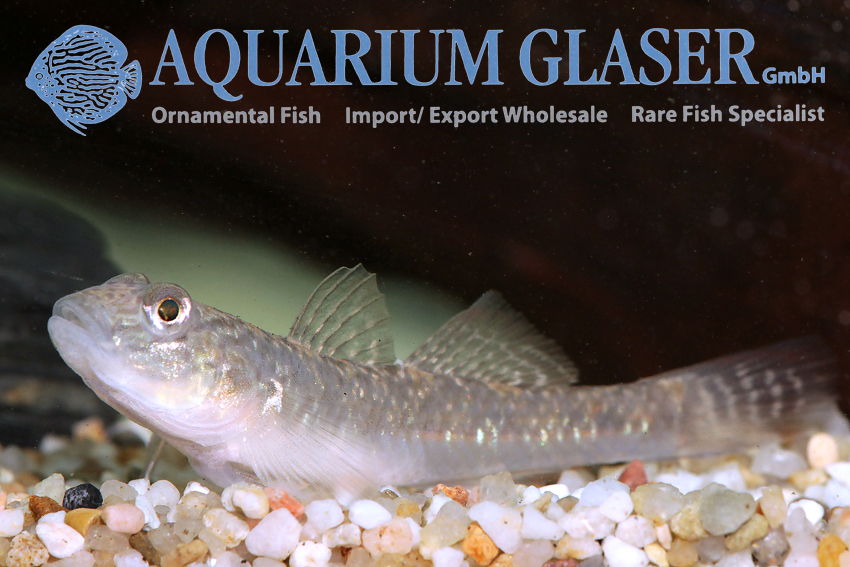
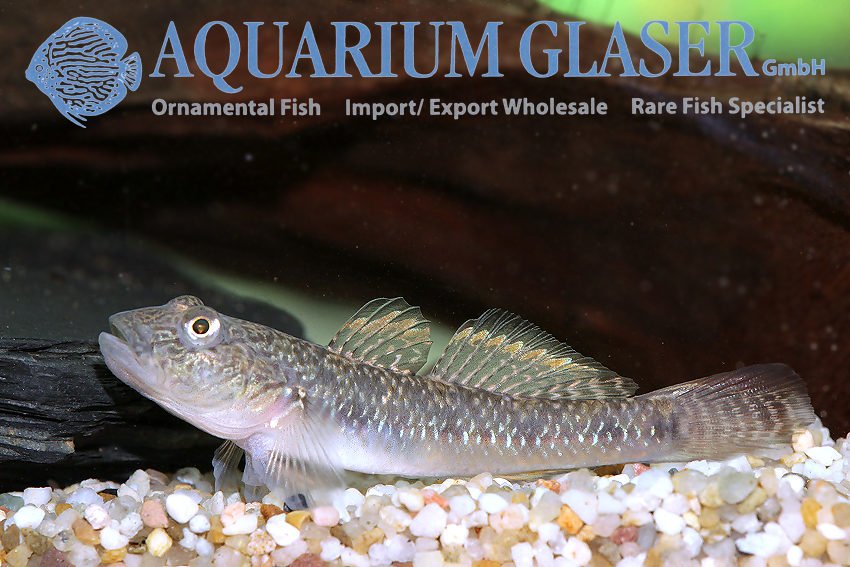
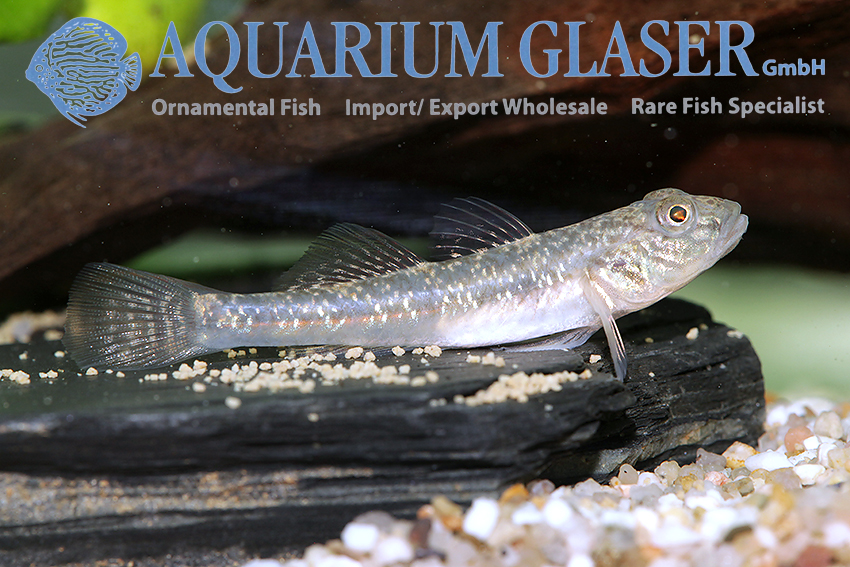
A freshwater goby from Vietnam was long referred to as Rhinogobius giurinus. R. giurinus was described in 1897 from the southeastern coast of China. Recently (2024), a revision of the freshwater gobies of Vietnam was published, confirming what had already been demonstrated in 2015: namely, that R. giurinus is a junior and therefore invalid synonym of the type species of the genus Rhinogobius, R. similis, which was described as early as 1859 from Japan. The aforementioned revision distinguishes a total of 5 Rhinogobius species from central Vietnam; this region is an important collection area for ornamental fish collectors. The Rhinogobius from Vietnam, which we have just been able to import once again, can easily be assigned to the species R. similis illustrated in the 2024 study. On our stock list, the species is still listed as R. giurinus due to earlier imports; this is for technical reasons. R. similis is widely distributed in East Asia: Japan, Russia (Primorye region), Korea, Taiwan, China, and Vietnam. In the Philippines and Singapore, it is considered an introduced species.
As can be easily seen from its wide range, R. similis is one of the species whose larvae develop in brackish and saltwater, even though the adults live exclusively in freshwater. Males of R. similis are said to grow to a maximum length of 10 cm, while females remain considerably smaller, at less than 7 cm. Our specimens are currently about 5 cm long. The males are easily recognizable by the bands on their dorsal and anal fins, which the females lack.
We have not observed any special care requirements. Water parameters are of secondary importance; pH levels between 6.5 and 8.5 are recommended, hardness is not a factor, and the water temperature can range from 15 to 25°C. In our tanks, they will eat any bite-sized frozen or live food, but they are reluctant to accept pellets. Typical of gobies, these fish are somewhat quarrelsome and defend a personal space around themselves. Any intruder is chased away. However, since this personal space is only a few centimeters wide, this is not a major concern. We have not observed any injuries, fin damage, etc.
For our customers: these fish are listed under code 453467 on our stock list. Please note that we supply exclusively to wholesalers.
References:
Maeda, K., H. Kobayashi, M. Iida & H. D. Tran (2024): Taxonomy of freshwater gobies of the genus Rhinogobius (Oxudercidae, Gobiiformes) from central Vietnam, with descriptions of two new species. Zootaxa 5493 (no. 5): 507-541.
Suzuki, T., K. Shibukawa, H. Senou & I-S. Chen (2015): Redescription of Rhinogobius similis Gill 1859 (Gobiidae: Gobionellinae), the type species of the genus Rhinogobius Gill 1859, with designation of the neotype. Ichthyological Research v. 63 (no. 2): 227-238 [1-12 in the online-version].
Text & photos: Frank Schäfer
