





The headstanders (Anostomidae) are an exceptionally species-rich family. Currently (October 2026), 153 species are recognized across 17 genera, divided into three subfamilies. The most species-rich group is the subfamily Leporininae, with 10 genera and 134 species. Very few of these have ever appeared in the hobby, and for the vast majority, there aren’t even usable photos of them alive. This makes identifying live imported specimens a complex matter, especially since the classification of the genera is based on tooth structure—which, by its very nature, cannot be observed in living animals.
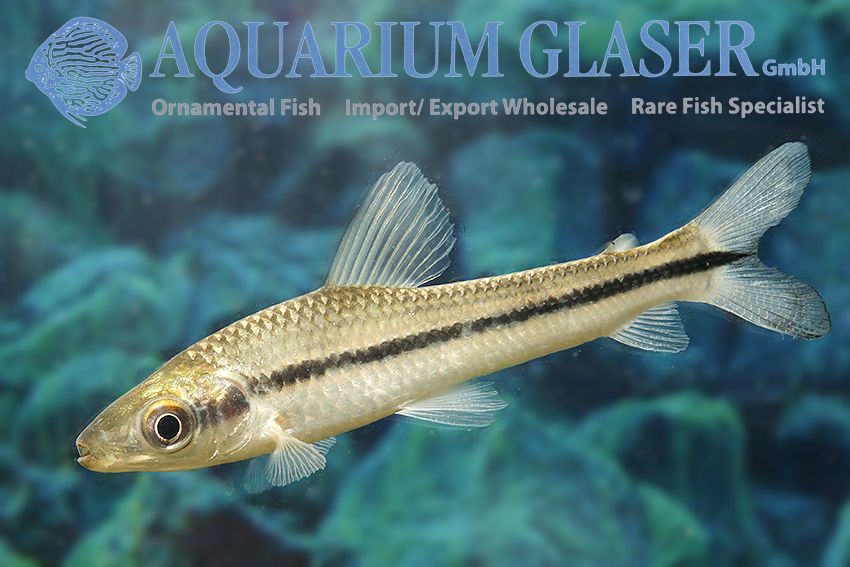
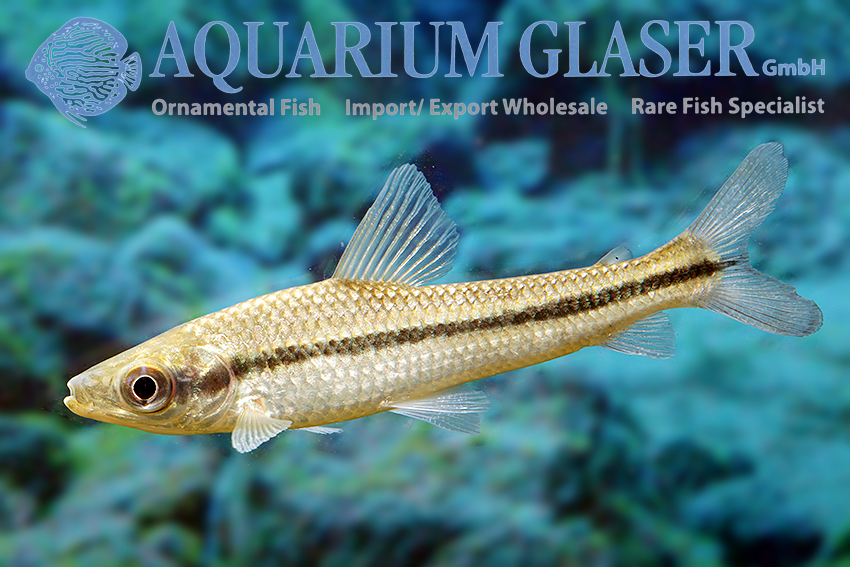
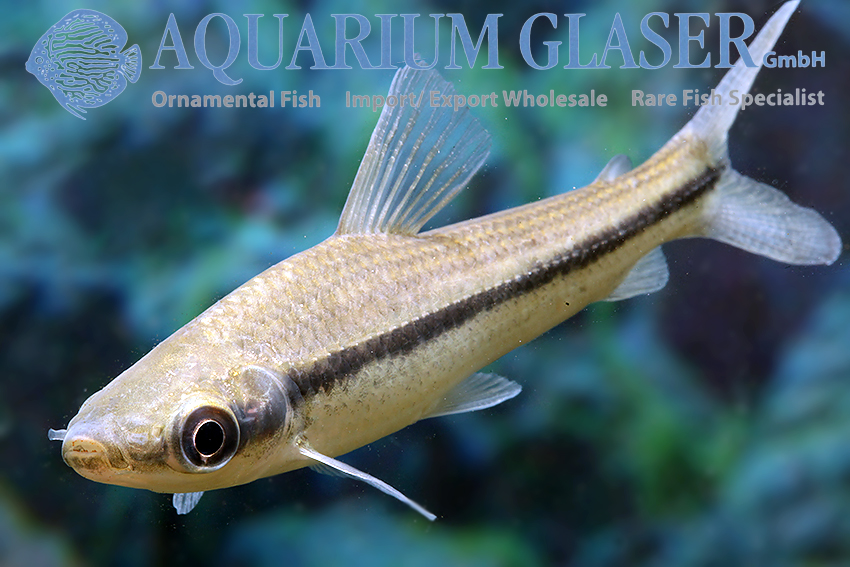
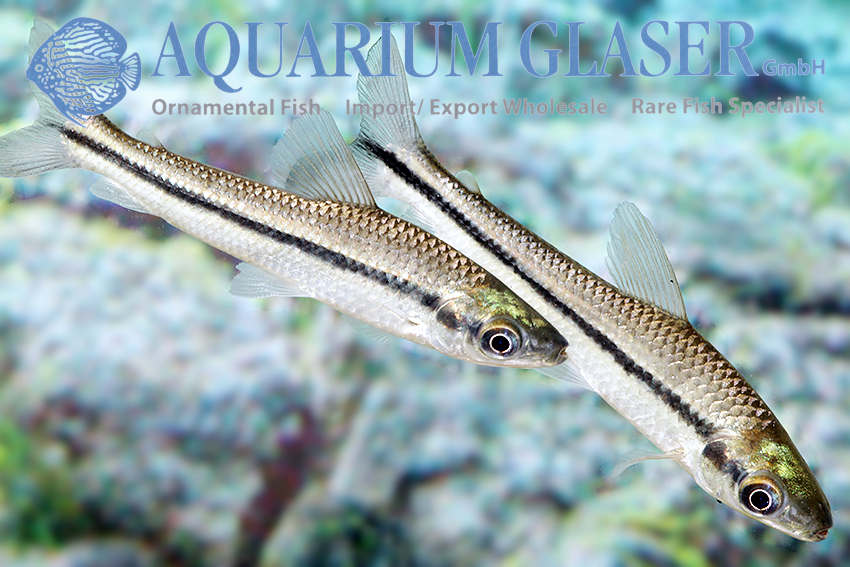
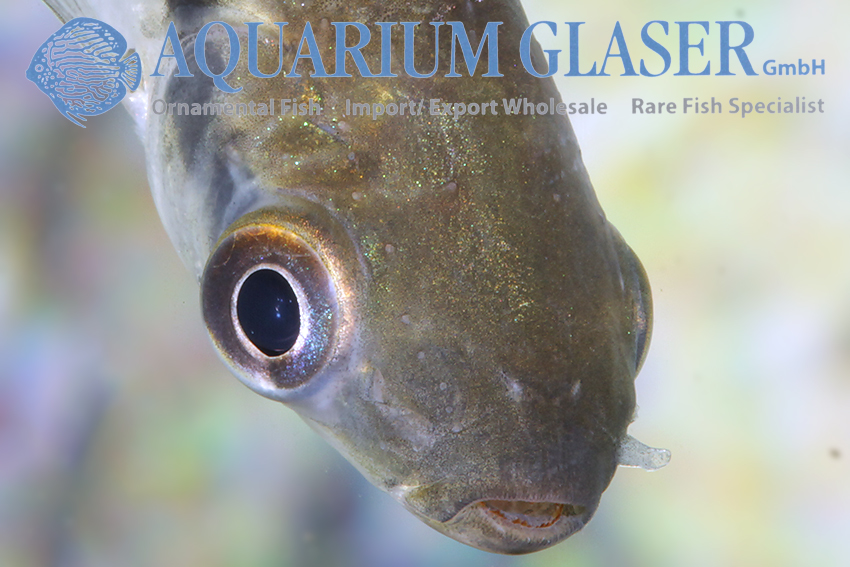
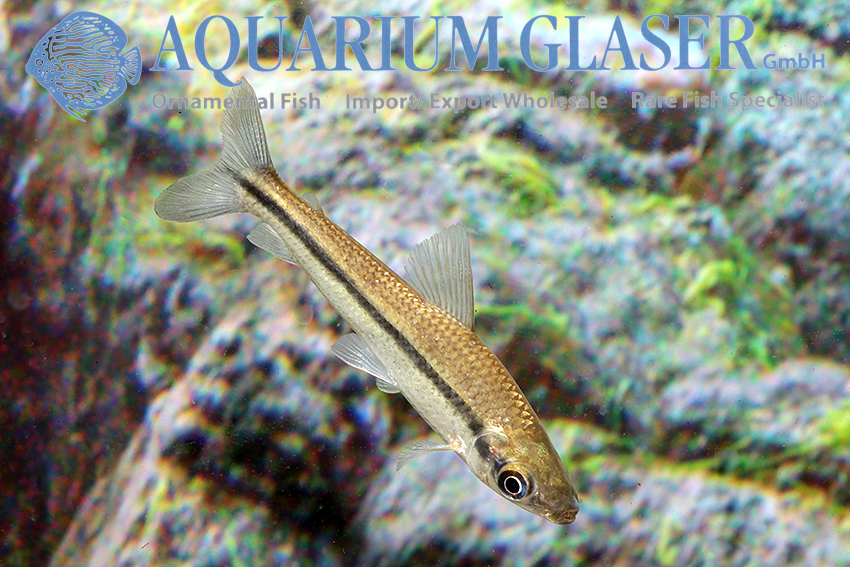
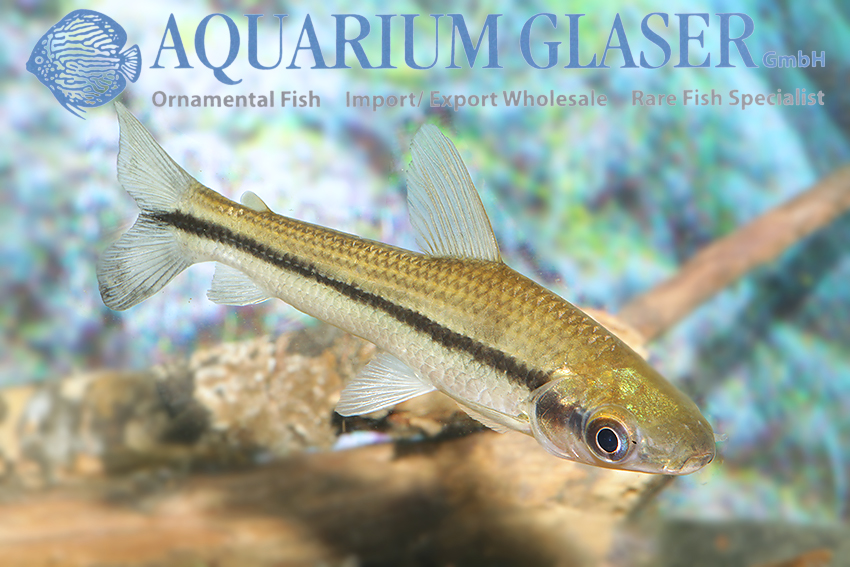
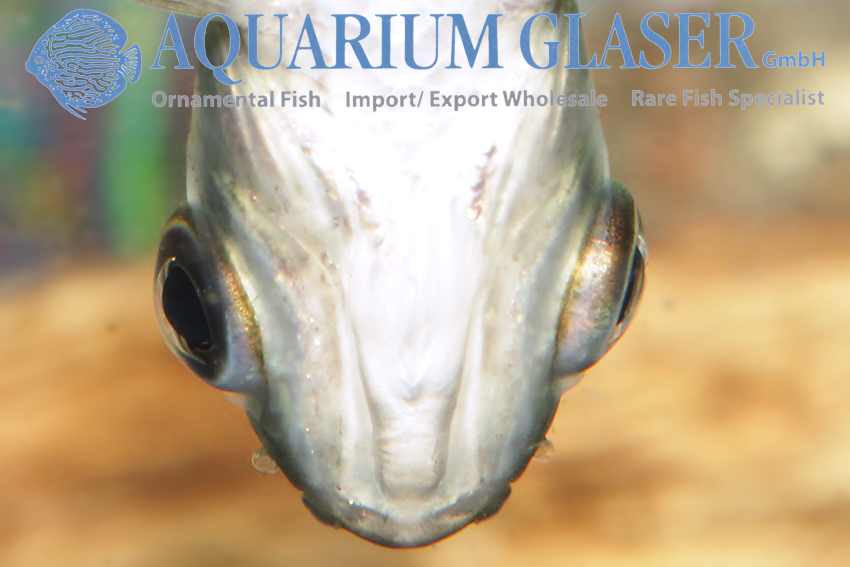
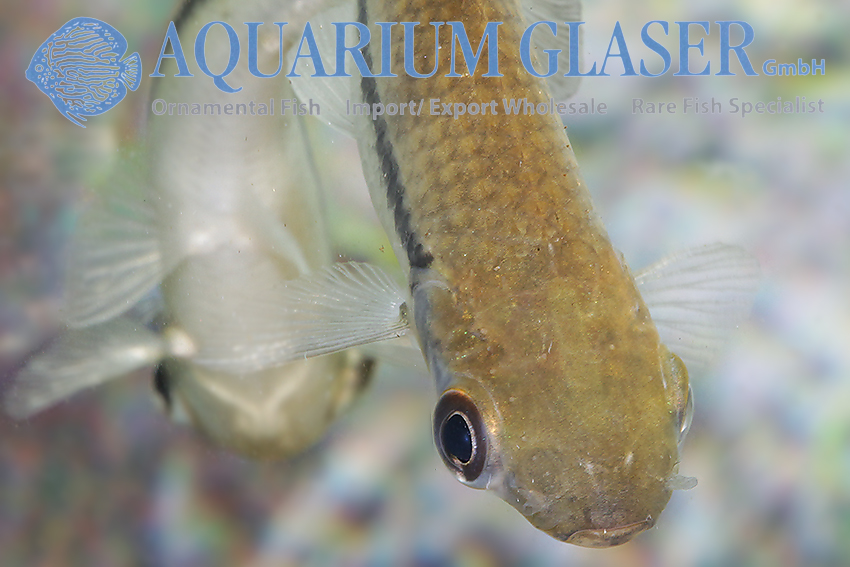
Our initial thought regarding a headstander from Colombia—which we were recently able to import in small quantities—was Laemolyta taeniata, a widespread species originally described in 1858 as Schizodon taeniatus. The fish are 9–10 cm long. Once the fish had completed their acclimation period, we examined them more closely and transferred two specimens to the photo tank. It became clear then that this must be a different species. In particular, the extremely broad head with the widely spaced eyes did not match L. fasciata at all. Further research revealed that these fish had already been illustrated in color in 1977 in the classic work on tetras, Géry’s „Characoids of the World“, on page 161, as an „unidentified anostomid, possibly from the genus Laemolyta.“ But our search among Laemolyta species led nowhere; nothing quite matched. Finally, however, we found in Schizodon scotorhabdotus—described in 2007 and native to the Orinoco—a fish that matches our imports perfectly. And the description also mentions the illustration in Géry’s book; so we are now certain.
Schizodon scotorhabdotus is a larger headstander. What strikes us most is that these fish are exceptionally peaceful toward one another—something that truly cannot often be said of headstanders. While they usually get along reasonably well, the initial, almost inevitable disputes over dominance almost always result in minor fin damage. Nothing of the sort is observed in Schizodon scotorhabdotus. We only advise caution when keeping them with armored catfish: the dorsal fins of these bottom-dwelling fish constantly tempt the Schizodon to bite them. In contrast, even the smallest tetras are completely ignored. Schizodon are considered herbivorous, meaning they primarily eat plants. However, they do pounce voraciously on worm food (Tubifex). This should be used sparingly, though, as the digestive tract of herbivores is not adapted to such a diet!
Maximum size: approx. 30 cm; Temperature: 22–28°C; pH and hardness: not significant for maintenance (tap water), likely soft and acidic for breeding; Diet: Omnivorous with a plant-based focus; Social behavior: Peaceful headstander.
For our customers: These animals are listed under code 293134 on our stock list. Please note that we supply exclusively to wholesale customers.
Literature:
Sidlauskas, B. L., J. C. Garavello & J. Jellen (2007): A new Schizodon (Characiformes: Anostomidae) from the Río Orinoco system, with a redescription of S. isognathus from the Río Paraguay system. Copeia 2007 (no. 3): 711-725
Text & photos: Frank Schäfer
