








It is somewhat surprising when one considers how long it took scientists to distinguish between two armored catfish species that are similar in color but, from today’s perspective, clearly distinct. We are referring to Hoplisoma nattereri and Scleromystax prionotos, both of which were classified under the common genus Corydoras until relatively recently.
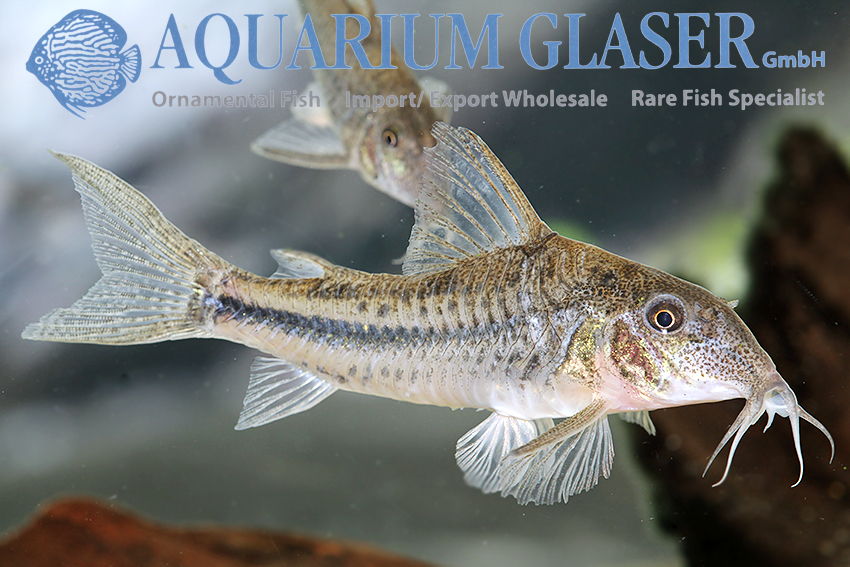
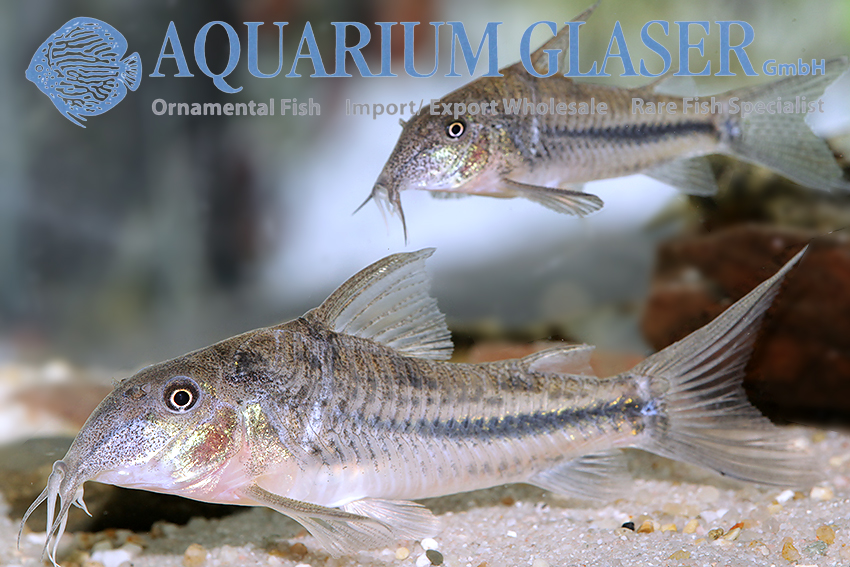
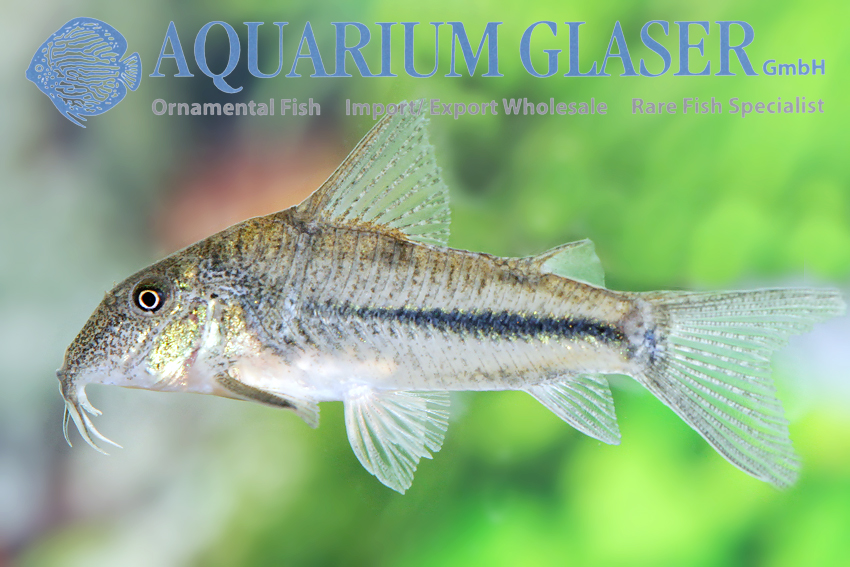
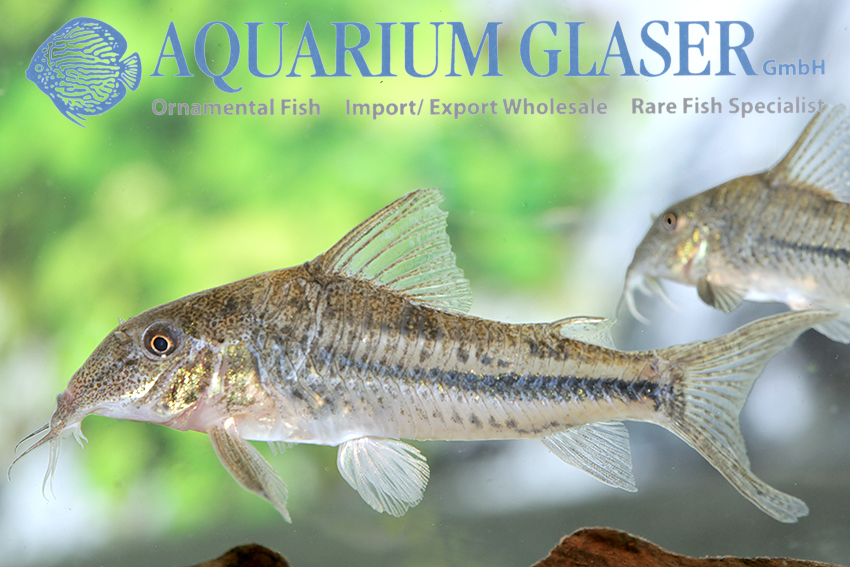
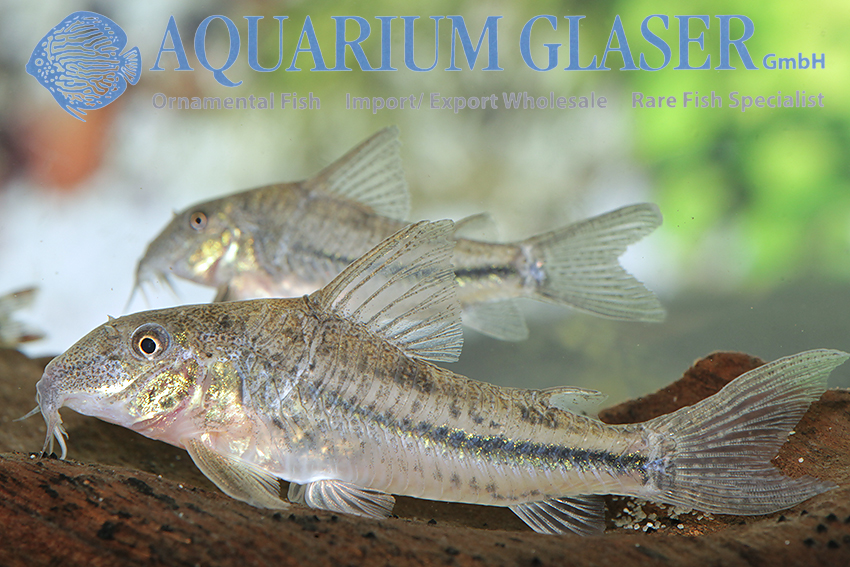
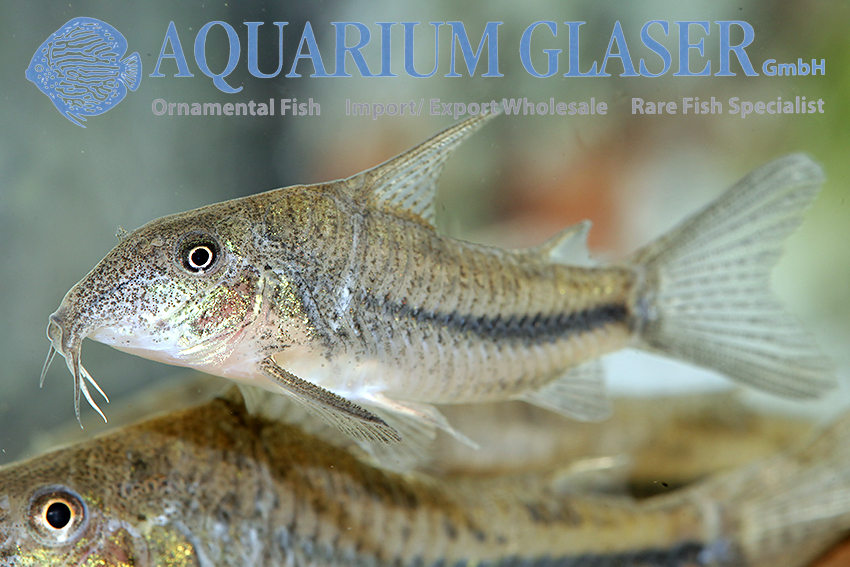
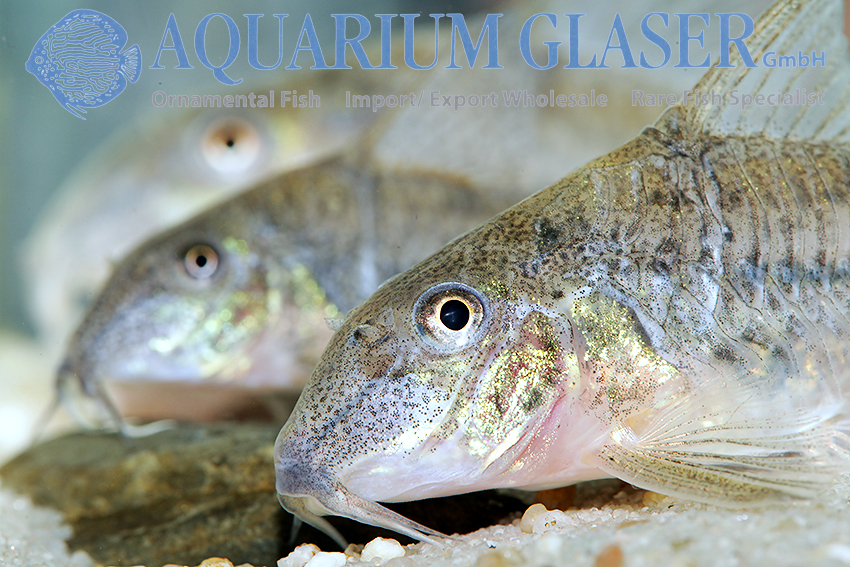
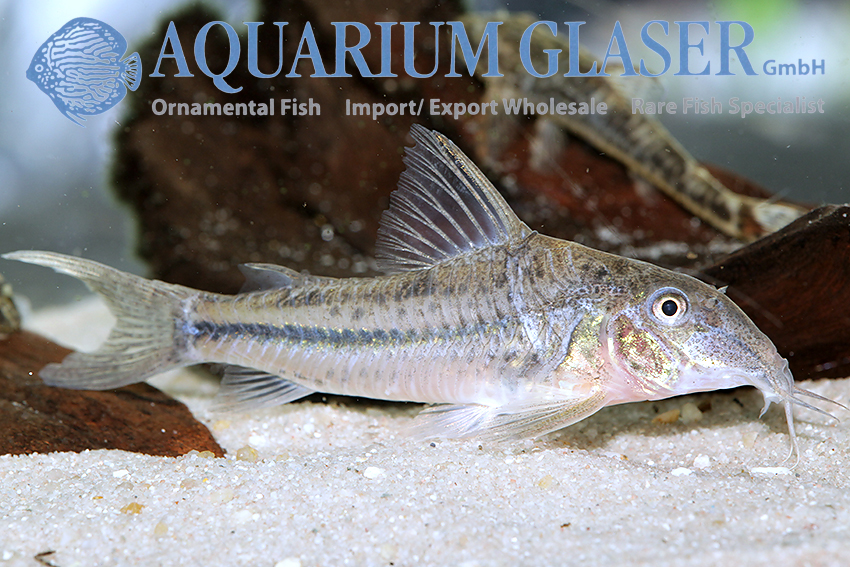
While Hoplisoma nattereri was described very early on, namely in 1876, from coastal rivers in eastern Brazil (the state of Rio de Janeiro, specifically in the headwaters of the Rio Paraíba do Sul, and São Paulo, primarily in the Rio Juquia basin), it took over 100 years longer for the first description of Scleromystax prionotos, which lives in the same area and often alongside H. nattereri. Even then, it was difficult to distinguish between the two species. The only reliable characteristic was that the inner surface of the pectoral fin spine of S. prionotos is very strongly and coarsely serrated. The inner surface of the pectoral fin spine in H. nattereri, by contrast, is only very finely serrated. Although this difference had already been noted by early researchers (beginning in 1913), it was viewed more as a form of intraspecific variation than as a species distinction.
Today, any armored catfish aquarist with a trained eye can see that Scleromystax prionotos is a long-snouted species, whereas H. nattereri has a rounded snout (for more on H. nattereri, see here: https://www.aquariumglaser.de/xxxxxx). However, this difference, which is so striking in live animals, is difficult to discern using traditional measurement methods on preserved specimens. The different head shapes allow two (or possibly more) armored catfish species to share the same habitat without competing directly with one another, as they have different methods of foraging. The color similarity between S. prionotos and H. nattereri does not indicate a closer relationship between the two species. This is a case of mimicry, which has already been explained elsewhere (e.g., https://www.aquariumglaser.de/en/fisharchive/otocinclus-mimulus-2/). In contrast, the different serration on the inner side of the pectoral fin spine prevents the two species from interbreeding, at least in the wild. As is well known, male armored catfish clamp the female’s barbels in a so-called T-position during mating. The serration of the pectoral fin spine acts like the teeth of a key. The wrong key does not fit the lock…
Scleromystax prionotos is an easy-to-care-for species that also breeds quite well. Overall, it is considered relatively undemanding and adaptable. The most favorable conditions are temperatures between 18 and 22°C, a neutral pH, and a total hardness of around 6° dH. It will eat any standard ornamental fish food, and the substrate should consist of fine sand, at least in some areas. Plants and other tankmates are usually ignored. With a total length of a good 6.5 cm (including the caudal fin), female S. prionotos are among the larger armored catfish species. Males remain smaller.
For our customers: depending on size, these armored catfish have codes 241503 (lg) through 241505 (sh) on our stock list. Please note that we supply exclusively to wholesale customers.
Text & photos: Frank Schäfer
