








The “Baianinho” armored catfish originate from the Brazilian state of Bahia. Loosely translated, “Baianinho” means “the little one from Bahia.” The first of the imported Baianinho is now known as Scleromystax lacerdai, and the second as C113. However, there are other forms, some of which also originate from Bahia, while others come from remaining areas of the former Brazilian coastal forest, which has now been almost completely destroyed. This “Mata Atlântica” once covered the coastal region as a rainforest stretching from Bahia in the north to Paraná in the south. The waters there were—and still are—relatively cool, blackwater-carrying streams. It is easy to imagine that the fish living in these waters would disappear if the shade-providing forest were cleared. The deep-brown water heats up rapidly under the tropical sun, and fish adapted to cooler water cannot tolerate this. The further south you go, the cooler it can be—this can serve as a rule of thumb for water temperatures in South America.
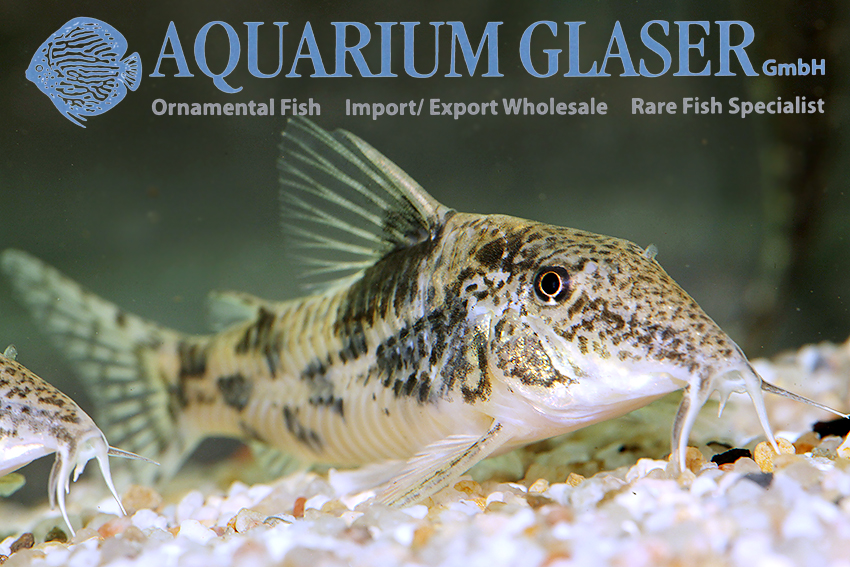
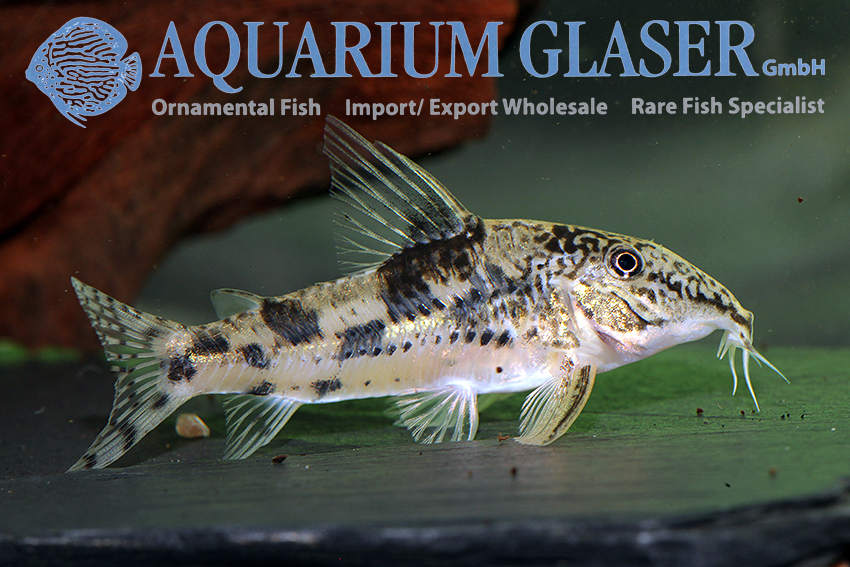
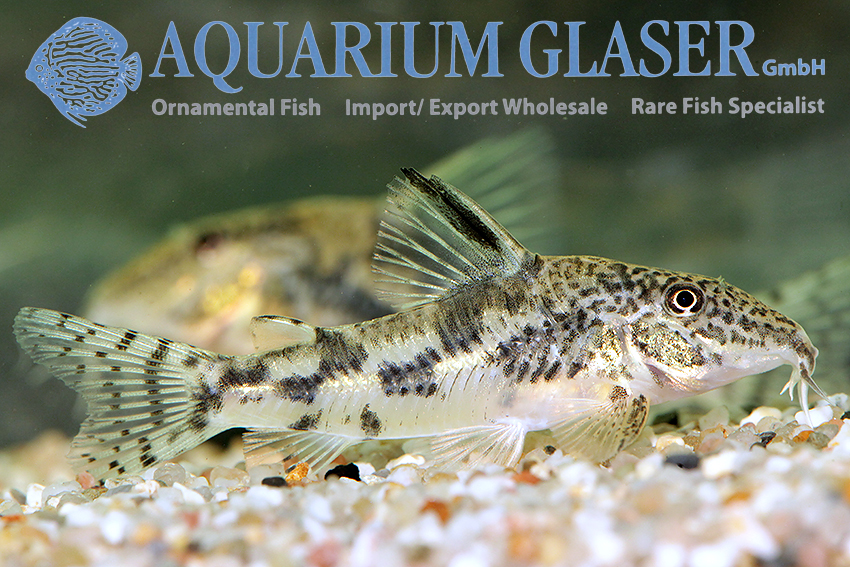
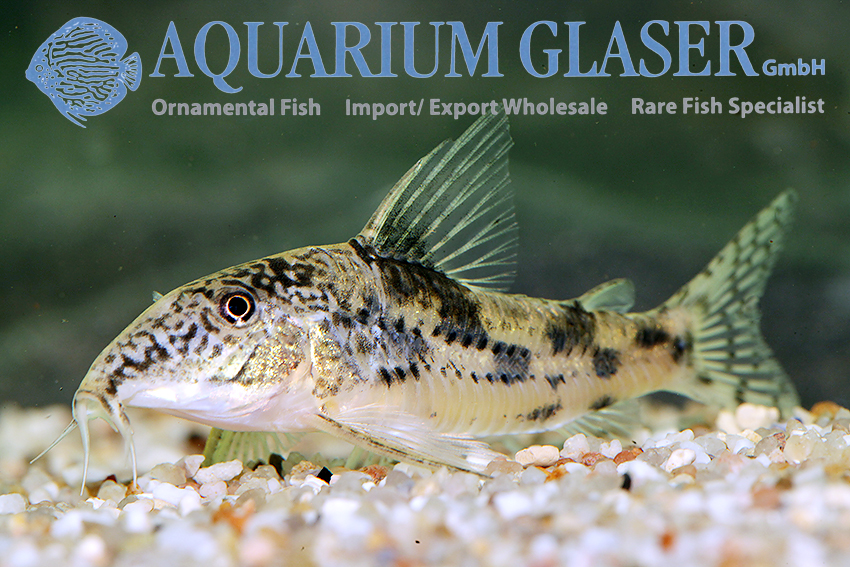
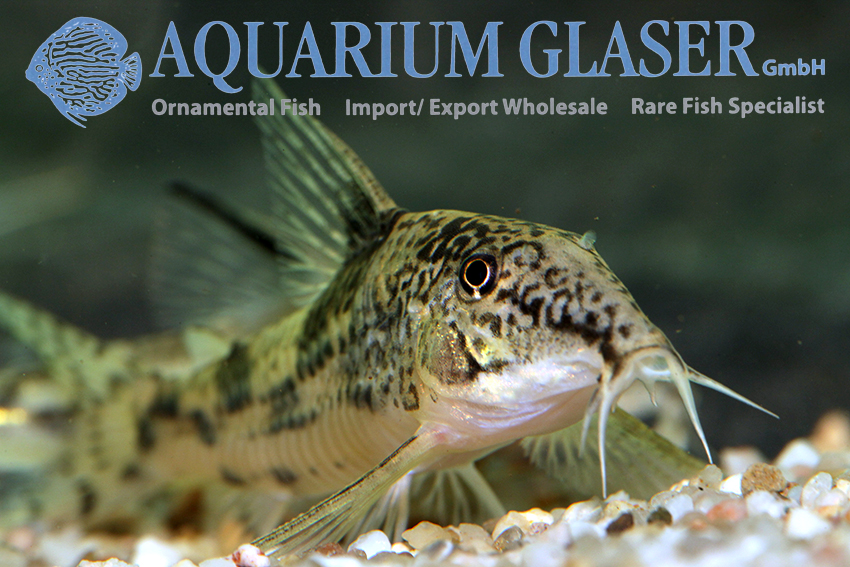
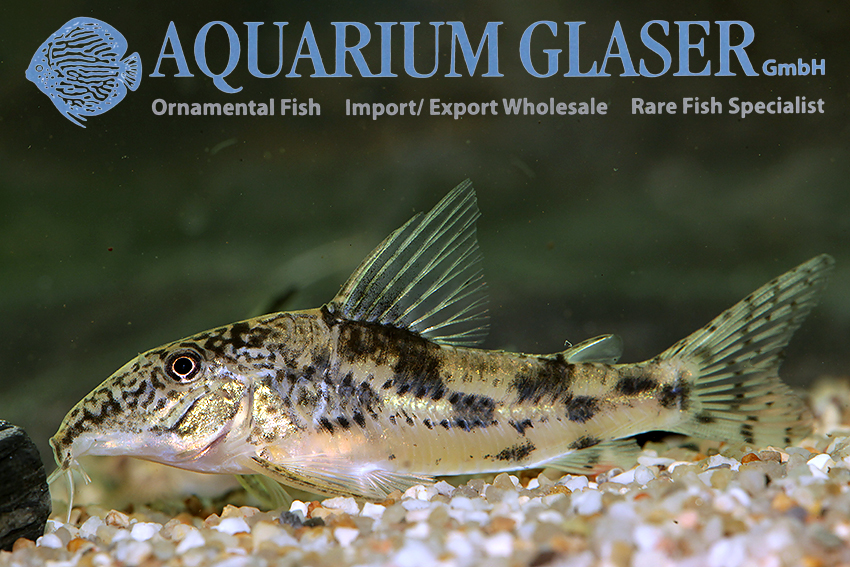
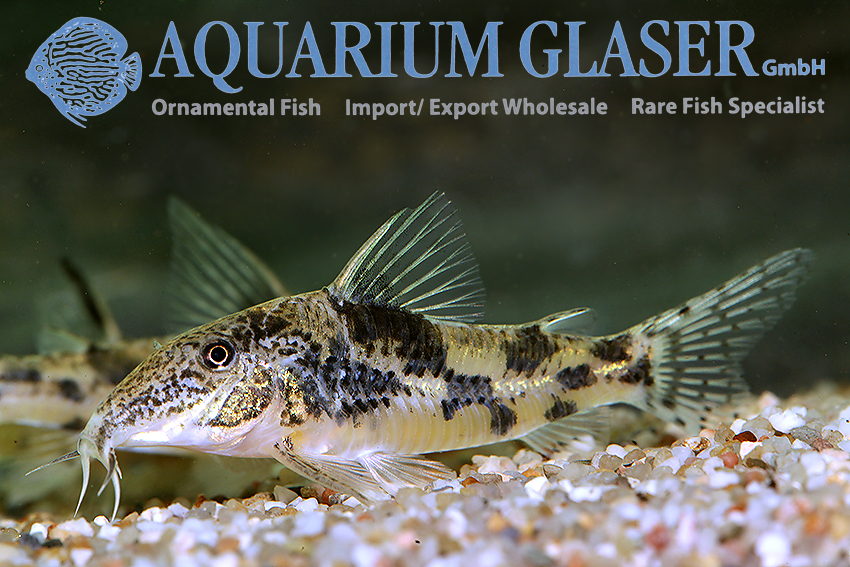
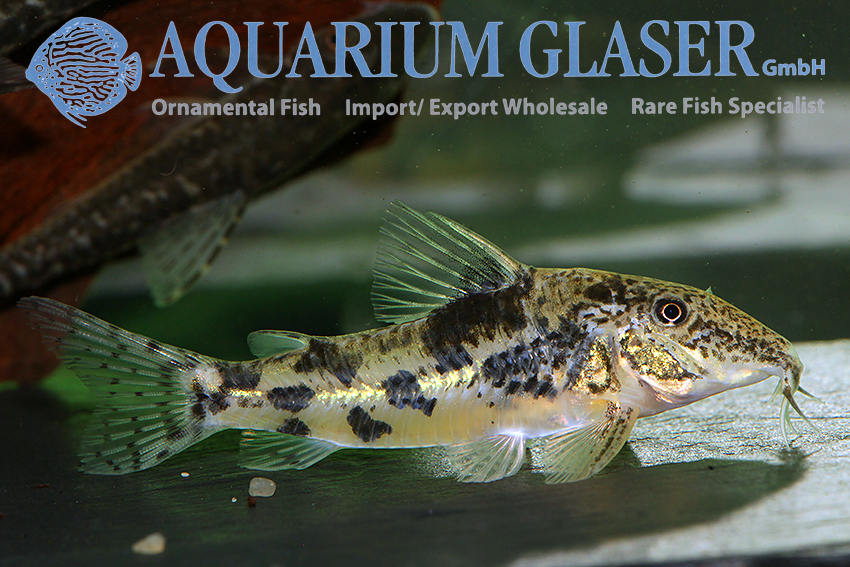
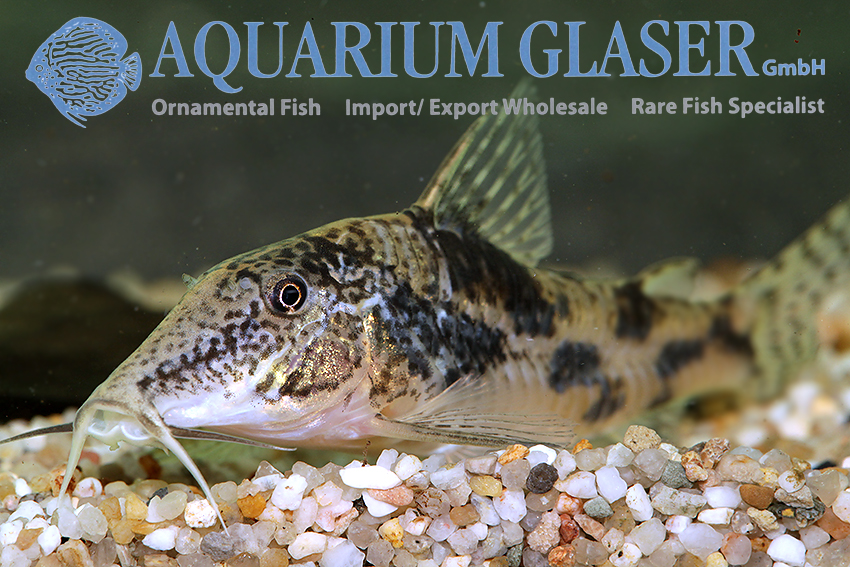
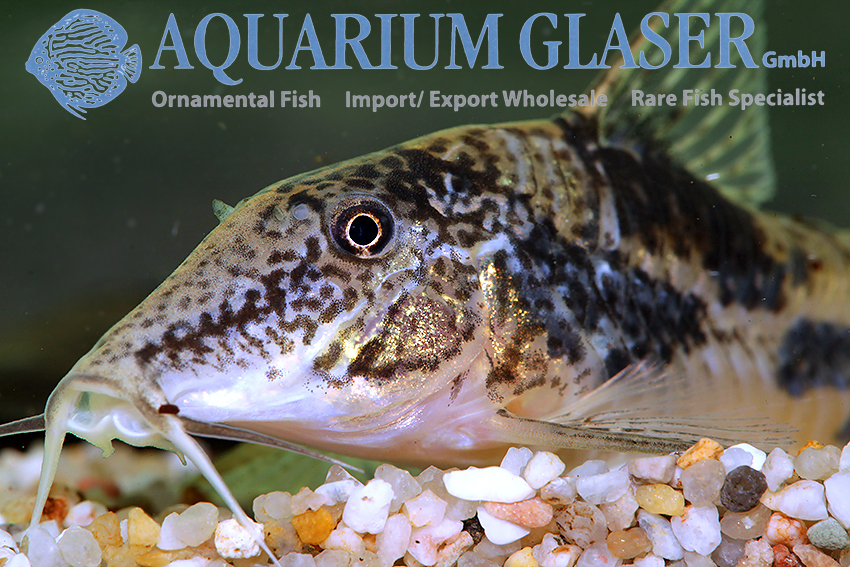
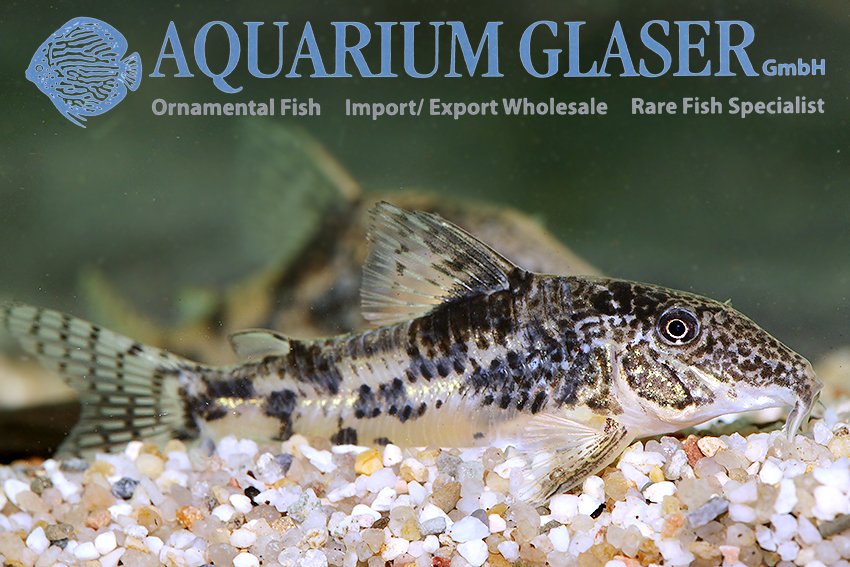
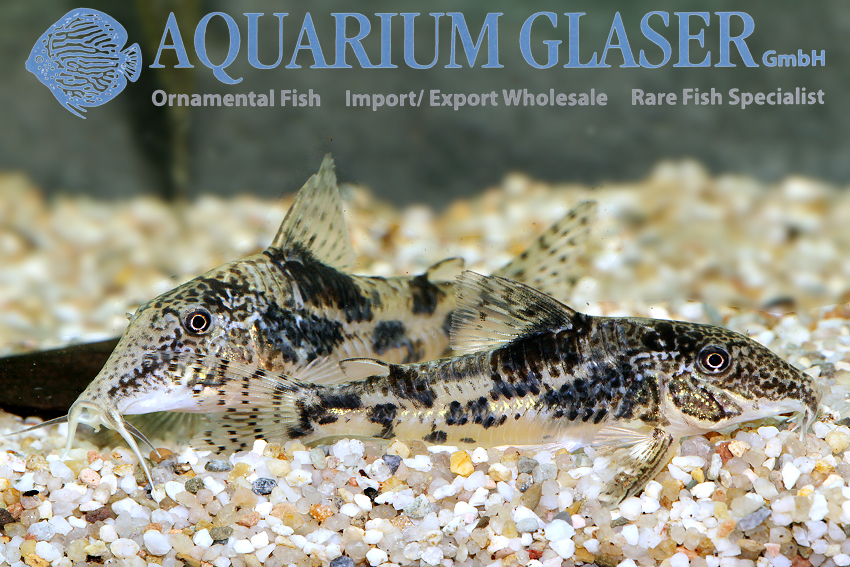
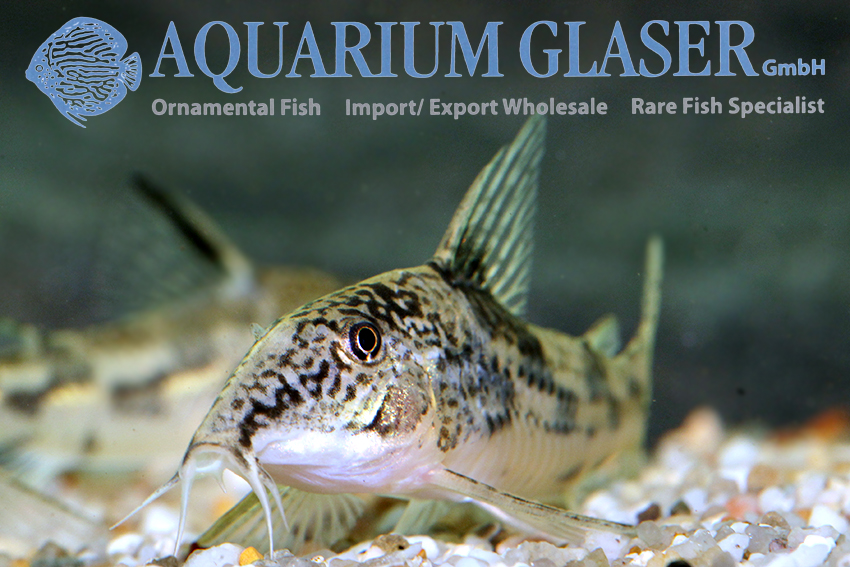
C112 is native to the state of São Paulo. Unfortunately, in the original DATZ feature on C112 and C113 (Issue 10/2003: 34–35), the captions were mixed up, resulting in C112 being labeled as C113 and vice versa. Furthermore, the trade name “Baianinho II” has stuck to C112—which actually originates from São Paulo—even though it does not come from Bahia at all.
After many years, we have once again been able to import Scleromystax specimens that we believe belong to C112. These animals are more closely related to Scleromystax barbatus than to S. lacerdai. Younger specimens actually look very similar to S. barbatus; the differences lie in the marbled pattern on their flanks. One of our specimens, a younger female, has a distinctive black stripe in her dorsal fin. However, since this is the only specimen with this marking and it does not differ from the other fish in any other way, we consider this to be an individual variation.
It is not easy to distinguish the sexes in younger fish up to about 6 cm total length. After that, male C112s develop higher dorsal fins than the females. An easily recognizable sexual characteristic (though not as distinct as in S. barbatus) is the light-colored forehead patch, which only the males possess. If our fish are indeed C112 and not another species within this complex group of forms, then the males should turn almost black during the breeding season. In addition to only slightly sexually mature specimens (approx. 4–6 cm total length), we have also received a few larger specimens (around 7 cm total length). Care instructions correspond to what is generally known about S. barbatus (see https://www.aquariumglaser.de/en/10-catfishes/scleromystax-barbatus/)
For our customers: C112 has codes 224022 (captive-bred), 224032 (wild, lg), and 224033 (wild, xlg-sh) on our stock list. Please note that we supply exclusively to wholesale customers.
Text & photos: Frank Schäfer
