








The armored catfish of the genus Scleromystax are unique. Some impress with their size, others with their coloration, and still others with the fins of the males, which are greatly enlarged. Currently, the hobby distinguishes between eight scientifically described species, two C-numbers, and seven CW-numbers. All species originate from coastal rivers in southeastern Brazil. They prefer water temperatures that are, at least at times, significantly cooler than what we are generally accustomed to. For many years, there were no ornamental fish exports from southeastern Brazil. For some time now, however, dedicated exporters have been trying to change that. We are very pleased about this! But many of the species we can offer from there are still available only very irregularly, in small quantities, and at high prices—including Scleromystax sp. C113, which is collected around 200 km south of Salvador de Bahia.
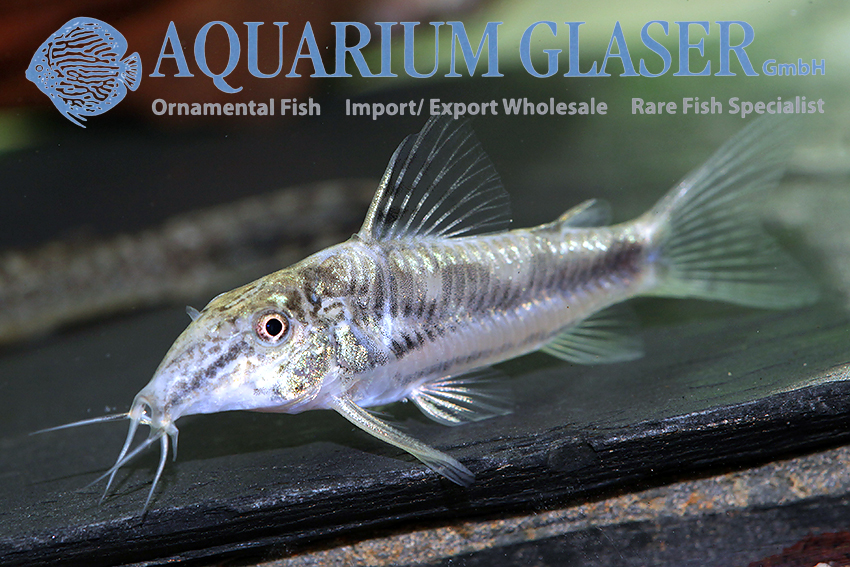
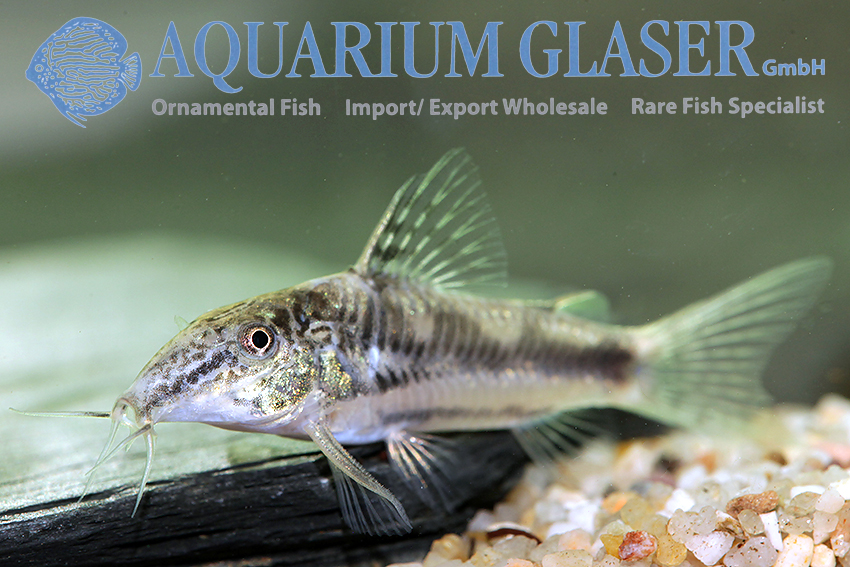
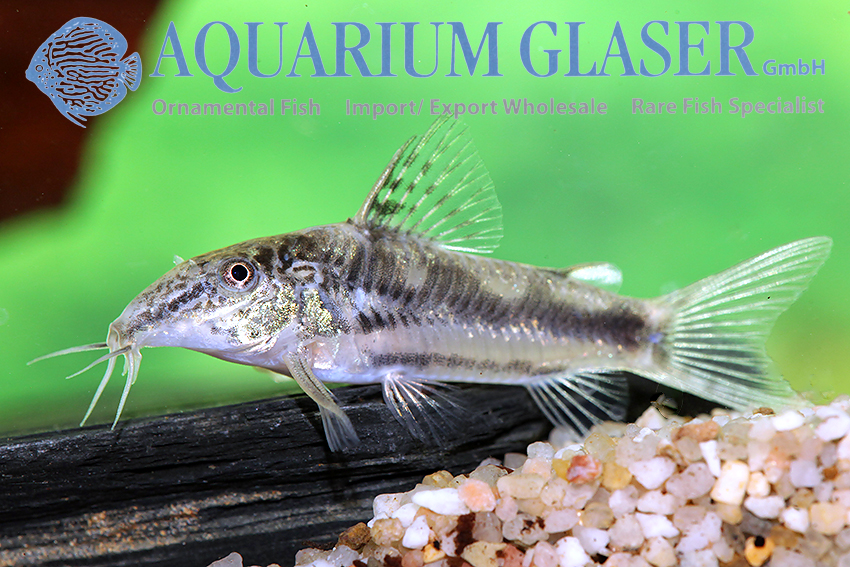
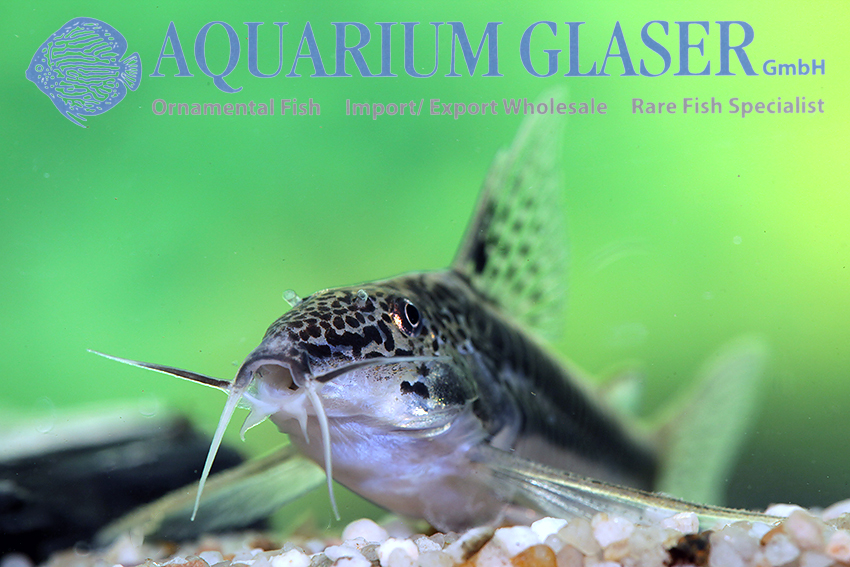
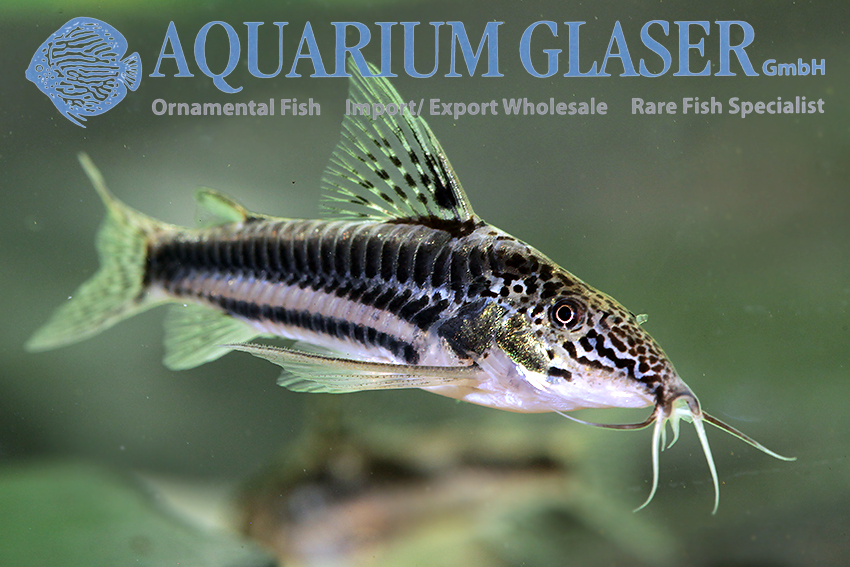
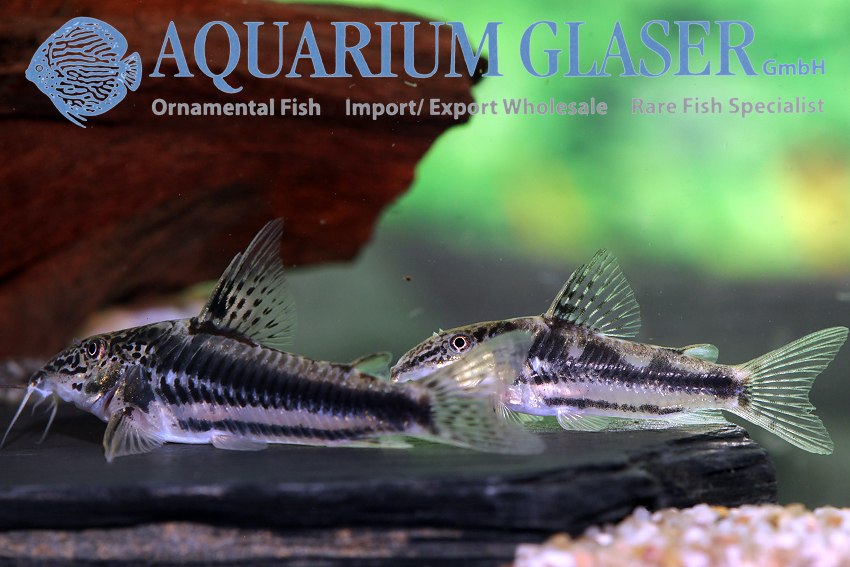
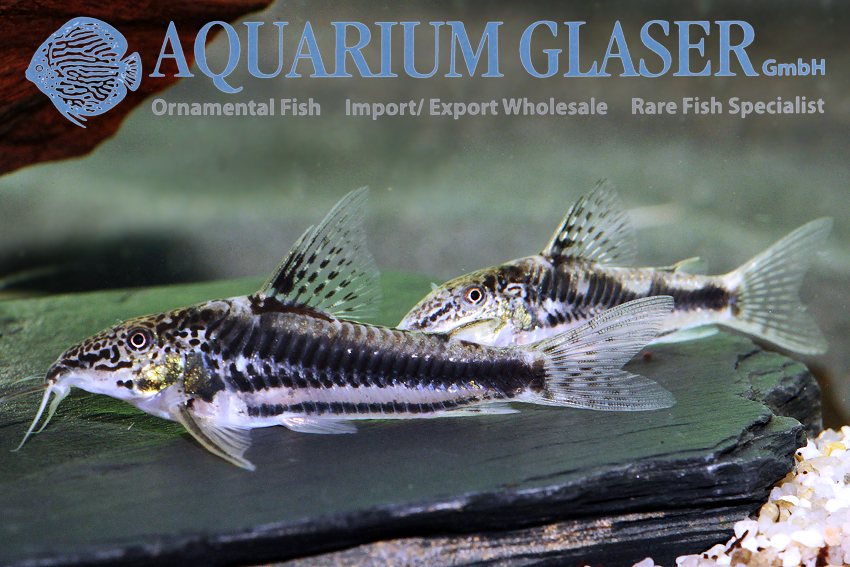
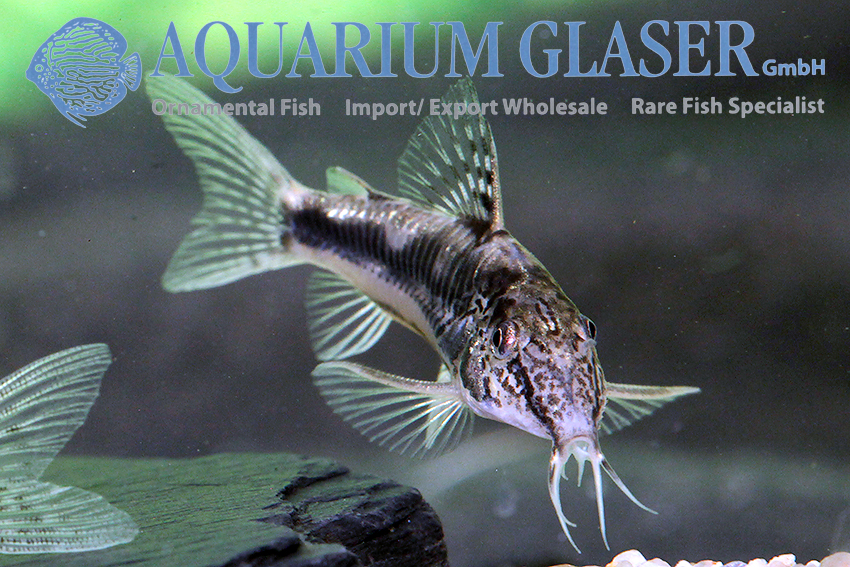
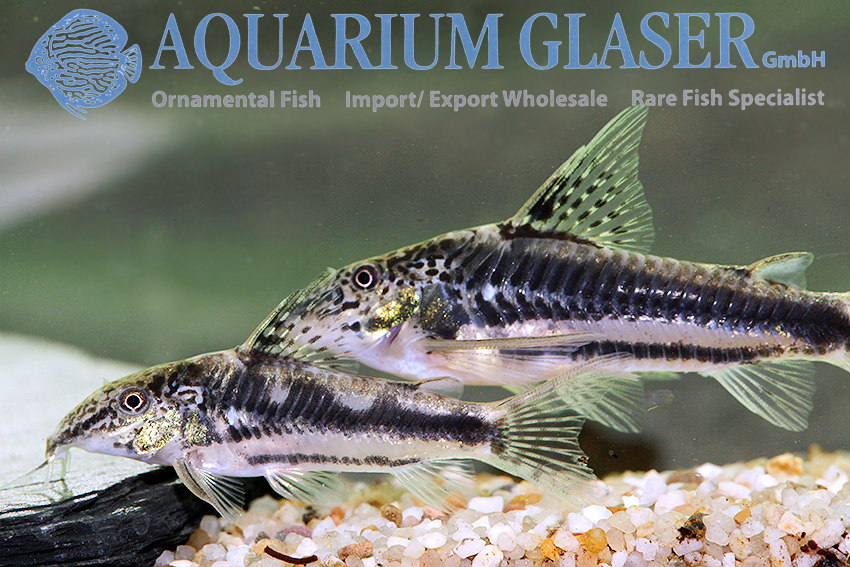
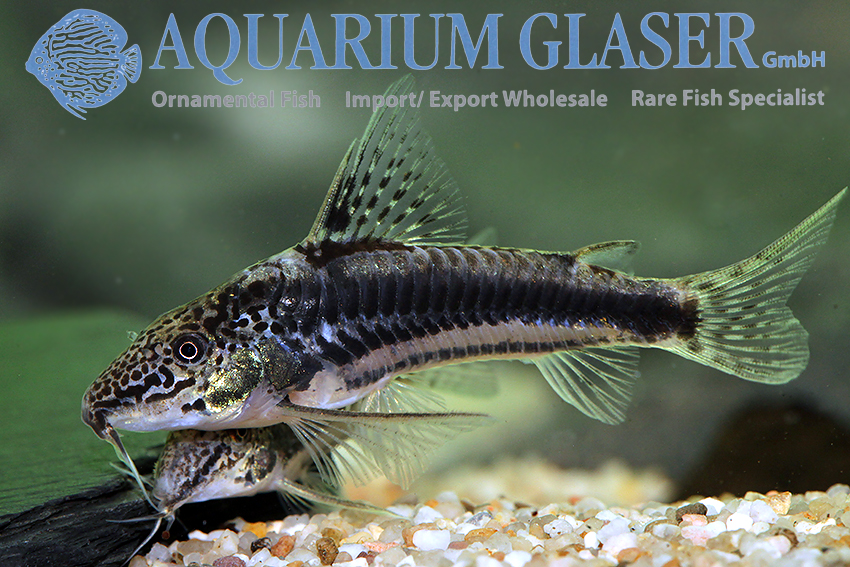
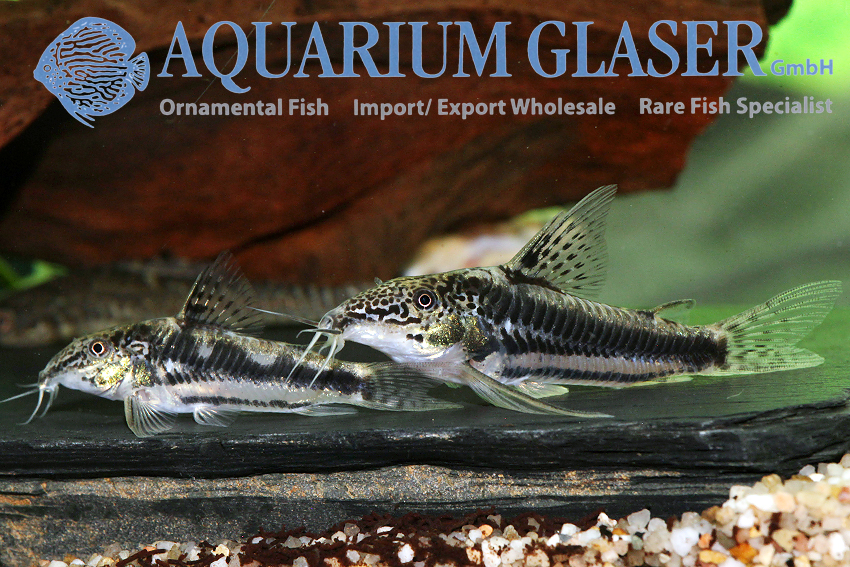
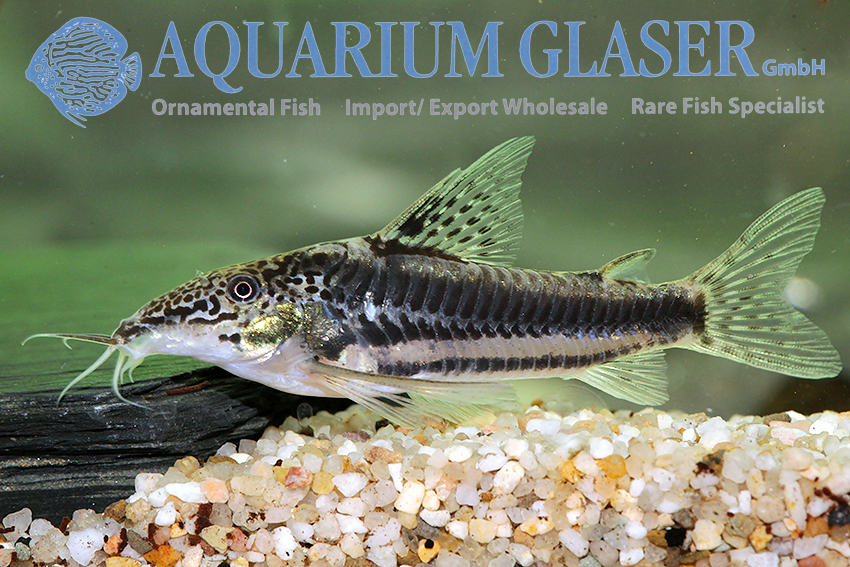
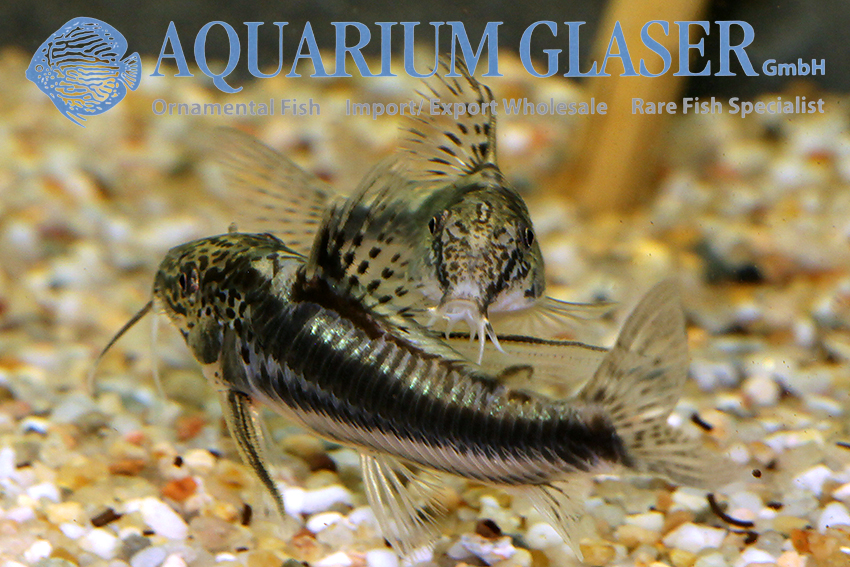
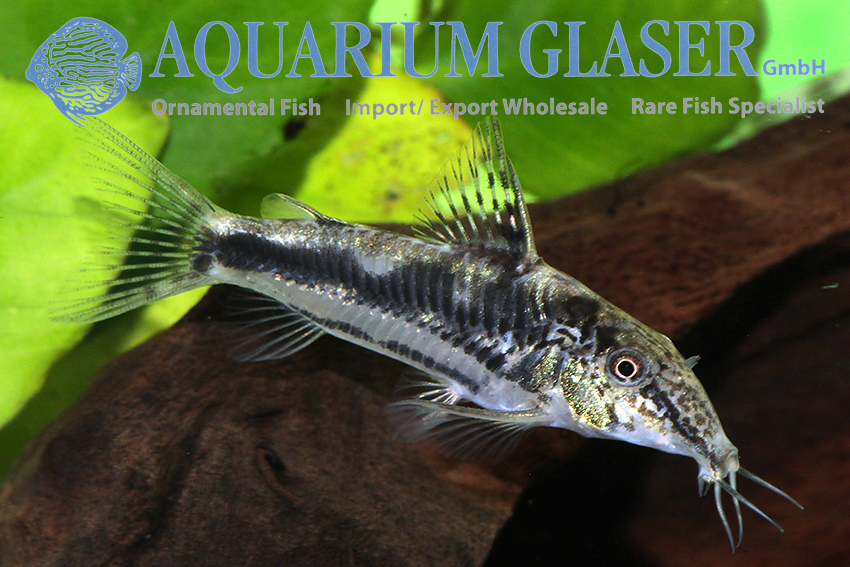
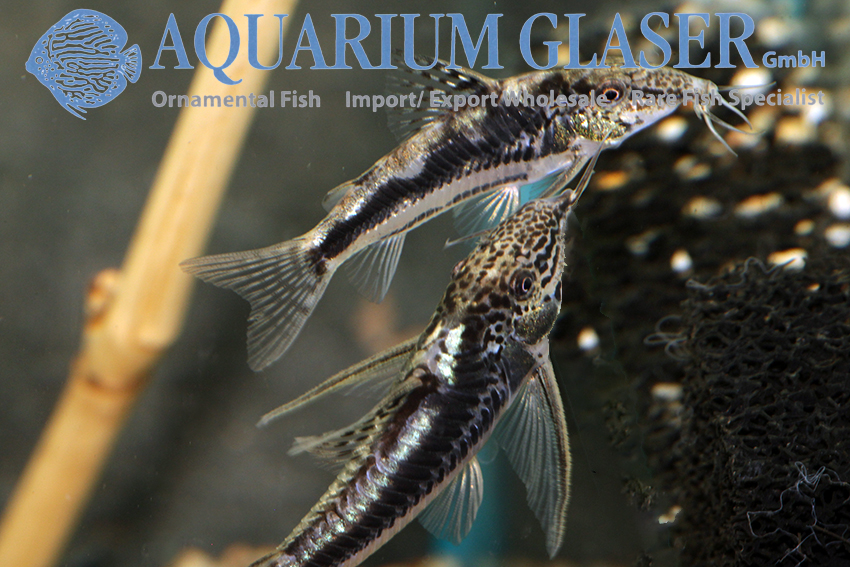
The best-known species of the genus Scleromystax is undoubtedly S. barbatus (https://www.aquariumglaser.de/en/10-catfishes/scleromystax-barbatus-5/), and it is also the only species that is regularly bred in captivity. But C113 also occasionally found its way into hobbyists’ aquariums in the past. The name “Baianinho” means “the small one from Bahia,” the Brazilian state from which these fish originate. The coloration of S. lacerdai – which was called „Baianinho I“ prior to it´s scientific description – is similar to that of C113, but S. lacerdai remains significantly smaller, reaching a maximum length of 5 cm; male C113s can grow up to 8 cm in length. There are also differences in coloration. The appearance of C113 is quite variable. CW38 is very similar. Therefore, one should not use specimens from different import shipments for breeding, but should always breed only with fish from the same shipment. This is the only way to reasonably ensure that aquarium strains do not consist of undesirable hybrids.
Keeping and breeding these armored catfish can be quite successful, but these fish are definitely not suitable for beginners. To keep them in good condition over the long term, extremely good water hygiene is necessary. The water temperature should also be well below 18°C for at least a few months of the year.
The males of C113 develop very long, elongated pectoral fins and a significantly taller dorsal fin than the females; they also grow larger. There are distinct color differences between the sexes. Unfortunately, the photos only partially show that the light-colored dorsal region of the fish glows a magnificent neon green. This is a matter of lighting and is difficult to capture in photos taken with a flash.
For our customers: these fish are listed under code 293183 on our stock list. Please note that we supply exclusively to wholesale customers.
Text & photos: Frank Schäfer
